‘Most distant landing in history’: What was NASA and ESA’s Cassini-Huygens mission?

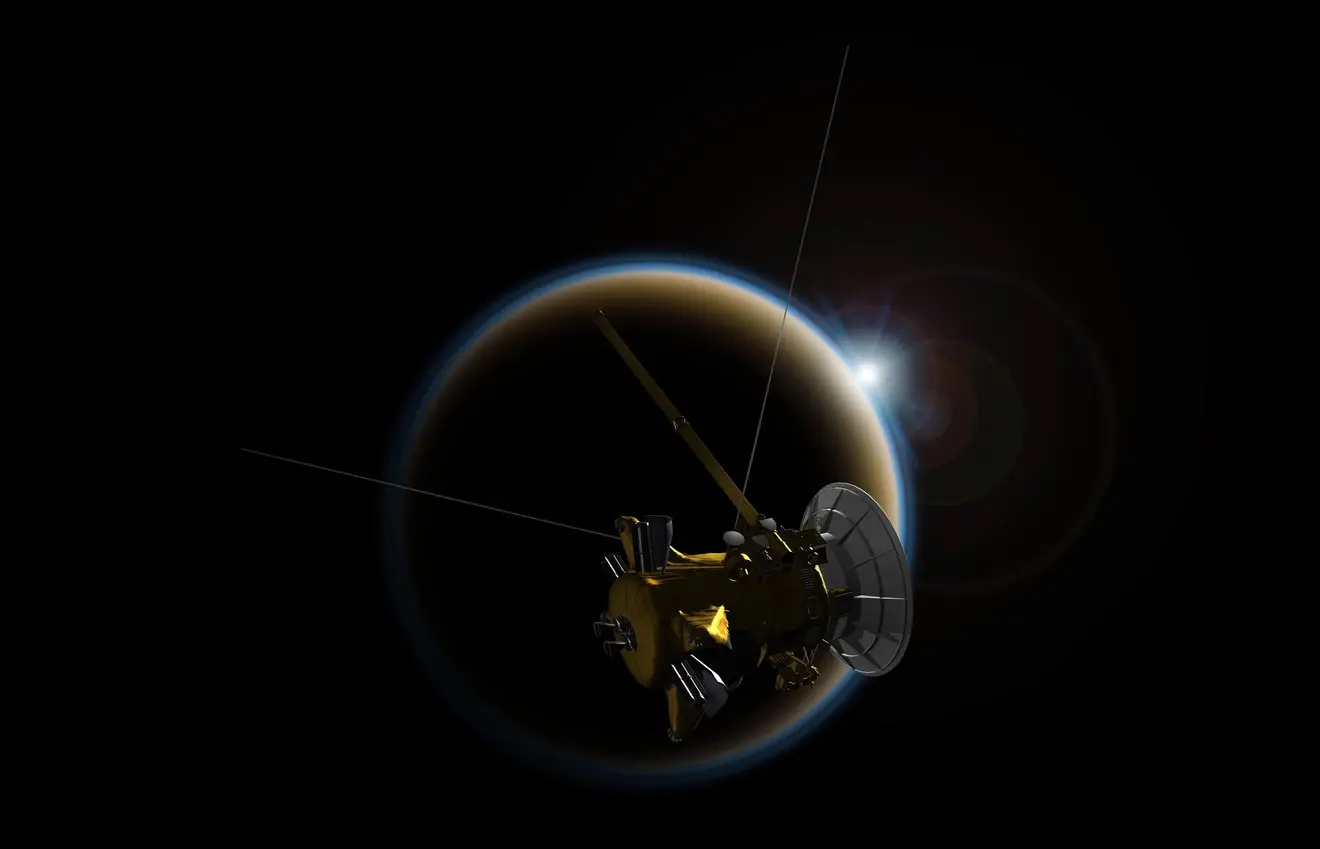
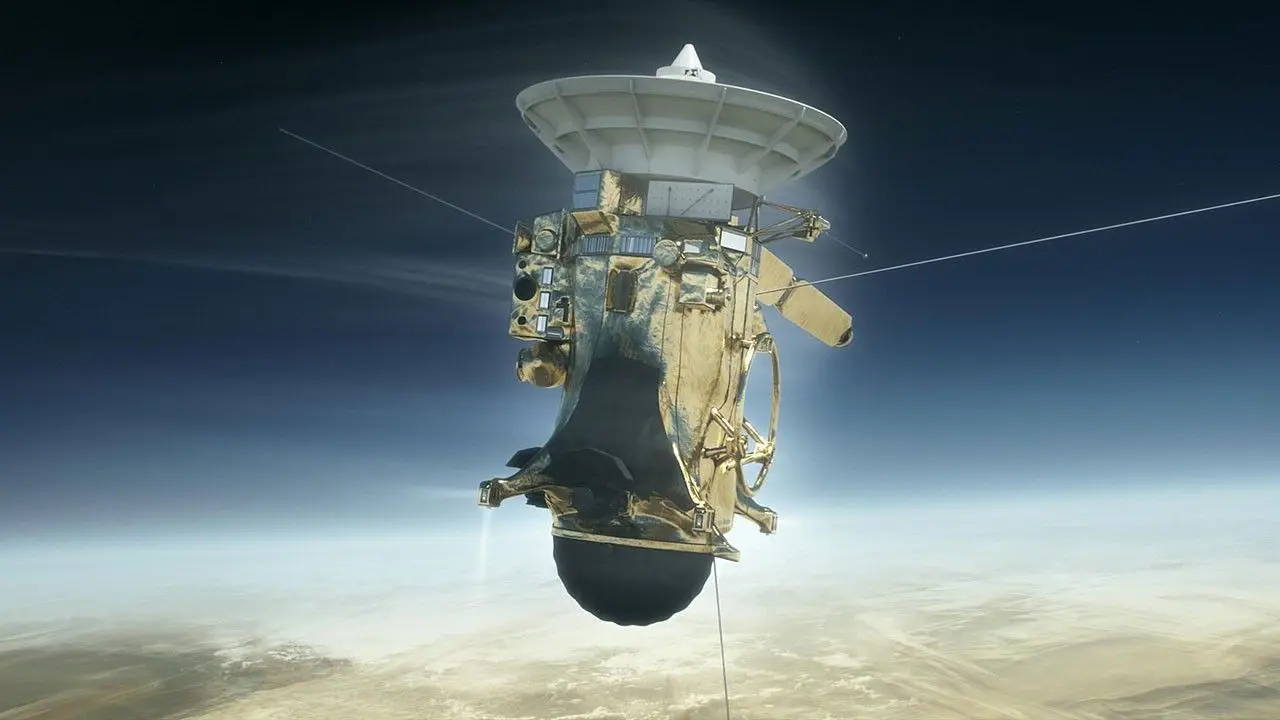
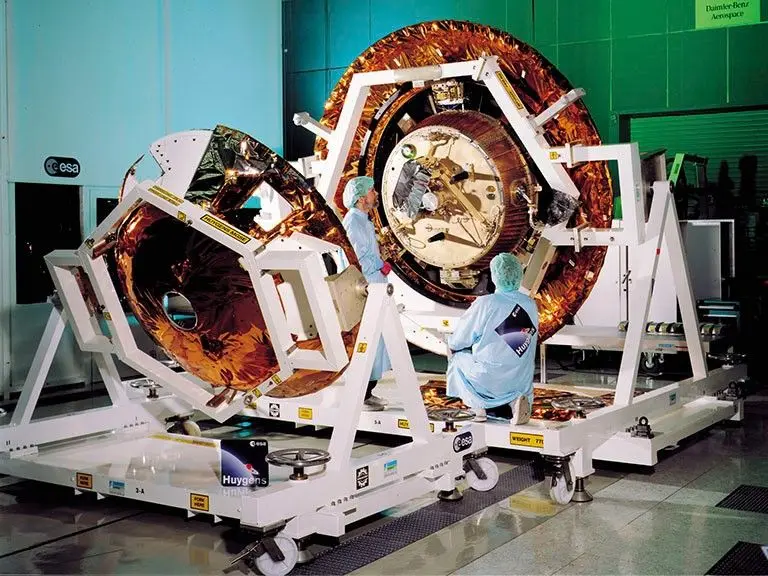
The mission was launched on October 15, 1997 aboard a Titan IVB-Centaur rocket and the spacecraft comprised of two important elements: NASA’s Cassini orbiter and ESA’s Huygens probe.
Genesis of a Grand Expedition
The Cassini-Huygens mission was a landmark international space venture that was jointly undertaken by NASA in collaboration with the European Space Agency (ESA) and the Italian Space Agency (ASI) to explore the Saturn system in great detail. The mission was launched on October 15, 1997 aboard a Titan IVB-Centaur rocket and the spacecraft comprised of two important elements: NASA’s Cassini orbiter and ESA’s Huygens probe. Each of them was designed with distinct but complementary scientific goals. Before reaching Saturn, the spacecraft completed gravity-assist flybys at Venus, Earth and Jupiter to gain the energy required to reach the outer Solar System.
Arrival at Saturn and Titan Descent
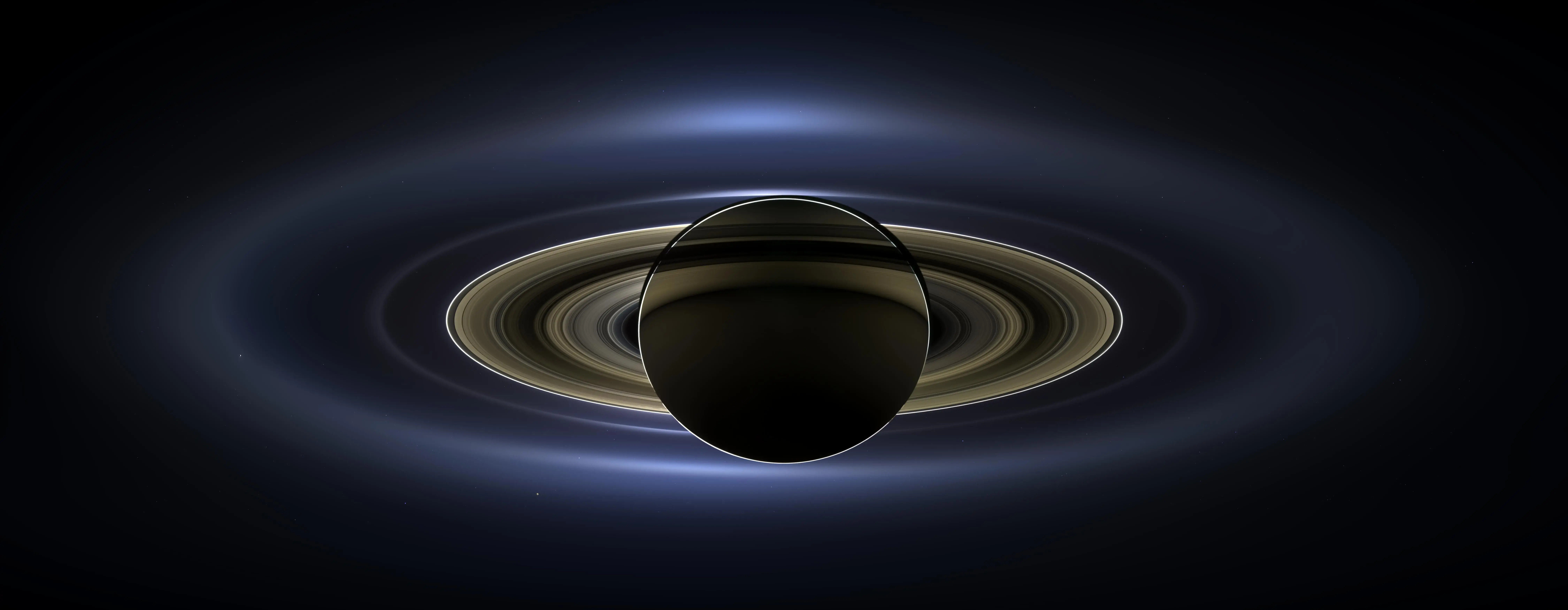
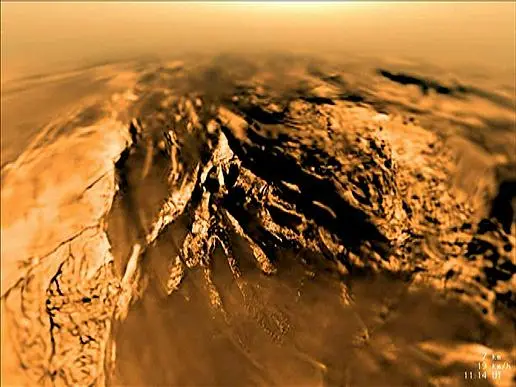
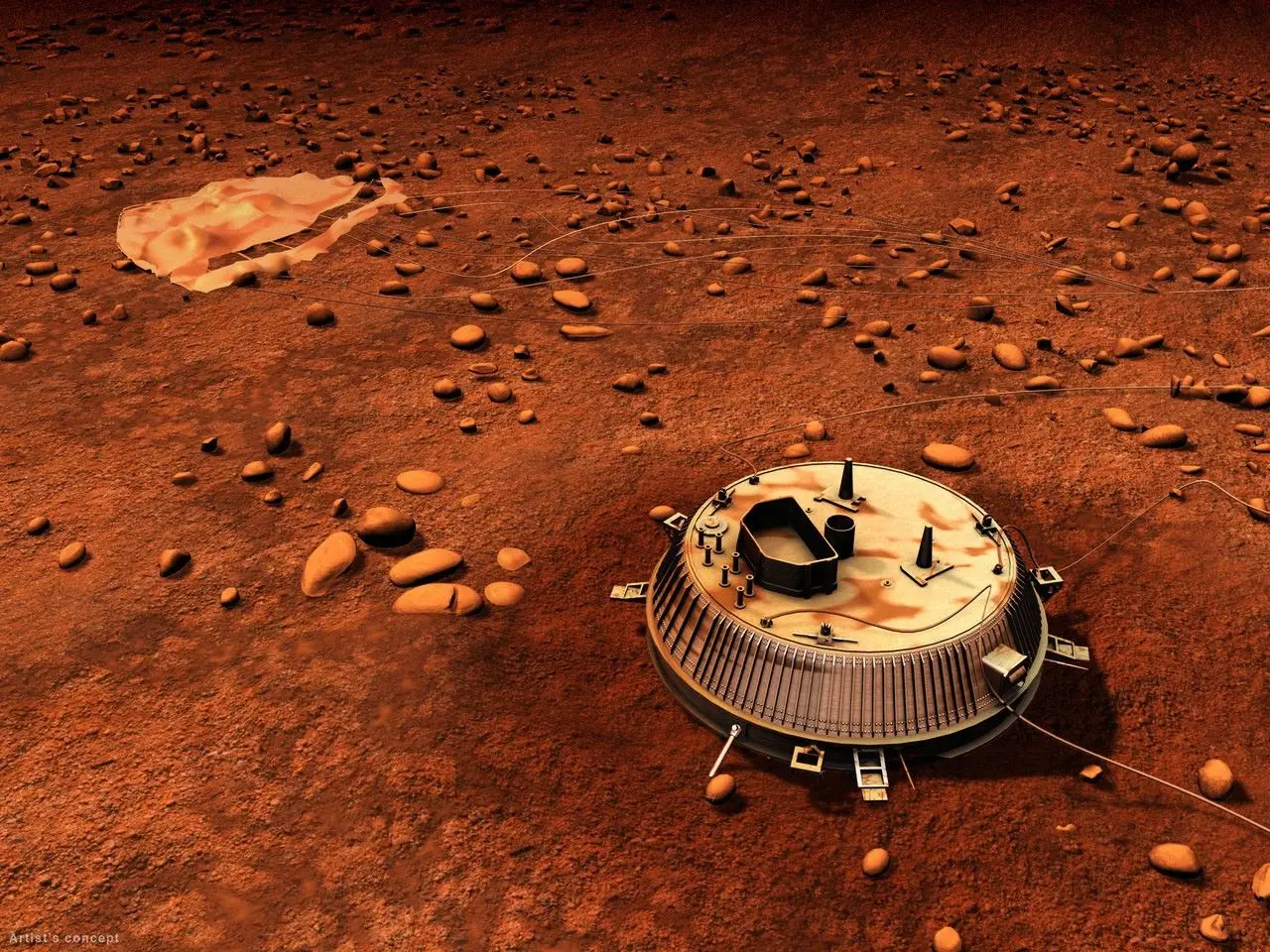
Cassini entered orbit around Saturn on July 1, 2004, beginning a mission that would last over 13 years. In December 2004, Cassini released the Huygens probe, which endured a 22-day independent cruise to Titan, Saturn’s largest moon. On January 14, 2005, Huygens descended through Titan’s dense, nitrogen-rich atmosphere for about 2 hours and 27 minutes, becoming the first spacecraft to land on a moon in the outer Solar System. During descent and after touchdown, the probe returned critical data about the atmospheric composition of the moon along with it's pressure and surface features to Cassini, which relayed the information back to Earth.
Studying Titan’s World
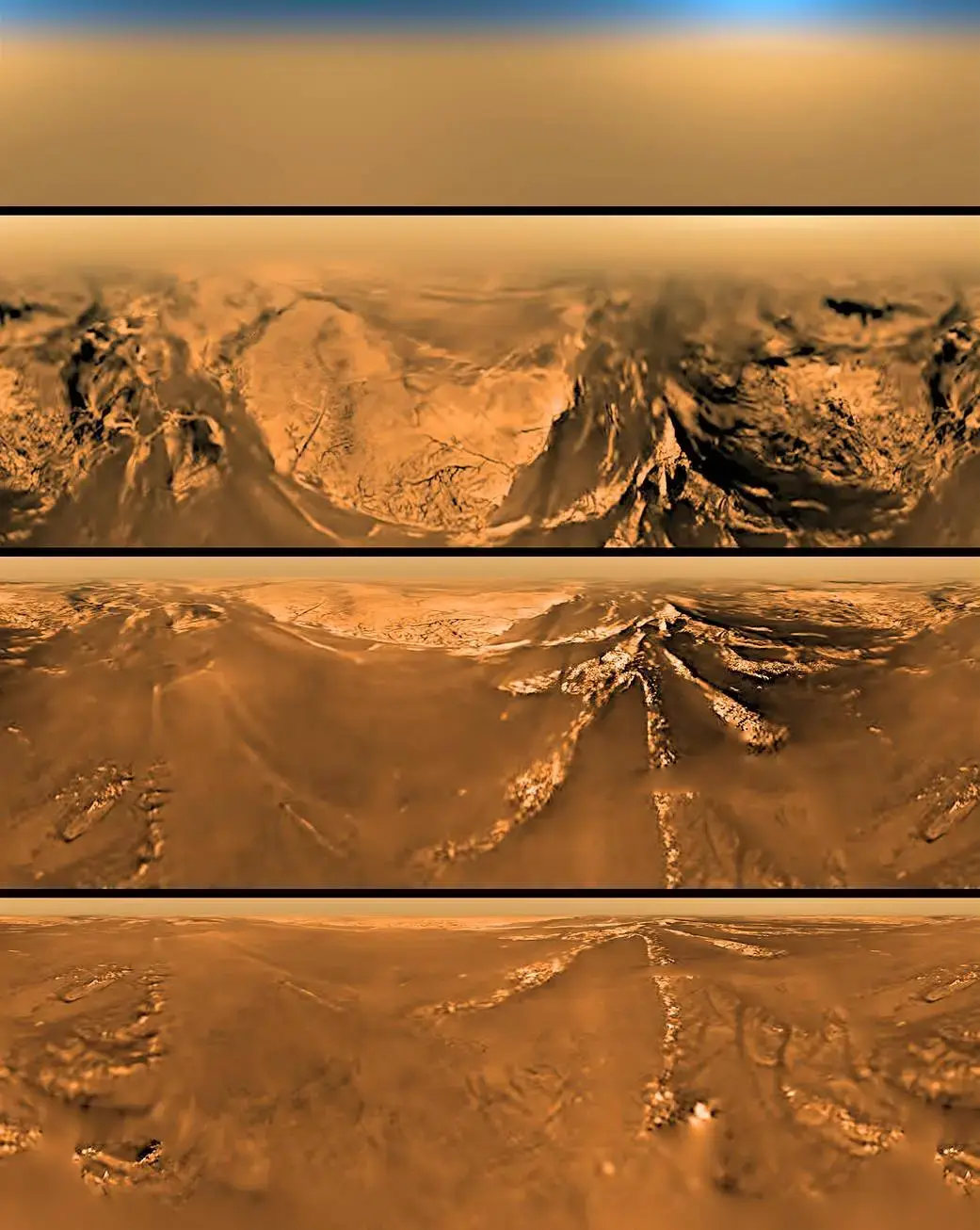
A major contribution of the Huygens mission was that it provided the first direct measurements from Titan’s surface. The captured images showed fields resembling something like river channels and features carved by methane and ethane, liquids that flow across Titan’s surface in cycles akin to Earth’s water cycle. The probe also detected the presence of organic compounds in the atmosphere and observed a landscape of icy grains and sediment.
Broader Scientific Achievements
Beyond Titan, Cassini made breakthrough discoveries across the Saturnian system. It detected jets of water erupting from the south pole of Enceladus, indicating a subsurface reservoir of salty water and organic chemicals, which elevated questions about potential habitable environments beyond Earth. However, recently the reanalysis of data from NASA’s Cassini mission revealed Saturn’s moon may instead have layers of slush with isolated pockets of liquid water. The orbiter had also studied the complex system of Saturn’s rings and moons in unprecedented detail, and probed the planet’s atmosphere and magnetic environment.
Mission Extensions and Legacy
The mission’s nominal phase concluded in 2008, but it still continued through extended campaigns, the Equinox and Solstice Missions, which provided a long-term view of seasonal changes on Titan and other moons. Cassini completed 155 orbits of Saturn, mapping conditions that challenge and refine models of planetary science.
Final Farewell
On September 15, 2017, the spacecraft made its final approach to the giant planet. This time it performed a controlled dive into Saturn’s atmosphere, sending science data for as long as its small thrusters could keep the spacecraft’s antenna pointed at Earth. Soon after, Cassini burned up and disintegrated like a meteor in the skies high above Saturn’s clouds.
Enduring Impact
Cassini-Huygens transformed our understanding of the outer Solar System. It delivered the first views of Titan’s surface, unveiled active chemistry and possible conditions for life on icy moons, and set the stage for future missions like Dragonfly to further explore Titan’s potential habitability.
)
)
)
)
)