‘More than 60% uranium’: Why this site could be hiding much of Iran’s near-bomb-grade uranium stockpile?

According to the UN nuclear watchdog chief Rafael Grossi, a significant portion of Iran’s uranium enriched to about 60 per cent purity was believed to have been stored at a tunnel complex before the current conflict escalated.
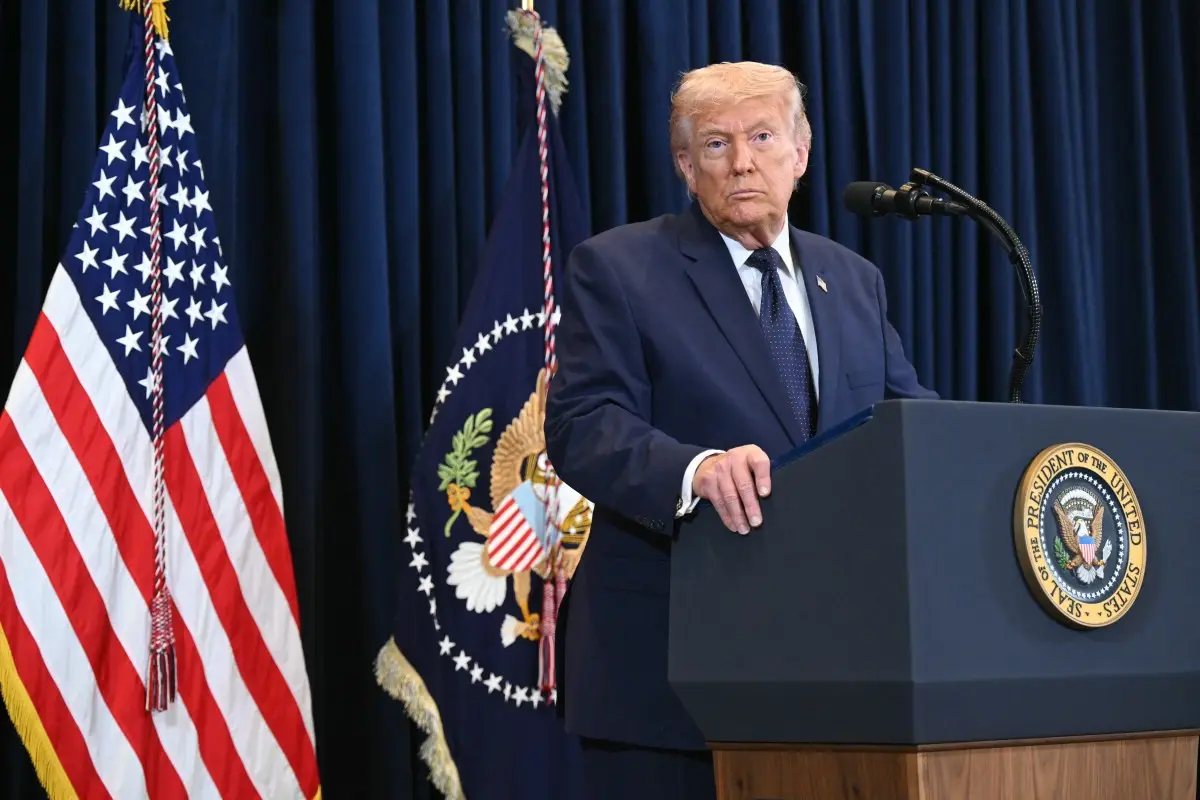
War Enters Its Second Week
The war involving the United States, Israel and Iran has entered its eleventh day, widening tensions across the Middle East and rattling global markets. Iran launched fresh attacks on Tuesday targeting Israel and several Gulf Arab countries, while pro-Iranian militia groups continued to strike US interests across the region. The conflict has disrupted oil and gas supplies and pushed energy prices higher worldwide. Amid the military escalation, renewed scrutiny has fallen on Iran’s nuclear programme and the fate of its highly enriched uranium reserves.
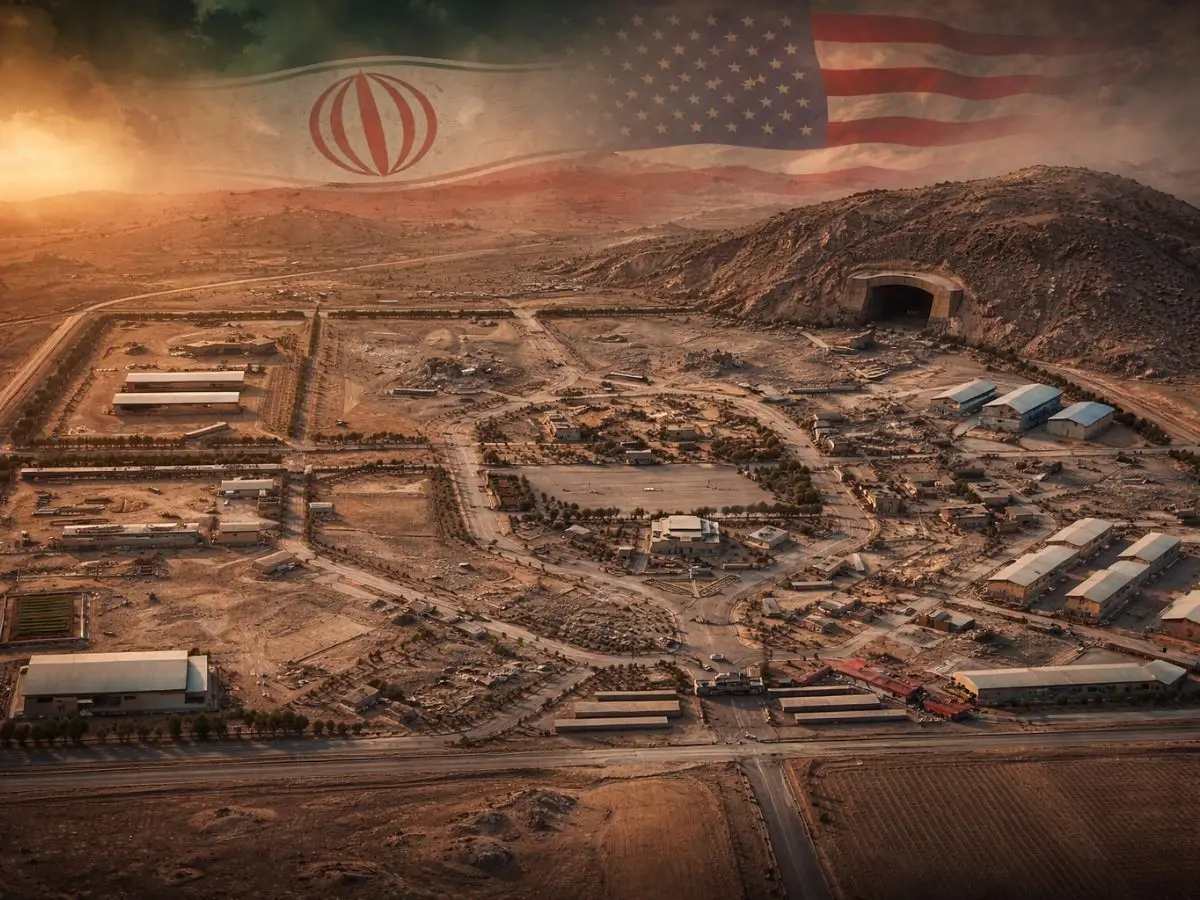
A Key Nuclear Question Emerges
One of the most pressing issues concerns the location of Iran’s near-bomb-grade uranium. According to the UN nuclear watchdog chief Rafael Grossi, a significant portion of Iran’s uranium enriched to about 60 per cent purity was believed to have been stored at a tunnel complex before the current conflict escalated, wrote Reuters. Uranium at this level is a short technical step away from weapons-grade material.

The Significance of the 60% Stockpile
The UN watchdog chief estimates that when Israel launched its initial strikes on Iran’s nuclear infrastructure in June, Tehran possessed around 440.9 kilograms of uranium enriched to 60 per cent. According to IAEA benchmarks, that quantity could theoretically yield the explosive material required for roughly ten nuclear weapons if enriched further to weapons-grade levels.
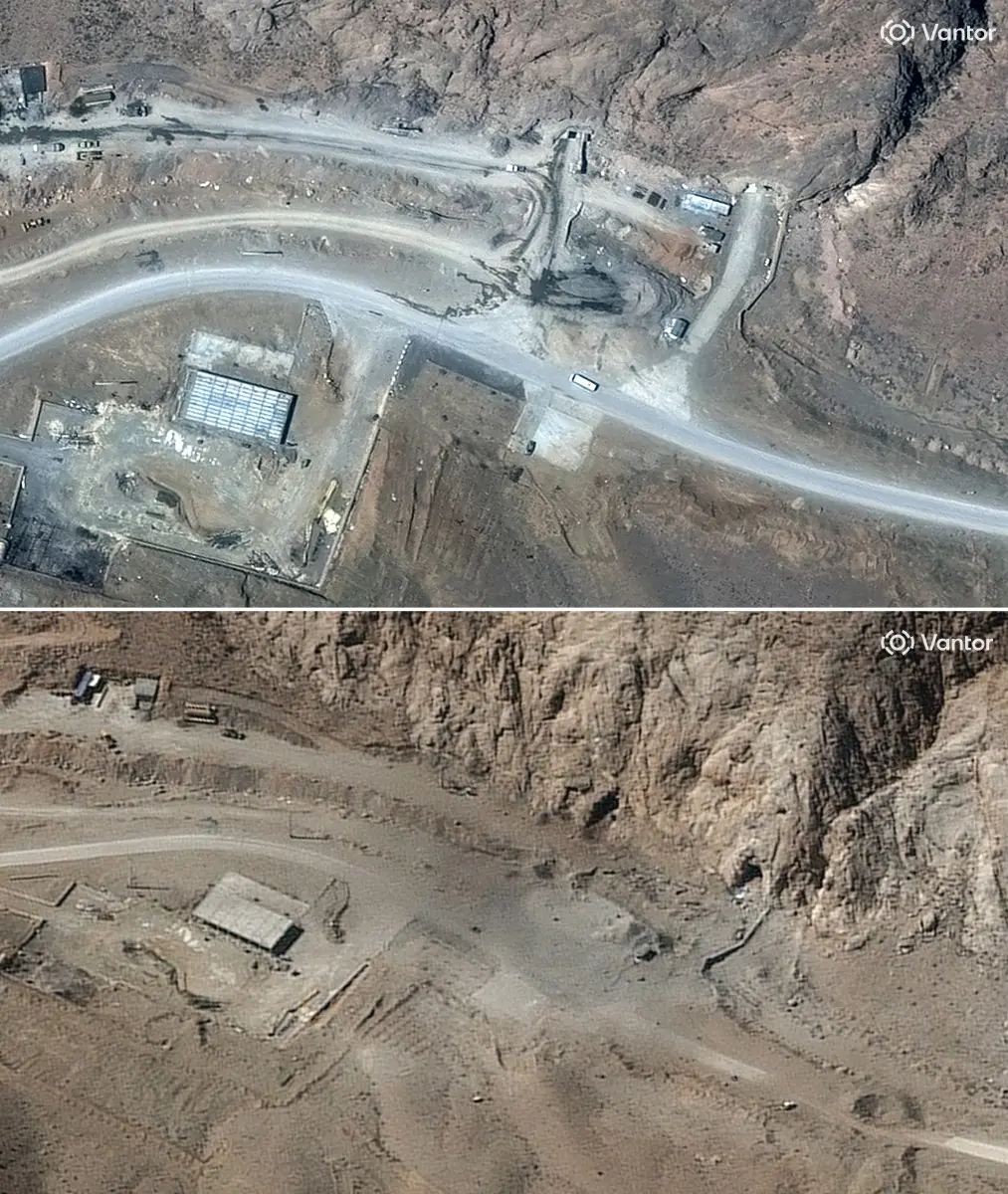
Focus on a Surviving Facility
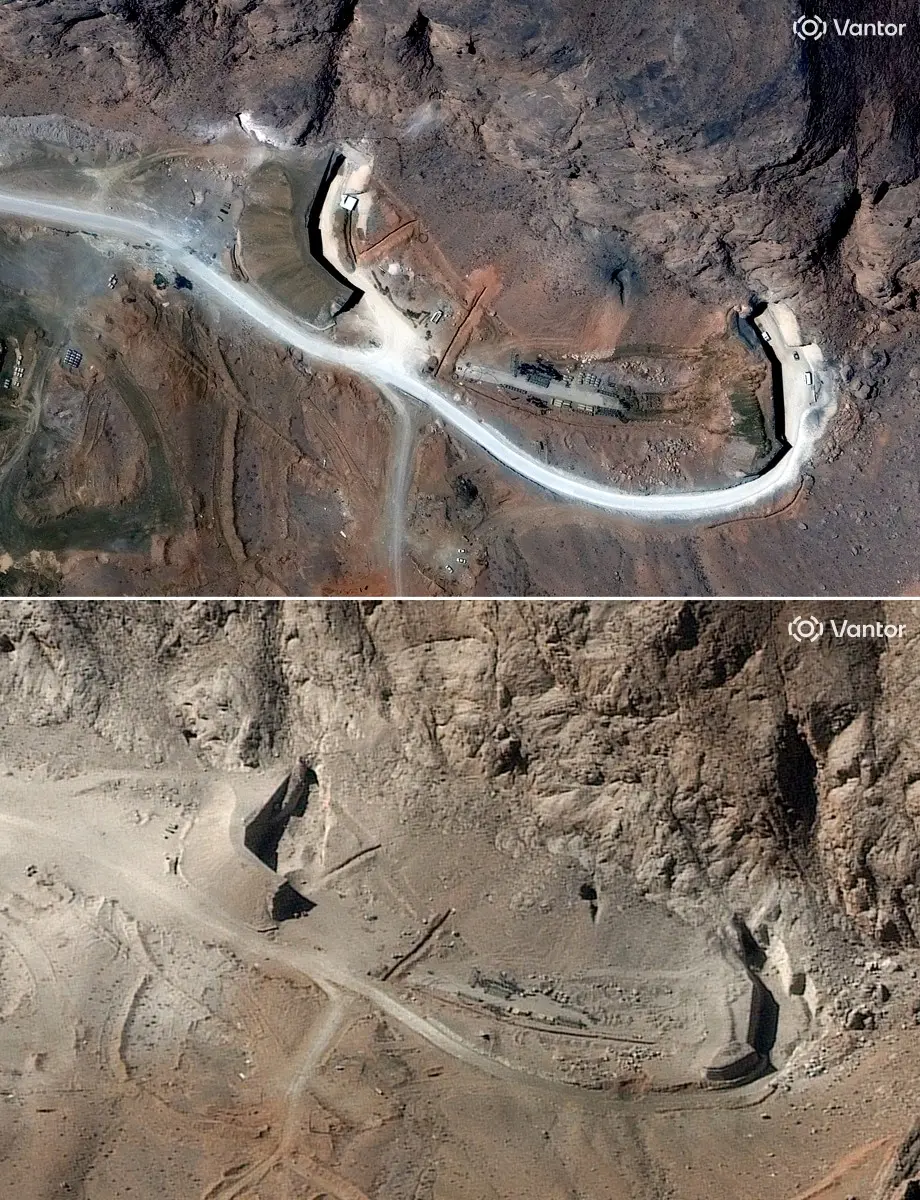
"What we believe is that Isfahan had until our last inspection a bit more than 200 kg, maybe a little bit more than that, of 60% uranium," IAEA chief Rafael Grossi told Reuters. Grossi further said that the material was 'mainly' located there during the agency’s last inspection. "The widespread assumption is that the material is still there", he added. Satellite imagery and other monitoring tools have so far shown no evidence that the stockpile has been moved since the attacks began.
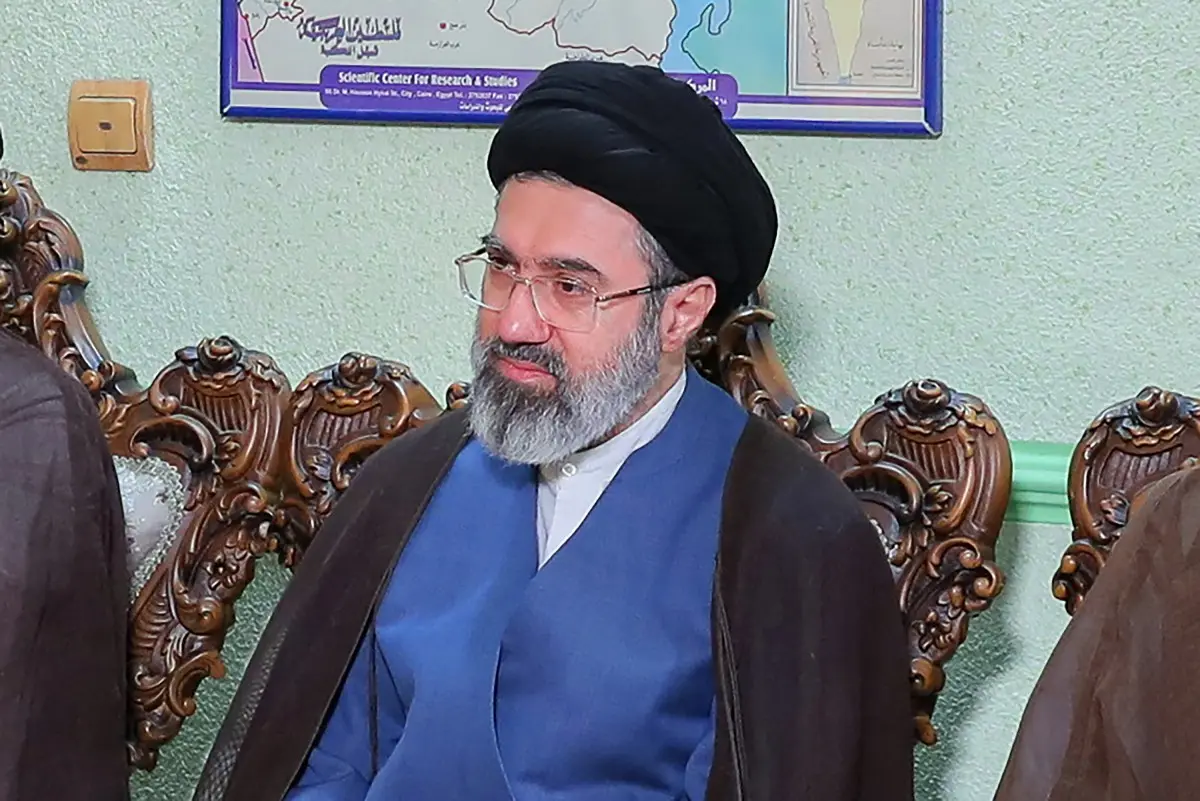
Damage Elsewhere in the Programme
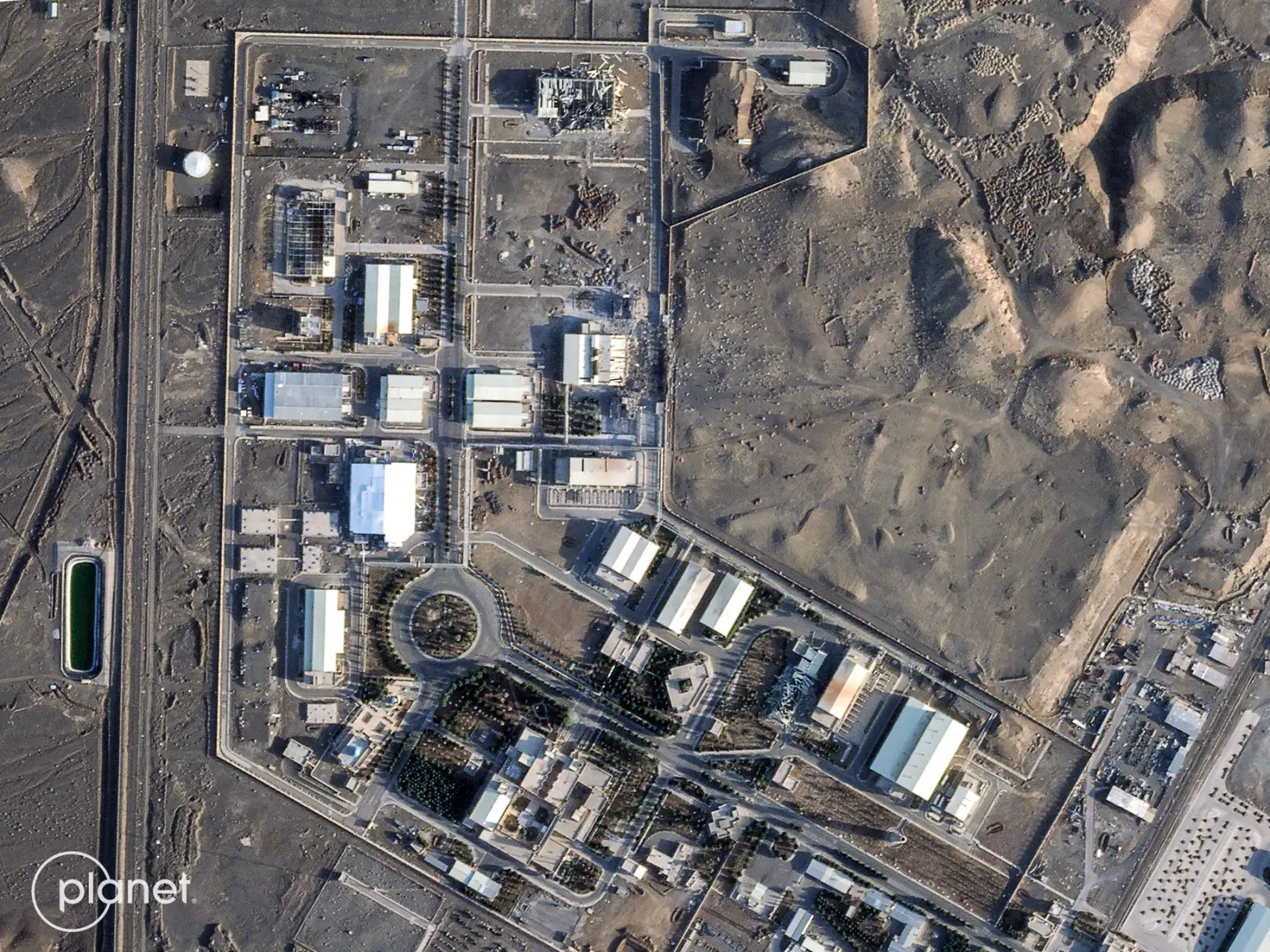
Israel and the United States had carried out extensive strikes on Iran’s nuclear infrastructure during the conflict. Three known uranium-enrichment plants, two at Natanz Nuclear Facility and one at Fordow Fuel Enrichment Plant, were reported destroyed or severely damaged in the strikes in June 2025. Yet the tunnel complex associated with the Isfahan facility appears to have survived those attacks largely intact.
Limited Oversight Since the Strikes
Since the initial bombardment, Iran has not informed the IAEA of the status or location of its highly enriched uranium. Inspectors have also not been allowed to return to bombed nuclear sites. This has left international monitors relying on satellite imagery and other remote assessments to gauge developments.
Nuclear Programme at the Centre of the War
Iran has long maintained that its uranium enrichment programme is intended solely for peaceful nuclear energy purposes. However, the existence of large quantities of uranium enriched close to weapons-grade has been cited by Israel and the United States as a central justification for their strikes. The IAEA has stated that it has not found credible evidence of a coordinated Iranian nuclear weapons programme, even as concerns about the fate of its enriched uranium stockpile intensify amid the ongoing conflict.

)
)
)
)