'Monopoly on violence': Why Mossad is failing to spark an Iranian revolution even after killing Ali Khamenei?

Despite Israel successfully assassinating top commanders, IRGC and the Basij paramilitary forces maintain an absolute, brutal monopoly on violence. Until there is a massive, structural defection of security forces the regime will not fall from street protests alone.
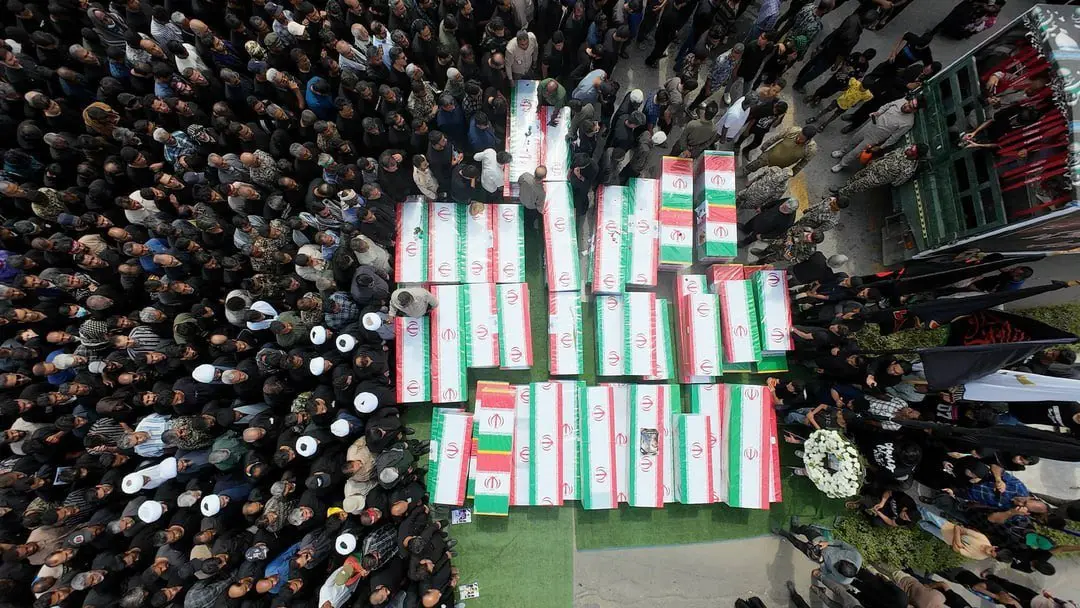
1. The "Mossadegh Trauma" and Nationalist Backlash
Israel and the US fundamentally misunderstand Iranian psychology. Whenever Mossad or Western officials publicly state they are "supporting the protesters on the ground," it actually delegitimizes the movement. Iranians have deep historical trauma regarding foreign-imposed regime change, dating back to the 1953 US/UK-backed coup against Prime Minister Mohammad Mossadegh. When the homeland is under direct foreign attack, historical data shows a "rally 'round the flag" effect occurs. Even Iranians who despise the Ayatollahs will often choose to defend the nation over siding with a foreign intelligence agency.
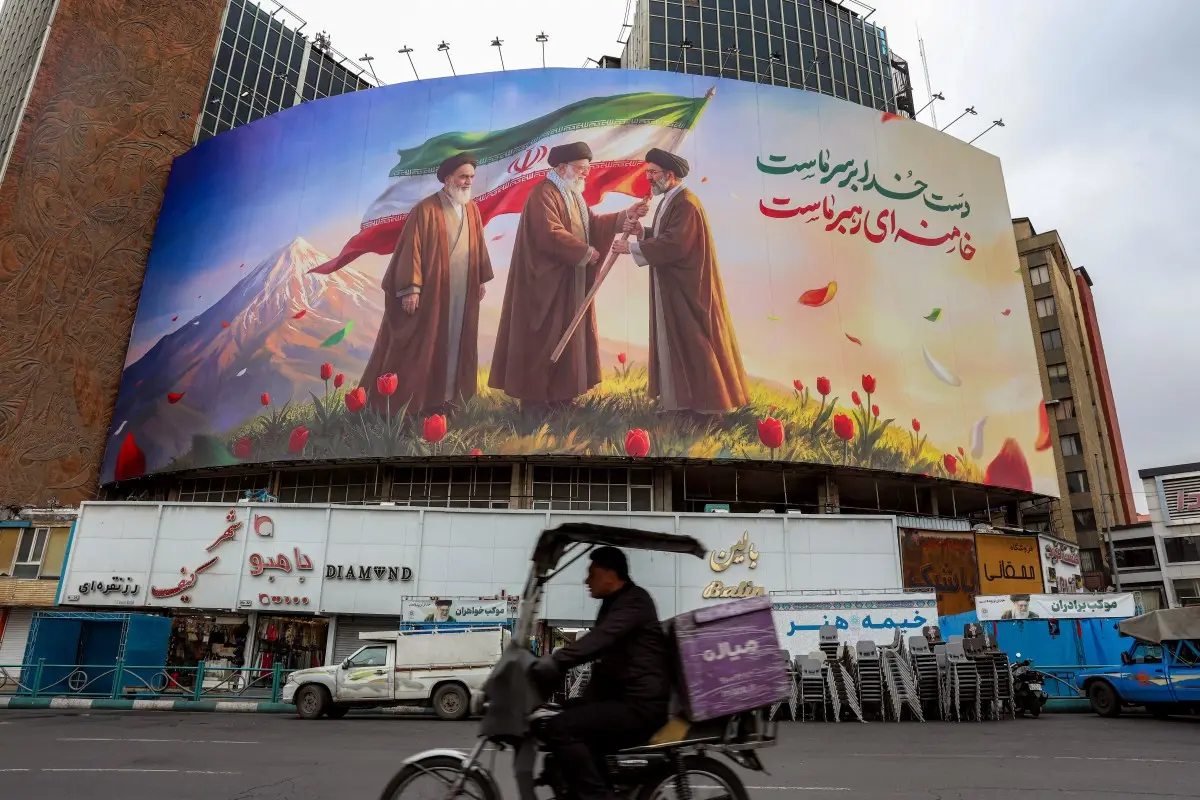
2. The Phantom Opposition
You cannot have a revolution without a replacement. Currently, there is absolutely no centralised, organised opposition inside Iran capable of taking over the state apparatus. The opposition landscape is severely fragmented. While exiled figures like Crown Prince Reza Pahlavi have name recognition, they lack a coordinated ground game inside the country's borders. Without a viable, unified leadership structure ready to step in, popular anger cannot translate into a successful political revolution.
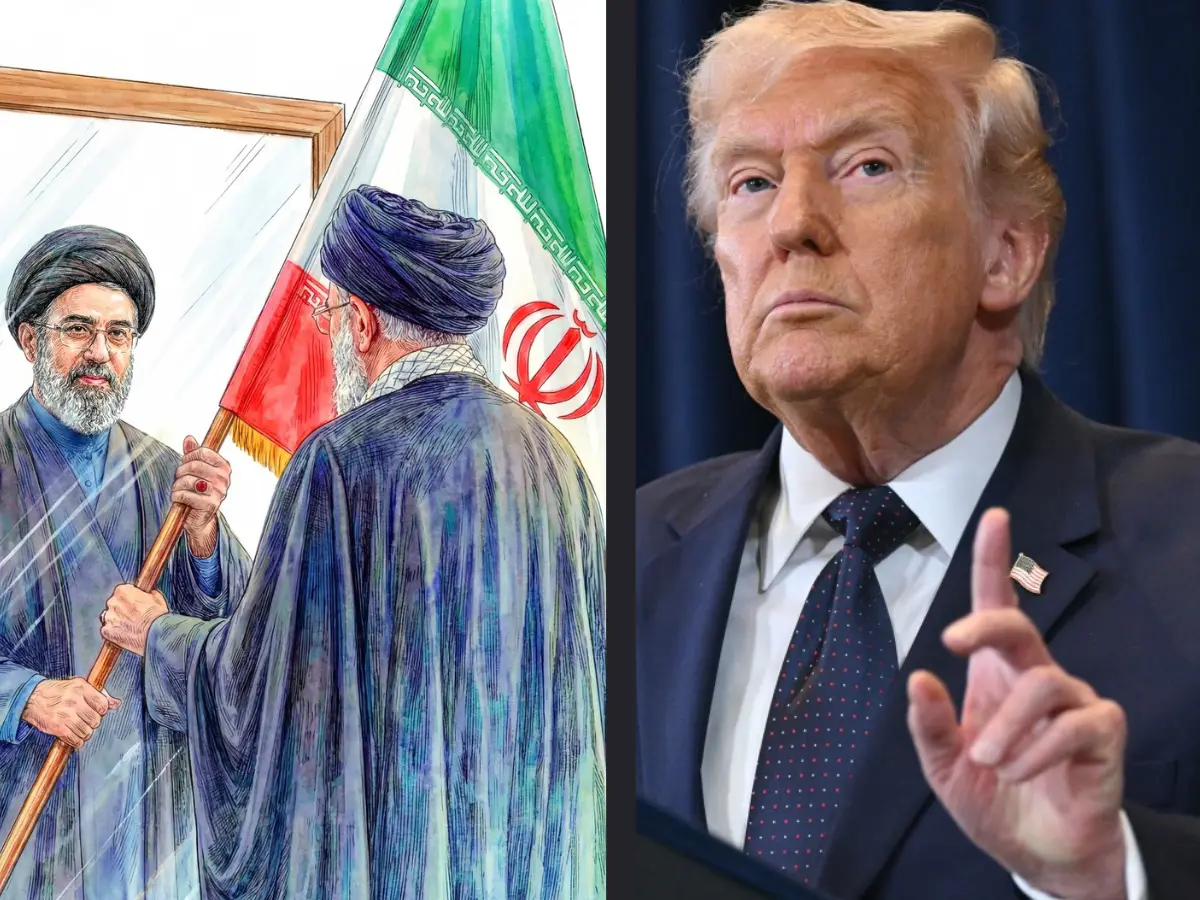
3. The Hollowing of the Middle Class
Revolutions are typically driven by a robust middle class with the time, resources, and organization to demand political rights. However, years of "maximum pressure" economic warfare and sanctions have systematically demolished Iran's middle class. Recent socioeconomic studies show the current protests in Iran are mostly desperate pleas for basic economic relief from people pushed to the brink by inflation and currency collapse. Citizens who are fighting just to feed their families lack the resources to wage an organized, sustained civil war.
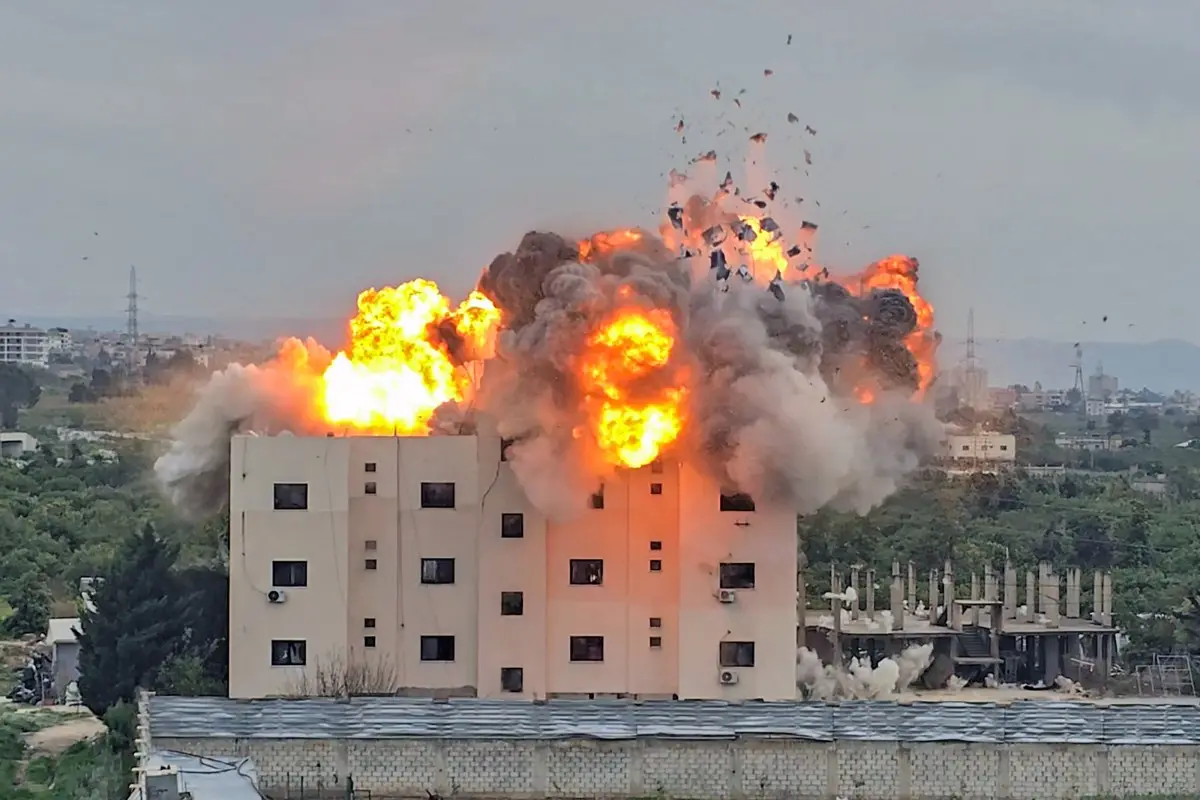
4. The Monopoly on Violence Remains Intact
In the 1979 revolution, the Shah's government collapsed because the military and security forces eventually flipped and refused to shoot the protesters. That is not happening today. Despite Israel successfully assassinating top commanders, the Islamic Revolutionary Guard Corps (IRGC) and the Basij paramilitary forces maintain an absolute, brutal monopoly on violence. Until there is a massive, structural defection of security forces handing over weapons to the public, the regime will not fall from street protests alone.
5. The "Security-First" State Excuse
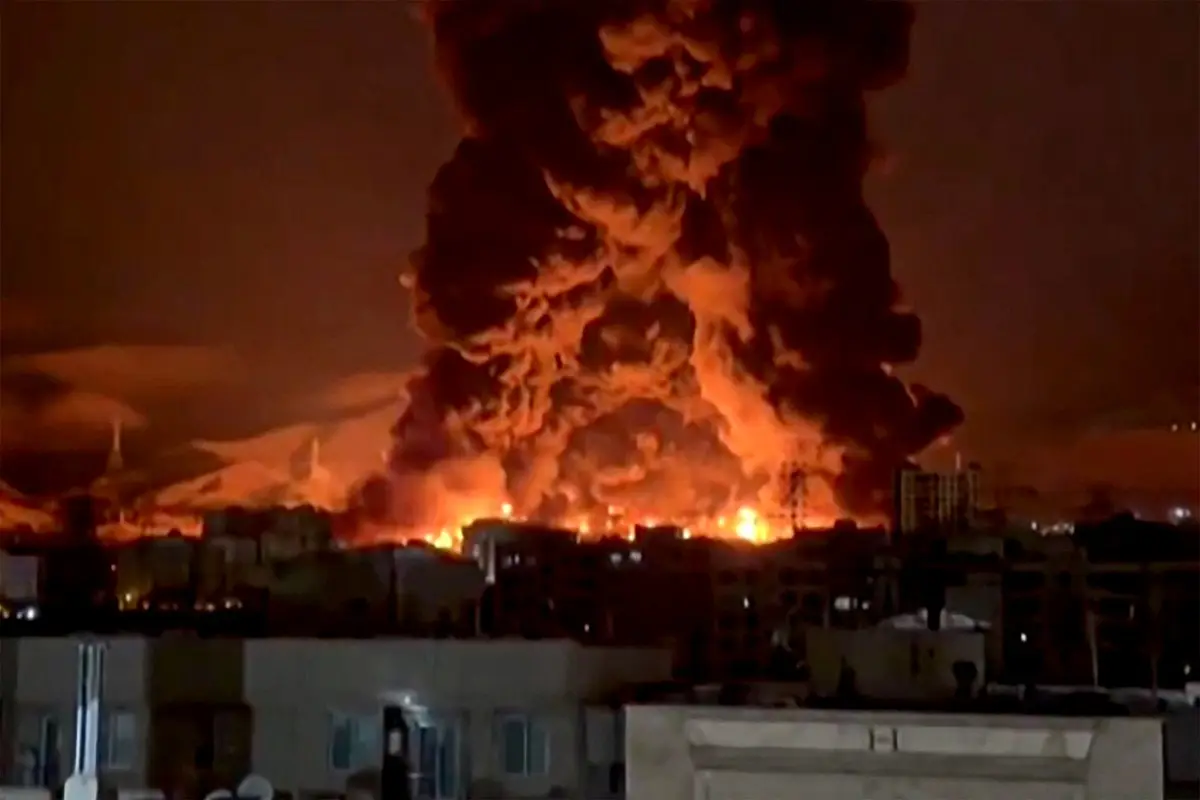
Mossad's highly successful intelligence operations, such as infiltrating secure sites or launching drone strikes from within Iran's own borders, have actually given the regime the ultimate excuse to crack down. The Iranian government uses the very real threat of Israeli espionage to justify a permanent "security-first" posture. They use the war as a smokescreen to militarise the economy, tighten internet blackouts, and execute political dissidents under the guise of hunting "Zionist spies." The external pressure is suffocating internal reform, not helping it.
6. Intelligence Dominance Does Not Equal Grassroots Mobilization
Mossad has proven it can penetrate Iran's most sensitive security apparatus, assassinate nuclear scientists, and humiliate the regime's counter-intelligence. But tactical decapitation strikes do not automatically spawn a grassroots uprising. Proving that the Iranian regime is corrupt and vulnerable to infiltration might make the population angry, but it doesn't give them the logistical network, the weapons, or the strike funds (like shutting down the massive oil sector) needed to actually overthrow the government.
7. The Fear of Syrian-Style Balkanization
Even the most fiercely anti-regime citizens inside Iran are terrified of what happens the day after the regime falls without a plan. Iran is an incredibly diverse country where Persians make up only about 50% of the population, surrounded by heavily armed proxy groups. Many Iranians look across the border at the horrific, decade-long civil war in Syria and fear that a sudden, foreign-backed collapse of the central government will lead to balkanisation, sectarian bloodbaths, and total state failure. For many, the brutal regime they know is preferable to the chaotic abyss they don't.
)
)
)
)
)