'Missiles travelling 6,100 km/h': What makes a missile ‘hypersonic’ and which countries already have them?

A missile is considered hypersonic when it travels at Mach 5 or faster, which is more than 6,100 km/h. At these speeds, atmospheric friction generates extreme heat, meaning the weapon must use specialised materials and guidance systems capable of performing under intense pressure.
Introduction
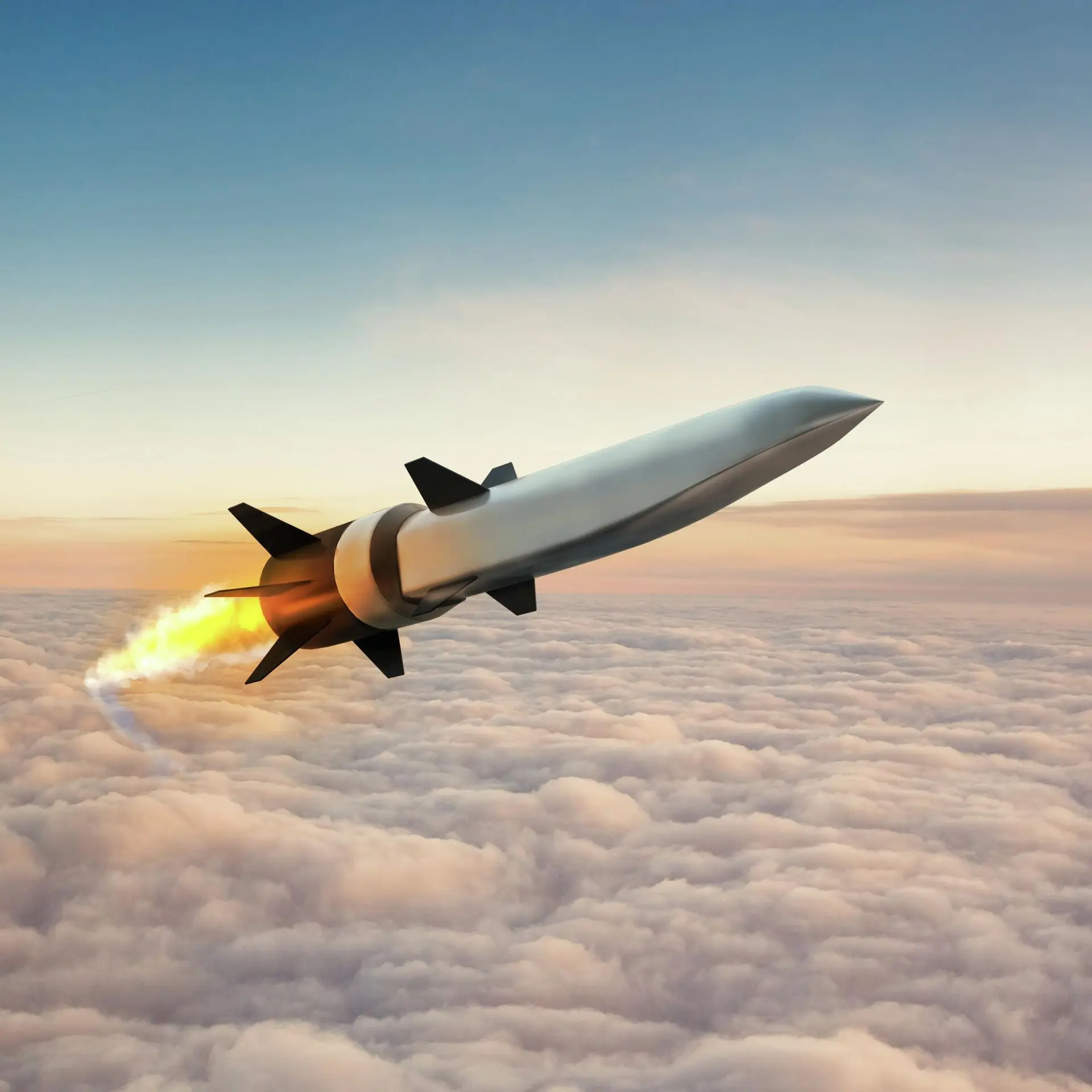
Hypersonic missiles have become one of the most debated defence technologies in the world. They travel at speeds greater than five times the speed of sound and can manoeuvre mid-flight, making them difficult to detect or intercept. As global powers expand their arsenals, hypersonic weapons are emerging as the next major shift in military strategy and deterrence.
What makes a missile hypersonic
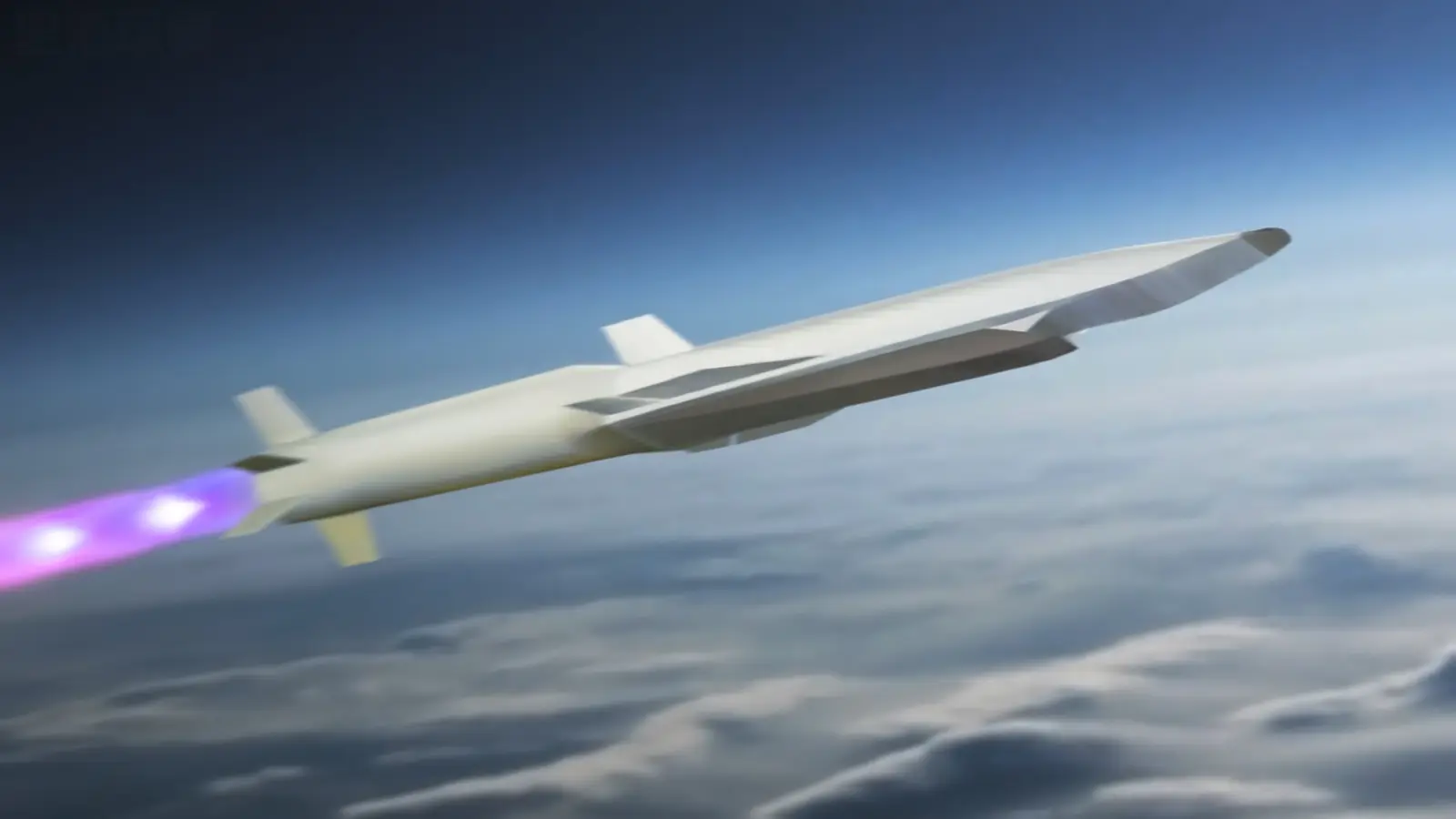
A missile is considered hypersonic when it travels at Mach 5 or faster, which is more than 6,100 km/h. At these speeds, atmospheric friction generates extreme heat, meaning the weapon must use specialised materials and guidance systems capable of performing under intense pressure. Hypersonic missiles are structured to strike before most defence networks can track, process and intercept them. When defence analysts and governments discuss hypersonic weapons, they usually mean a very specific class of modern systems.
Two distinct types of hypersonic weapons
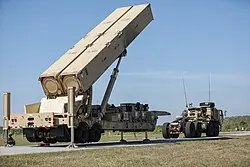
Current systems fall into two primary categories. Hypersonic Glide Vehicles (HGVs) are carried into the upper atmosphere by rockets, after which they detach and glide towards their targets at hypersonic speeds while executing lateral manoeuvres. Hypersonic Cruise Missiles (HCMs) use scramjet propulsion to sustain hypersonic flight within the atmosphere. Both types are designed to shorten reaction time and make interception significantly more difficult.
Why hypersonic missiles are strategically important
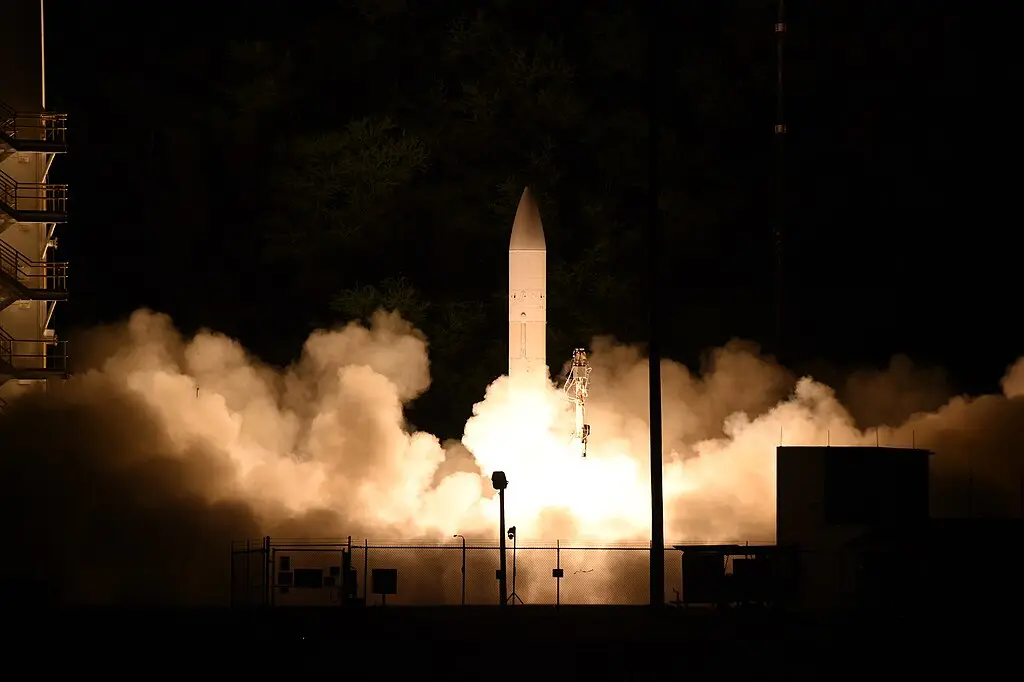
The growing focus on hypersonic technology is driven by two capabilities: speed and manoeuvrability. Unlike ballistic missiles travelling predictable parabolic paths, hypersonic missiles can change trajectory mid-course and fly at lower altitudes, remaining hidden from radar until very late in flight. As a result, they are seen as tools for overcoming layered air-defence systems and reinforcing second-strike credibility.
Which countries already have hypersonic weapons
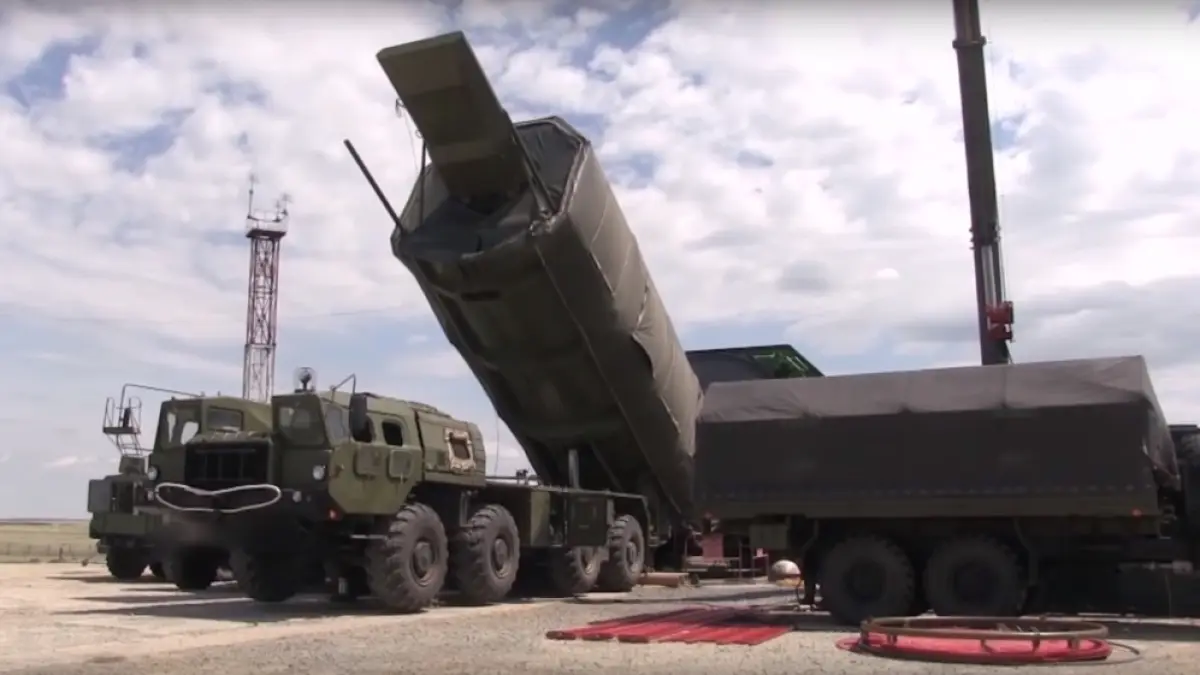
Russia was the first to declare military deployment of hypersonic weapons, including the Avangard HGV and the Kinzhal air-launched hypersonic missile. China followed with the DF-ZF glide vehicle and continuing development of air- and sea-launched systems. The United States has multiple hypersonic projects under advanced testing, including the Long-Range Hypersonic Weapon and the Hypersonic Attack Cruise Missile.
India’s progress and latest developments
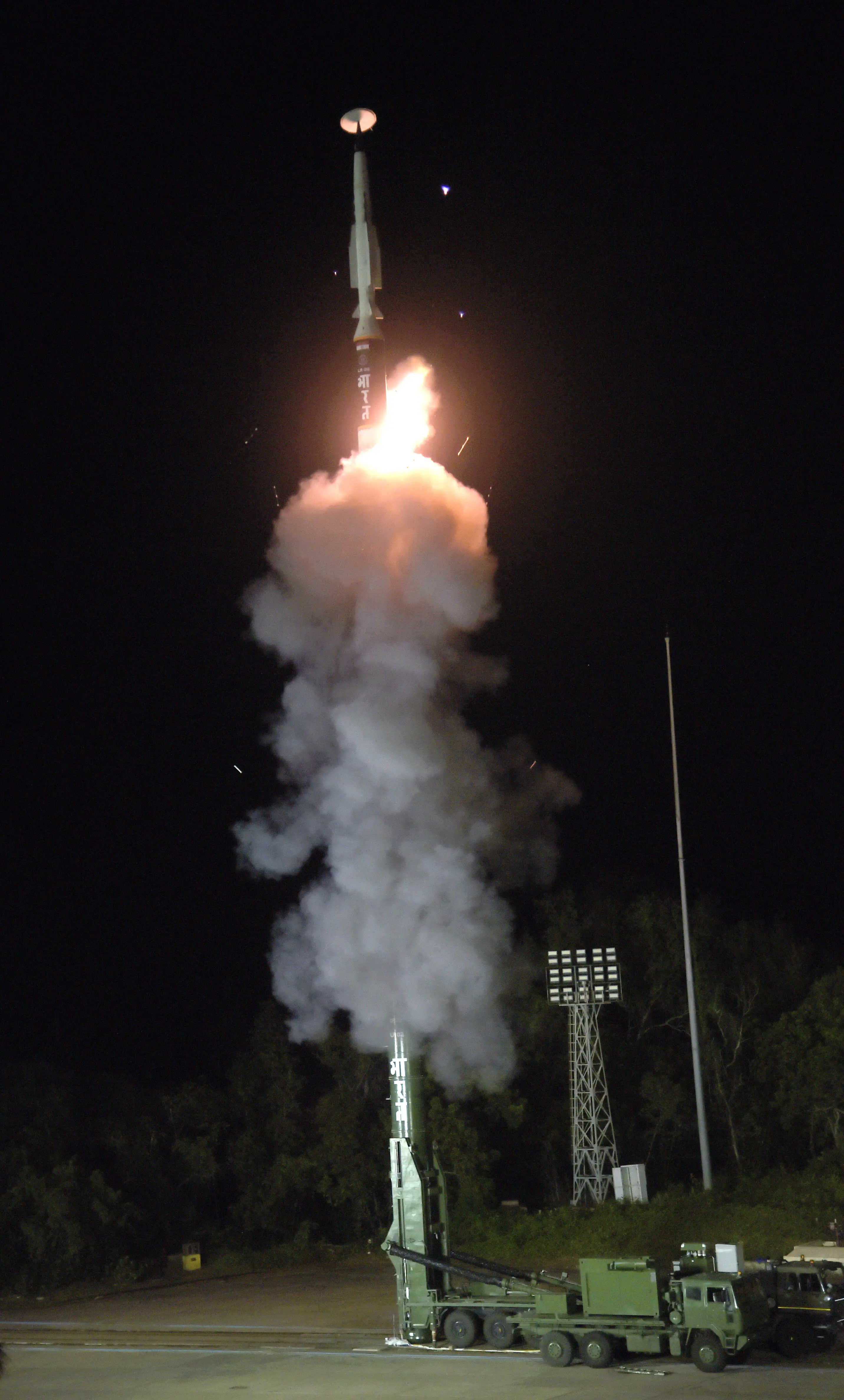
India does have missiles that reach hypersonic speeds, but they are not officially categorised as ‘hypersonic weapons’ in the modern sense. However, it has moved decisively into hypersonic capability. The Hypersonic Technology Demonstrator Vehicle (HSTDV) proved hypersonic scramjet propulsion in 2020, establishing the foundation for future systems. The most significant milestone came with the successful flight trial of India’s first long-range hypersonic missile, confirmed by the Government of India in November 2024. The trial validated extended-range hypersonic flight, complex terminal manoeuvres and high-accuracy impact performance. Continued trials and integration work in 2025 have placed India alongside the small group of nations advancing operational hypersonic technology.
The global implications of hypersonic weapons
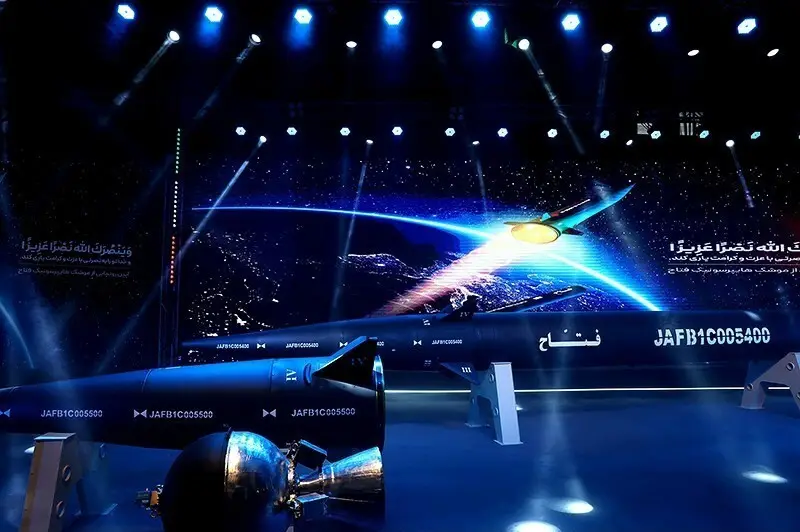
Hypersonic missiles are reshaping military planning and arms-control debates. Their ability to bypass existing missile-defence infrastructures raises questions about strategic stability, escalation risk and deterrence. With more nations accelerating research, defence planners now consider hypersonic strike capability to be a defining feature of 21st-century warfare, one likely to set the tone for future military competition and diplomatic negotiations.
Countries developing or testing hypersonic prototypes
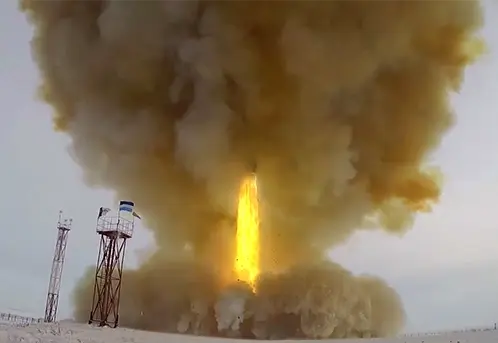
Japan, Australia and France are investing in hypersonic research independently and through strategic partnerships. Several other nations, even those with advanced missile industries, remain unable to overcome propulsion, materials and guidance challenges.
)
)
)
)
)