'Missiles, mountains and proxies’: Why Iran is considered one of the most complex military targets

Iran is considered a complex military target due to its mountainous geography and deep underground "missile cities." Its defence relies on a vast proxy network, a vast missile arsenal, and the ability to block the critical Strait of Hormuz oil route.
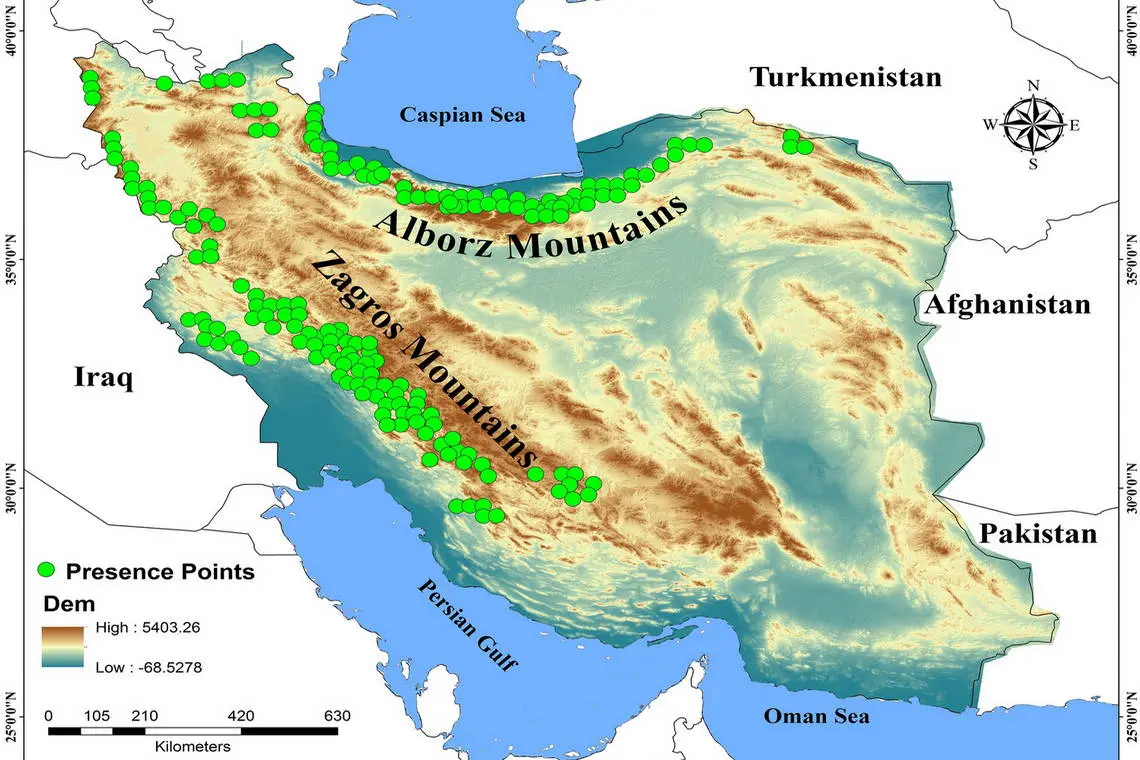
Mountain fortress, the: the Zagros and Alborz ranges
Iran is surrounded by the Zagros and Alborz mountain ranges, which act as massive natural walls. This rugged terrain limits land invasion routes to a few narrow passes that are easy to defend, making a ground assault a logistical nightmare for any attacking force.
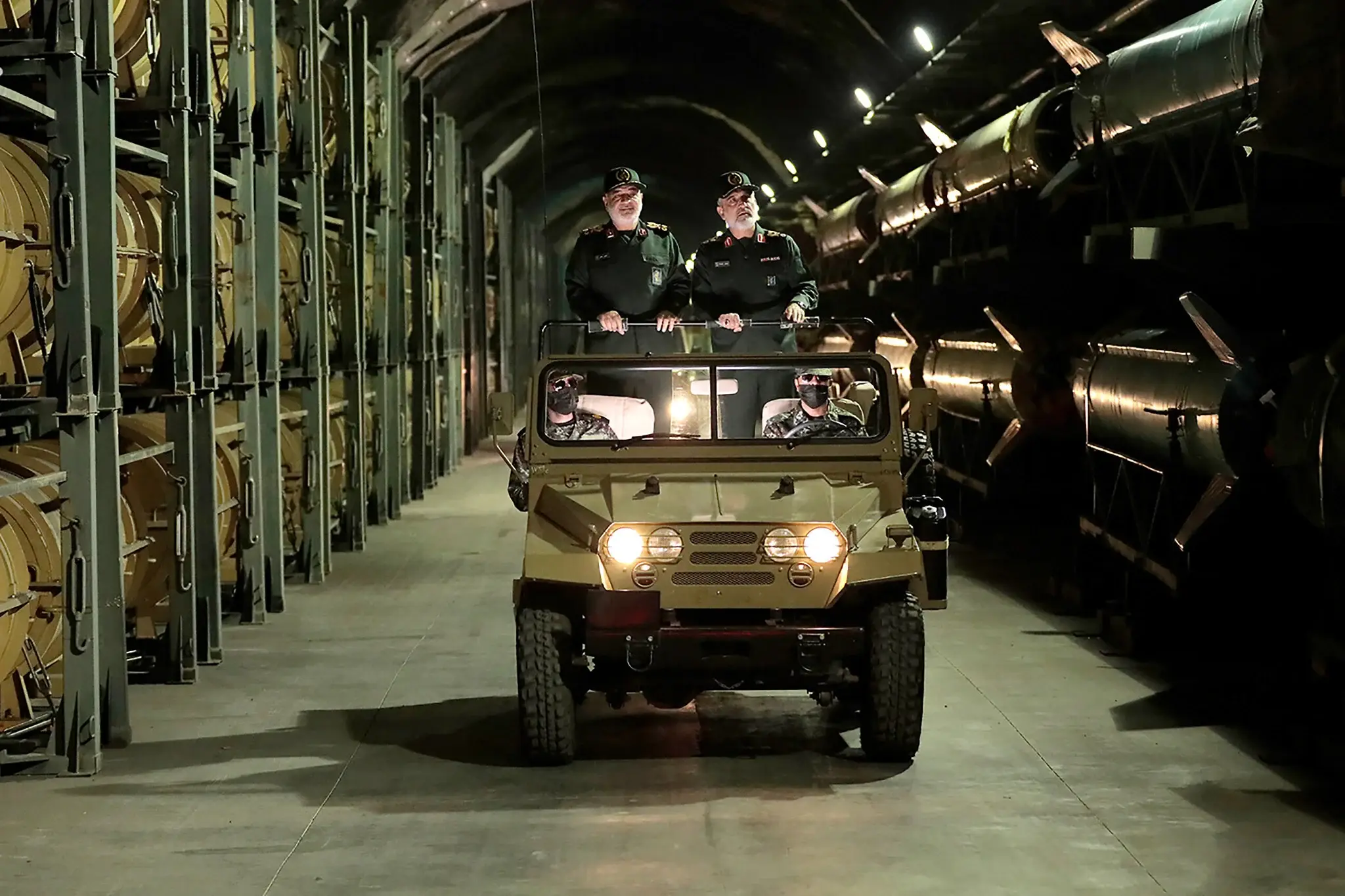
Deep underground ‘missile cities’
The Islamic Revolutionary Guard Corps (IRGC) has built extensive "missile cities" deep underground to survive airstrikes. State media has showcased depots buried up to 500 metres beneath mountains, protecting thousands of ballistic missiles from conventional bombardment.
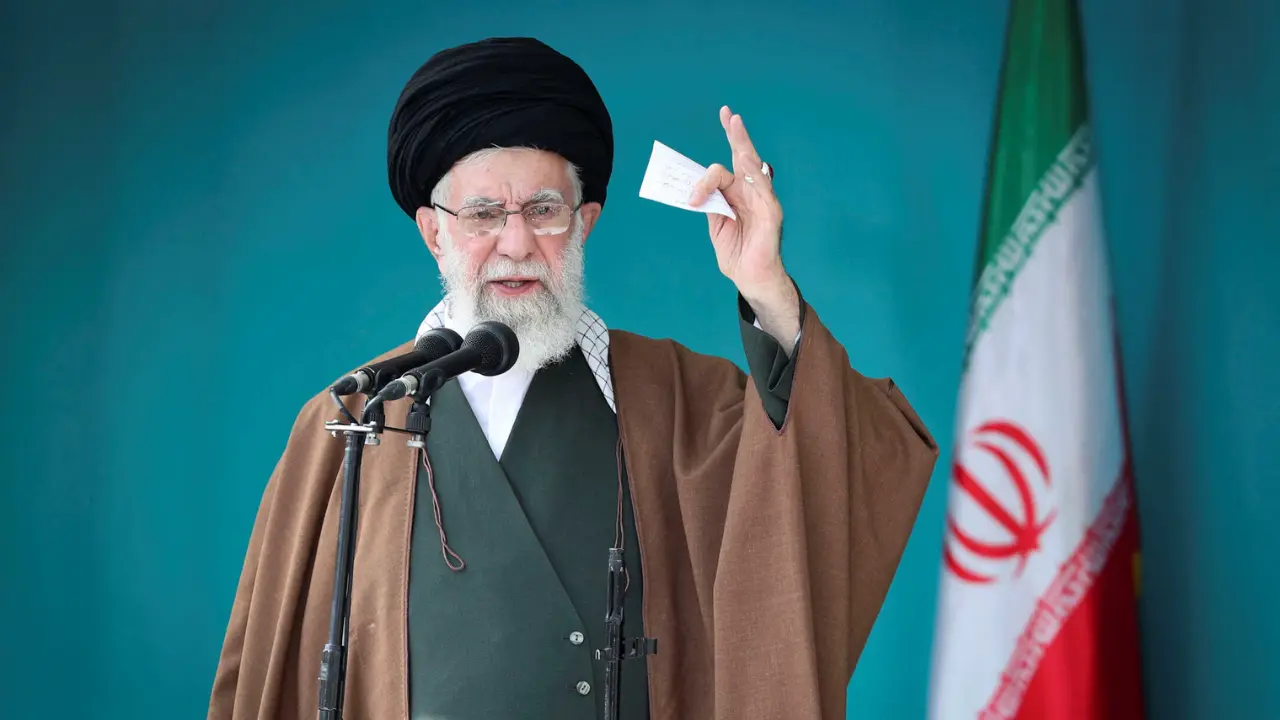
Iran’s defence strategy
Iran’s defence strategy relies heavily on its network of proxy forces across the Middle East. By funding and arming groups in Lebanon, Iraq, Syria, and Yemen, Tehran.
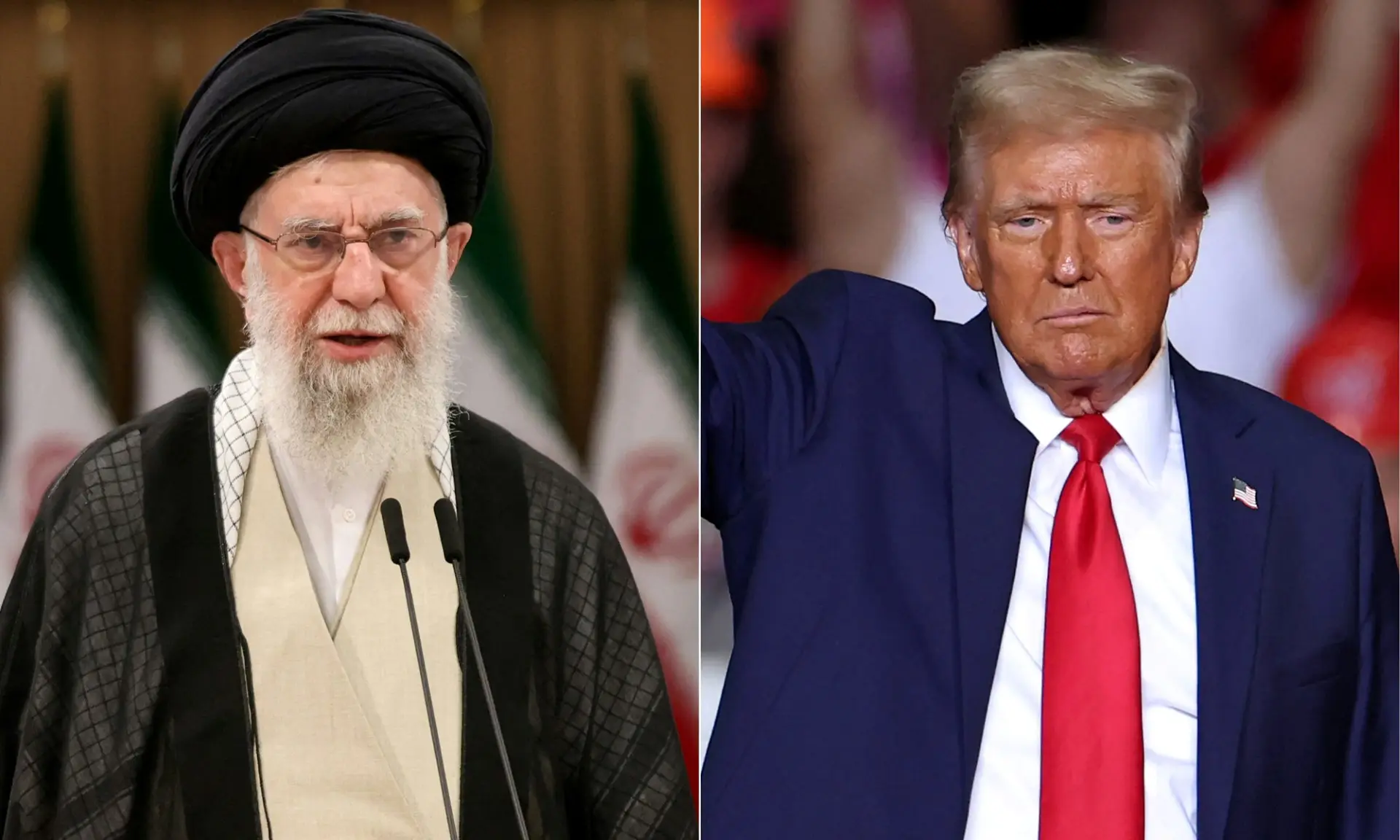
Largest missile arsenal in the region
According to US Central Command, Iran possesses the largest inventory of ballistic missiles in the Middle East. This arsenal includes precision-guided weapons capable of hitting bases and cities up to 2,000 kilometres away, providing a potent deterrent against attack.
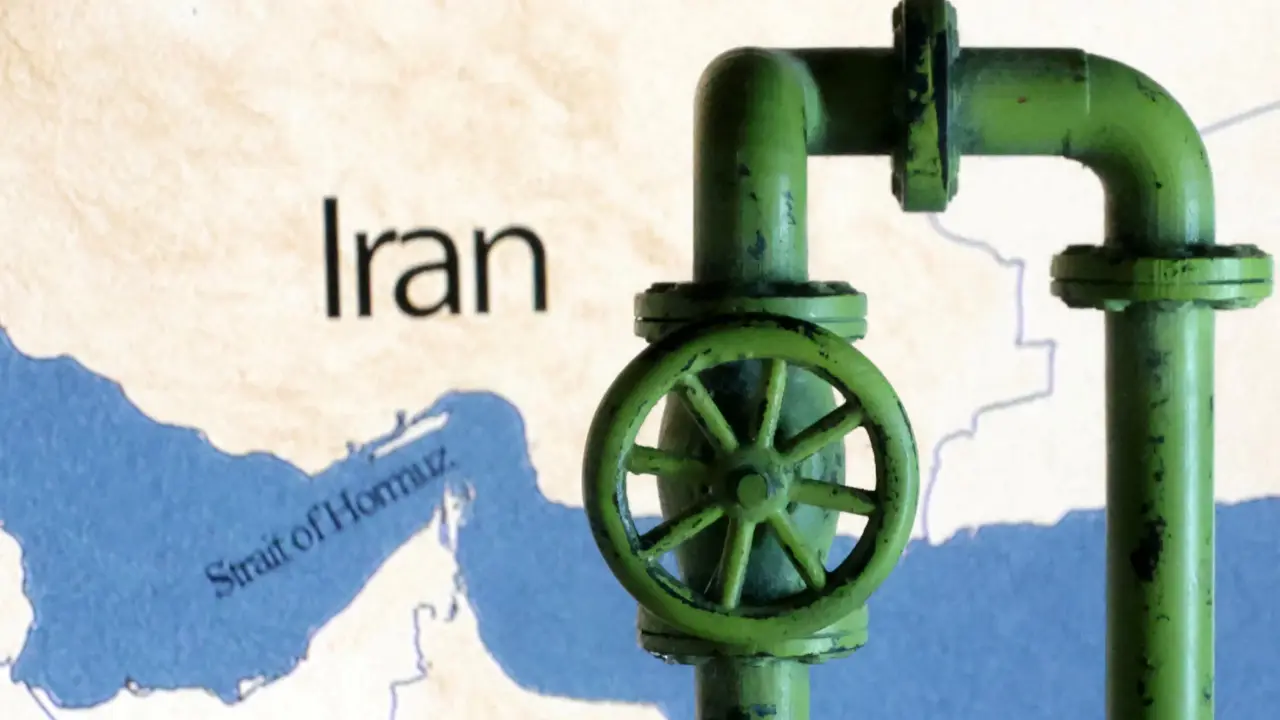
The Strait of Hormuz chokepoint Threatening global oil supply
Iran controls the northern coast of the Strait of Hormuz, through which 20 per cent of the world's oil passes. In a conflict, Tehran could mine the narrow waterway or use anti-ship missiles to block traffic, causing an immediate global economic crisis.
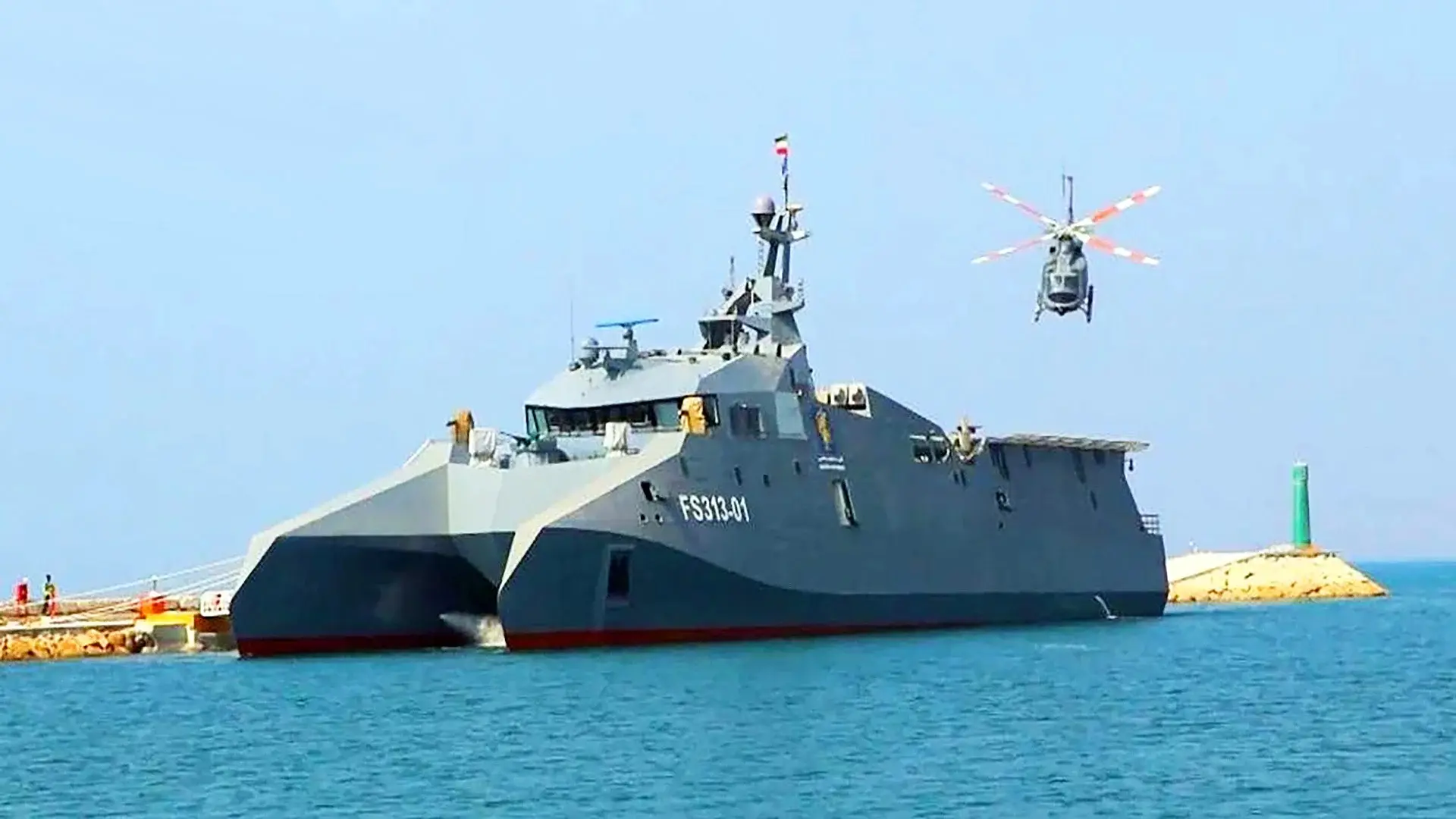
Asymmetric naval tactics: Swarm attacks at sea
Instead of matching big navies ship-for-ship, Iran uses swarms of small, fast attack boats armed with missiles and torpedoes. This asymmetric tactic is designed to overwhelm the defences of larger, more expensive enemy warships in the confined waters of the Gulf.
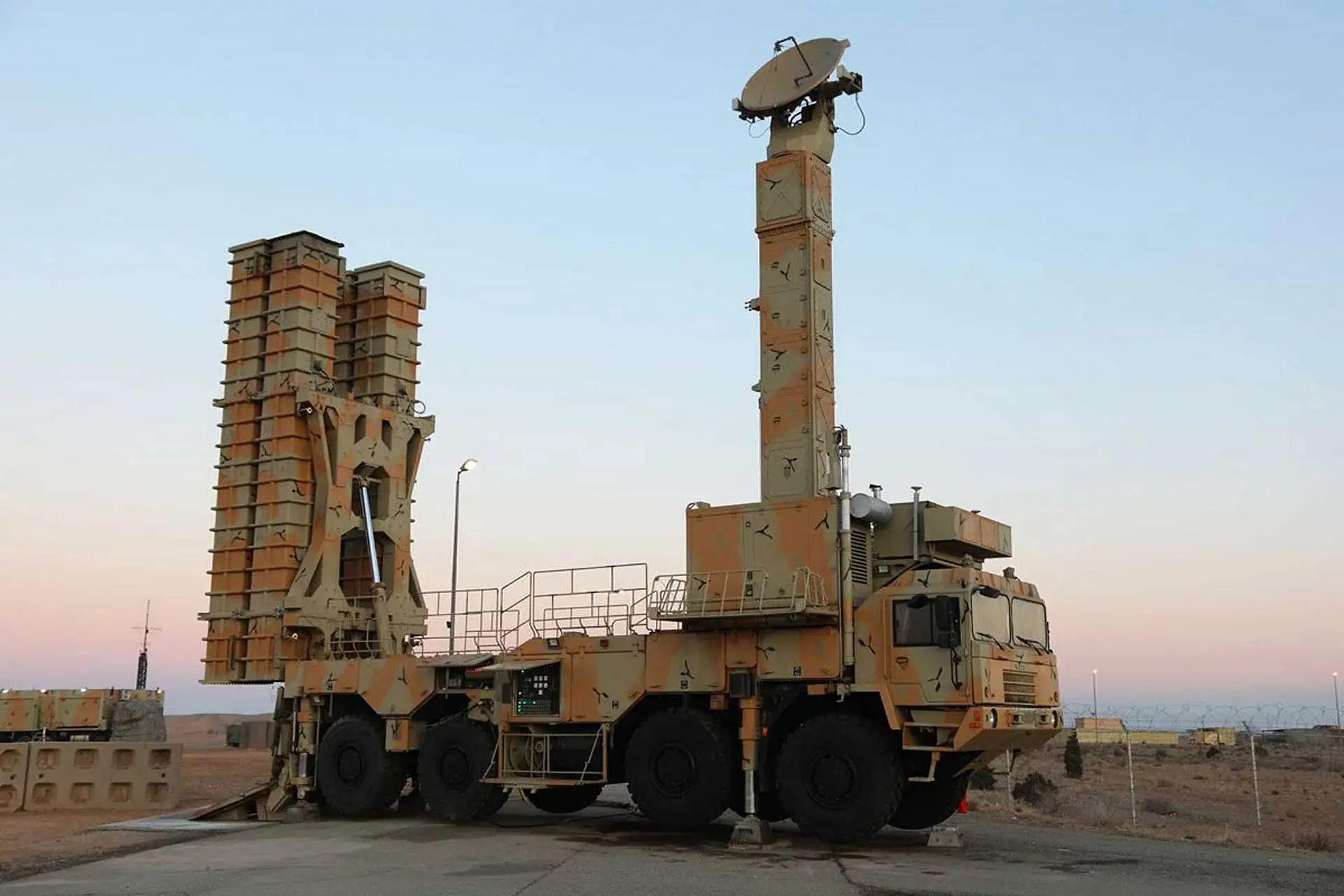
Air defence systems
Iran operates a complex air defence network combining S-300 systems with domestic versions like the Bavar-373. This layered approach creates dangerous "bubbles" of airspace that are difficult for enemy aircraft to penetrate without taking significant losses.
)
)
)
)
)