'Midnight hammer trap': Is Israel forcing US into a war with Iran?

As President Donald Trump’s 10-day ultimatum to Tehran ticks down toward early March 2026, the United States is currently executing one of its largest military buildups in the Middle East in decades.
1. The Precedent of June 2025
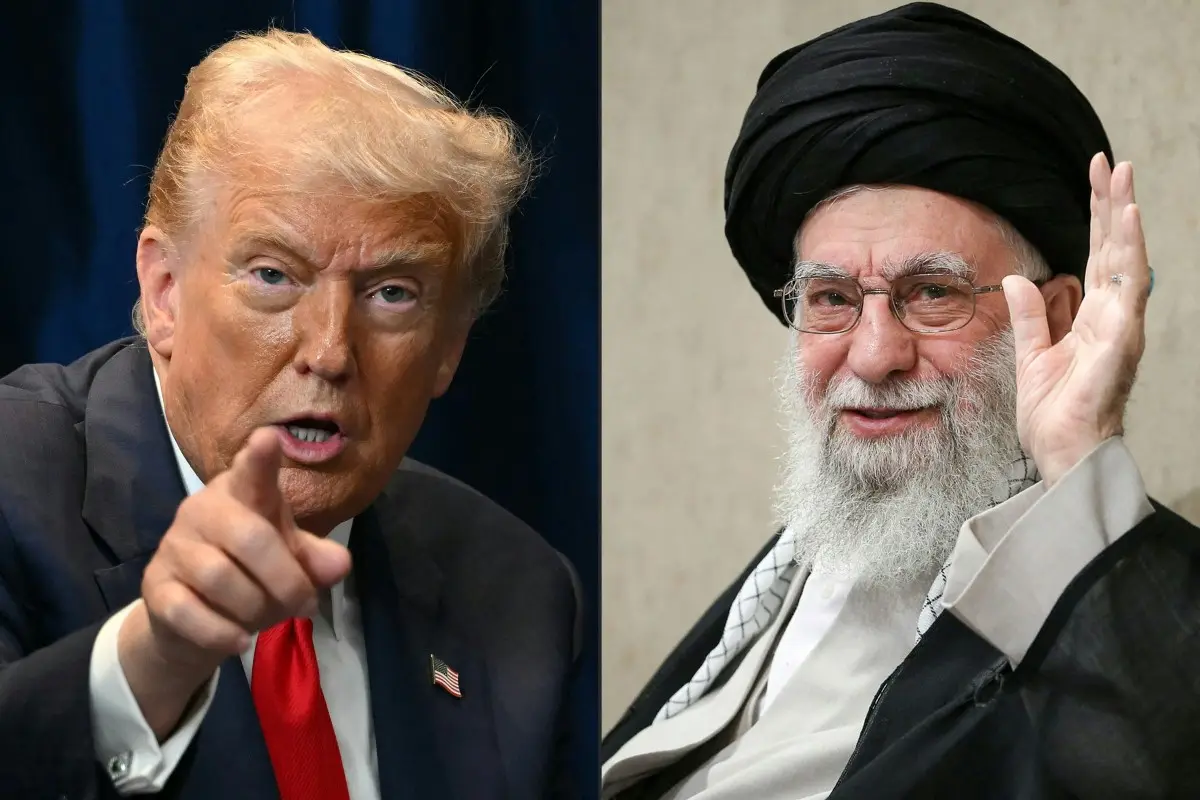
To understand the current crisis, you have to look back at the "Twelve-Day War" of June 2025. That conflict saw coordinated, devastating strikes against the Islamic Republic. Israel launched Operation Rising Lion, systematically dismantling Iranian air defenses and assassinating key figures. Simultaneously, the U.S. launched Operation Midnight Hammer, sending B-2 stealth bombers to strike deeply buried nuclear enrichment facilities at Fordow and Natanz. While touted as a victory, the strikes degraded, but did not completely destroy, Iran's nuclear and ballistic missile capabilities.
2. The Limits of Israeli Hardware
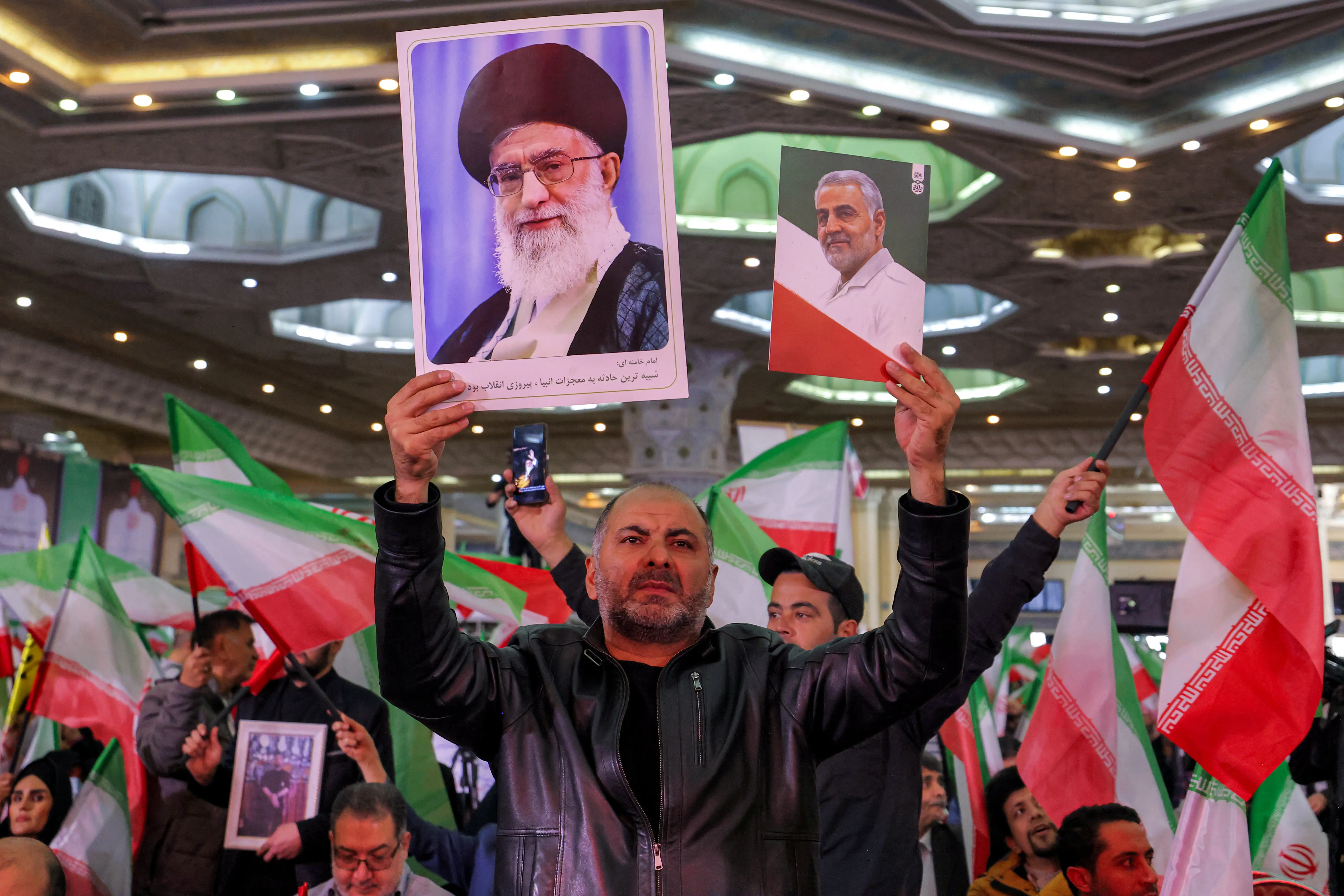
The core of the "trap" theory lies in physical military limitations. Israel possesses a highly advanced air force and exceptional intelligence networks, but it fundamentally lacks the heavy ordnance required to finish the job in Iran. The deeply buried nuclear halls at Fordow, or the heavily fortified subterranean ballistic missile factories at Parchin and Shahroud, are impervious to standard munitions. They require the American GBU-57 Massive Ordnance Penetrator (MOP), a 30,000-pound bunker-buster that can only be dropped by U.S. B-2 Spirit bombers.
3. Deliberate Escalation
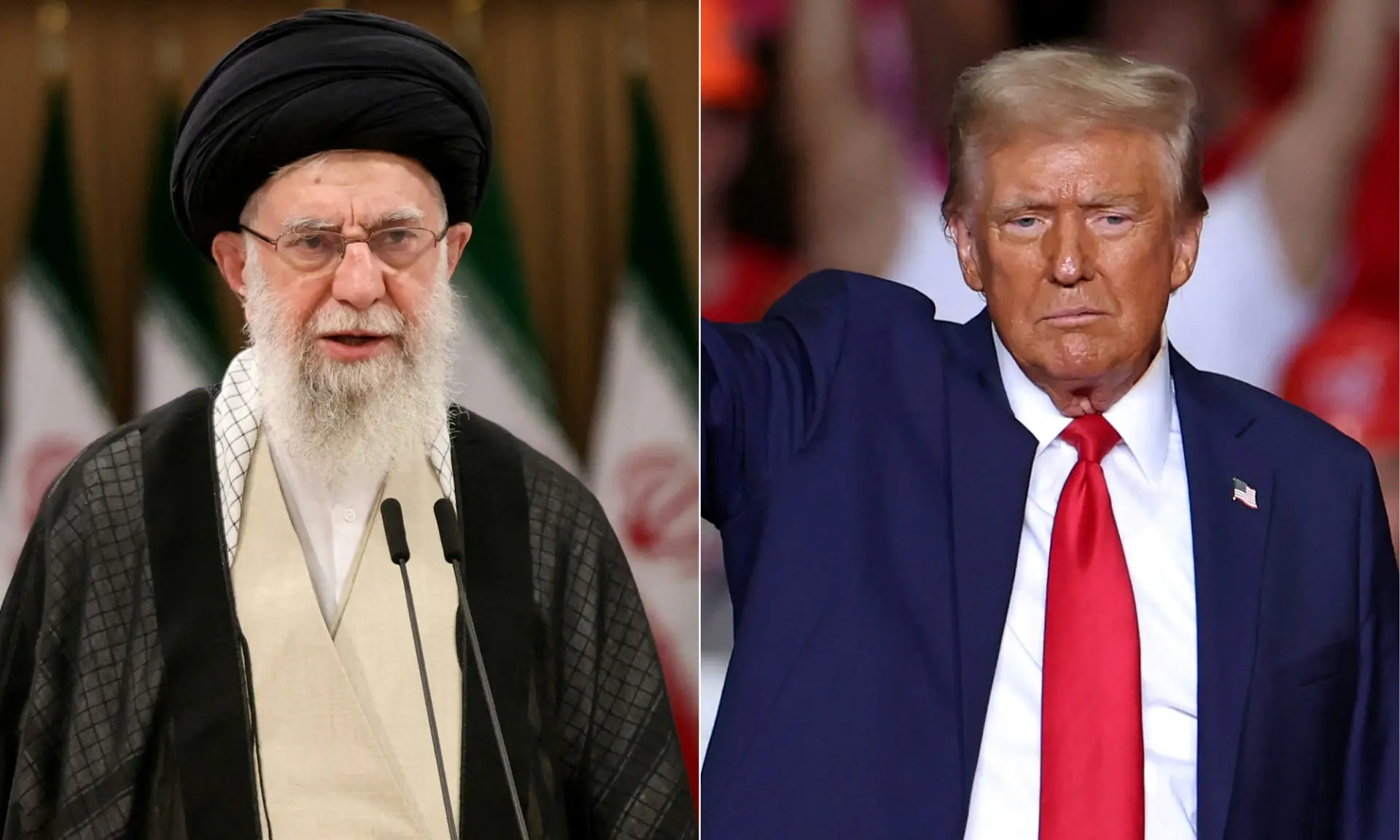
Defense analysts and arms control experts argue that Israeli Prime Minister Benjamin Netanyahu understands these hardware limitations perfectly. The theory suggests that Israel deliberately initiates kinetic conflicts with Iran, or aggressively escalates the threat landscape, knowing full well it cannot unilaterally destroy the deepest targets. By starting the fire, Israel effectively forces the United States to step in with its heavy bombers to finish it, ensuring American entanglement.
4. Expanding the "Red Lines"
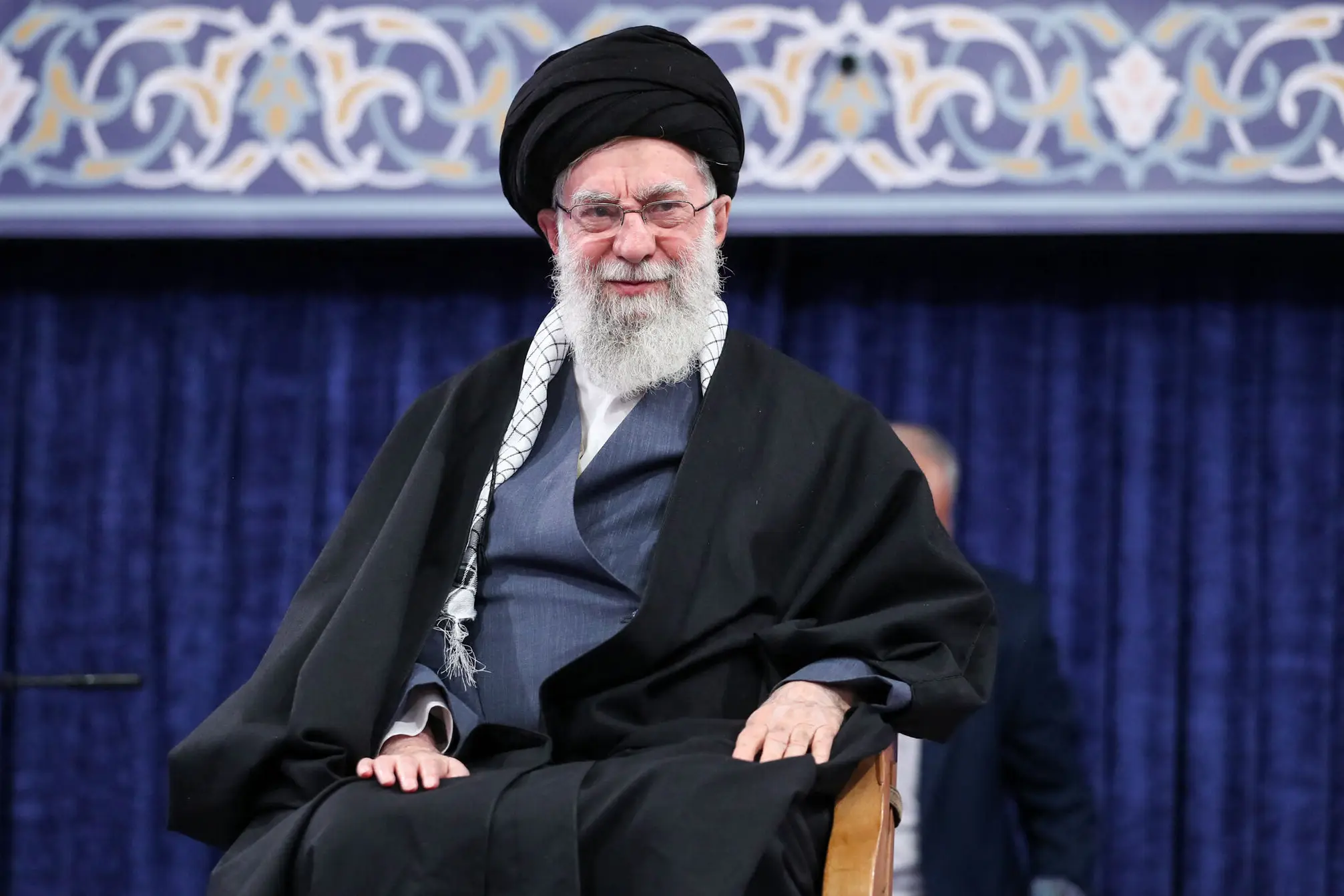
Right now, the US is engaged in tense negotiations with Iran in Geneva, primarily focused on achieving "zero uranium enrichment." However, Netanyahu has publicly broadened Israel’s red lines. He is actively pressuring the Trump administration to not only target nuclear sites but to completely destroy Iran's ballistic missile production infrastructure. By formally requesting that the US strike sites like Parchin, Israel is attempting to tether American military might to its own expansive regional security goals.
5. The Regional Backlash
This dynamic is causing severe friction with traditional US allies in the Gulf. Nations like Saudi Arabia, Qatar, and the UAE are currently lobbying Washington heavily against a military strike. The geopolitical calculus has flipped: with Iran severely weakened by the June 2025 war, Gulf states now view an unpredictable, expansionist Israel as the more immediate threat to regional stability. They fear that a US campaign to utterly defang Iran will remove the only counterbalance in the region, leaving Israel totally emboldened.
6. The 2026 Deployment Pattern
Military watchers are experiencing a chilling sense of déjà vu. The recent, highly publicised transatlantic transit of U.S. F-22 Raptors to the Middle East exactly mirrors the deployment pattern seen just four days before the US launched Operation Midnight Hammer last June. The F-22s are there to blind Iranian radar, clearing a safe corridor for the heavy bombers. For Israel, this is exactly what they want to see.
7. The Diplomatic Bluff vs. Kinetic Reality
The ultimate question heading into March is whether Trump is fully aware of this dynamic. The White House insists that diplomacy remains the first option, utilising the massive military buildup and the memory of Midnight Hammer as maximum leverage to force Iranian concessions in Geneva. However, if Iran calls the bluff, Trump will be forced to choose between backing down and looking weak, or authorizing a massive bombing campaign that serves Israeli strategic interests far more than American ones.
)
)
)
)
)