'Metal Wars': How the USS Abraham Lincoln stops aluminum and steel from eating each other

The USS Abraham Lincoln uses dielectric barriers, explosive bimetallic joints, and electrical currents to stop saltwater from chemically corroding its steel and aluminium structures.
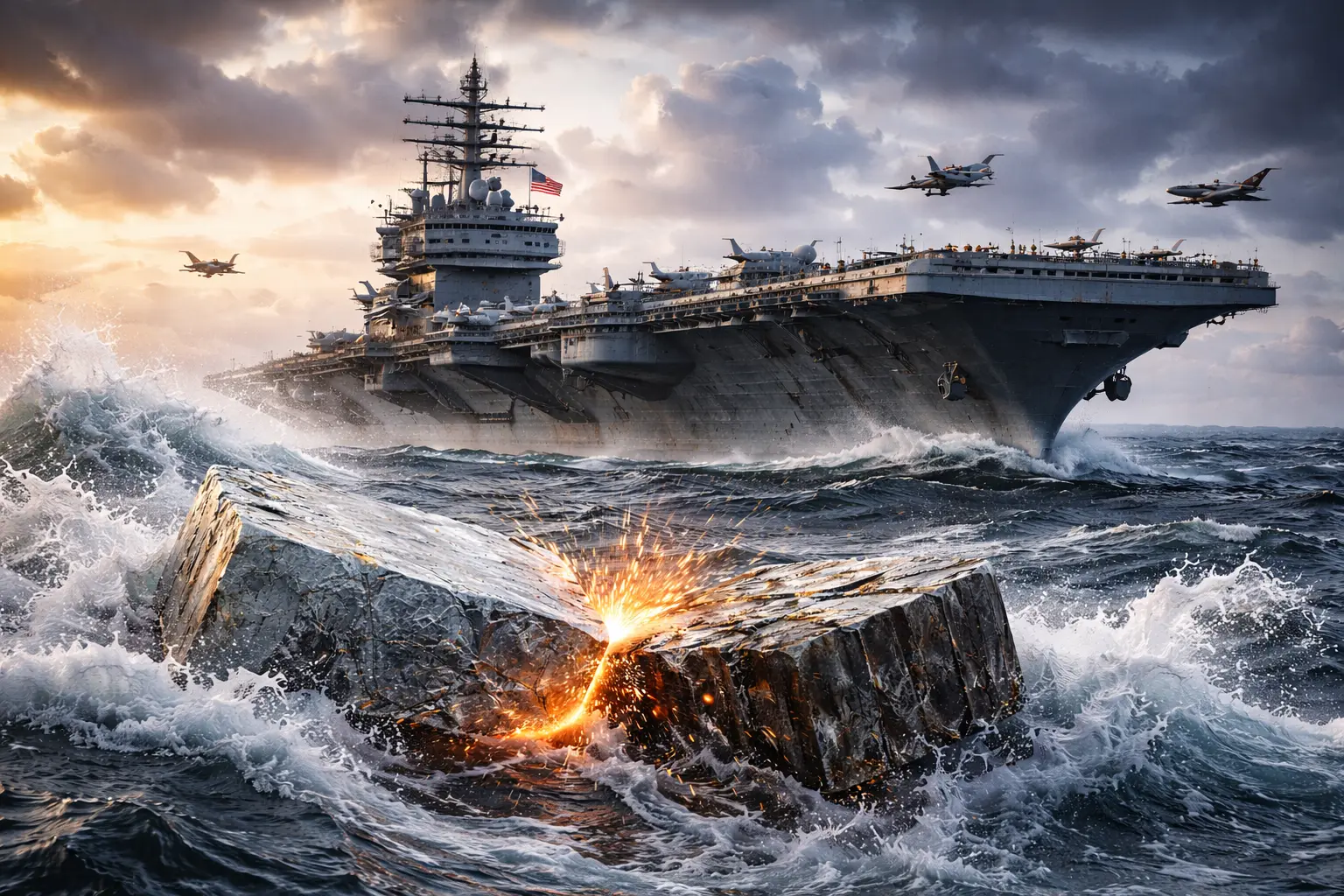
100,000 Tonnes Of Metal
The USS Abraham Lincoln uses high-strength steel for its main frame and lightweight aluminium for specific upper mast components. This metal mixture reduces topside weight but introduces a serious chemical vulnerability. The saltwater environment threatens to aggressively destroy these connection points.
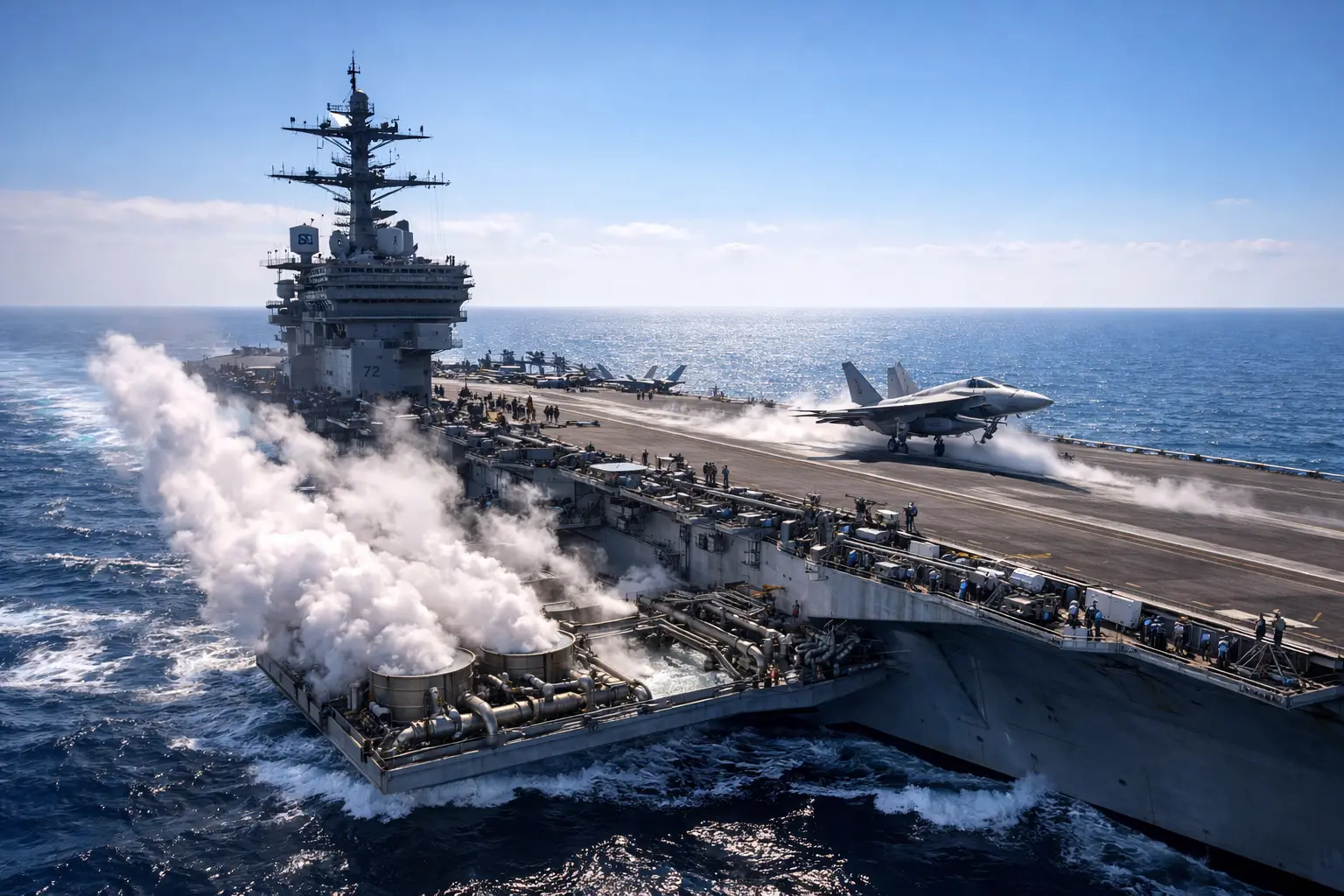
0.3 Volt Chemical Reaction
When aluminium directly touches steel in the ocean, the two dissimilar metals create a natural battery. The aluminium acts as an anode and loses its electrons to the heavier steel structure. This chemical reaction causes the lighter aluminium to rapidly dissolve and weaken.
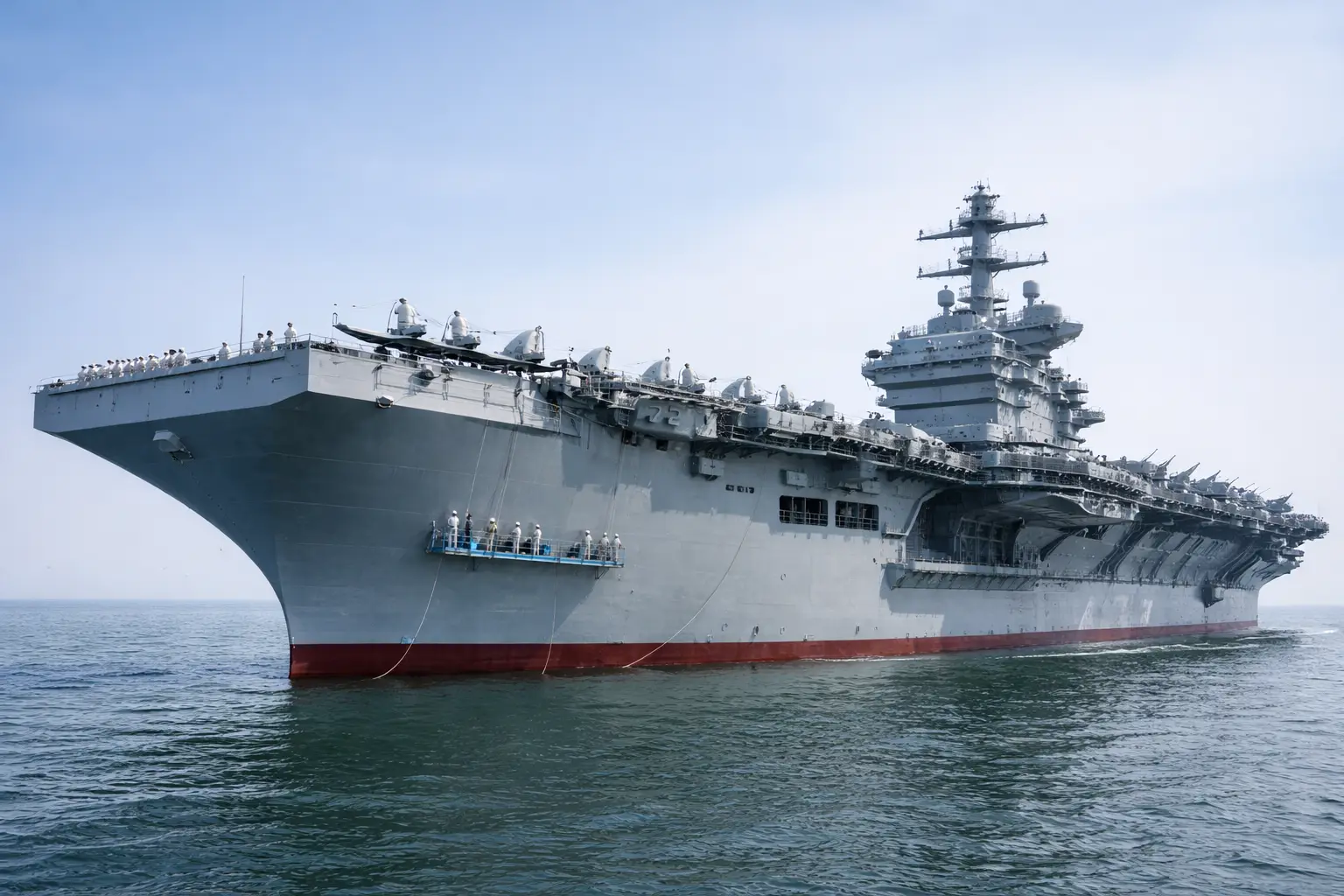
1 Conductive Electrolyte
Seawater heavily accelerates this metal degradation process because salt acts as a highly conductive electrolyte. The ocean water speeds up the electron transfer between the ship's steel and aluminium parts. Without protective measures, constant salt spray would destroy the structural joints within months.
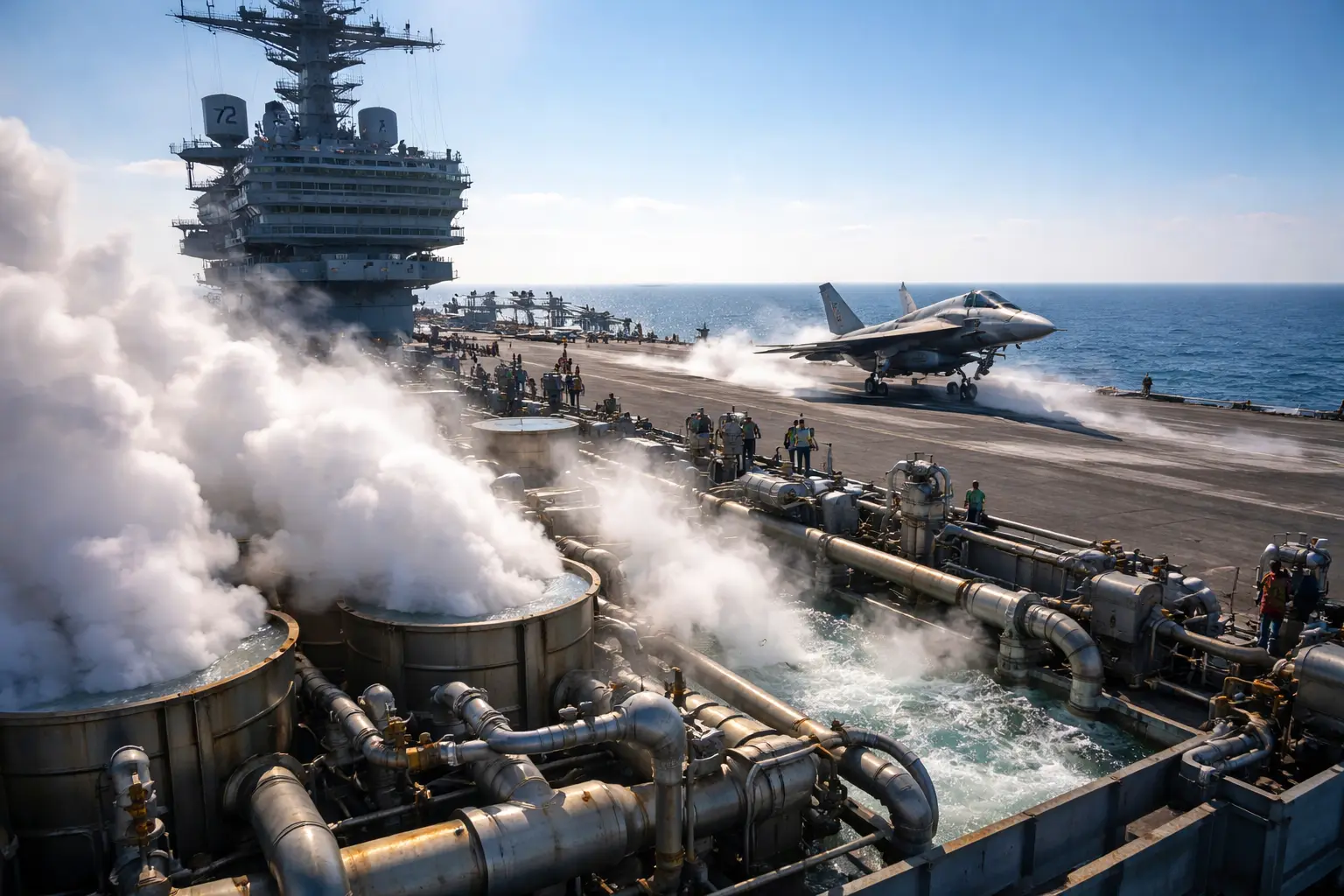
100 Per Cent Separation
Engineers halt this decay by installing non-conductive dielectric barriers between the incompatible metals. They place specialised rubber gaskets, industrial sealants, and thick protective epoxy paints at the connection points. This physical separation cuts off the electrical circuit required for galvanic corrosion.
1 Explosive Welding Method
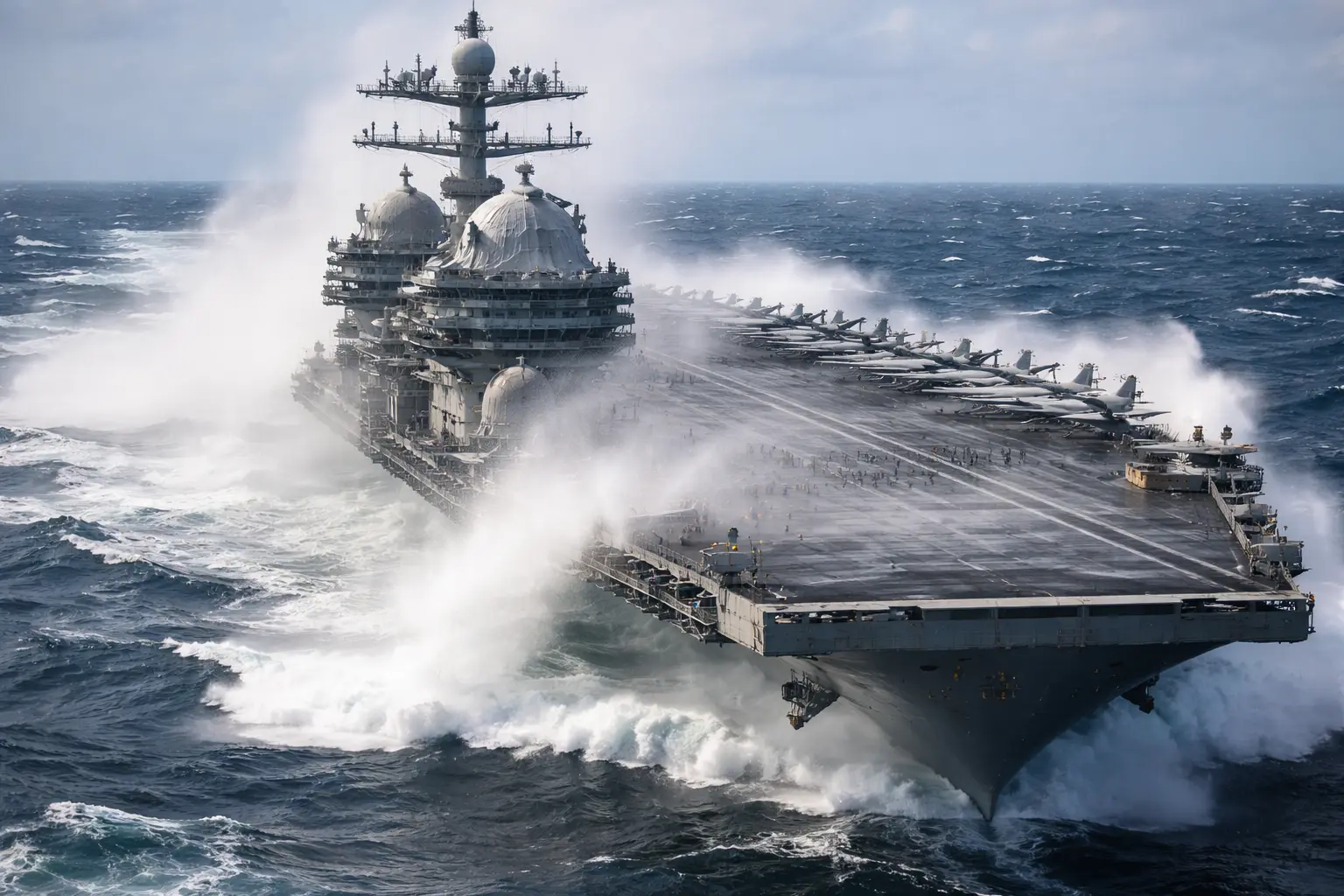
Shipbuilders also utilise bimetallic transition joints to safely connect the carrier's different structural sections. Through an intense explosive bonding process, steel and aluminium plates are permanently fused at a molecular level. This creates a solid, corrosion-resistant block that safely bridges the gap.
24/7 Electrical Defence
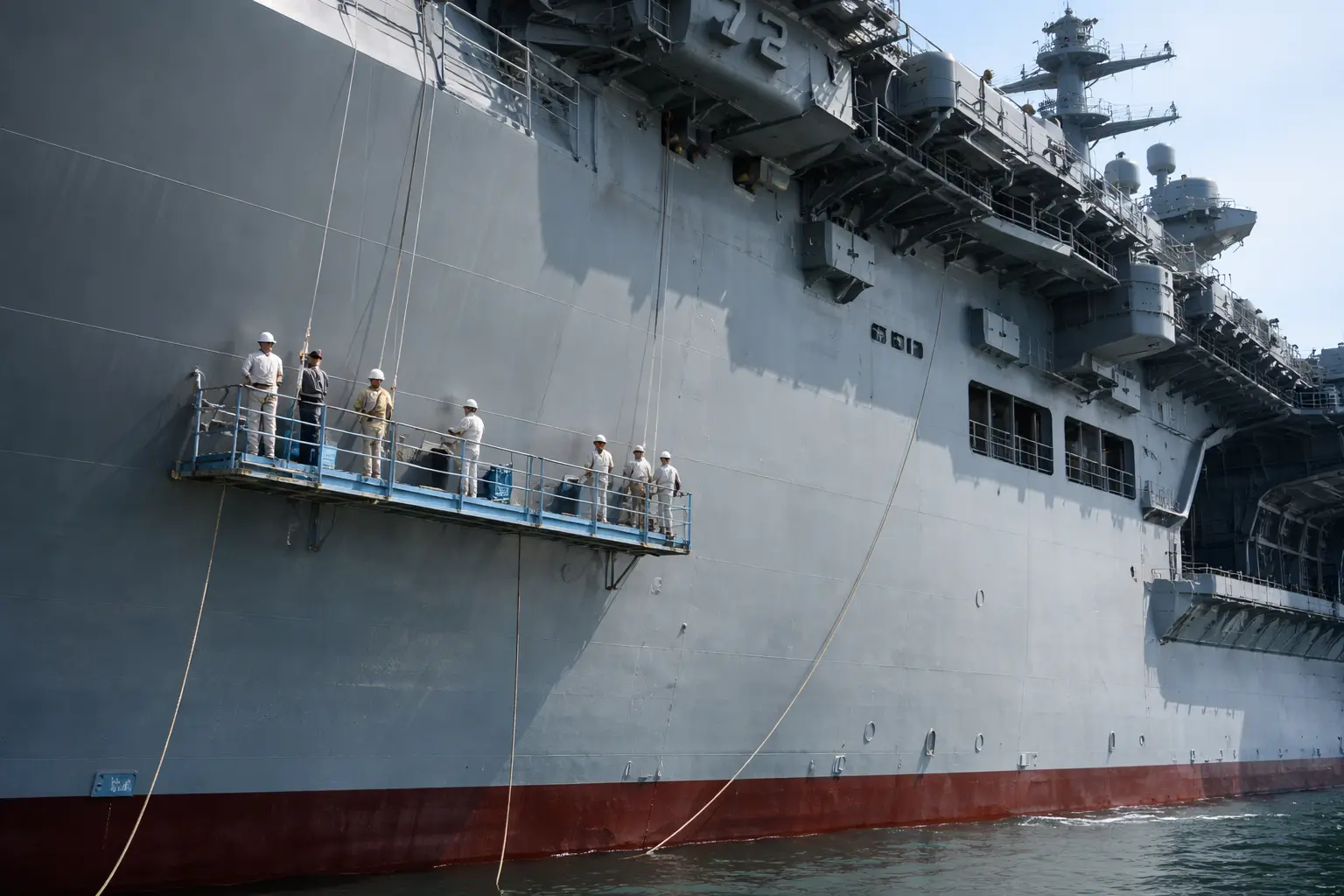
The modern supercarrier operates an Impressed Current Cathodic Protection system to neutralise harmful electrochemical reactions. This internal network continuously pumps a controlled, low-voltage direct current through the hull. The active electrical supply protects the massive warship throughout its 50-year operational lifespan.
100s Of Zinc Blocks
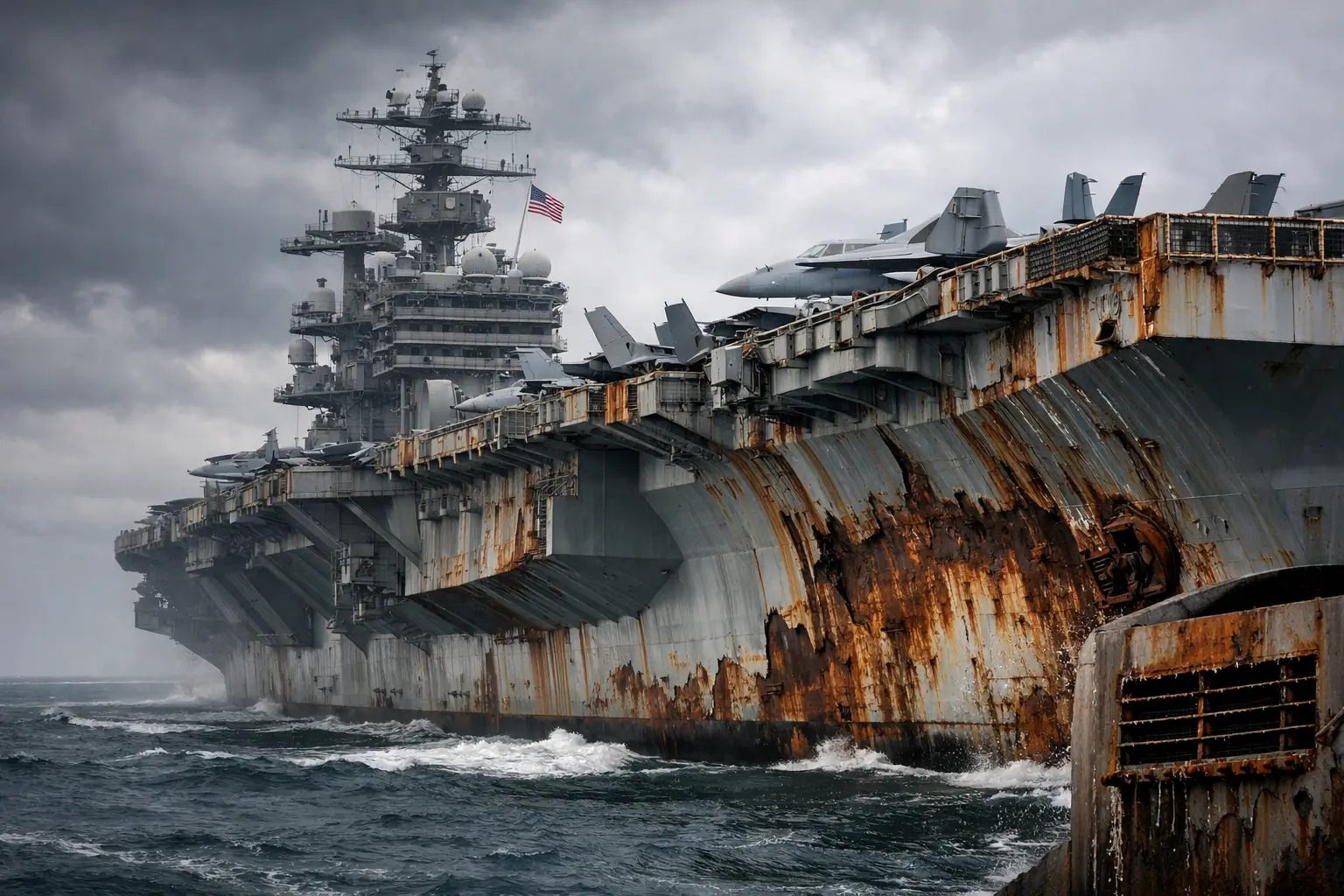
The Navy deploys a secondary cathodic protection method that relies heavily on sacrificial anodes. Solid blocks of highly active metals, primarily zinc, are bolted directly to the underwater hull structure. The corrosive seawater attacks these replaceable zinc blocks first, sparing the carrier's critical metals.
)
)
)
)
)