'Medical nightmare': What the Stryker cyberattack means for millions of patients globally

A cyberattack by Iran-linked hackers on medical giant Stryker wiped 200,000 devices. The breach has crippled global supply chains and halted electronic equipment orders for hospitals worldwide.

200,000 systems wiped out
A destructive cyberattack hit US medical device maker Stryker, erasing data across its corporate networks. Iran-linked hackers claimed to have wiped more than 200,000 mobile devices, servers, and laptops globally using a remote management tool.

$25 billion medical giant
The targeted corporation is a major supplier of healthcare equipment, reporting $25 billion in revenue last year. The sudden IT outage disrupted the production and distribution of surgical instruments, orthopaedic implants, and hospital beds.

50 terabytes data stolen
Hacktivist group Handala took responsibility for the breach, leaving their logo on employee login screens. The attackers claimed to have extracted 50 terabytes of corporate data before permanently destroying the internal networks.

56,000 employees taken offline
The sweeping cyberattack brought the company's global workforce of 56,000 people to a sudden halt. Employees across 61 countries were locked out of their accounts, forcing communication through external apps and stopping regular operations.
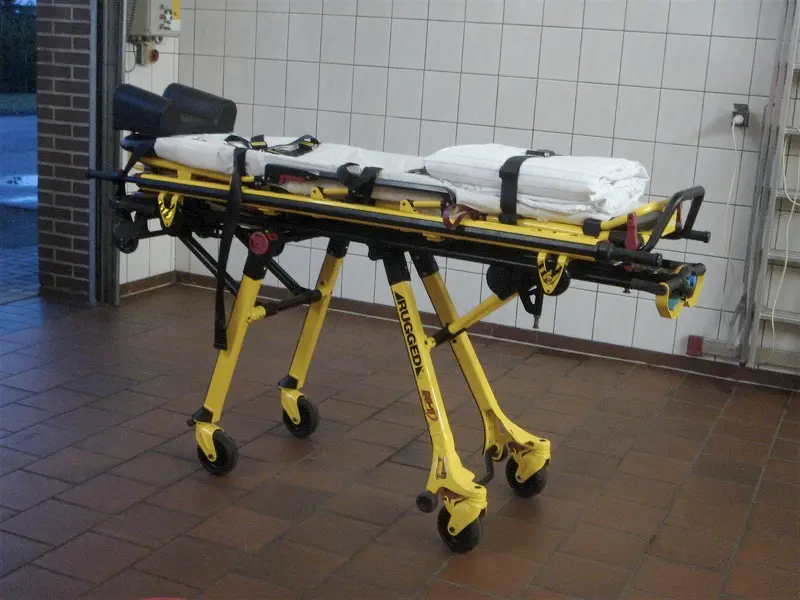
Electronic ordering systems down
The network disruption completely disabled the company's automated electronic ordering platforms. Hospitals worldwide are currently unable to place new digital requests for vital medical supplies, raising concerns about potential equipment shortages.
5,000 workers sent home
Manufacturing facilities faced immediate shutdowns as the wiper malware spread through the corporate infrastructure. At the company's largest international hub in Cork, Ireland, approximately 5,000 employees were instructed to leave the premises.

Existing devices remain safe
Despite the severe corporate network breach, the company confirmed that existing medical equipment is completely secure. Advanced robotic surgery systems and emergency defibrillators remain fully operational and entirely safe for immediate patient use.
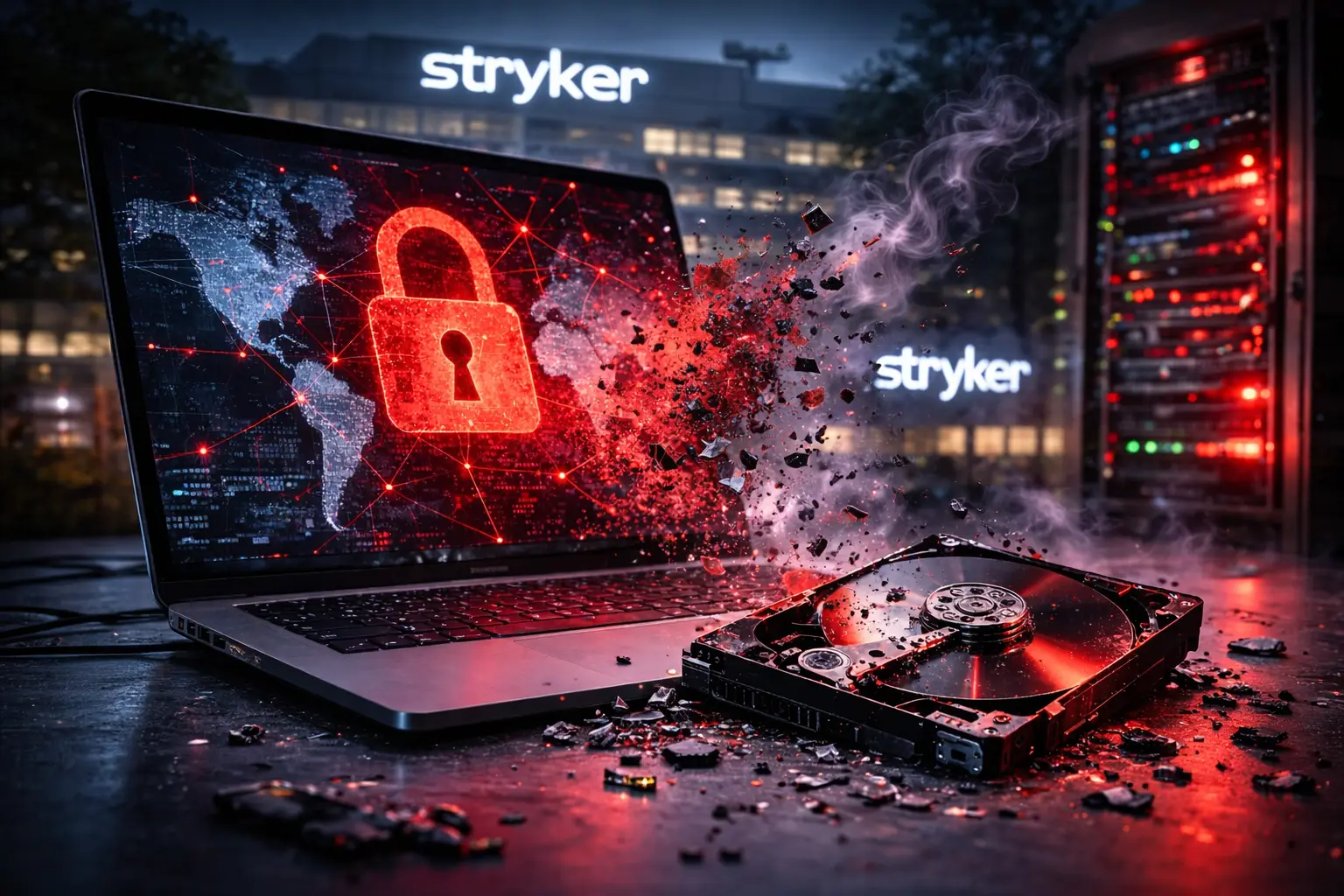
Global supply chain delays
With automated systems crippled, the distribution of custom surgical tools and implants faces massive bottlenecks. Medical shipments have been temporarily paused as emergency teams manually examine equipment orders placed before the cyberattack.
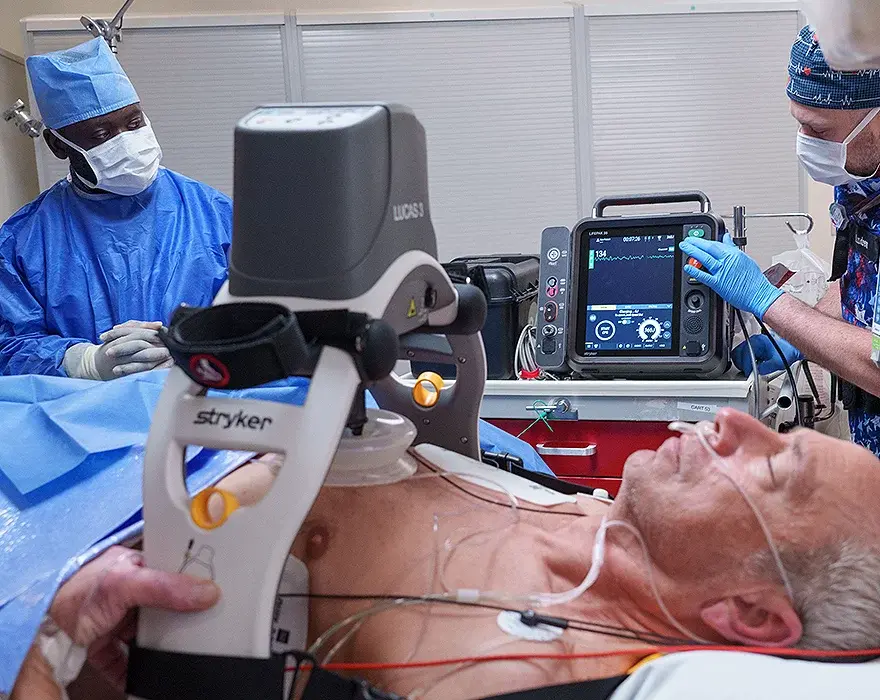
Retaliation for military strikes
The hacking collective framed the destructive operation as direct payback for recent military action in the Middle East. They cited a deadly strike on an Iranian school as the primary motivation for targeting the American economic infrastructure.

Hospitals seek manual alternatives
Medical facilities are now forced to bypass frozen digital portals to secure vital trauma care equipment. Healthcare providers must rely entirely on direct phone calls and emails with sales representatives to maintain their critical supply chains.
)
)
)
)
)