'Medical nightmare': What Stryker hit by Iran-linked cyberattack means for millions of Americans?

The secondary shockwave of this cyberattack will be felt for years. Even if Stryker, working alongside Microsoft, manages to restore its global systems next week, the damage is already done.
1. The 'Just-in-Time' Vulnerability
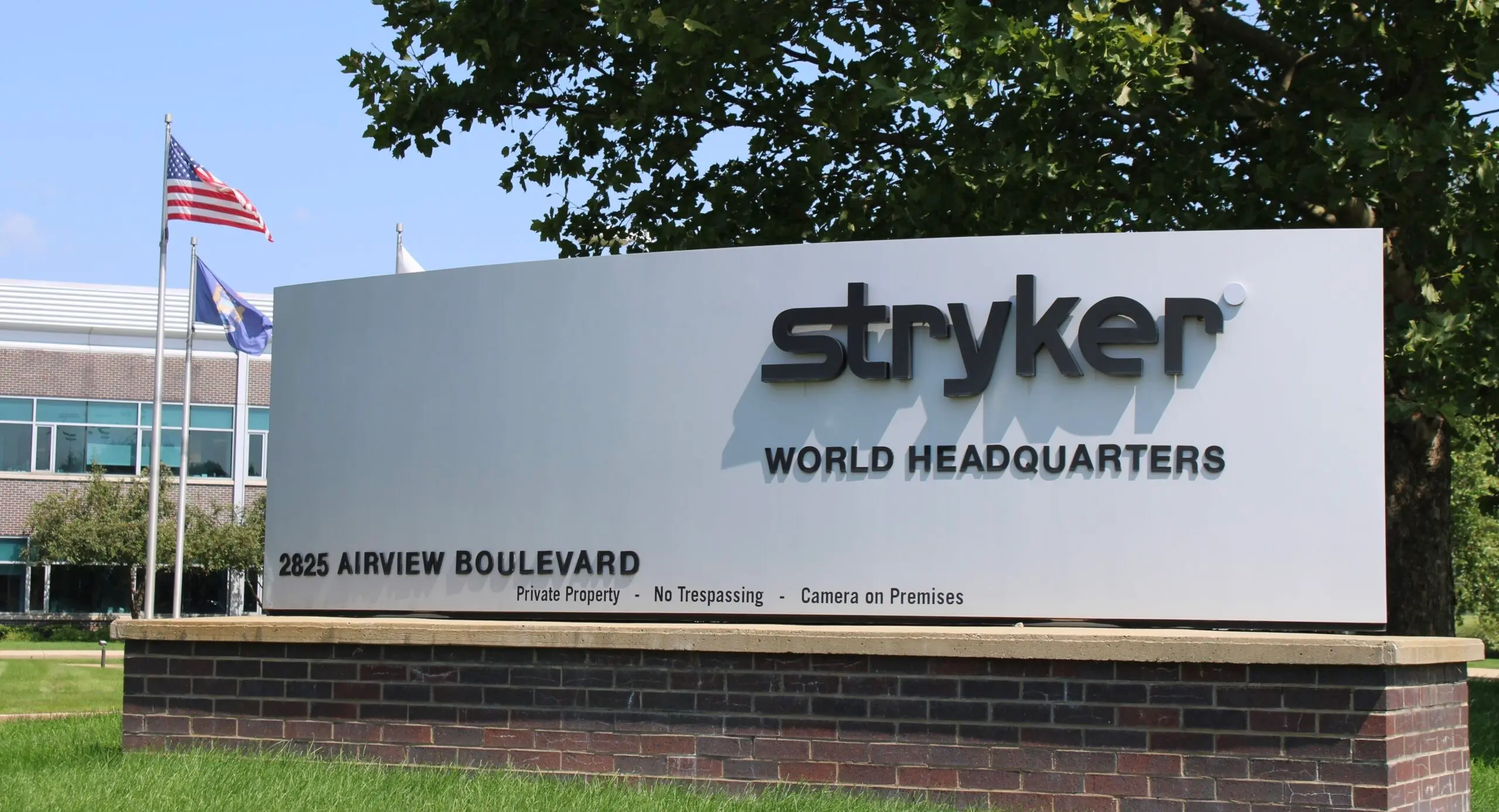
The American healthcare system does not stockpile massive warehouses of medical equipment; it relies heavily on a "just-in-time" supply chain. Hospitals order custom surgical equipment and implants exactly when they need them for scheduled procedures. With Stryker’s 61-country global network, including its massive Michigan headquarters and critical Cork, Ireland manufacturing hub, brought to a complete standstill, that precise logistical chain has been severed overnight. The flow of life-changing medical hardware into the US has officially stopped.
2. The Orthopedic Standstill
Stryker holds a massive share of the global market for orthopedic implants. If you or a family member are scheduled for a hip or knee replacement in the United States in the coming weeks, that surgery is now in jeopardy. Hospitals cannot perform these operations without the specific, proprietary titanium implants and corresponding surgical instruments that Stryker manufactures. Millions of aging Americans facing severe chronic pain are now looking at indefinite surgical delays.
3. The 'Mako' Robotics Blackout
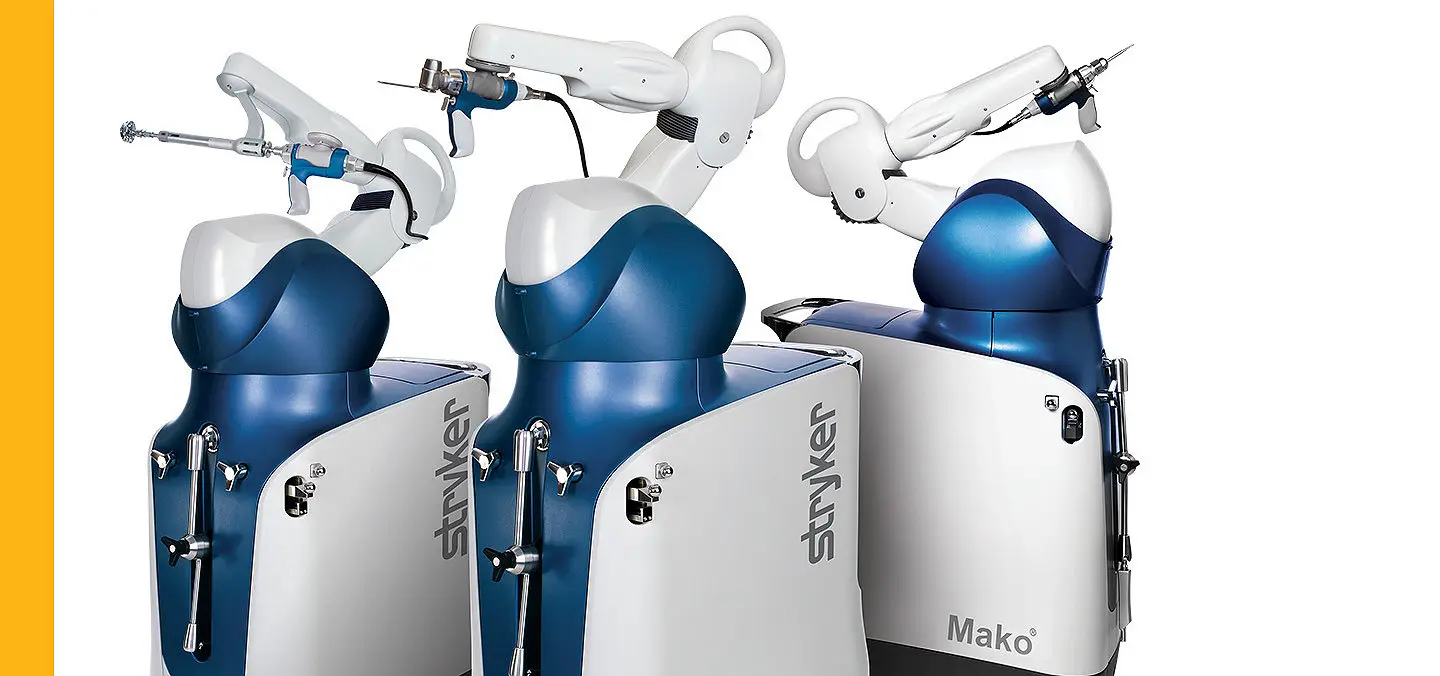
Modern American surgeries rely heavily on Stryker's flagship Mako SmartRobotics system, which assists surgeons in performing highly precise joint replacements. Because these multi-million dollar robotic arms require constant software interfacing, specific disposable surgical attachments, and network connectivity, the IT blackout threatens to sideline these advanced machines entirely, forcing hospitals to either postpone surgeries or revert to older, less precise manual methods.
4. Trauma and Neuro-Surgical Delays
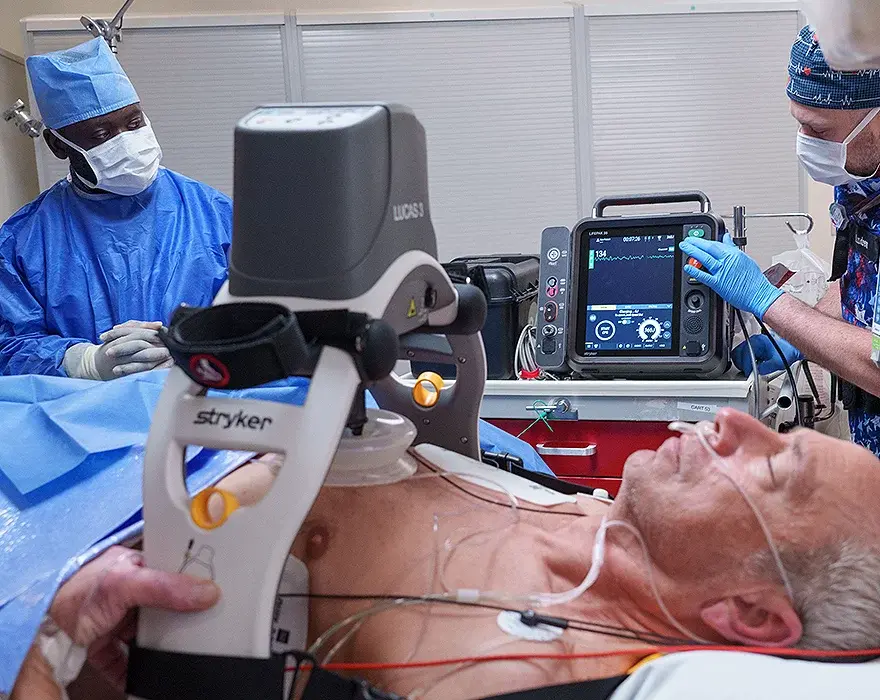
It is not just elective surgeries at risk. Stryker is a primary supplier of advanced neurosurgical tools, spinal implants, and emergency room trauma equipment, including specialized surgical drills and hemorrhage control devices. While hospitals have emergency reserves, a prolonged IT outage lasting weeks will rapidly deplete these life-saving stocks. The inability to seamlessly restock trauma bays puts the lives of emergency patients directly at risk.
5. The Digital Lockout of the American Workforce
The speed of recovery looks grim because Handala didn't just encrypt servers; they actively destroyed the digital infrastructure required to fix the problem. By infiltrating the company's network and wiping the personal mobile phones and "work profiles" of thousands of employees, including thousands of American workers across the US, the hackers have left Stryker’s workforce digitally blind. You cannot quickly restore a global medical supply chain if your engineers and logistics coordinators are completely locked out of their communication tools.
6. The Geopolitical Ransom Without the Money
Unlike traditional ransomware attacks carried out by Russian cybercriminal cartels looking for a massive cryptocurrency payout, Handala is a pro-Palestinian, Iran-linked group. Their motivation is ideological and geopolitical disruption, not financial extortion. This means Stryker cannot simply "pay the ransom" to get their systems back online. Handala's explicit goal is to inflict maximum, prolonged pain on the Western supply chain as retaliation for the ongoing US-Israel-Iran war.
7. The Looming Patient Backlog
The secondary shockwave of this cyberattack will be felt for years. Even if Stryker, working alongside Microsoft, manages to restore its global systems next week, the damage is already done. Thousands of canceled surgeries will create a massive backlog in an already strained US healthcare system. Millions of Americans will spend 2026 fighting for rescheduled operating room times, enduring prolonged physical suffering because a foreign hacker group decided to target the soft underbelly of American medicine.
)
)
)
)
)