'Maybe we shouldn't be there at all': Trump reconsiders plans to 'secure' Strait of Hormuz after calls for help go unanswered

After his call for international support to secure the Strait of Hormuz received a cold response, the US president walked back on his plan, saying 'we don't need it' as America is the largest producer of oil in the world.
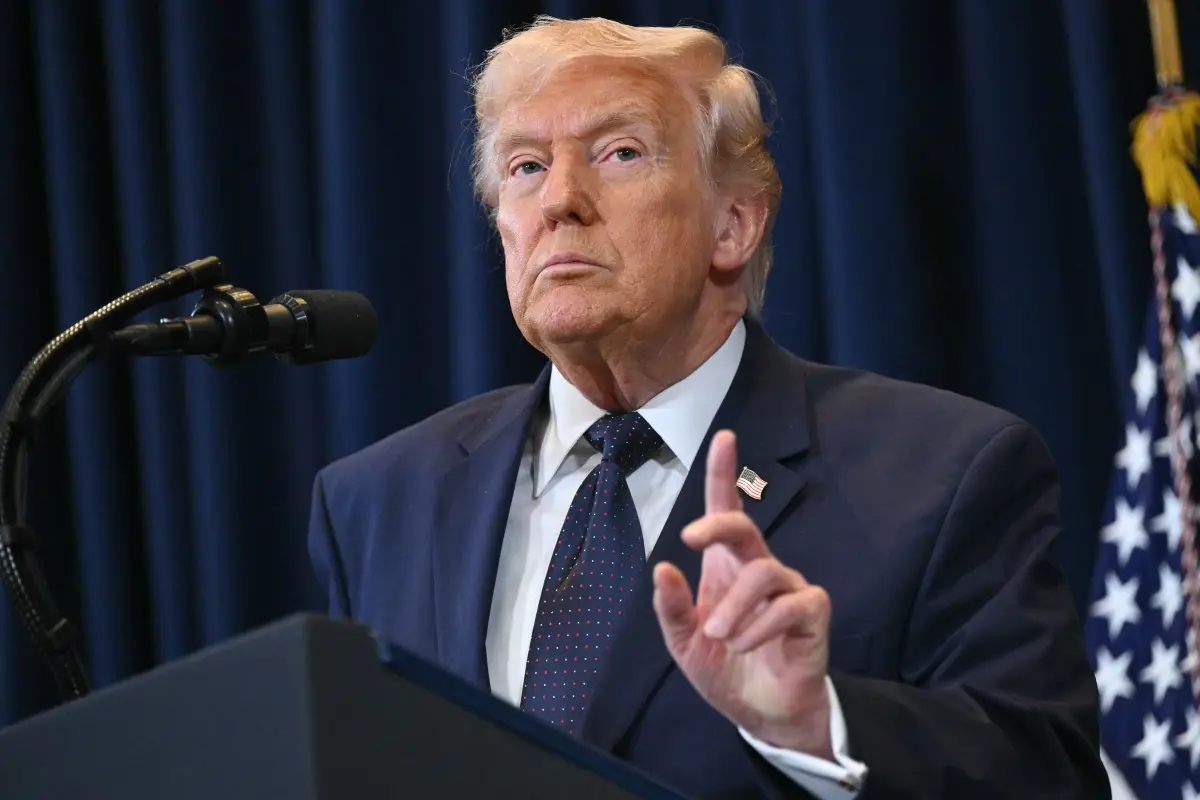
United States Don't Need it
After getting a cold response from countries on his call seeking help to reopen the Strait of Hormuz, US President Donald Trump seems to abandon his plan to "secure" the strait, saying, “You could make the case that maybe we shouldn’t even be there at all because we don’t need it.” He argued that the United States has a "lot of oil" as the country is “number one producer anywhere in the world times two by double at least double.”
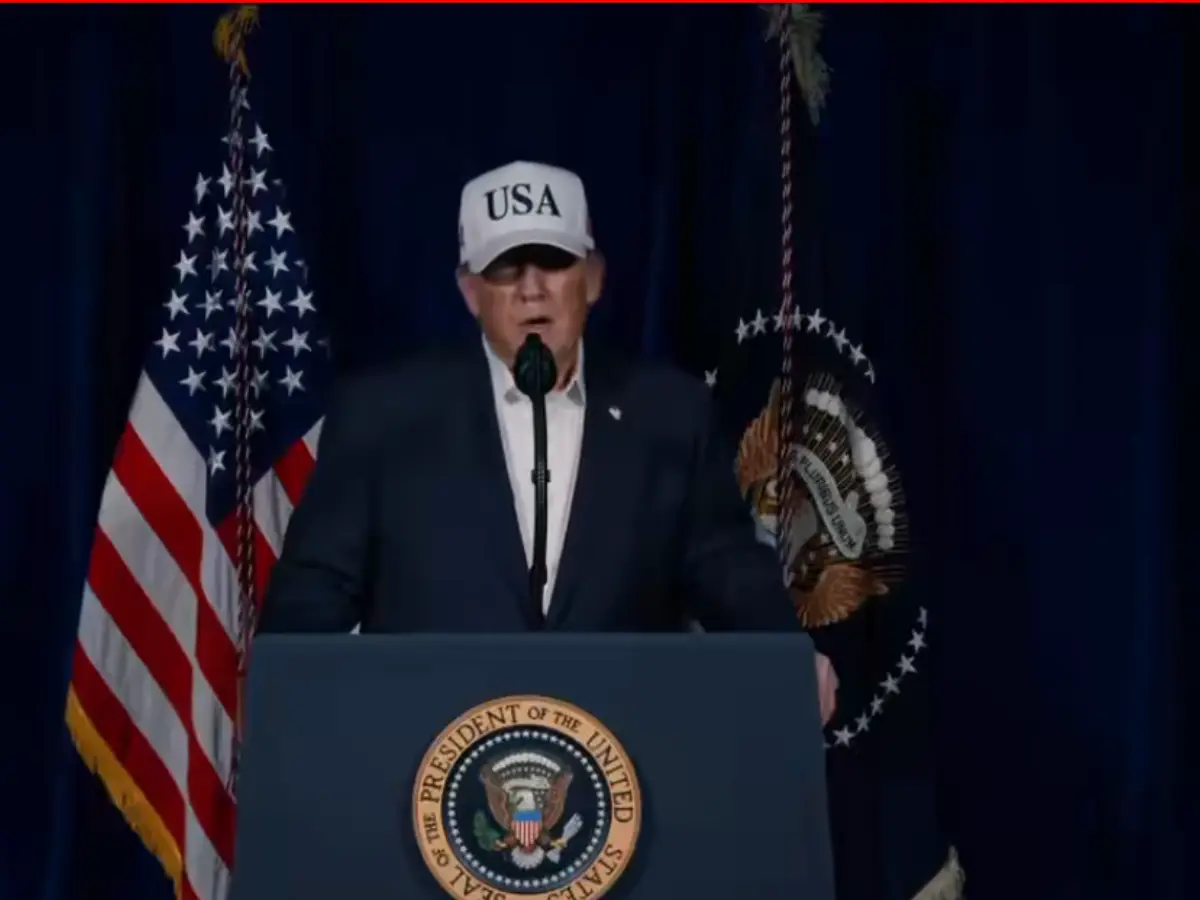
Trump repeats appeal for international help
Trump once again called on countries to help open the vital waterway. "I’m demanding that these countries come in and protect their own territory because it is their territory, it’s the place from which they get their energy, and they should come, and they should help us protect it,” he told reporters aboard Air Force One on Sunday night.
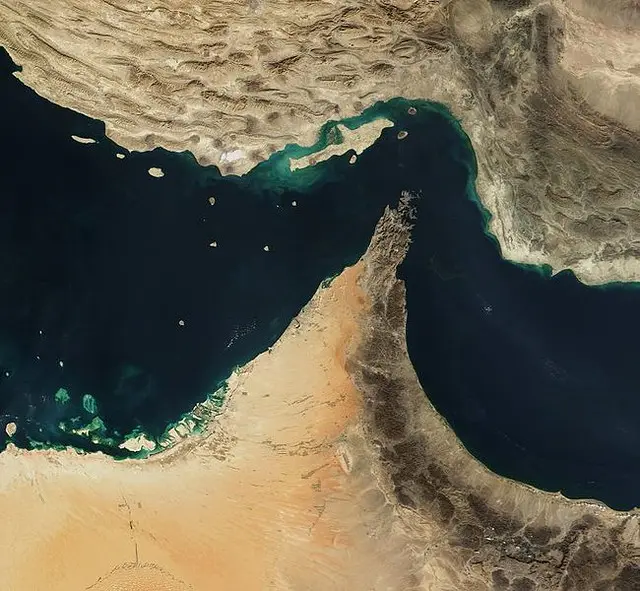
Iran effectively blocks Hormuz after US-Israel strikes
Iran has effectively blocked the Strait of Hormuz since the beginning of the war on February 28, triggered by joint US-Israeli strikes targeting the top leadership of Iran, assassinating Supreme Leader Ayatollah Ali Khamenei on the opening day of the military campaign.
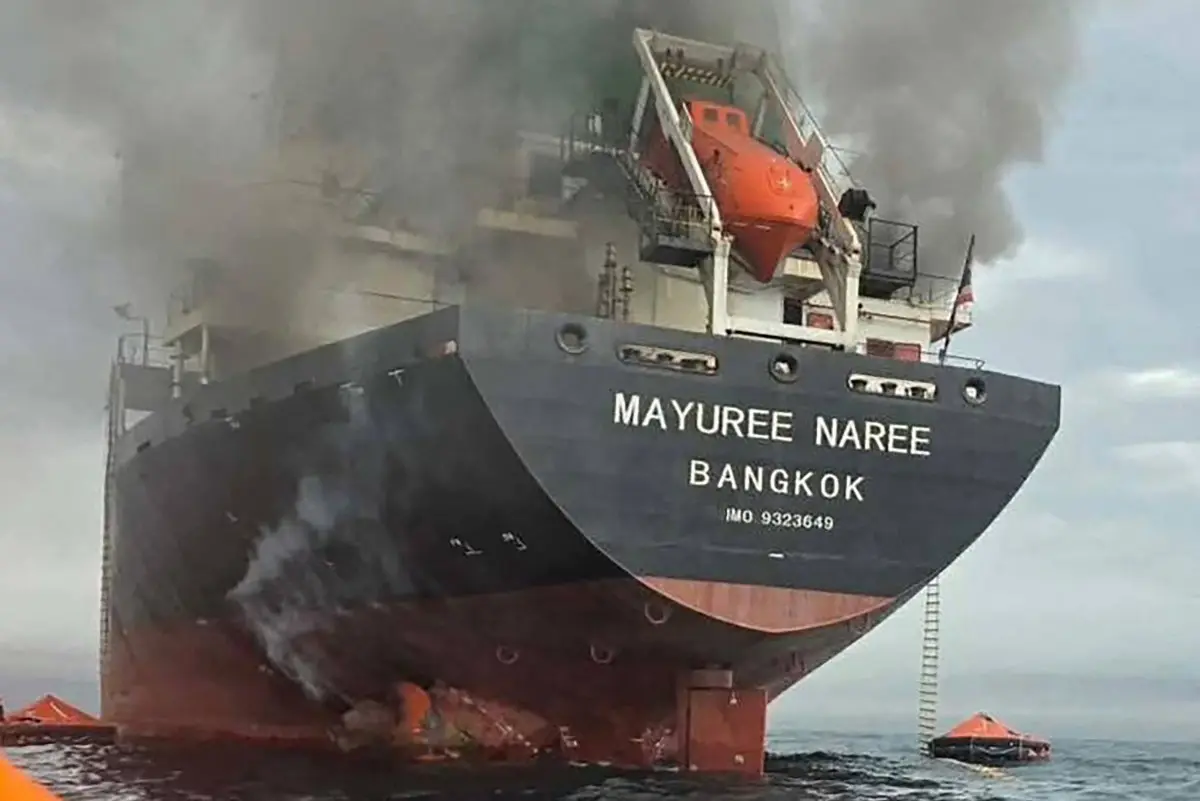
Direct appeal to major powers
Earlier, the US president publicly urged multiple countries to send warships to secure the key waterway, saying, 'Hopefully China, France, Japan, South Korea and the UK and others, that are affected by this artificial constraint, will send ships to the area so that the Hormuz will no longer be a threat by a nation that has totally decapitated,' he wrote on Truth Social on Saturday.
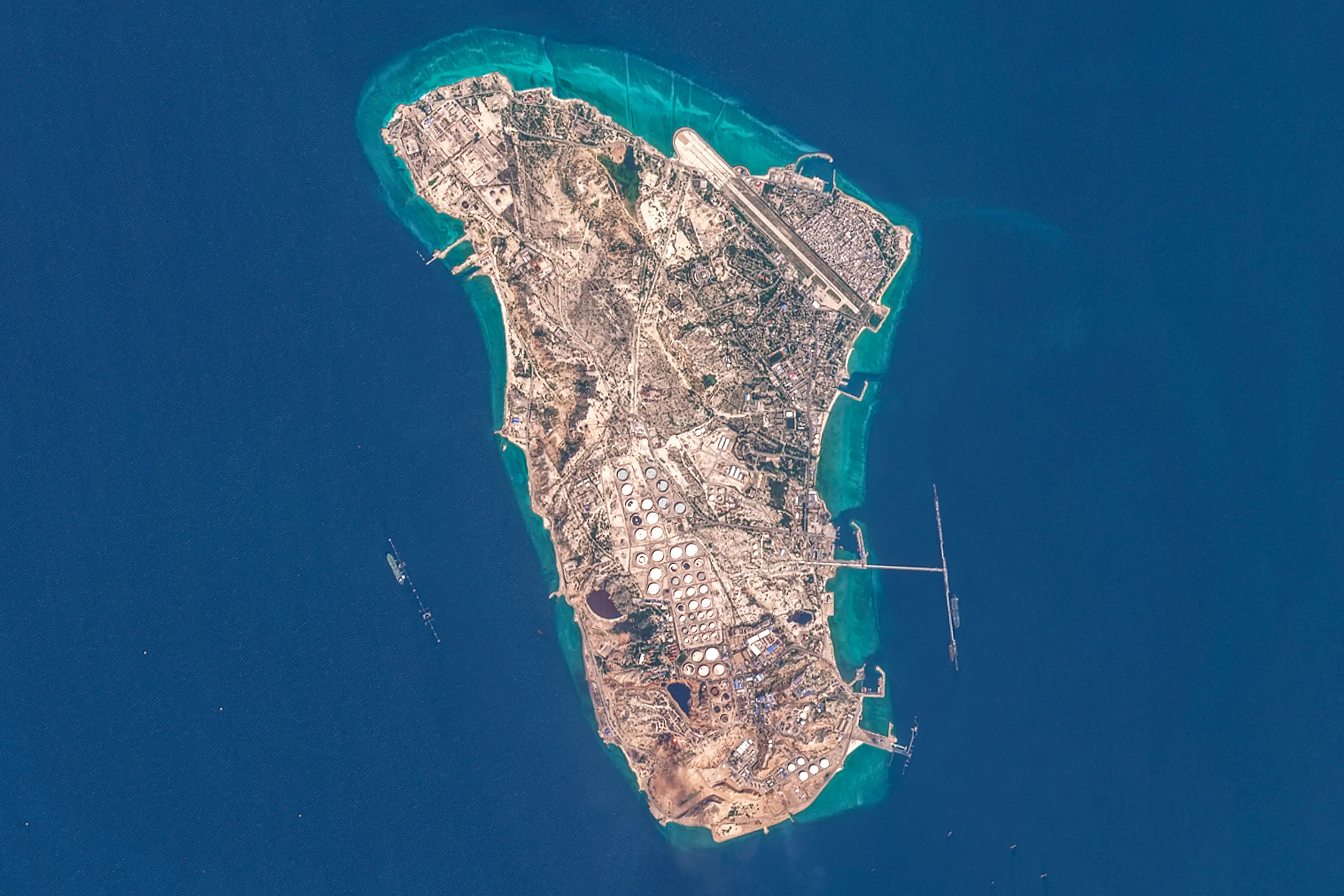
US military srikes on Kharg Island
Facing mounting domestic and international pressure as the conflict in West Asia triggered a global energy shock, Donald Trump ordered a US military strike on Kharg Island, Iran's critical oil export hub, overnight on Friday, March 13, to push Tehran to reopen the Strait of Hormuz.
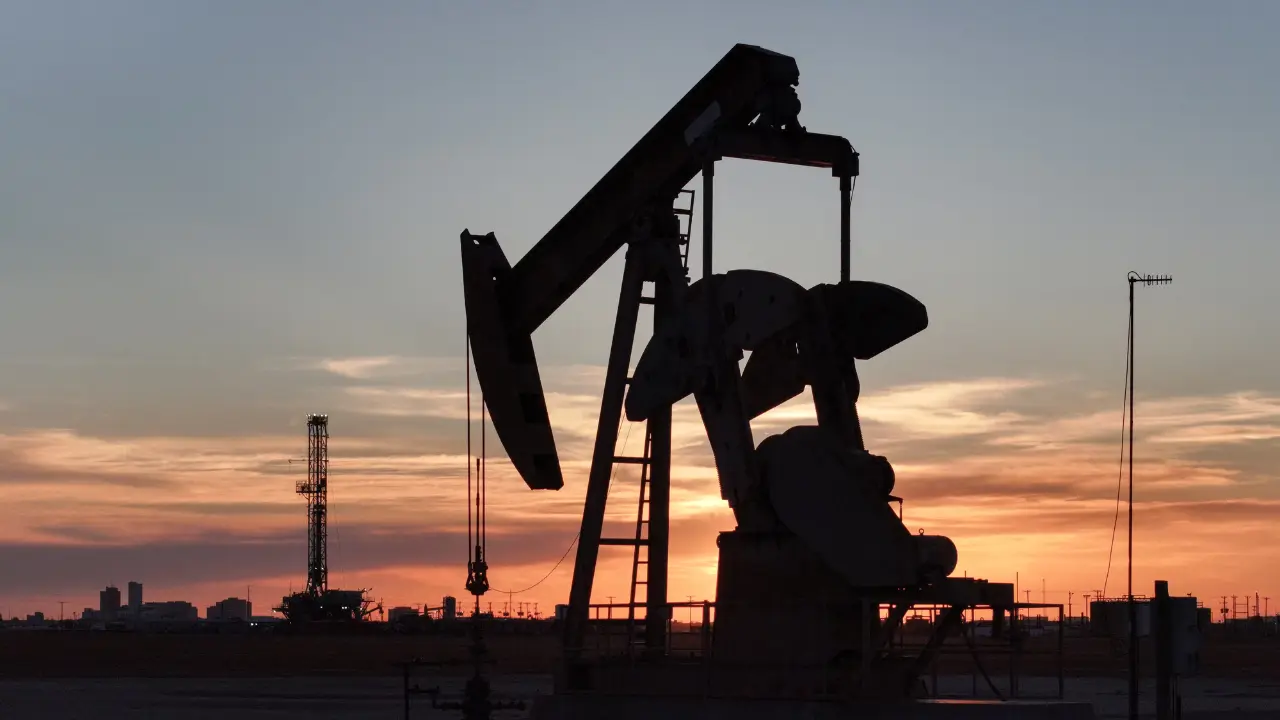
Global energy body to release 400m barrels from reserves
To mitigate the surging oil prices and stabilise the energy market, the International Energy Agency (IEA) on Sunday (March 15) said strategic oil reserves will be released in Asia and Oceania 'immediately' and as early as the end of March in America and Europe. According to the IEA, the total release amounts to over 400 million barrels of oil reserves. Of this, governments have committed to make around 271.7 million barrels from their stocks, while industries pledged 111.6 million and 23.6 million from other sources.
)
)
)
)
)