'Master of Asian sky': What if India buys a fleet of F-35 fighter jets?

Equipping the Indian Air Force with F-35s would boost not just air-defence and local operations, but also India’s ability to project power.
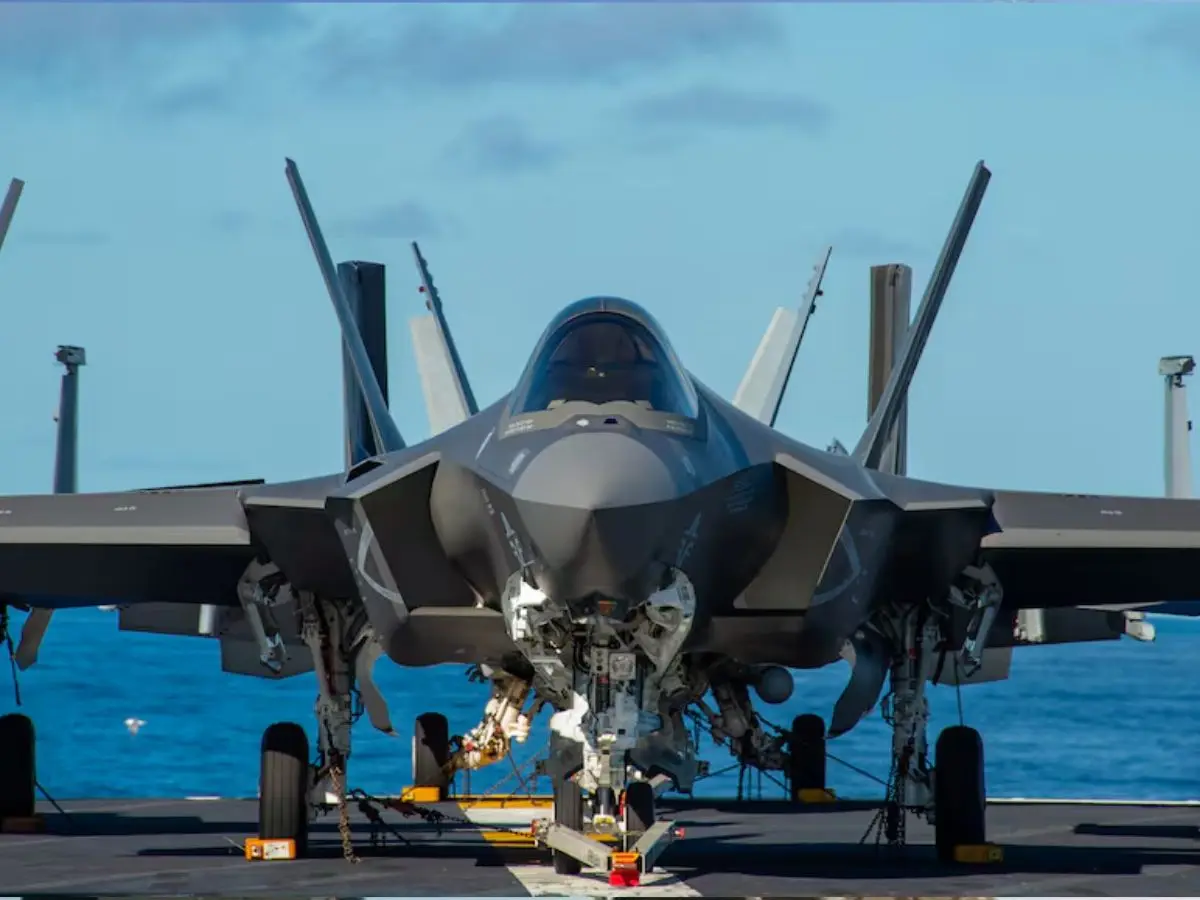
1. Strategic Leap in Stealth and Sensors
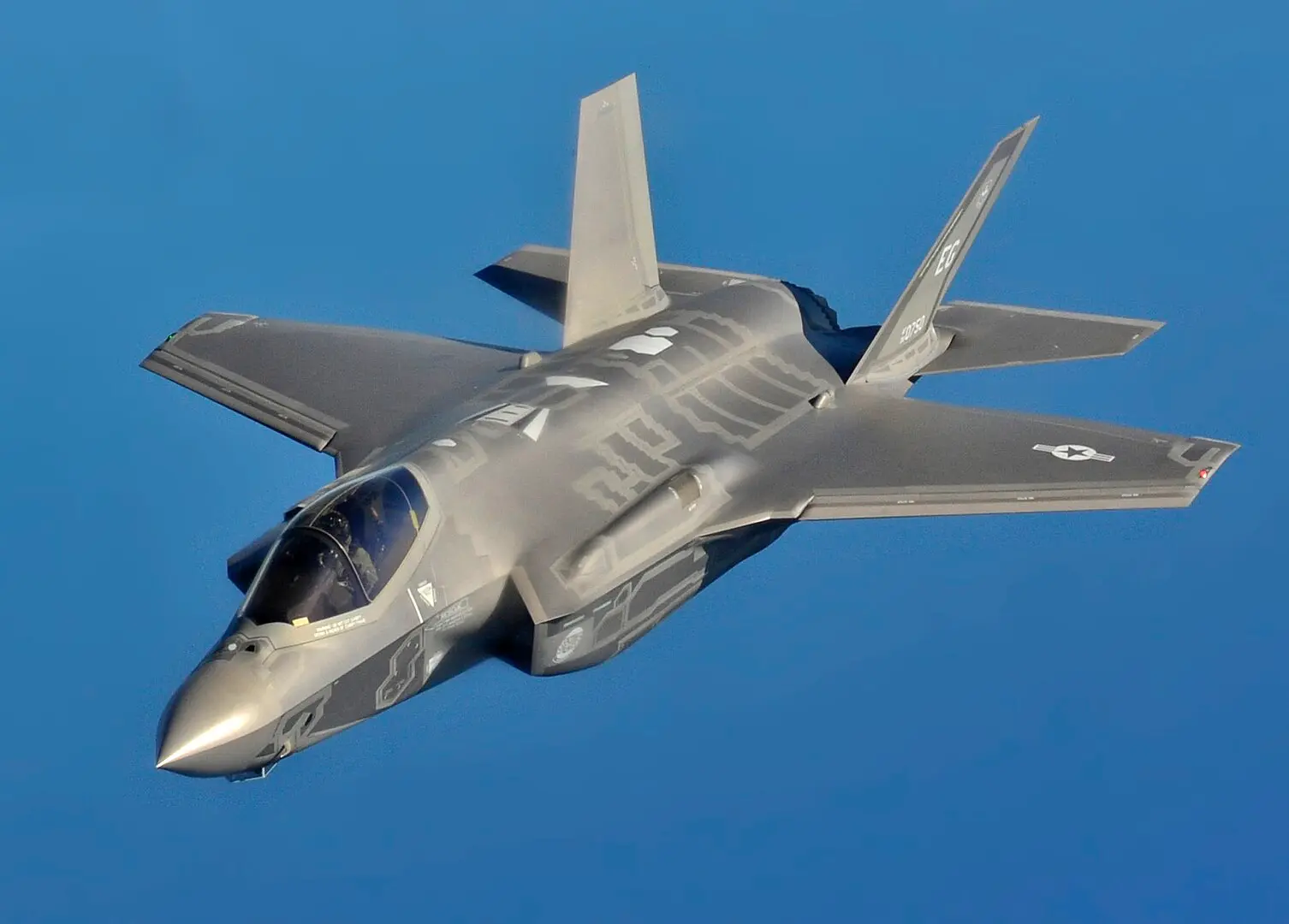
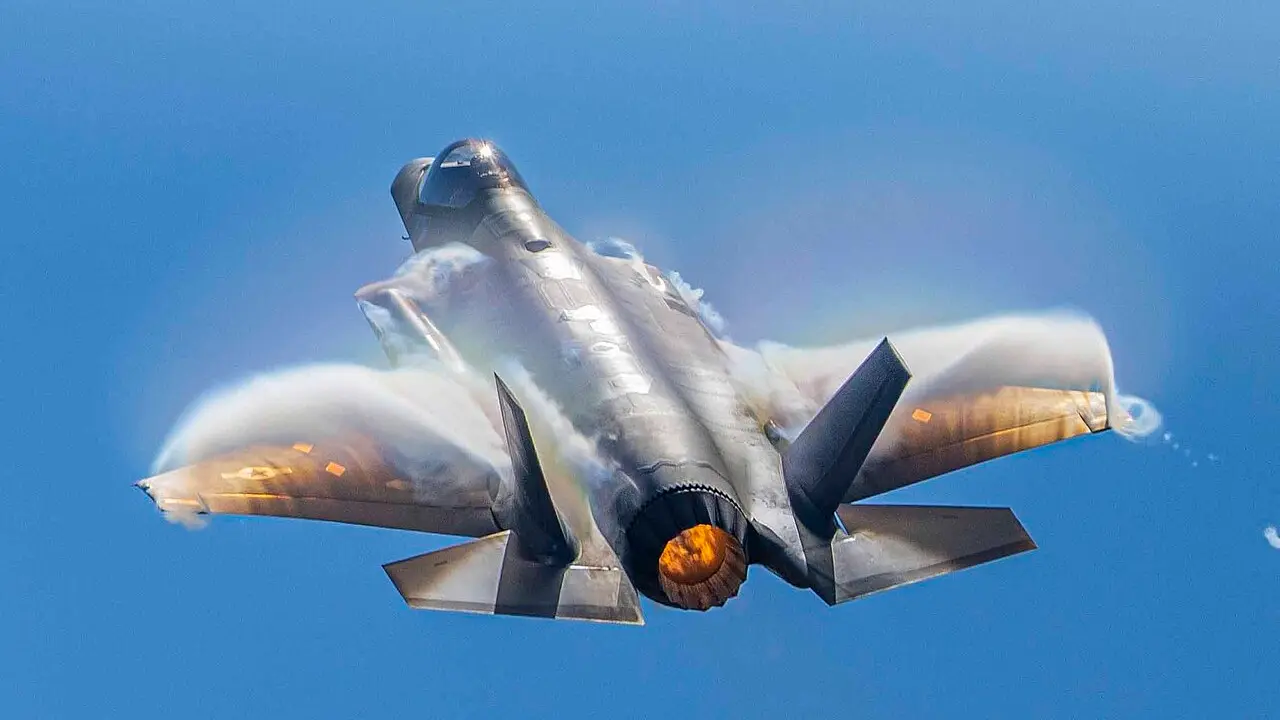
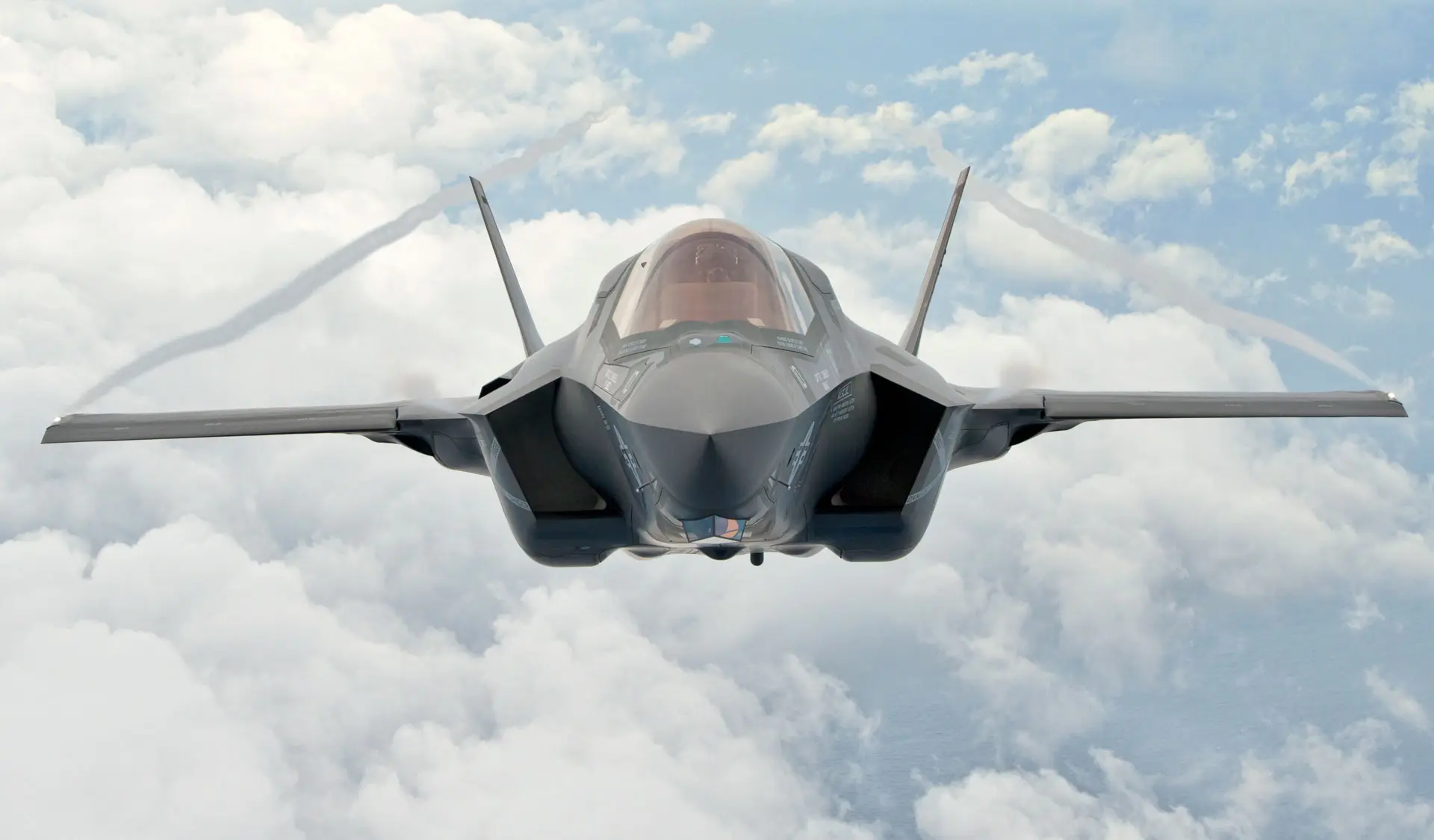
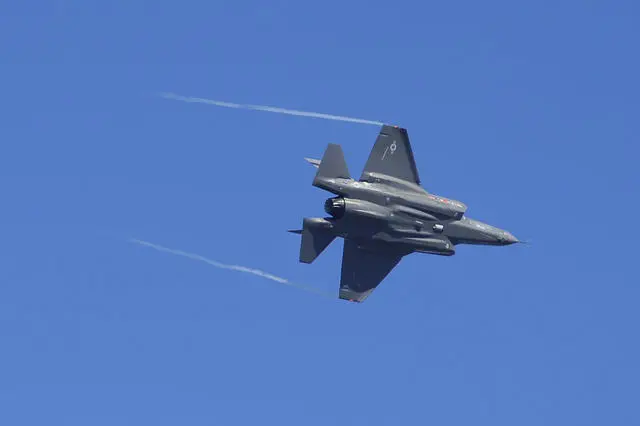
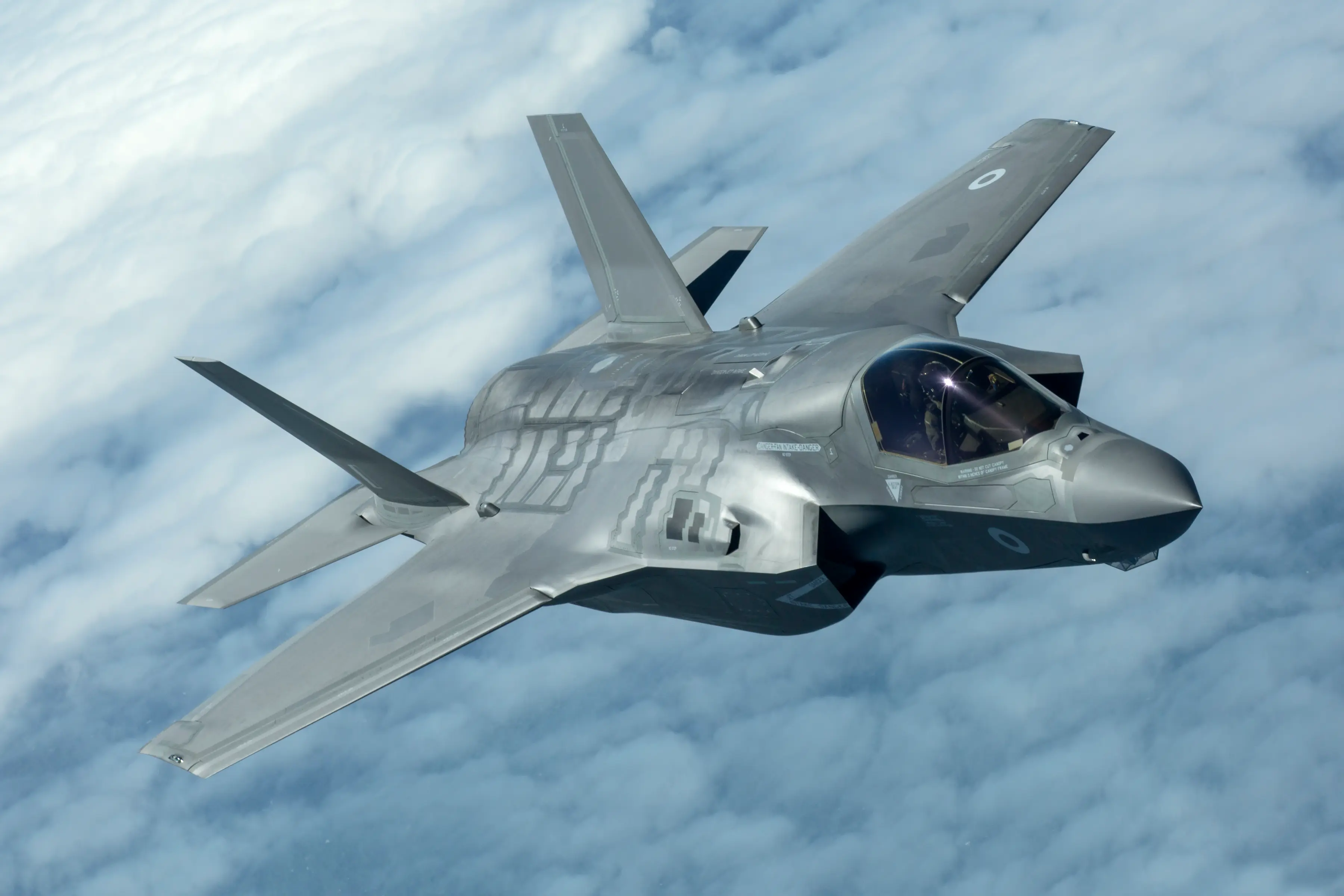
If India were to operate F-35 Lightning IIs, it would mark a major upgrade in stealth and sensor capability. The F-35 is a fifth-generation multirole fighter with low observable (stealth) design, integrated sensor fusion, advanced avionics and networked warfare features. This would significantly enhance India’s ability to operate in contested airspace and to collaborate in joint missions with other advanced air forces. Such a move would signal India entering a higher tier of air-combat capability.
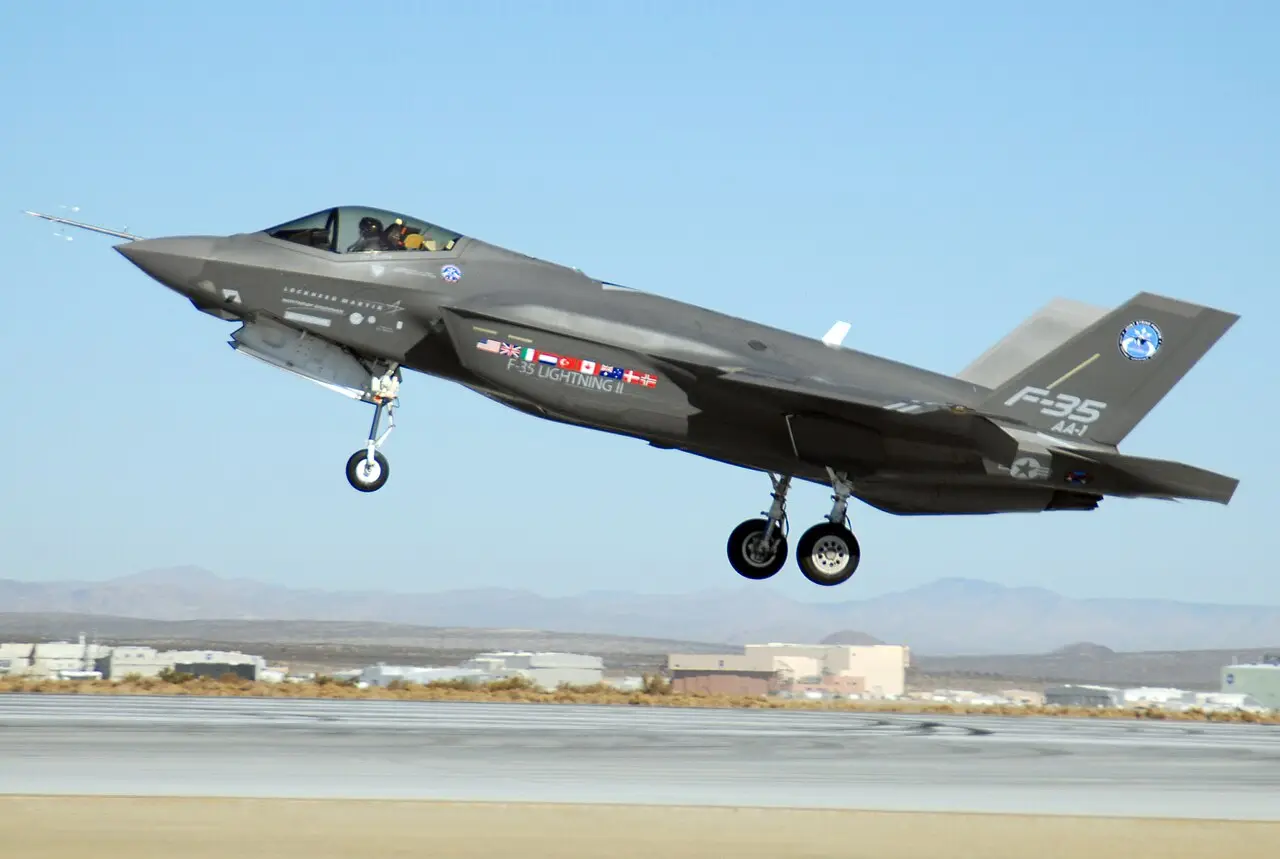
2. Strengthening India’s Deterrence and Power-Projection
Equipping the Indian Air Force with F-35s would boost not just air-defence and local operations, but also India’s ability to project power. In an Indo-Pacific context, where adversarial air-defence networks are expanding, a stealth platform operating far beyond border zones offers new deterrence options. It could also enhance interoperability with partner nations, and raise India’s stature in regional security architecture.
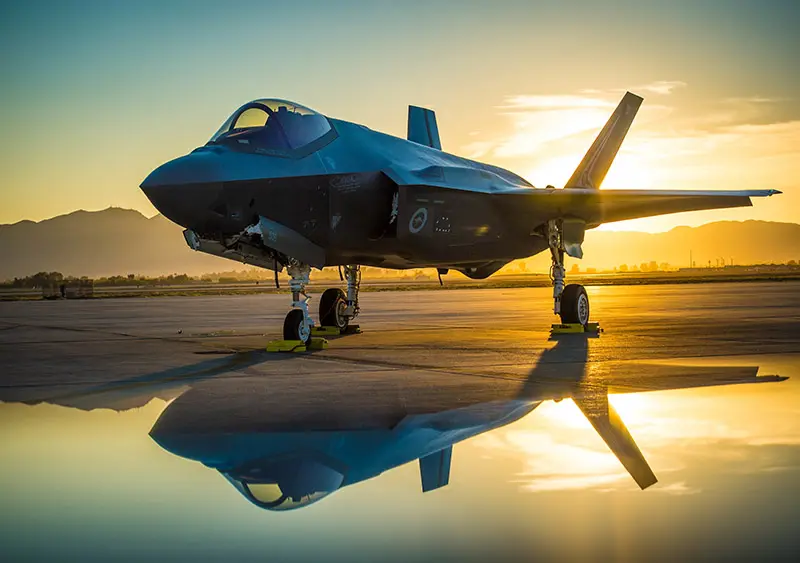
3. Challenges of Integration, Cost and Compatibility
But there are significant practical challenges. For one, procurement of F-35s is extremely costly — both in acquisition and in lifetime sustainment (maintenance, logistics, training, spares). Moreover, India already uses Russian, French and indigenous systems; integrating an American 5th-gen platform adds complexity in logistics, supply-chains and interoperability. Reports note that India has not held formal talks with the U.S. to procure F-35s.
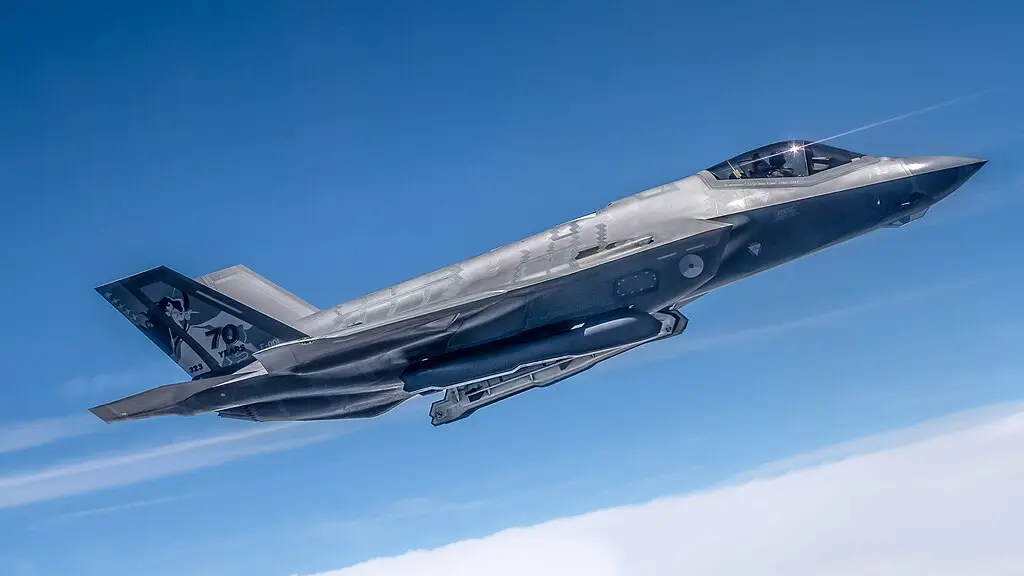
4. Implications for India’s Indigenous Programs
One of the thornier issues is how an F-35 buy would impact India’s indigenous fighter-development programmes, such as the HAL Tejas Mk‑2 and the future Advanced Medium Combat Aircraft (AMCA). Investing in imported high-end jets might divert resources or shift focus away from domestic design/manufacture. Some analysts argue that acquiring F-35s only if accompanied by strong technology transfer could accelerate India’s own stealth efforts.
5. Geopolitical & Defence-Supply Risks
There are geopolitical risks tied to buying American stealth aircraft. The US places strict export restrictions on high-end systems; partner nations often must agree to frameworks that limit operational autonomy and require long-term commitments. In India’s case, its ongoing use of Russian air-defence systems (e.g., S-400) creates potential friction since U.S. policy previously penalised other nations for mixing Russian and American systems.
6. Operational Fit for India’s Needs
India’s security environment spans high-altitude mountain fronts, maritime theatres and dense border regions. While the F-35 offers advanced features, its suitability for high-altitude terrains, large payloads for long loiter times and the logistics required for remote bases are issues to consider. India must ask: does the F-35 provide the best solution relative to cost and fit for all these domains, or would other platforms (or a mix) be more optimal?
7. Impact on Defence Budget and Force Structure
Procurement of F-35s would be a major line item in India’s defence budget. Given other pressing needs (e.g., expanding the number of combat squadrons, upgrading existing fleets, indigenous development), the decision would involve trade-offs. The cost not only covers acquisition, but also infrastructure, training, simulation, spares, maintenance over decades. Any decision would require careful budgeting and prioritisation.
8. Potential for Joint Production / Local Manufacturing
If structured with strong “Make in India” components, an F-35 acquisition could bring local production opportunities, technological spill-overs and industrial base development. However, any such deal would likely involve conditions and technology restrictions. Whether India could negotiate an arrangement that sufficiently supports domestic industry is a key question.
9. Time-Line to Deployment vs Alternatives
Even if India decided to buy F-35s today, actual operational deployment would likely take years, for training pilots, building infrastructure, importing spares and integrating into existing force structures. By contrast, continuing to invest in indigenous platforms (Tejas Mk2, AMCA) or acquiring slightly older but proven aircraft might yield earlier force-enhancement. The time-advantage of alternatives is an important factor.
Signals to Adversaries and Allies
Finally, selecting the F-35 would send a strong strategic signal, to adversaries that India is upgrading significantly, and to allied air forces that India can operate high-end platforms and integrate into alliance frameworks. It would enhance India’s diplomatic and military standing, but also commit it to long-term relationships and dependencies.
)
)
)
)
)