‘Massive kill zone’: What makes the ASRAAM missile almost impossible to outrun in a dogfight?

The Indian Air Force is upgrading its MiG-29 fleet with the MBDA ASRAAM, a Mach 3+ air-to-air missile. Featuring an advanced infrared seeker and lock-on after launch capability, it transforms legacy jets into highly lethal dogfighters.
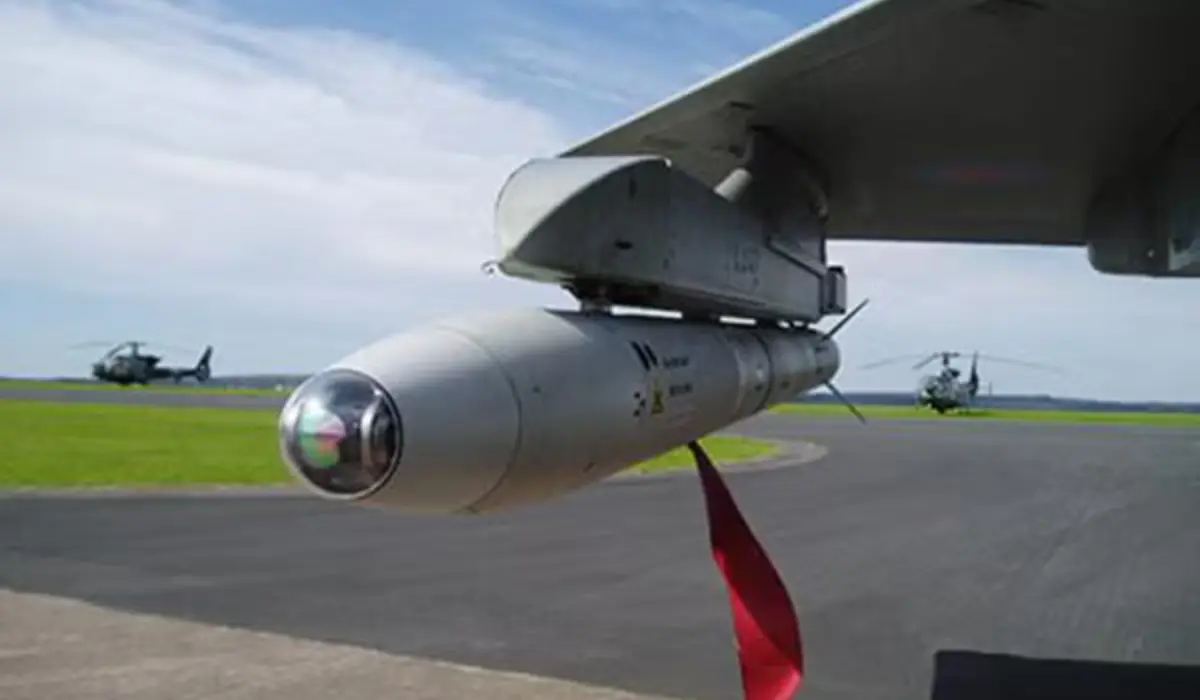
The Speed of Sound, Multiplied
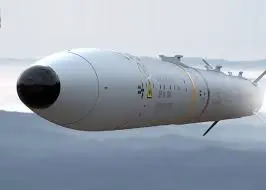
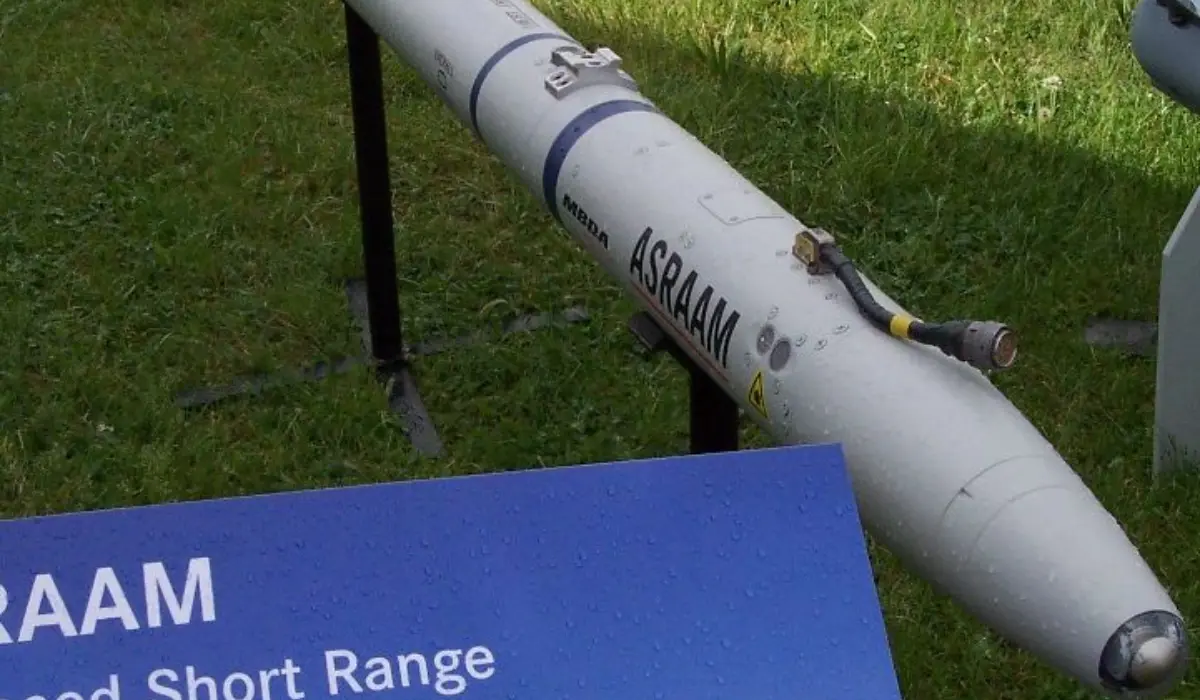
The Advanced Short Range Air-to-Air Missile (ASRAAM) travels at a staggering speed of over Mach 3. Designed by European manufacturer MBDA, it reaches its target in seconds, leaving enemy pilots with almost zero reaction time.
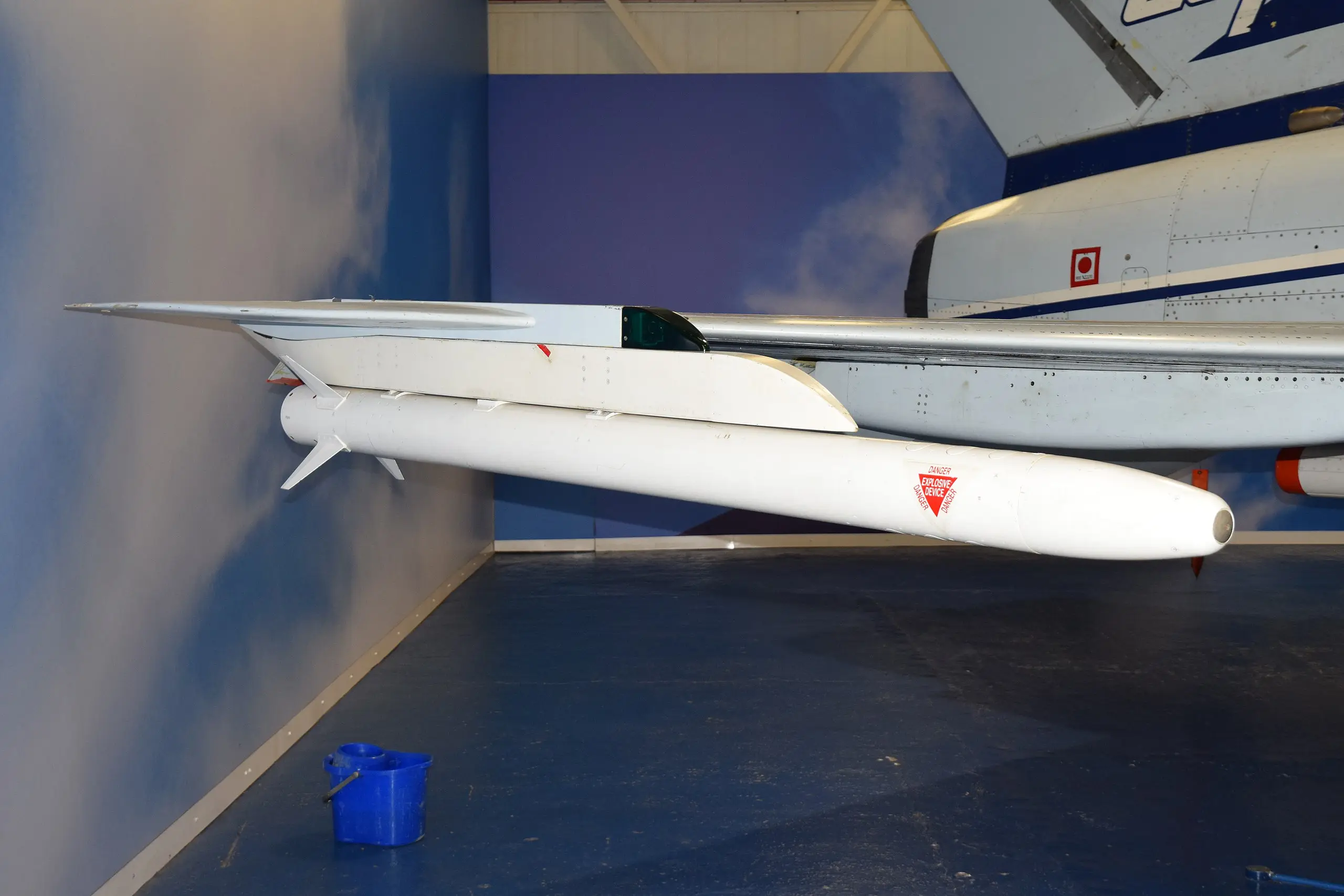
A Massive Kill Zone
Unlike older dogfight missiles, ASRAAM boasts an operational range of up to 50 km. This extended reach allows pilots to shoot down hostiles long before they enter traditional visual-range combat zones.
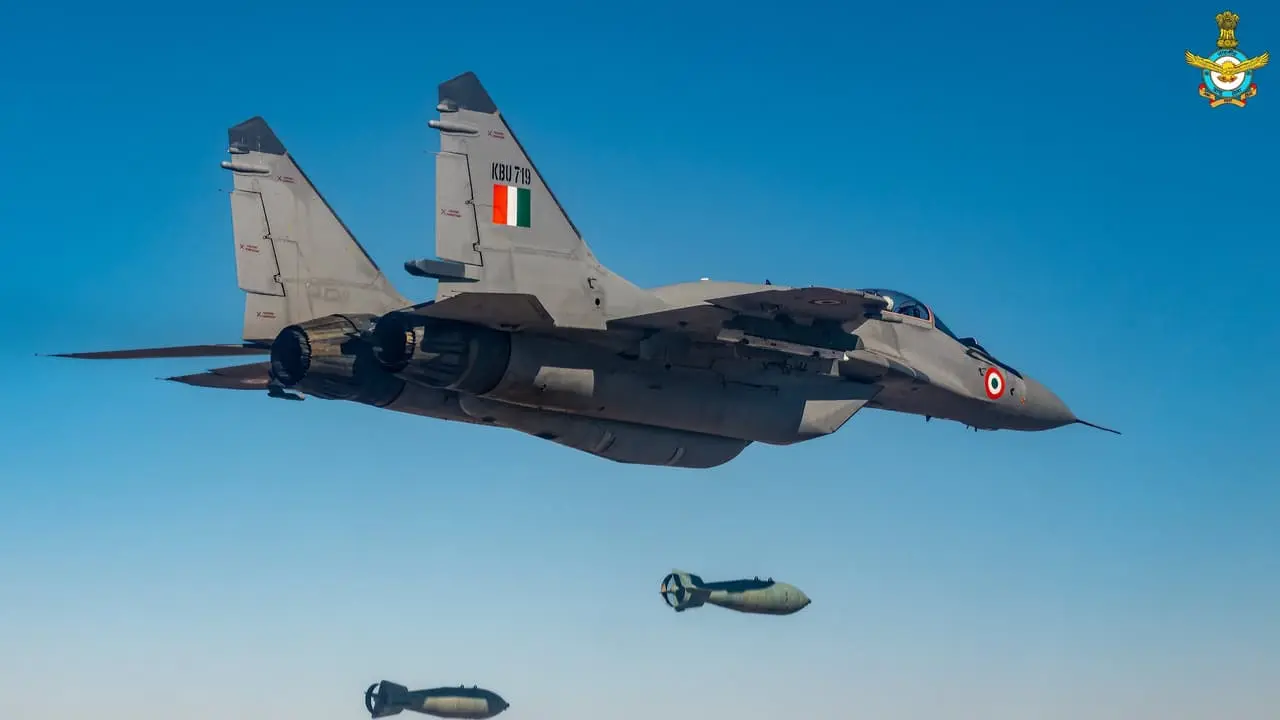
The MiG-29 Transformation
The Indian Air Force is upgrading its Russian-origin MiG-29 fleet with this European weapon in a strategic deal worth billions. Replacing the ageing R-73 missiles, the ASRAAM gives these veteran fighters a lethal, modern edge.
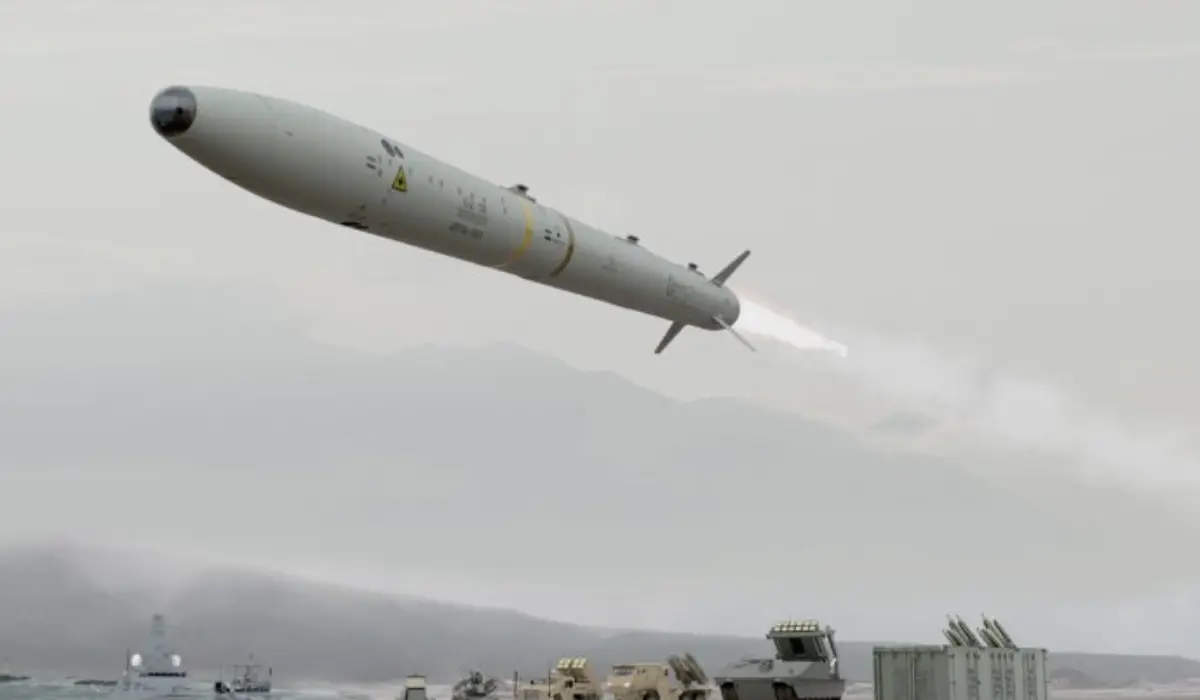
Seeing Through Decoys
ASRAAM uses a highly advanced focal plane array infrared seeker to generate a high-resolution image of the target. This ensures a near 100 per cent success rate in distinguishing real aircraft from spoofing flares or electronic countermeasures.
Lock-On After Launch
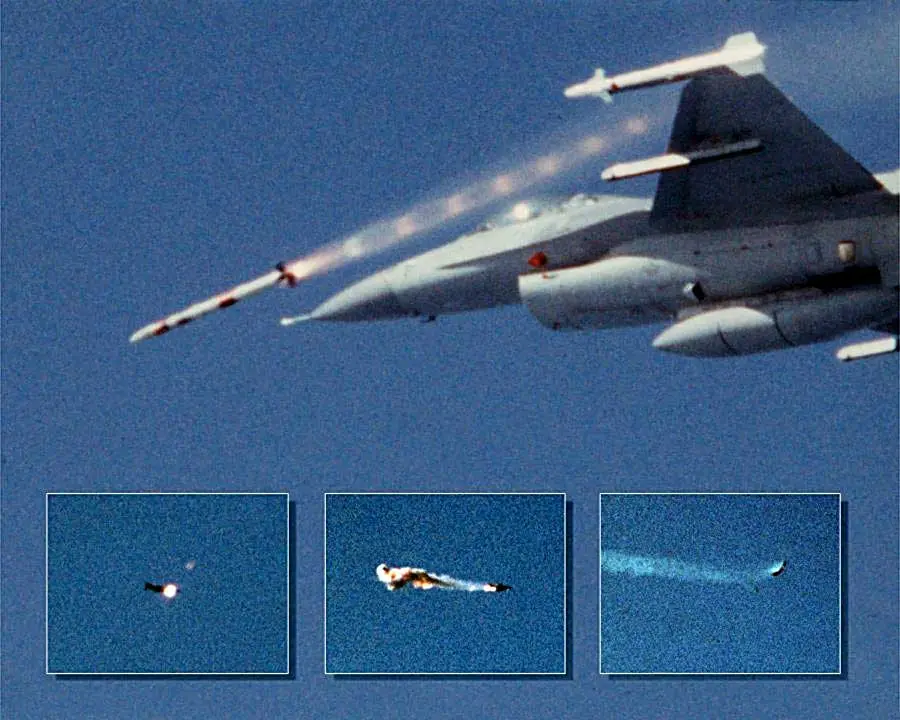
One of the deadliest features of this missile is its ability to lock onto a target after being fired. A pilot can launch the ASRAAM into hostile airspace using helmet-mounted sights, and the weapon will autonomously hunt down the enemy.
Unmatched Agility
The weapon is highly manoeuvrable, capable of pulling extreme G-forces to track rapidly turning fighter jets. Once fired, its aerodynamic design and powerful rocket motor ensure it maintains high energy throughout its flight path.
A Strategic Power Play
Integrating ASRAAM across multiple platforms standardises India's aerial arsenal and drastically reduces dependency on Russian weaponry. This decisive upgrade ensures the Indian Air Force remains a dominant, heavily armed force in South Asia.
)
)
)
)
)