'Mass-loss measurements': How much gas and dust is 3I/ATLAS releasing?

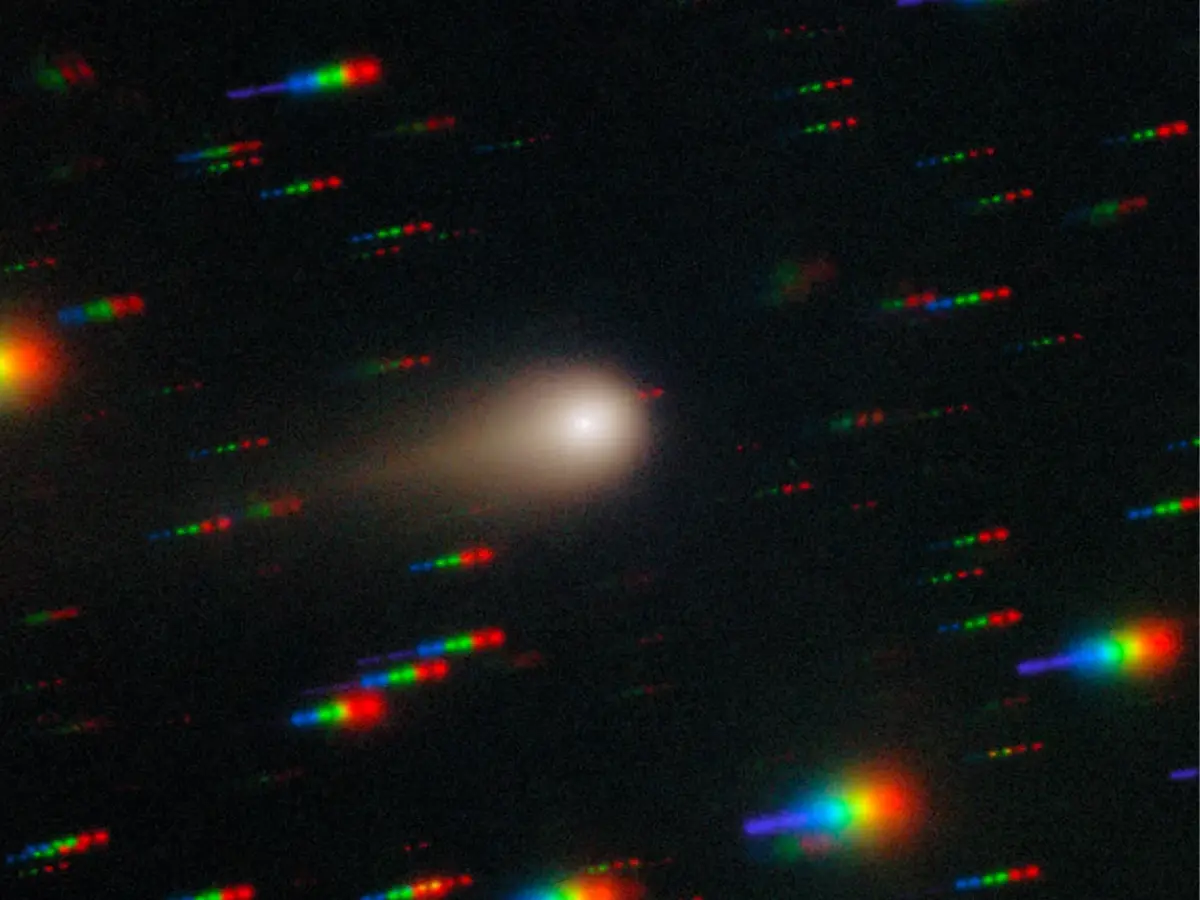
As 3I/ATLAS moved closer to the Sun, solar heating intensified, and both gas and dust production increased accordingly. Observations showed that the coma expanded, the tail lengthened, and gas signatures strengthened, all signs of a rising mass-loss curve.
1. Interstellar Comets Usually Release Less Material — 3I/ATLAS Was Different
Most interstellar objects observed so far have shown modest activity, but 3I/ATLAS surprised astronomers with strong outgassing as soon as it entered the inner Solar System. Its brightness and coma growth indicated that, unlike 1I/ʻOumuamua, it behaved much more like a conventional comet but with chemical signatures that set it apart.
2. JWST Detected Strong CO₂ Outgassing as the Dominant Gas
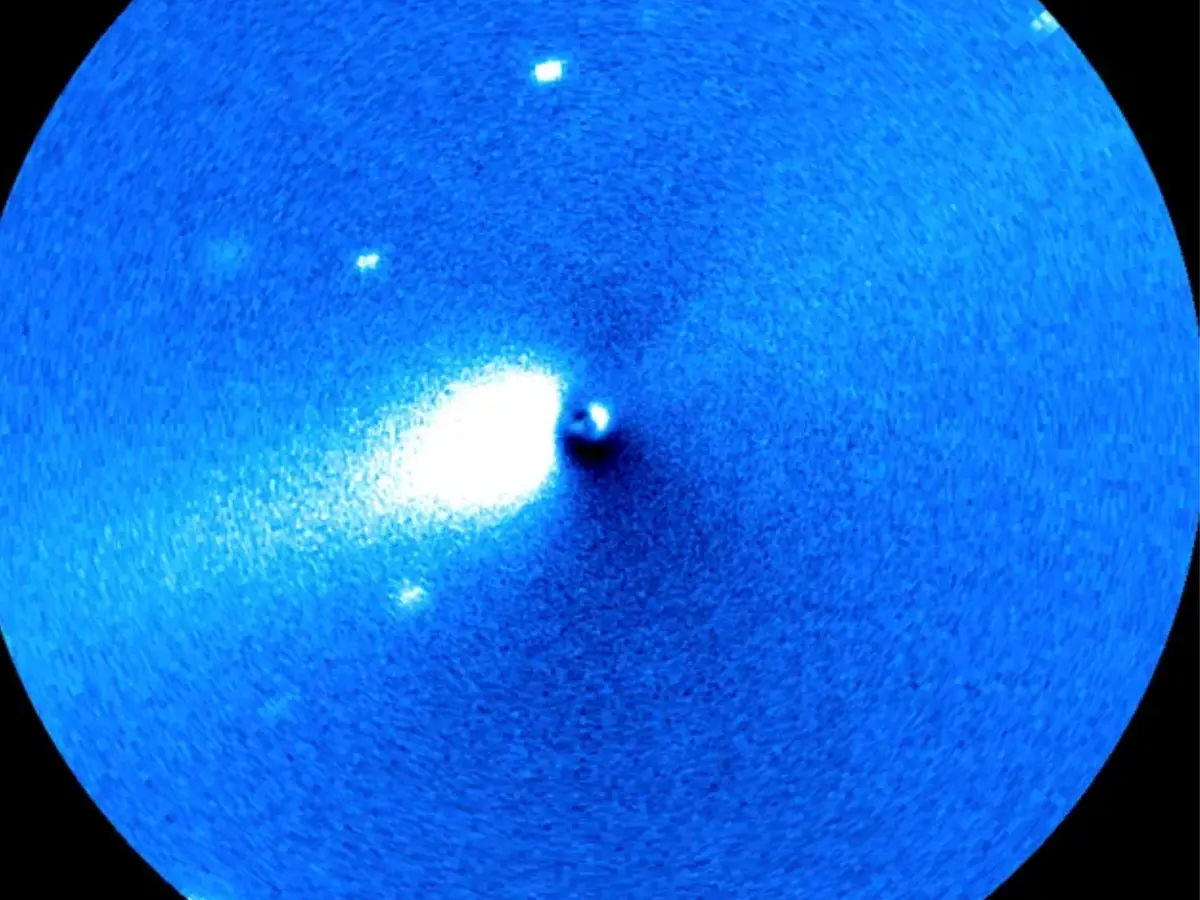
Observations from the James Webb Space Telescope (JWST) revealed that 3I/ATLAS was releasing large amounts of carbon dioxide (CO₂), far more than water vapour. CO₂ was the primary driver of its activity, a rare behaviour compared to Solar System comets where water usually dominates. This means its mass-loss rates were heavily CO₂-driven near perihelion.
3. Water, CO, and OCS Were Also Present in Measurable Quantities
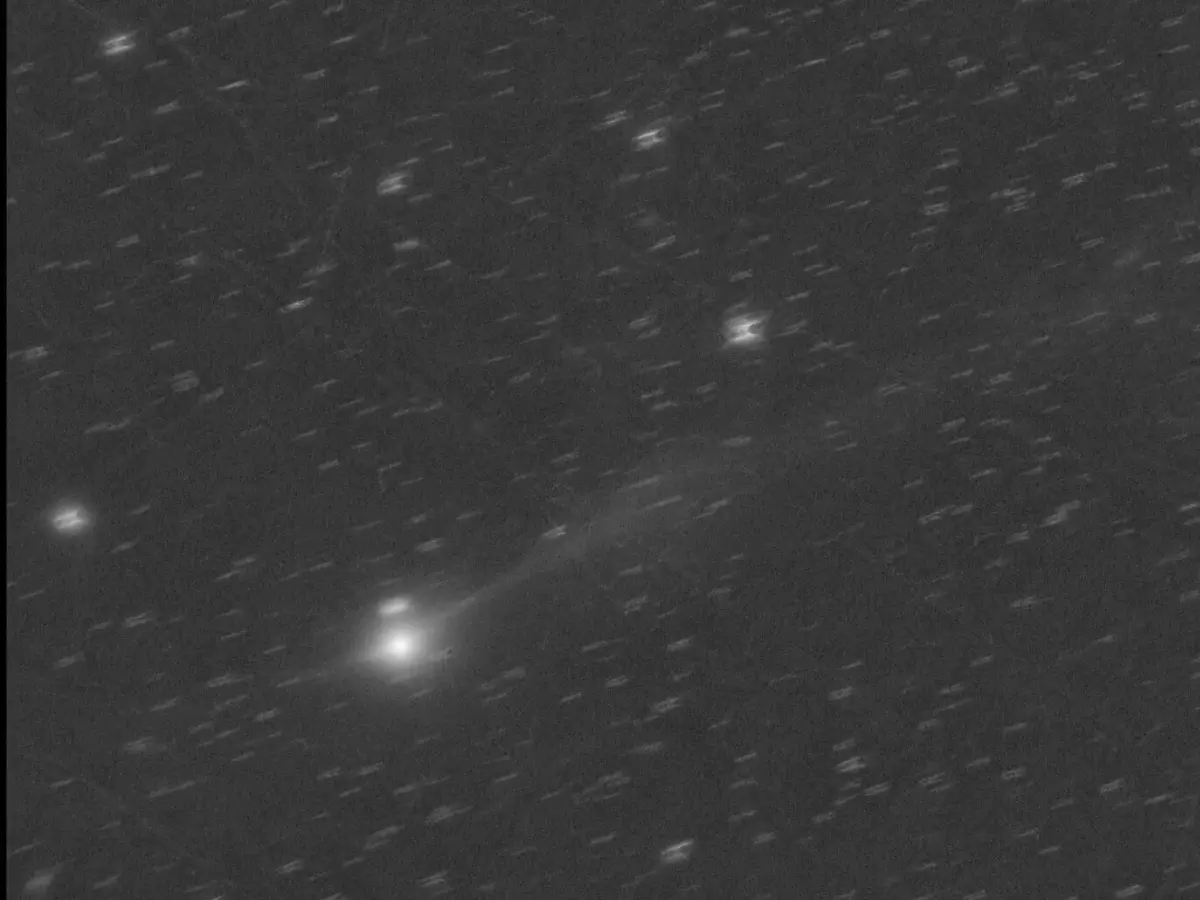
Spectroscopy confirmed the presence of H₂O (water vapour), CO (carbon monoxide), and OCS (carbonyl sulfide) in the coma. Even though CO₂ was the strongest contributor, these other volatiles showed that 3I/ATLAS was releasing a complex mix of gases, pointing to a chemically diverse nucleus. This allowed scientists to estimate total gas production with higher confidence.
4. Coma Brightness Indicated Continuous Dust Loss
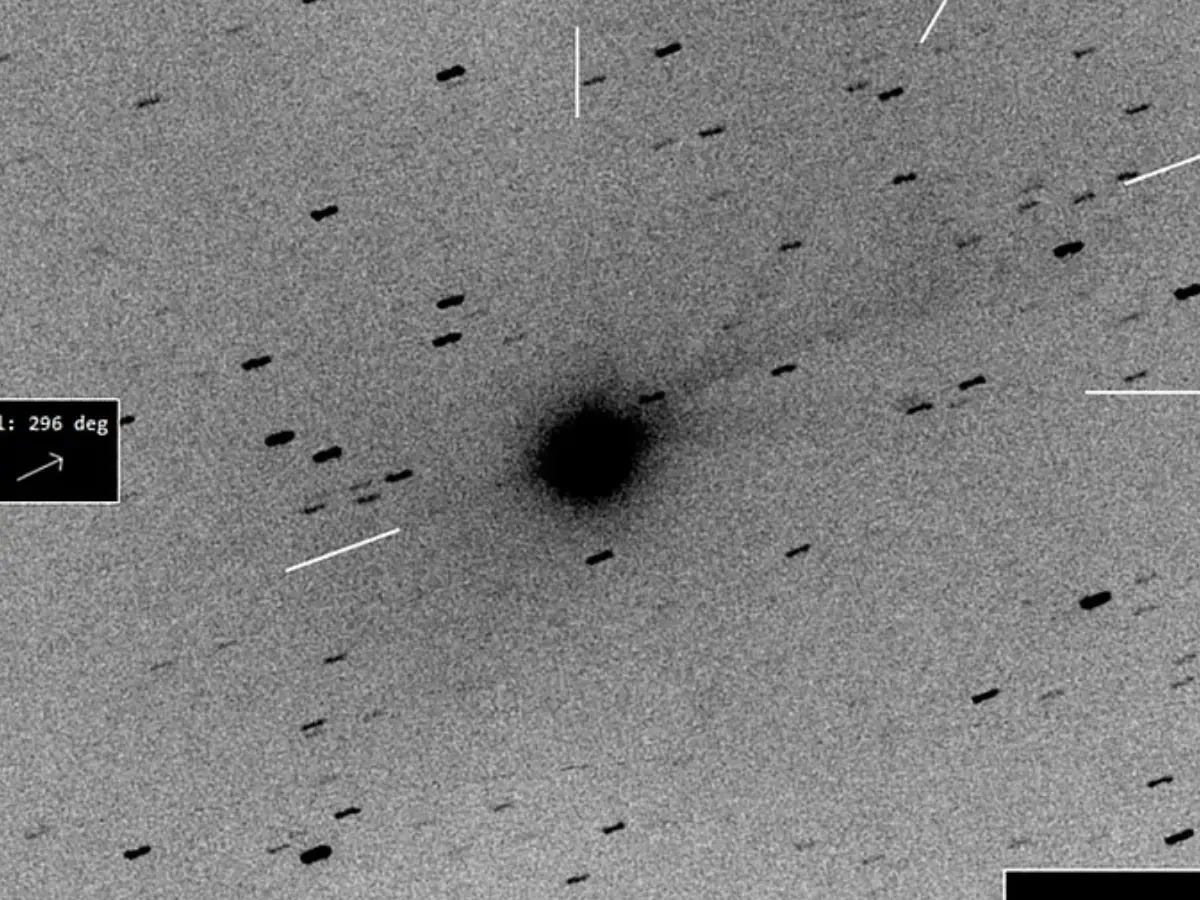
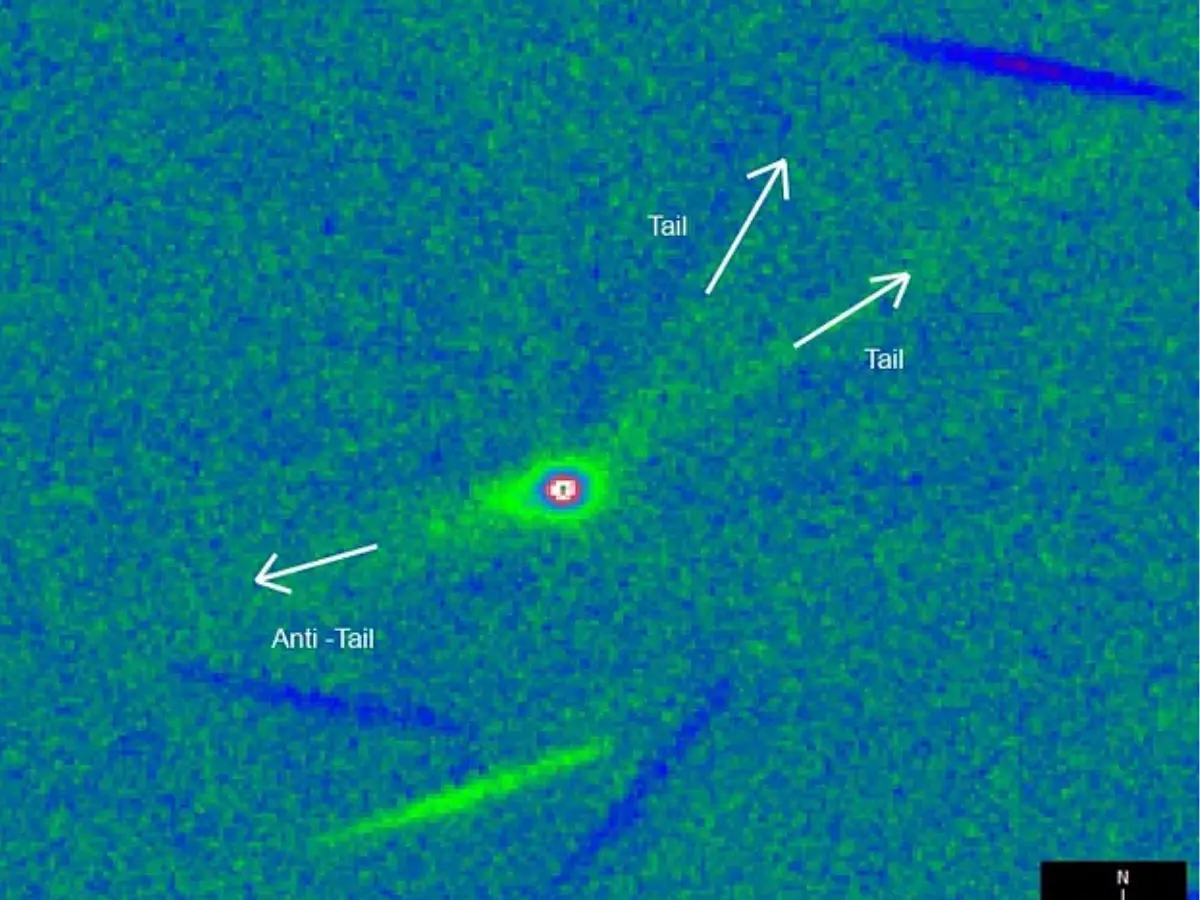
Optical telescopes, including Hubble and large ground-based observatories, recorded a steady increase in the dust coma as 3I/ATLAS warmed. Dust reflected sunlight efficiently, helping astronomers calculate dust mass-loss by modelling brightness changes. The presence of jets and tail structures suggested ongoing dust ejection rather than brief bursts.
5. CO₂ Production Rates Were Among the Highest Seen in a Comet of Its Size
Based on JWST’s measurements, the CO₂ output rate was unusually high for a comet with a nucleus only a few kilometres across. This strong CO₂ activity implies a surface rich in volatile ices that sublimate easily, releasing both gas and dust at significant rates. Such behaviour is rare and is one of the key scientific highlights of 3I/ATLAS.
6. Mass-Loss Increased as It Approached Perihelion in Late 2025
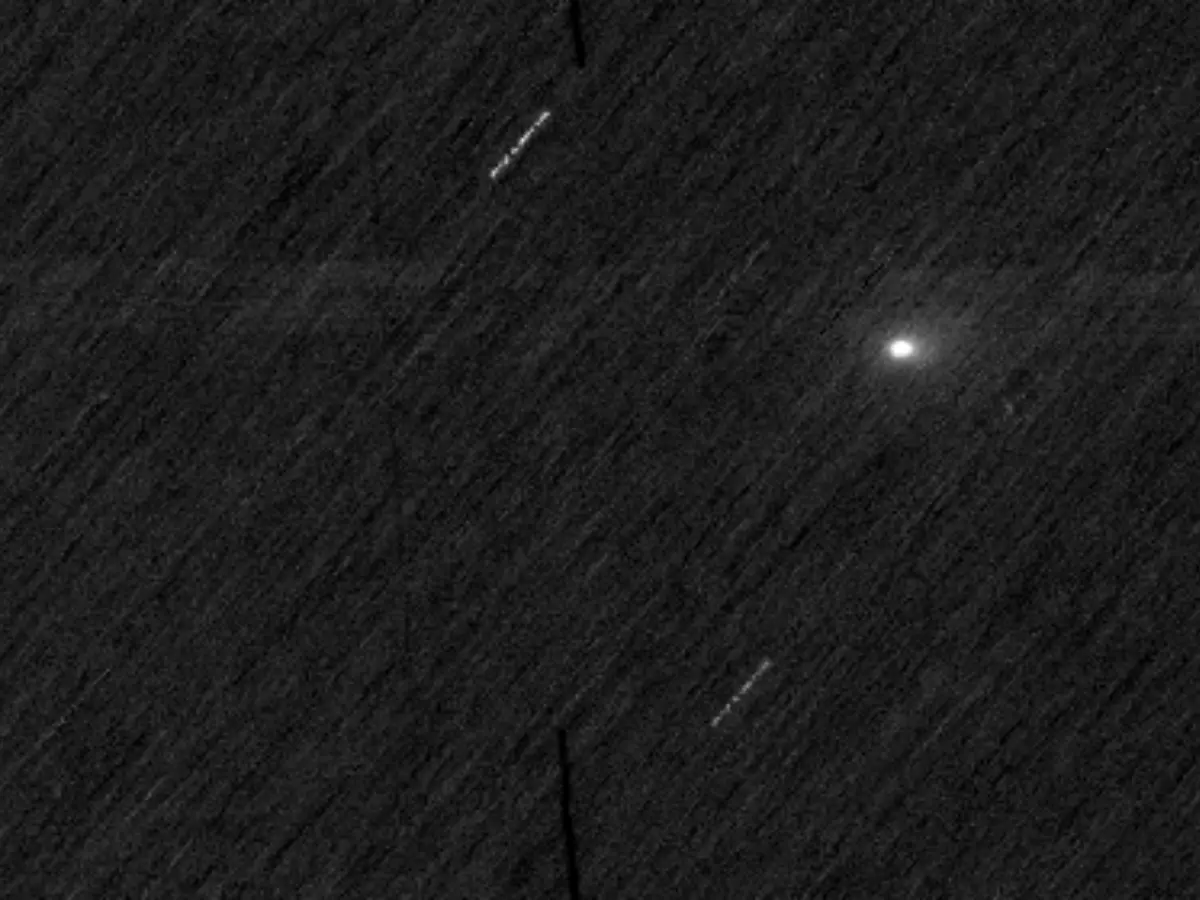
As 3I/ATLAS moved closer to the Sun, solar heating intensified, and both gas and dust production increased accordingly. Observations showed that the coma expanded, the tail lengthened, and gas signatures strengthened, all signs of a rising mass-loss curve. This pattern matched models of volatile-rich comets experiencing peak sublimation near perihelion.
7. Combined Gas and Dust Release Gives Clues About Its Ancient Origin
The total mass-loss, driven largely by CO₂, supported by water and CO, and accompanied by significant dust, points to a nucleus that has been preserved for billions of years in another star system’s cold outer regions. The mix of gases and the strength of activity reveal surface chemistry altered by cosmic-ray processing, making 3I/ATLAS a unique window into planetary formation outside our Solar System.
)
)
)
)
)