'Married at 13, property for life': 7 horrific laws in Khamenei's Iran against women that the world is ignoring

From the moment they are born, Iranian women are legally categorised as second-class citizens, effectively treated as the property of their male relatives.
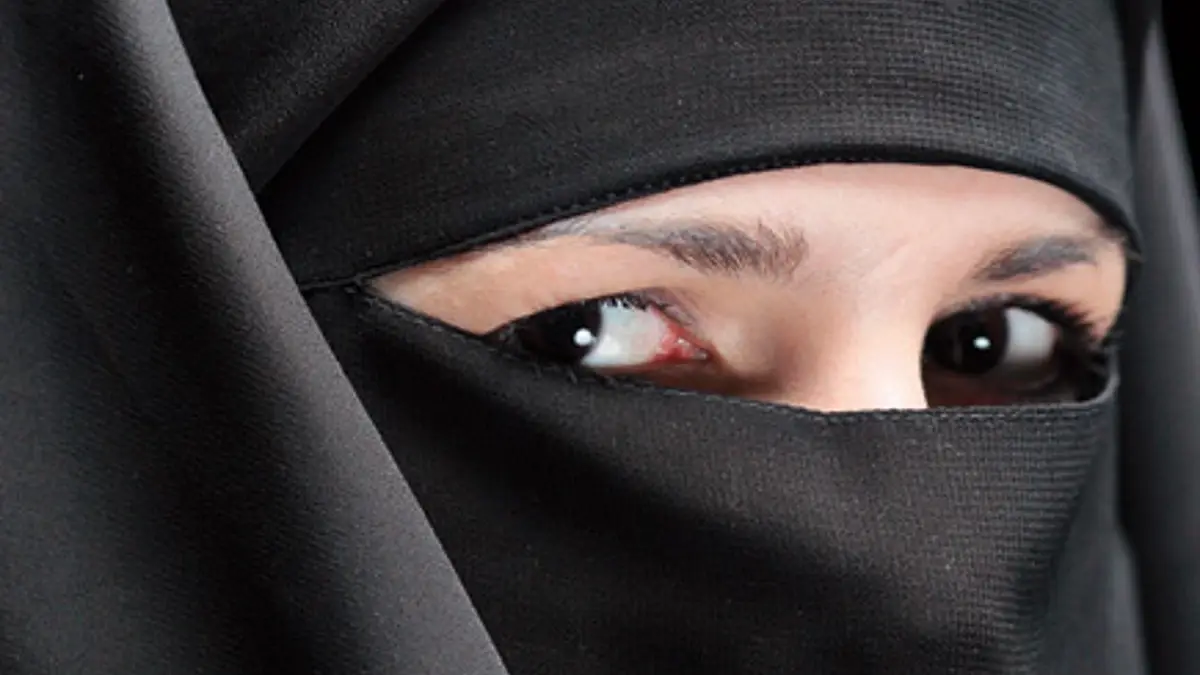
1. Legalized Child Brides (Article 1041)
The law in Iran essentially legalises the abuse of children. Under Article 1041 of the Civil Code, the legal age of marriage for girls is a mere 13 years old. However, the spine-chilling loophole is that girls under 13 can be legally married off if the father consents and a regime-appointed judge approves. The state actively registers tens of thousands of child marriages every year, prioritising demographic growth over the safety of little girls.

2. The 'Hostage' Passport Law (Article 18)
In Iran, a married woman is a literal prisoner of her husband’s mood. Under Article 18 of the Iranian Passport Law, a married woman cannot obtain a passport or leave the country without the explicit, written permission of her husband. He has the absolute legal right to revoke this permission at any moment, right up until she reaches the airport gate, effectively making her a hostage within her own borders.

3. A Woman's Life is Worth Exactly Half (Diya)
The Islamic Republic’s legal system places a mathematical value on human life and a woman’s life is explicitly worth 50% less. Under the Diya (blood money) laws in the Islamic Penal Code, if a woman is murdered or killed in an accident, the financial compensation paid to her family is exactly half of what would be paid if the victim were a man.

4. The 'Father's Loophole' for Honor Killings (Article 301)
The Iranian justice system provides a terrifying legal shield for men who murder their own daughters. While murder is typically punishable by death (Qisas, or retribution), Article 301 of the Penal Code explicitly exempts fathers and paternal grandfathers from the death penalty if they murder their child or grandchild. This loophole has led to horrifyingly lenient sentences for men who commit "honor killings" against young women.
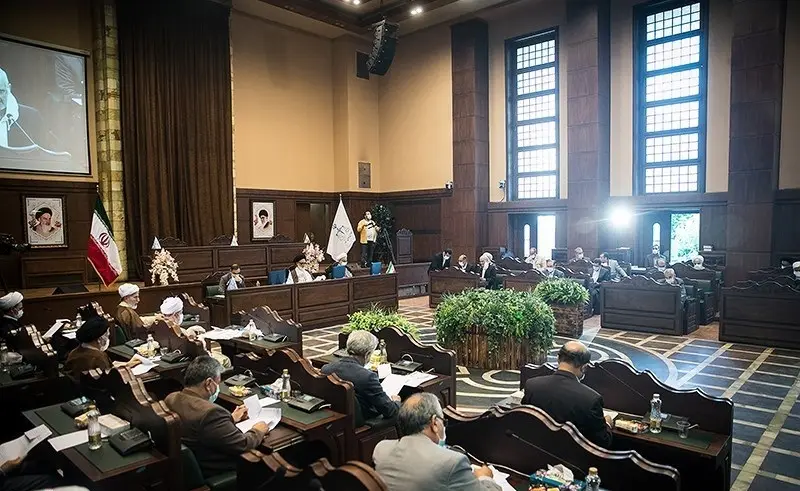
5. Silenced in the Courtroom (Testimony Laws)
If an Iranian woman is the victim of a crime, her voice is legally muffled by the state. In the regime's Islamic courts, the testimony of a woman is mathematically devalued. To prove certain crimes, the testimony of two women is required to equal the legal weight of the testimony of just one man.
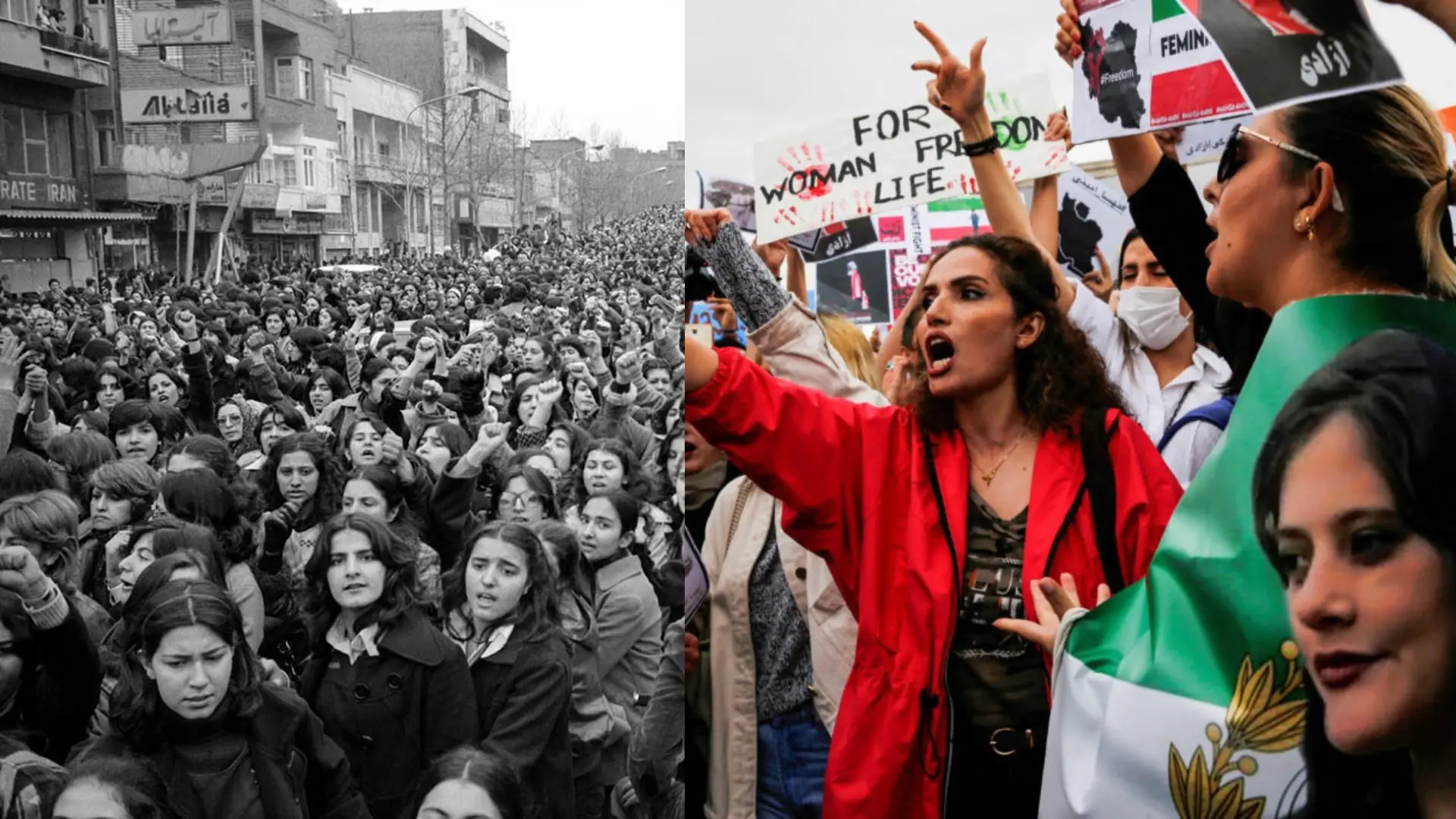
6. The Unilateral Trap of Marriage (Divorce and Custody)
While an Iranian man has the unilateral, absolute right to divorce his wife at any time for any reason, a woman is trapped. For a woman to initiate a divorce, she must endure a grueling legal battle to prove "extreme hardship" (like severe physical abuse or the husband's drug addiction). Even worse, if a divorce is granted, the law automatically transfers custody of children over the age of seven directly to the father, forcing many women to stay in abusive marriages just to keep their kids.
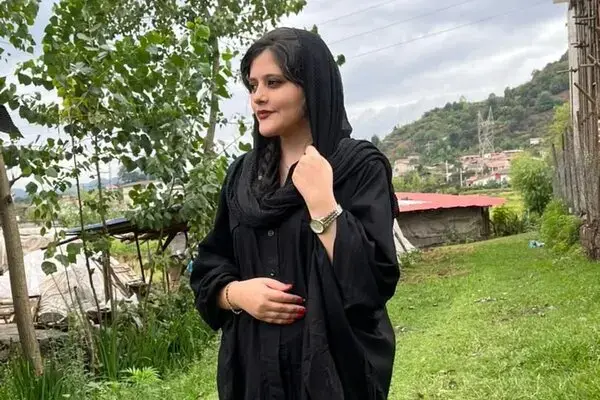
7. The 'Chastity and Hijab' Surveillance State
Following the death of Mahsa Amini, Khamenei’s regime passed some of the most draconian dress code laws on earth. The new "Chastity and Hijab" bills treat the female body as a heavily policed warzone. Women caught on surveillance cameras with uncovered hair face exorbitant bank fines, the confiscation of their vehicles, denial of educational and medical services, and up to 10 years in prison.
)
)
)
)
)