‘Make up your own minds’: What the US Dept of War just revealed about UFOs

On 8 May 2026, the US Department of War released a massive archive of classified Unidentified Anomalous Phenomena files to the public. Dubbed the PURSUE initiative, this interagency effort reveals decades of unexplained military sightings, marking a major shift in global aerospace secrecy.
The PURSUE Initiative
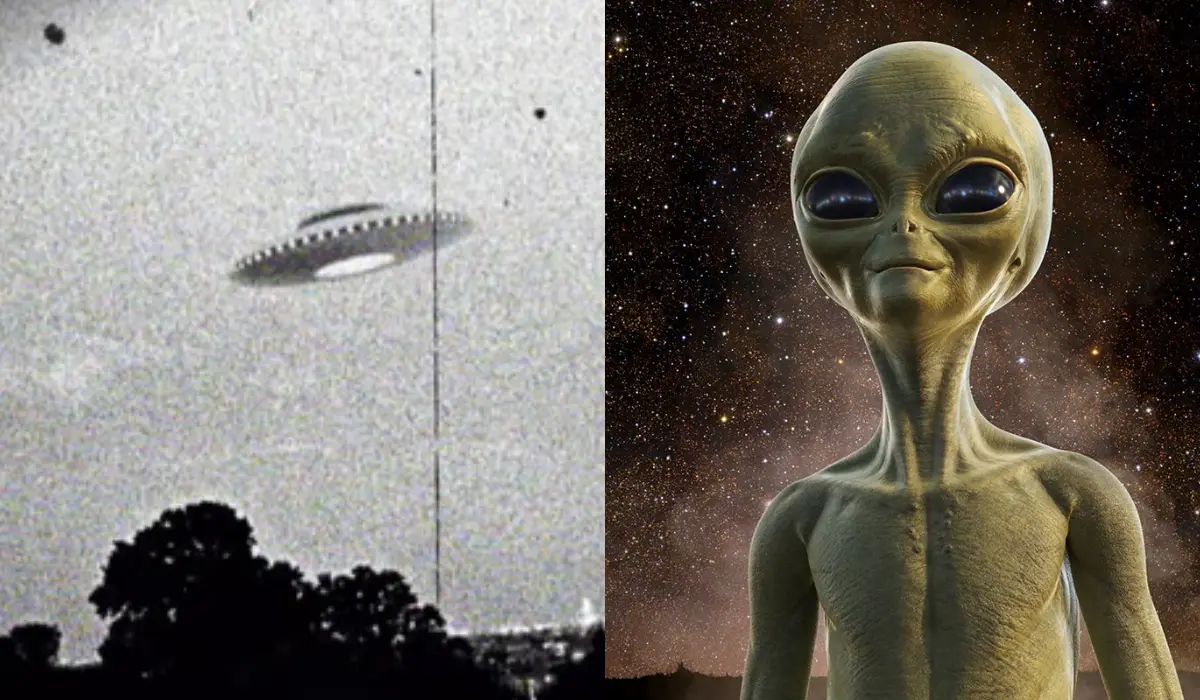
Under a presidential directive, the US Department of War launched the Presidential Unsealing and Reporting System for UAP Encounters (PURSUE). This historic effort declassifies tens of millions of records from multiple intelligence agencies, NASA, and the FBI. The files are now publicly accessible via the new WAR.GOV/UFO database.
A Shift to Total Transparency
Secretary of War Pete Hegseth announced that the government is releasing these files so the public can draw its own conclusions. Unlike past administrations, this initiative provides instant access to previously classified photos, videos, and raw military reports without requiring high-level security clearances.
Unresolved Military Encounters
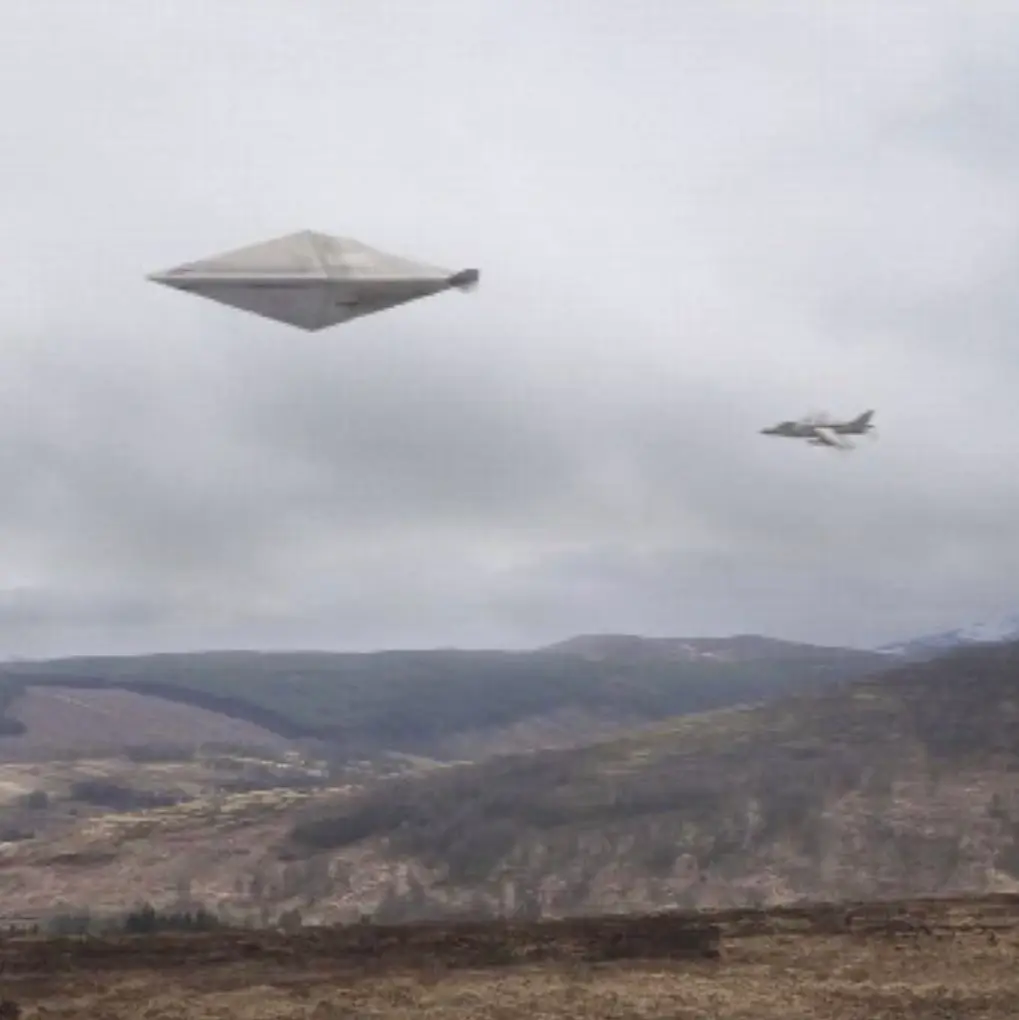
The newly declassified archive strictly contains 'unresolved cases', meaning military experts remain unable to definitively explain the observed phenomena. These cases lack sufficient data for a conventional explanation, prompting the government to invite private-sector analysis to help solve the mysteries.
The Apollo 17 Lunar Anomaly
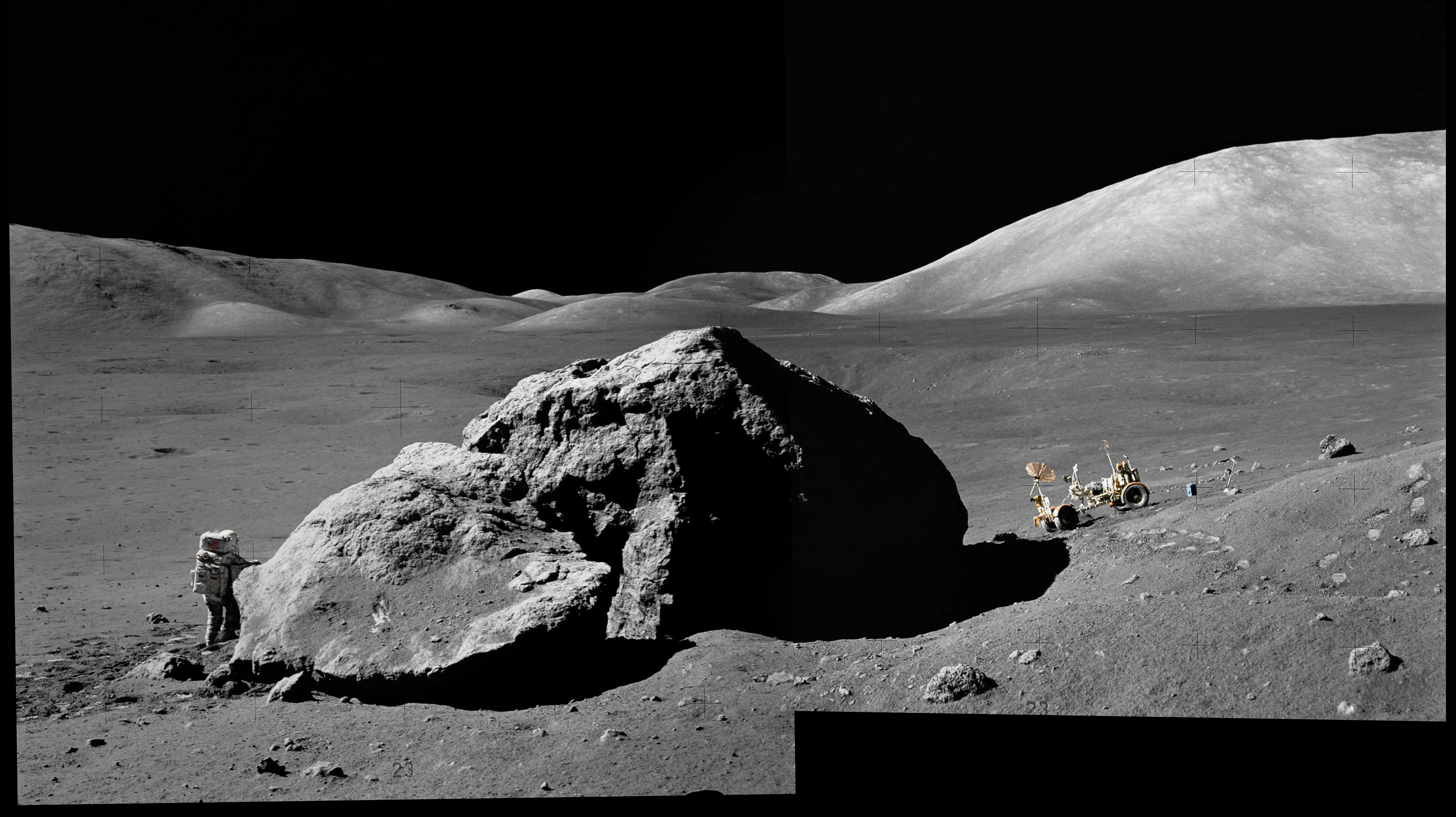
Among the most striking releases is an original Apollo 17 photograph revealing unexplained lights above the lunar surface. The files also document a massive, football-shaped object reported near Japan by US Indo-Pacific Command personnel. Neither incident has been successfully resolved by federal investigators.
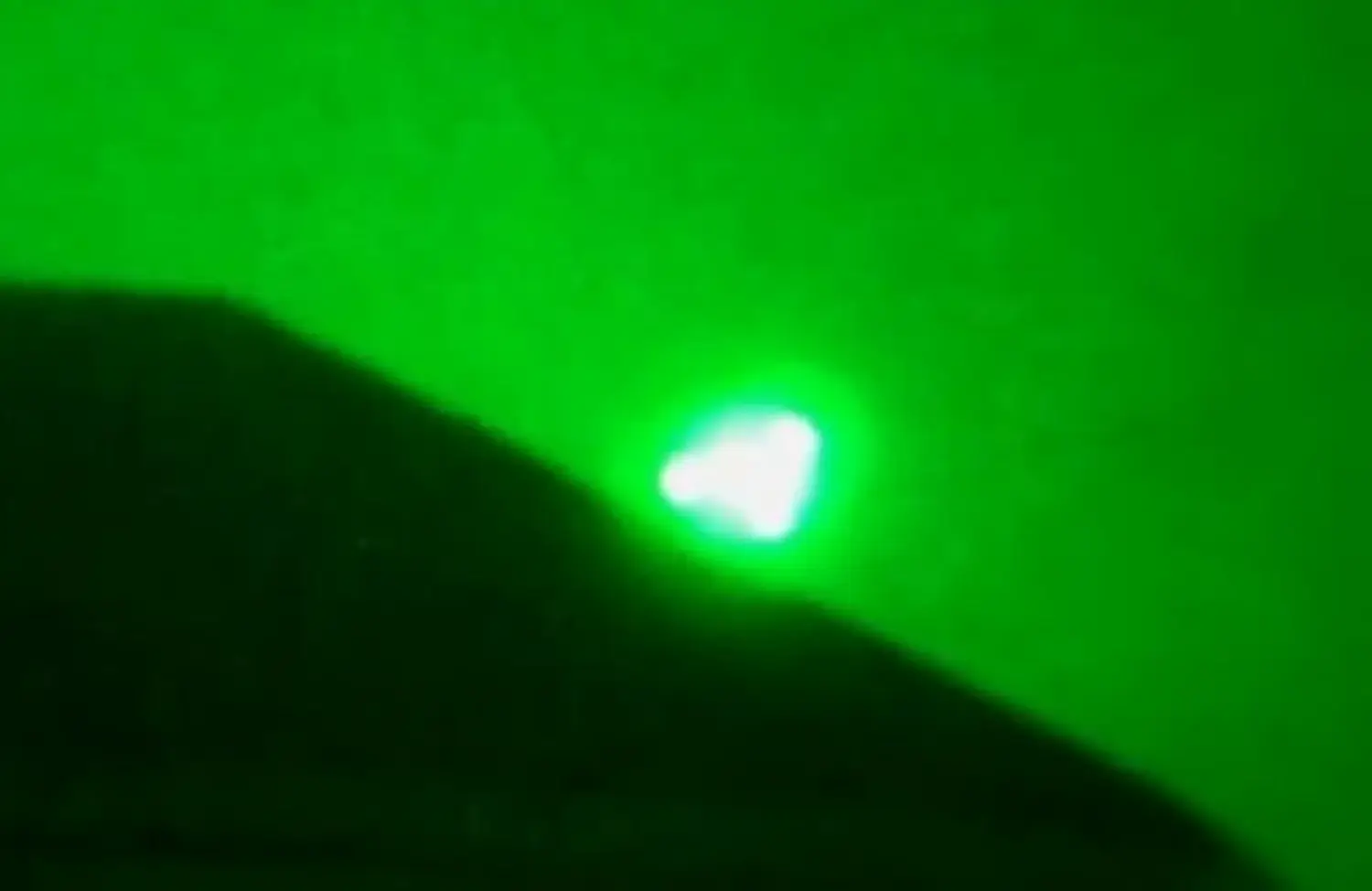
Infrared Sensor Footage
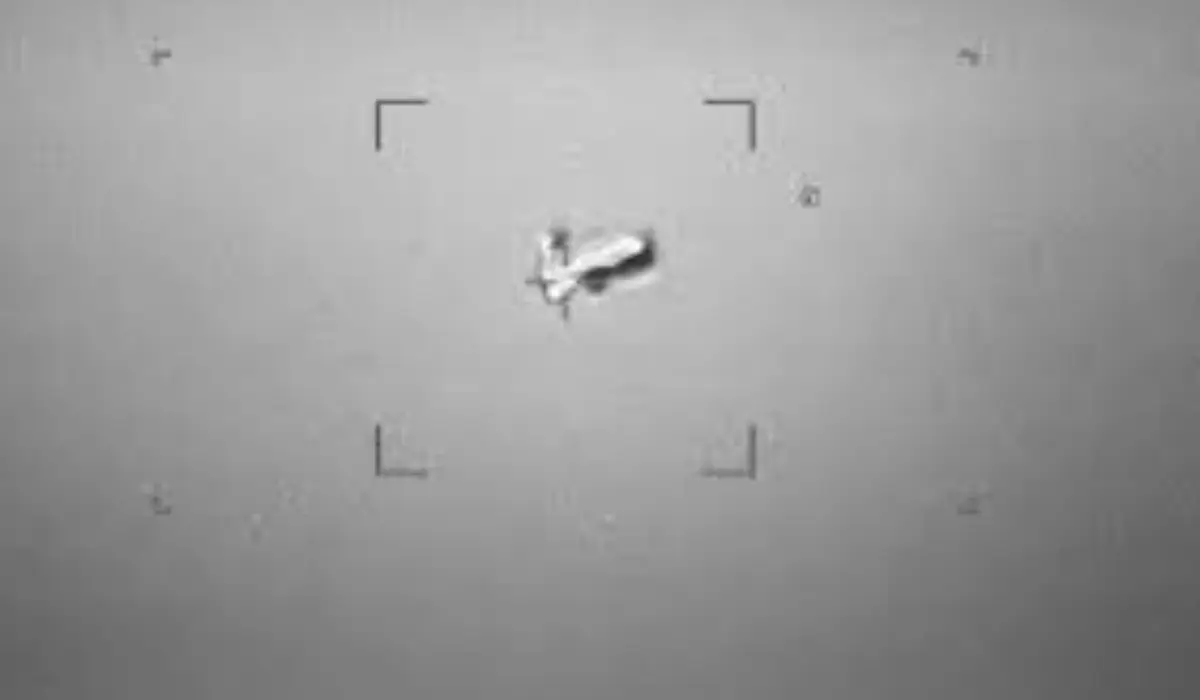
The database features previously classified video clips captured by advanced military sensors and infrared targeting systems. These videos document highly unusual aerial phenomena recorded during US military operations across Europe, Africa, Japan, and the Persian Gulf between 2020 and 2026.

The Multi-Agency Effort
Coordinating this massive declassification required an unprecedented joint effort across the entire US intelligence apparatus. The Office of the Director of National Intelligence (ODNI), the Department of Energy, and the All-domain Anomaly Resolution Office (AARO) all contributed highly restricted files to the public portal.

A Rolling Declassification
Due to the sheer volume of historical and modern records, the Department of War will release additional UAP files on a rolling basis. Officials confirmed that future tranches will be posted every few weeks, ensuring a continuous stream of previously classified aerospace data enters the public domain.
)
)
)
)
)