'Made for high-risk combat': How the F-35 uses sensors and AI to dominate the skies

Equipped with 360-degree infrared vision and new artificial intelligence, the F-35 processes millions of data points per second to give pilots an unmatched advantage in highly contested airspace.
The flying data processor
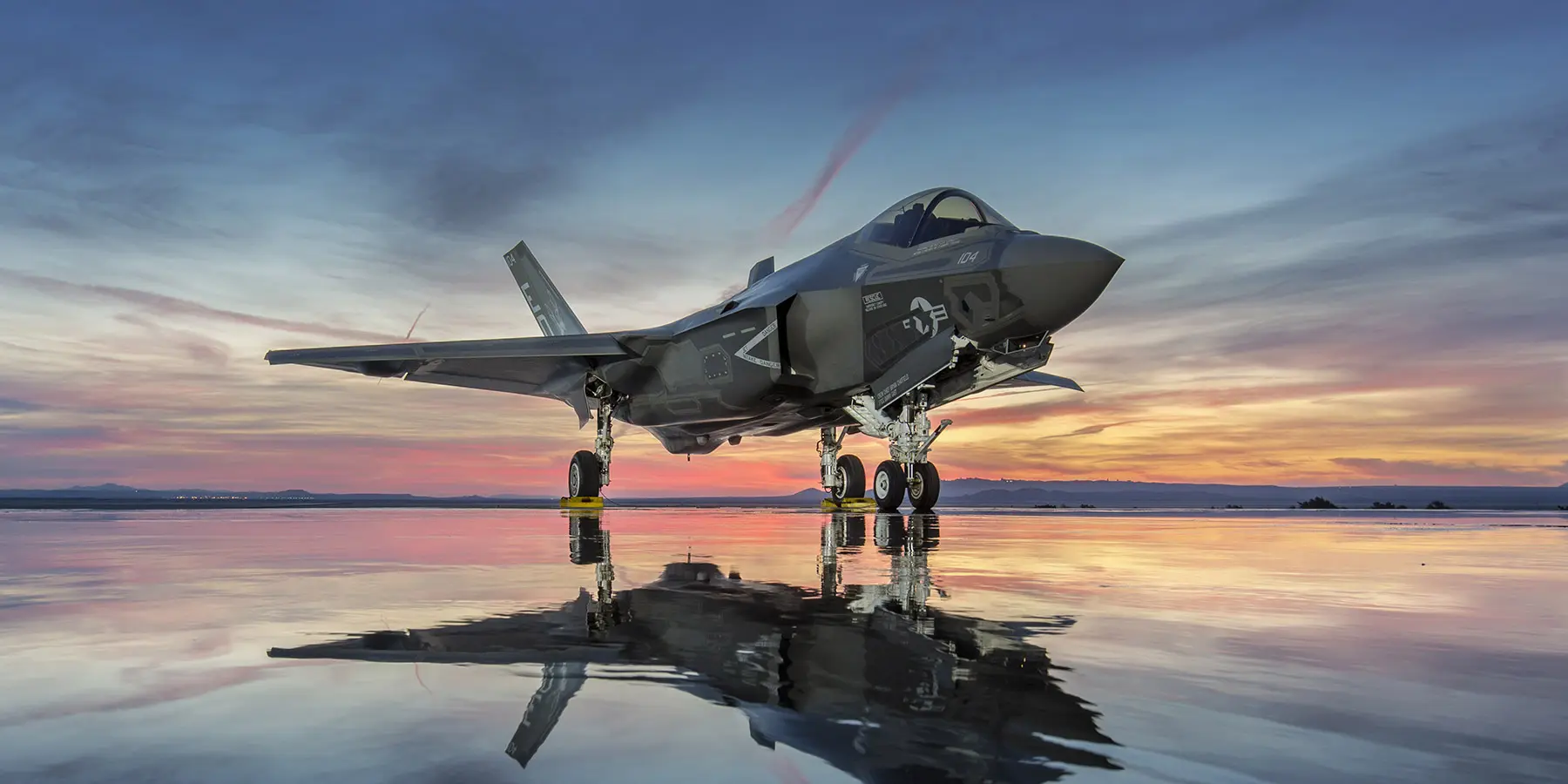
The F-35 Lightning II is fundamentally a highly advanced flying computer. It utilises sensor fusion to instantly combine complex radar, infrared, and electronic signals into one clear tactical picture for the pilot.
Spherical infrared vision
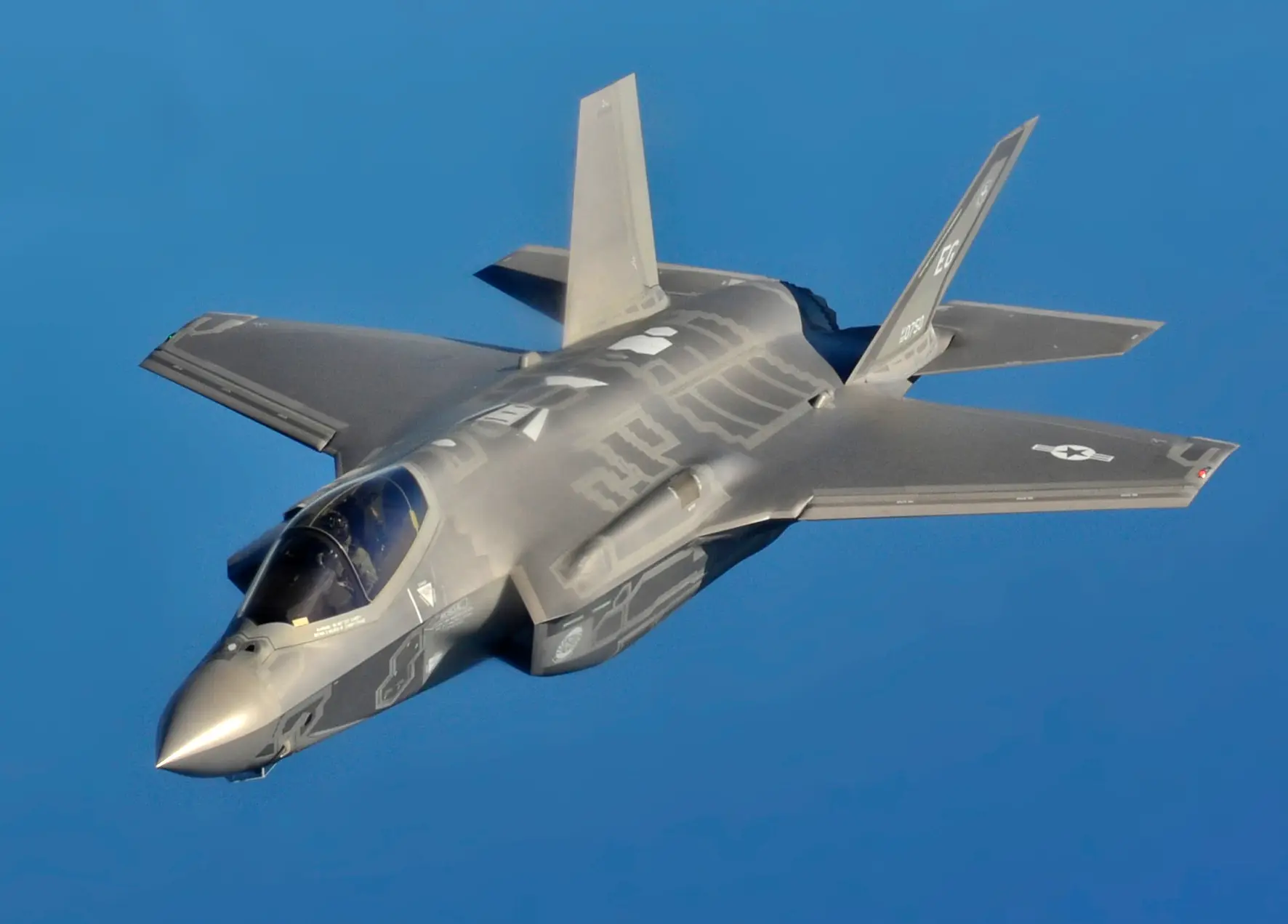
The aircraft is equipped with the AN/AAQ-37 Distributed Aperture System (DAS). Using six embedded infrared cameras, this system provides a continuous 360-degree protective sphere that detects incoming missiles from any angle.
Seeing through the aircraft
Instead of relying on traditional dashboard screens, all fused sensor data is projected onto the pilot's Helmet-Mounted Display. This technology gives pilots the surreal ability to look down and literally 'see' through the floor of the jet.
AI-enhanced target tracking
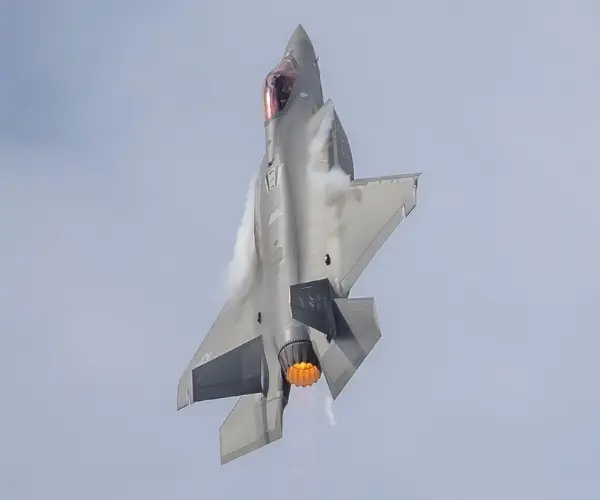
Through a recent initiative called 'Project Overwatch', the F-35 has integrated machine learning algorithms. The onboard AI instantly analyses engine heat and radar emissions to classify unknown enemy aircraft in milliseconds.
The battlefield quarterback
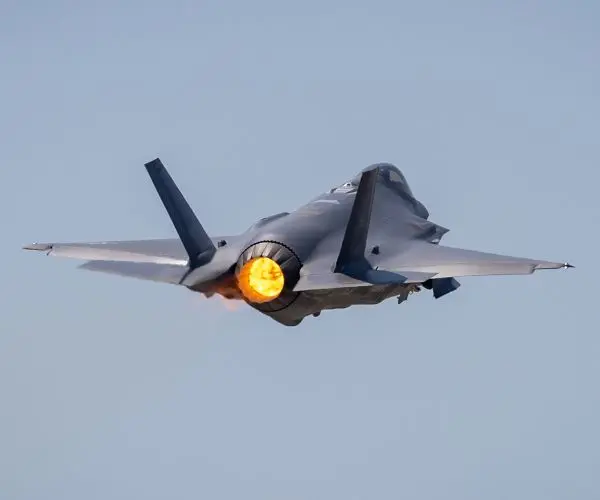
In high-risk combat, the F-35 operates as a tactical quarterback. It secretly maps enemy air defences and securely shares targeting coordinates with older, non-stealth allied aircraft across the battlefield.
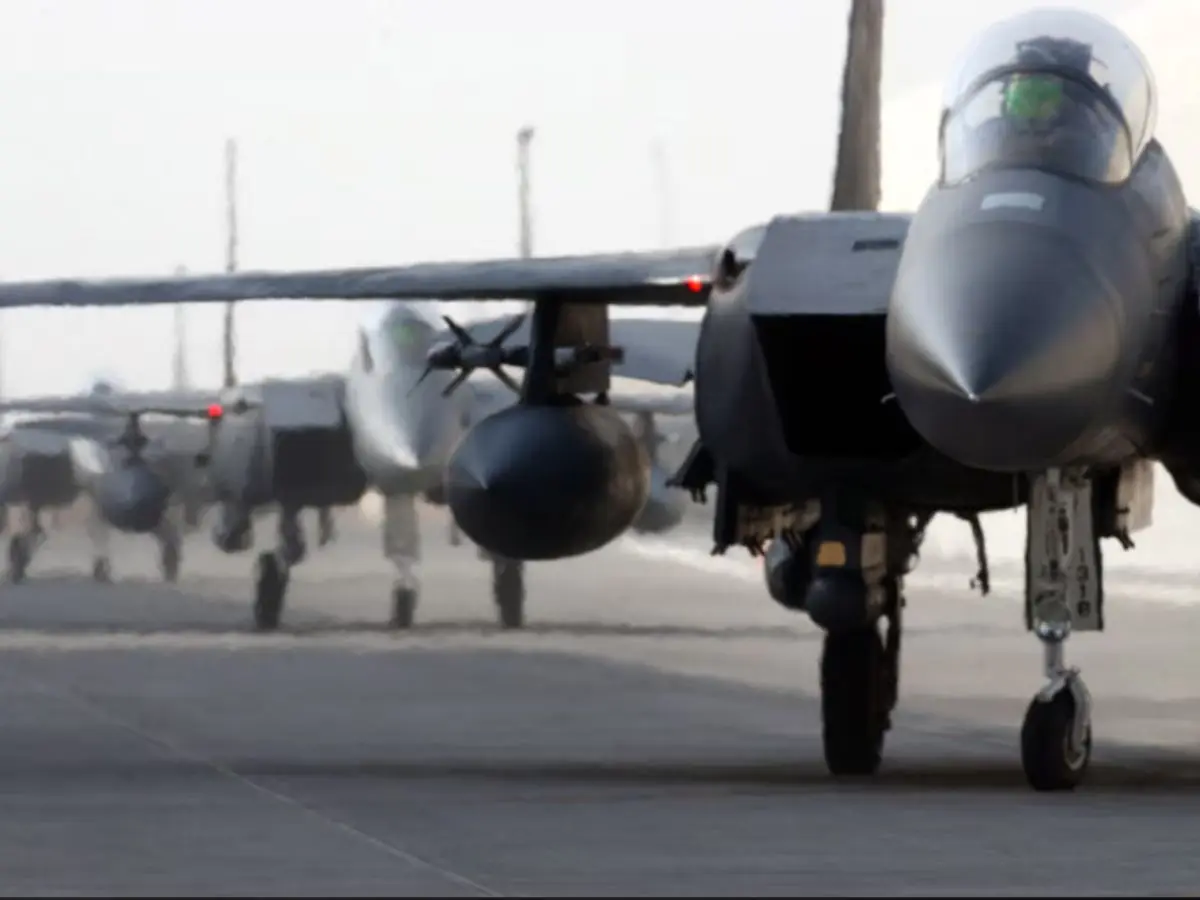
The APG-81 AESA radar
The core of its detection capability is the AN/APG-81 active electronically scanned array radar. This powerful system allows the jet to jam enemy electronics and track long-range airborne threats without giving away its own location.
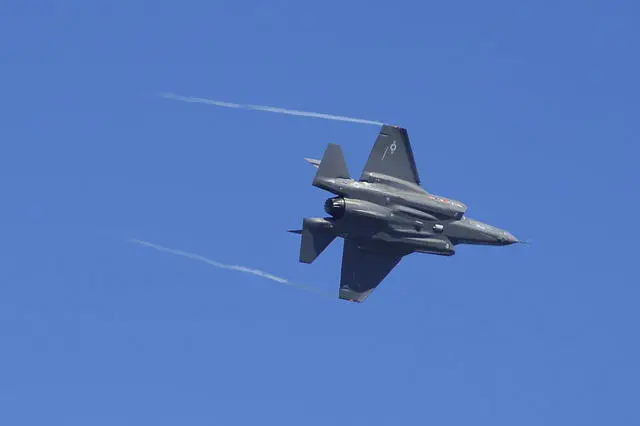
A continuously learning machine
The F-35's artificial intelligence is designed to evolve. Engineers can retrain the machine learning models on the ground and upload updated threat libraries to the jet between combat sorties, ensuring it stays ahead of new dangers.
)
)
)
)
)