'Mach 3 on the Rocks': This Russian fighter jet carried 76 gallons of pure vodka

Unlike the harsh, industrial moonshine often found in remote Soviet garrisons, the MiG-25’s coolant was refined and clean. It became a bizarre form of currency on remote airbases.
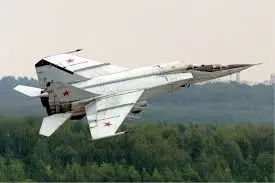
1. The "Heat Wall" Nightmare
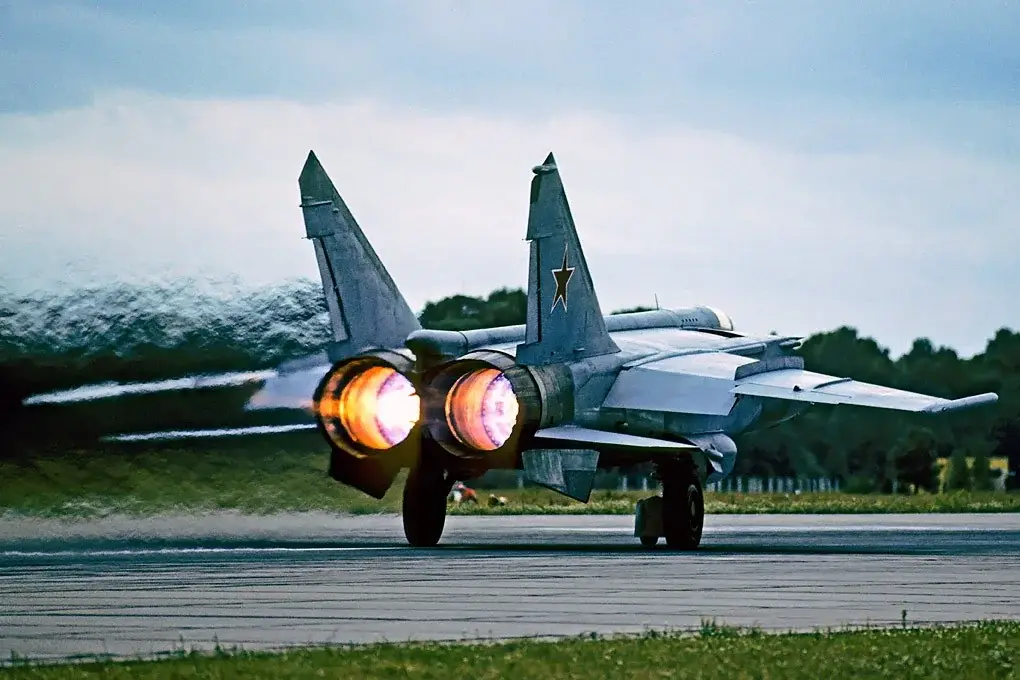
The MiG-25 was built with a singular, terrifying purpose: to intercept American supersonic bombers like the XB-70 Valkyrie. To do this, it had to fly at speeds exceeding Mach 2.8 (roughly 2,100 mph). At these velocities, air friction creates a "thermal barrier" that heats the aircraft skin to over 300°C (572°F). While the engineers solved the structural problem by building the jet out of heavy stainless steel instead of aluminum, they faced a critical issue: the delicate vacuum-tube radar inside the nose would roast instantly in that heat.
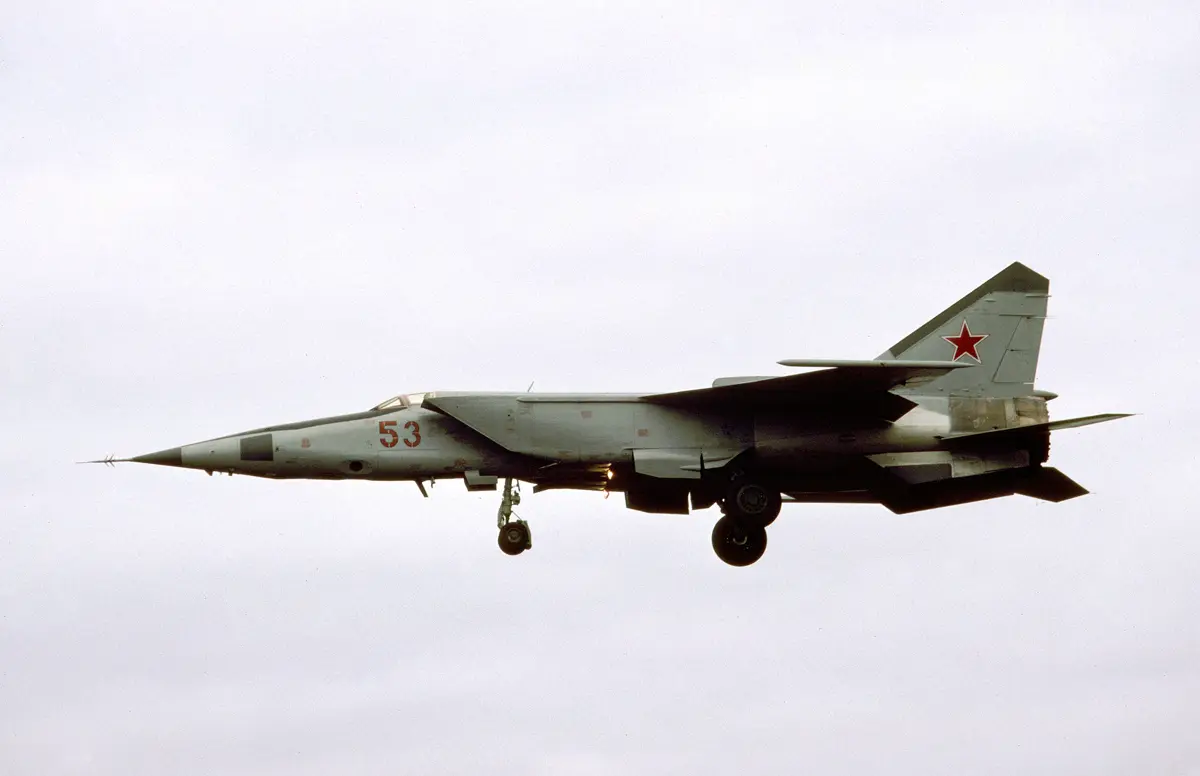
2. The "Evaporation" Solution
Western engineers usually cooled their electronics with heavy, complex refrigeration compressors (like an air conditioner). The Soviet engineers, needing to save weight and complexity, chose a "brute force" method called evaporative cooling. They simply surrounded the hot electronics with a reservoir of cold liquid. As the radar heated up, the liquid would absorb the heat, turn into gas, and vent out into the atmosphere. The system was simple, fail-safe, and required no moving parts.
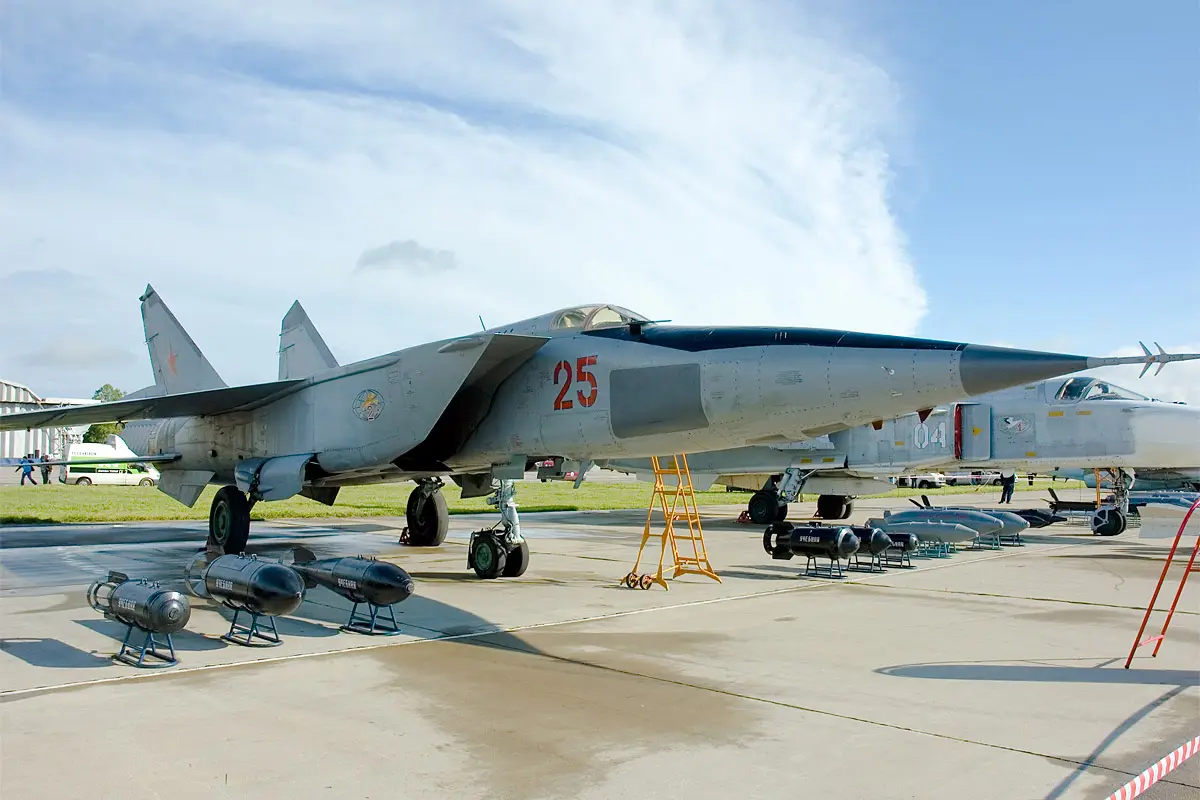
3. The "Massandra" Mix
The cooling liquid had to meet two difficult requirements: it couldn't freeze at high altitudes (where it is -60°C) and it had to absorb heat efficiently. The chemical answer was a mixture of distilled water and high-grade ethanol. The MiG-25 carried this mixture in various concentrations, but the radar coolant was essentially pure grain alcohol diluted with water. In the Soviet Air Force, this specific blend was affectionately known as "Massandra," named after a famous winery in Crimea.
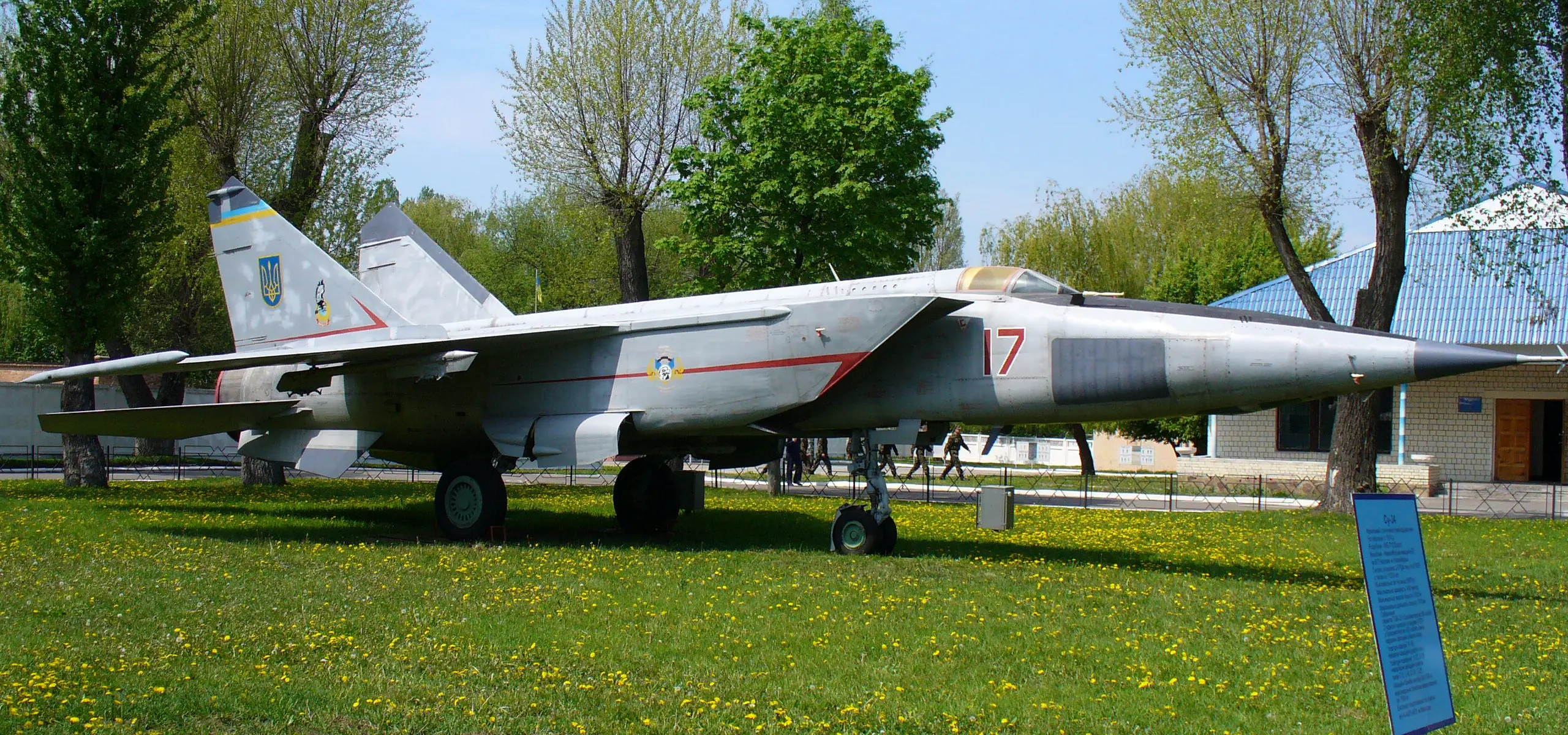
4. A Flying Tank of Alcohol
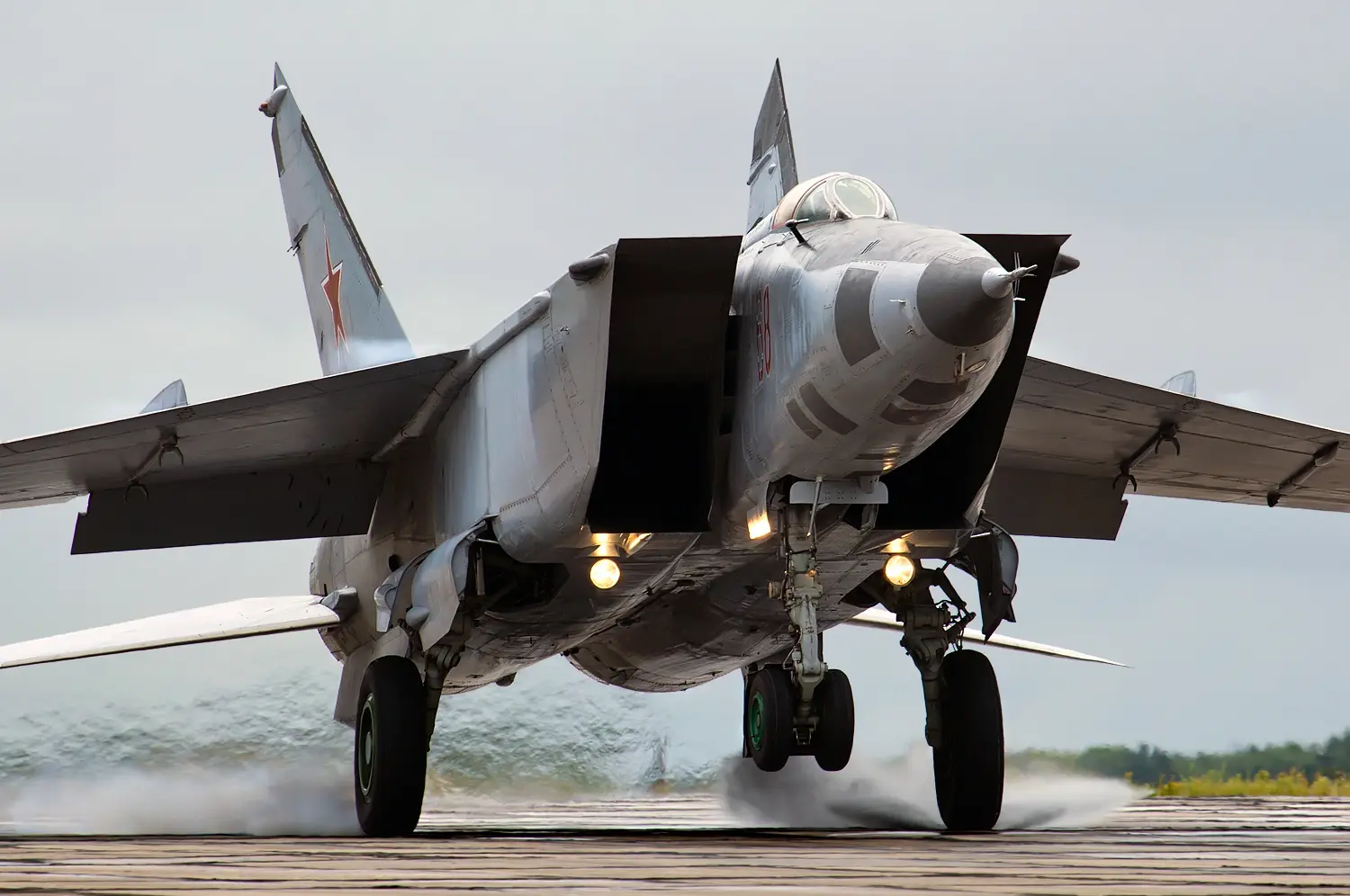
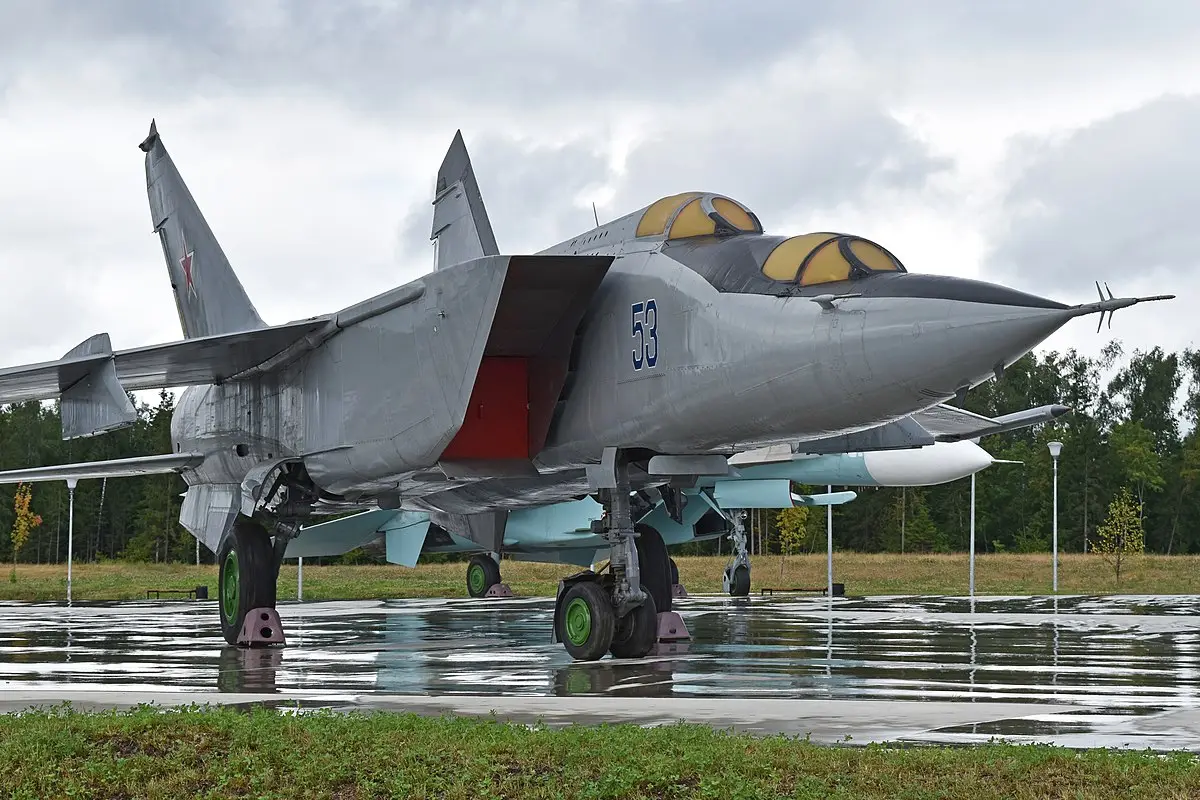
The sheer volume of alcohol required to cool the massive "Smerch-A" radar was staggering. A single MiG-25 carried approximately 290 liters (about 76 gallons) of the alcohol-water mixture solely for the radar cooling system. When you added the de-icing fluids (also alcohol-based) for the windscreen and brakes, the total alcohol payload on the jet could reach nearly 500 litres. It was, quite literally, a tanker of vodka with wings.
5. The "Flying Restaurant" Nickname
Because the cooling system was "open-loop" (it vented the gas out), the alcohol was considered a consumable fuel. However, if a pilot flew a mission without pushing the radar to its limits, the alcohol wouldn't fully evaporate. This created a loophole where the jet would land with gallons of high-quality alcohol still in the tanks. Crews nicknamed the jet the "Flying Restaurant" (Letayushchiy Gastronom). Maintenance logs were often falsified to claim the tank was empty, allowing ground crews to siphon off the remaining "coolant" for personal consumption.
6. The "Wives' Delight" Phenomenon
Unlike the harsh, industrial moonshine often found in remote Soviet garrisons, the MiG-25’s coolant was refined and clean. It became a bizarre form of currency on remote airbases. There are documented accounts from former Soviet personnel stating that even the officers' wives preferred the "MiG alcohol" because it tasted cleaner than the vodka available at the local stores and didn't have the foul smell of cheap fuse oils. It was considered a luxury good, delivered by a Mach 3 fighter jet.
7. The Failed Prohibition
The theft of coolant became such an epidemic that it reached the highest levels of the Soviet military command. Engineers attempted to replace the ethanol with a non-potable (toxic) methanol mixture to stop the drinking. However, the plan was scrapped. The official reason given was that the toxic fluid was too dangerous for crews to handle, but the unofficial reality was a near-mutiny by the aircrews who claimed the new fluid "didn't cool the radar properly." The original alcohol formula remained in use until the end of the MiG-25's service life.
)
)
)
)
)