'LPG vs electric stove': How Iran War could lead to green energy revolution in Indian kitchens

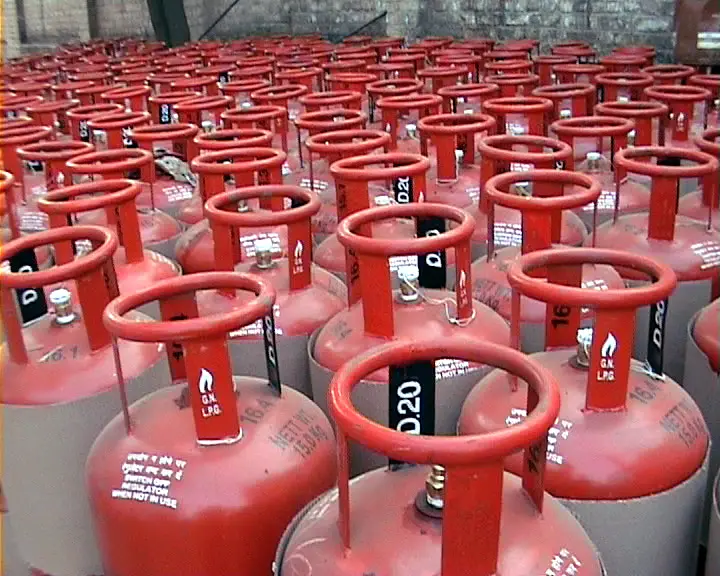
The closure of the Strait of Hormuz hasn't just choked off India's cooking gas; it has fundamentally broken the Indian middle class's trust in the red LPG cylinder. We are currently witnessing the fastest, most aggressive pivot to electric cooking in Indian history.
1. The Middle East Vulnerability Trap
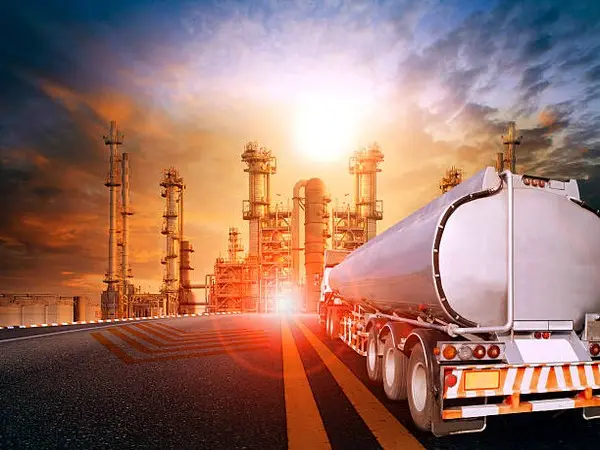
India's LPG crisis was a disaster waiting to happen. The country imports roughly 60% of its domestic cooking gas, and the vast majority of those imports travel straight through the Strait of Hormuz. With the US-Iran war choking off this exact maritime corridor, the supply chain has collapsed. The realisation that an American missile strike in Tehran can instantly turn off a gas stove in Bengaluru has deeply spooked the Indian public. Relying on the Middle East to boil tea is no longer a viable national strategy.
2. The 37% 'IEEFA' Economic Reality
The shift to electricity isn't just a desperate emergency measure; it is mathematically superior. According to a recent analysis by the Institute for Energy Economics and Financial Analysis (IEEFA), electric cooking is already 37% cheaper than using non-subsidized LPG. As the war drives international gas and freight prices into the stratosphere, and black market commercial cylinders hit ₹5,000, the economic argument for the traditional gas cylinder has entirely evaporated.
3. The Appliance Retail Boom
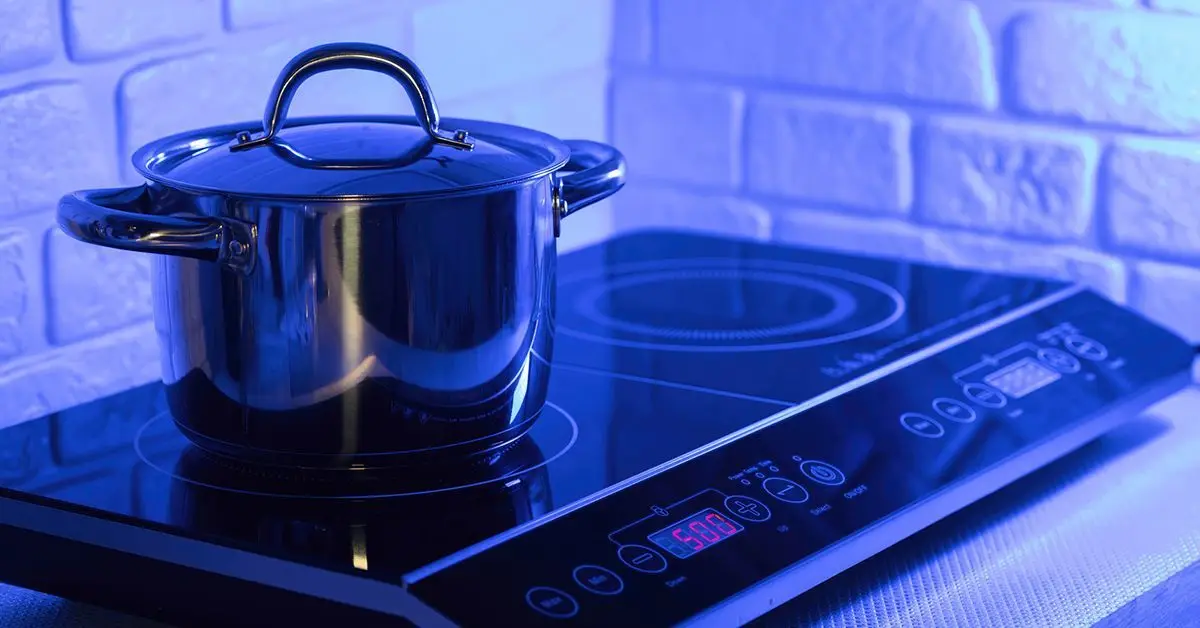
With domestic refills locked behind a strict 25-day waiting period, a massive consumer pivot is underway. Electronics retailers across India are reporting an unprecedented surge in the sales of electric induction cooktops, microwaves, and air fryers. The urban middle class isn't waiting for the gas agencies to sort out the logistics; they are physically bypassing the LPG cartel by plugging their kitchens directly into the wall.
4. Enter the 'PM Surya Ghar' Masterstroke
This electric pivot perfectly collides with the government's massive renewable energy push. The ₹75,021-crore PM Surya Ghar: Muft Bijli Yojana, designed to provide rooftop solar panels and up to 300 units of free electricity every month, has suddenly become the ultimate geopolitical shield. Families realizing they can generate their own power on their roof to run an induction stove for free are scrambling to register for the scheme, accelerating solar adoption at a breakneck pace.
5. Decoupling the Kitchen from Geopolitics
This is the true definition of "Atmanirbhar Bharat" (Self-Reliant India). When an Indian household pairs a subsidized rooftop solar grid with an electric induction stove, they achieve complete energy sovereignty. It effectively unplugs their kitchen from the chaos of the Persian Gulf. Whether oil prices hit $150 a barrel or the IRGC mines the Strait of Hormuz, a solar-powered Indian kitchen will continue to function seamlessly.
6. The Grid Overload Threat
There is, however, a terrifying short-term bottleneck. If millions of urban households simultaneously switch on 2000-watt induction stoves at 7:30 PM to cook dinner, it will place an apocalyptic strain on local power infrastructure. State electricity boards, which are already struggling with peak summer loads, are warning of imminent, massive localized transformer blowouts and rolling blackouts. You solve the gas crisis, but you risk temporarily crashing the electricity grid until infrastructure catches up.
7. The Death of the Gas Agency Era
Just as the landline telephone vanished with the arrival of the smartphone, the bulky, heavy, red LPG cylinder is rapidly becoming a relic of the past. The war in Iran could practically accelerate India's National E-Cooking Mission by a decade. In five years, dragging a heavy gas cylinder into a high-rise apartment will look as outdated as burning firewood. The future of the Indian kitchen is electric, and the Middle East just forced our hand.
)
)
)
)
)