'Low and slow': How the A-10 Warthog supports troops on the ground

The A-10 Warthog provides critical close air support using low-altitude precision, a 30mm cannon, and heavy titanium armour to protect pilots and infantry during combat operations.
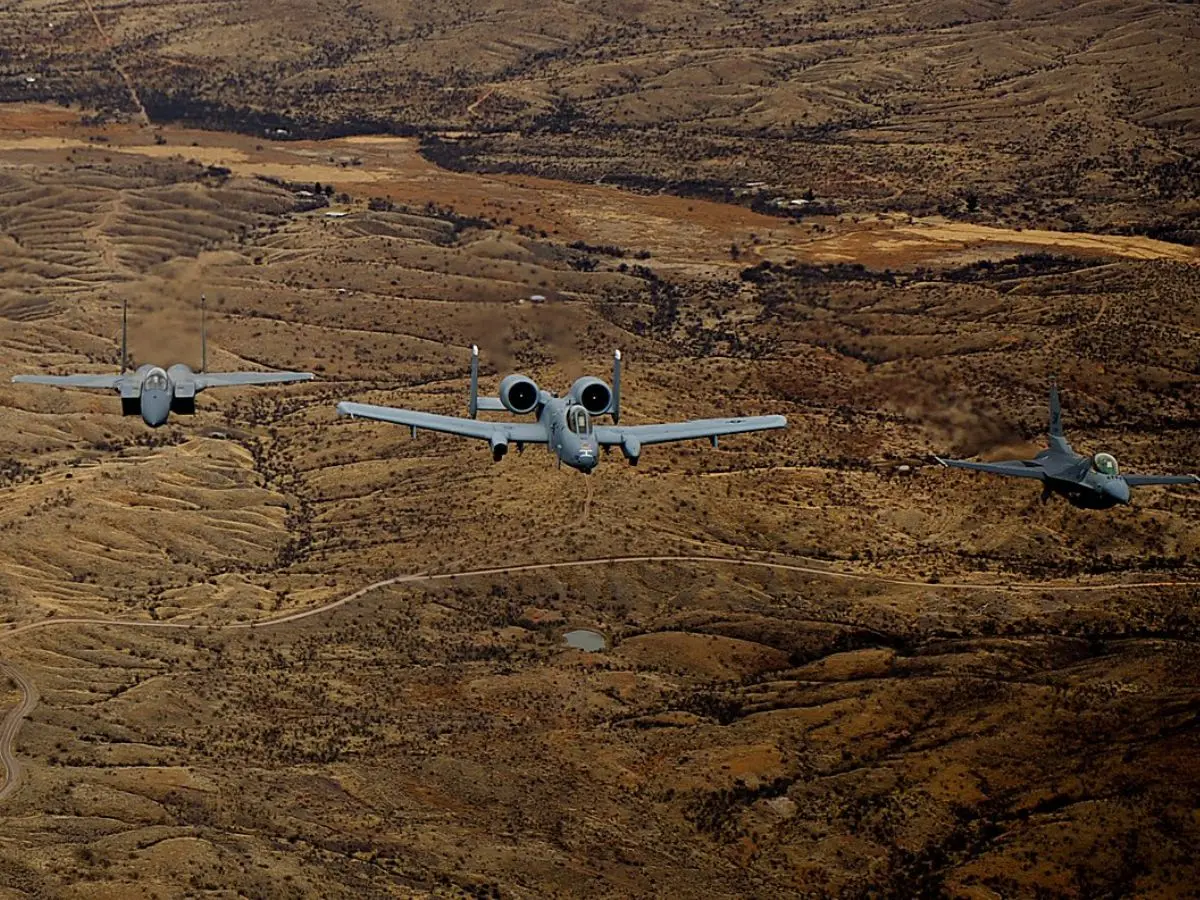
Built around 30mm cannon
The A-10 Warthog is built around its massive GAU-8/A Avenger 30mm rotary cannon. This powerful weapon fires armour-piercing ammunition at a high rate, allowing the aircraft to effectively destroy enemy tanks and armoured vehicles on the battlefield.
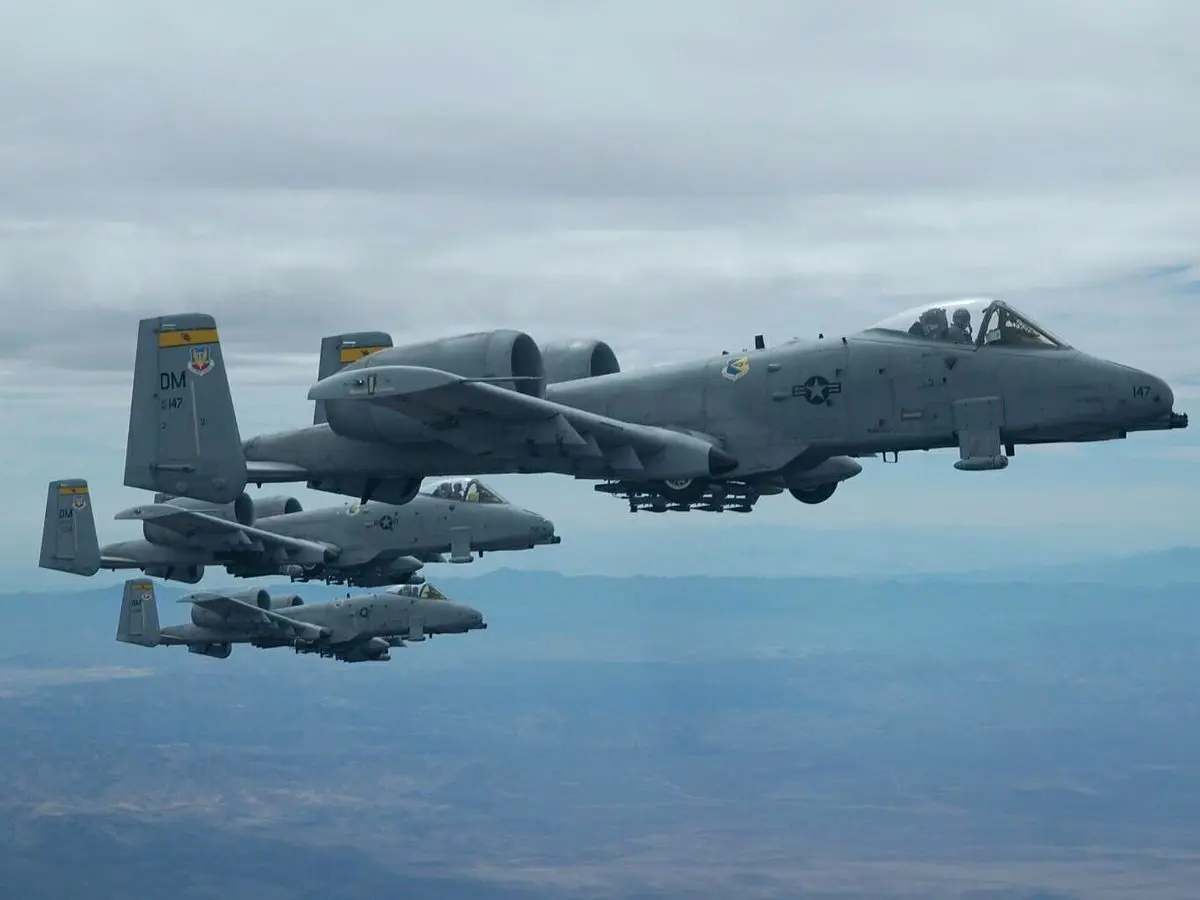
Fires 3,900 rounds quickly
The rotary cannon can shoot up to 3,900 rounds per minute, giving it a devastating impact against hostile targets. This rapid firing capability ensures that ground troops receive immediate and overwhelming fire support when facing heavily armed adversaries.
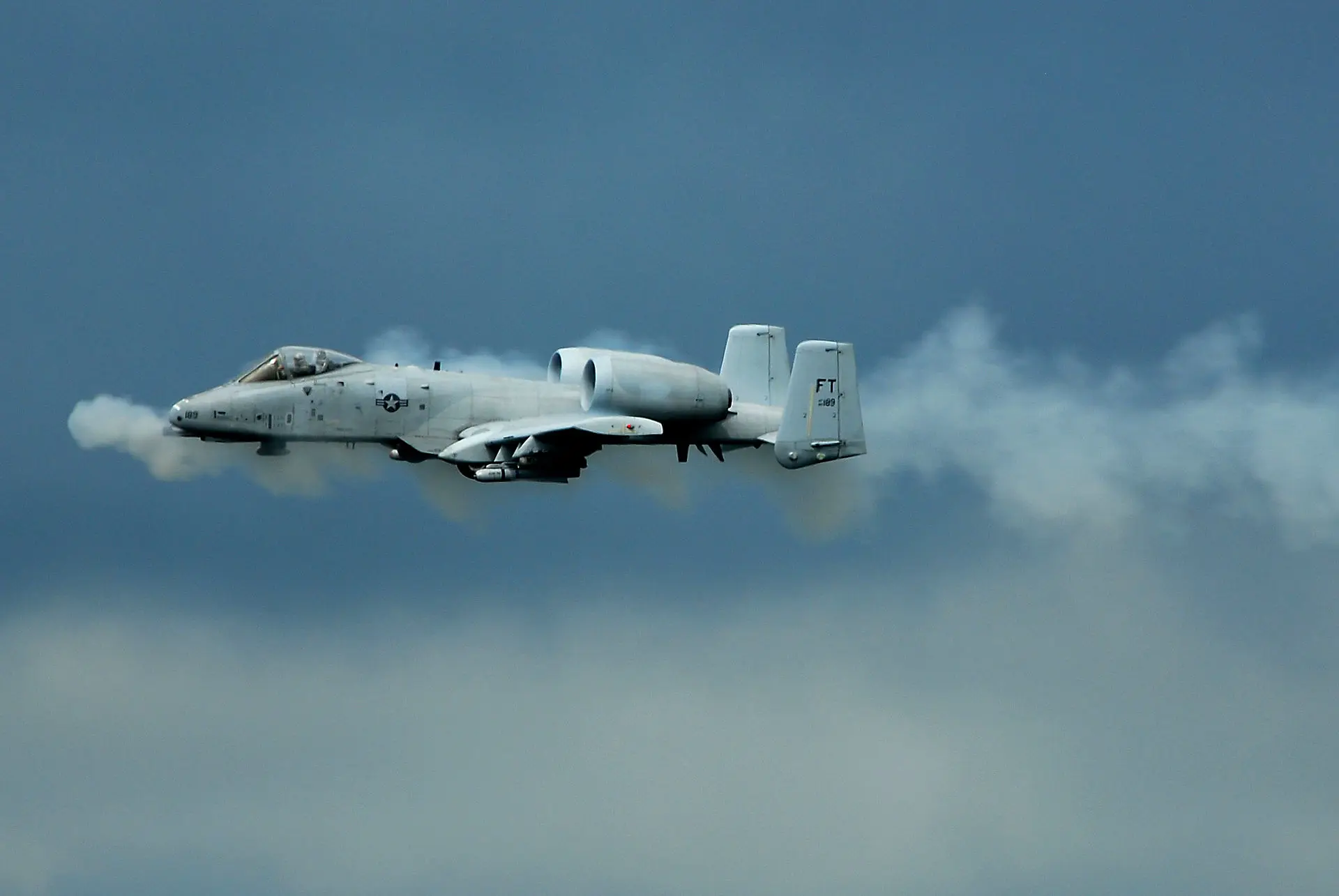
Flies at 300 knots
Unlike faster fighter jets, the Warthog operates at a relatively slow speed of about 300 knots, allowing for immense precision. Flying low and slow enables pilots to visually identify friendly forces and accurately strike enemy positions.
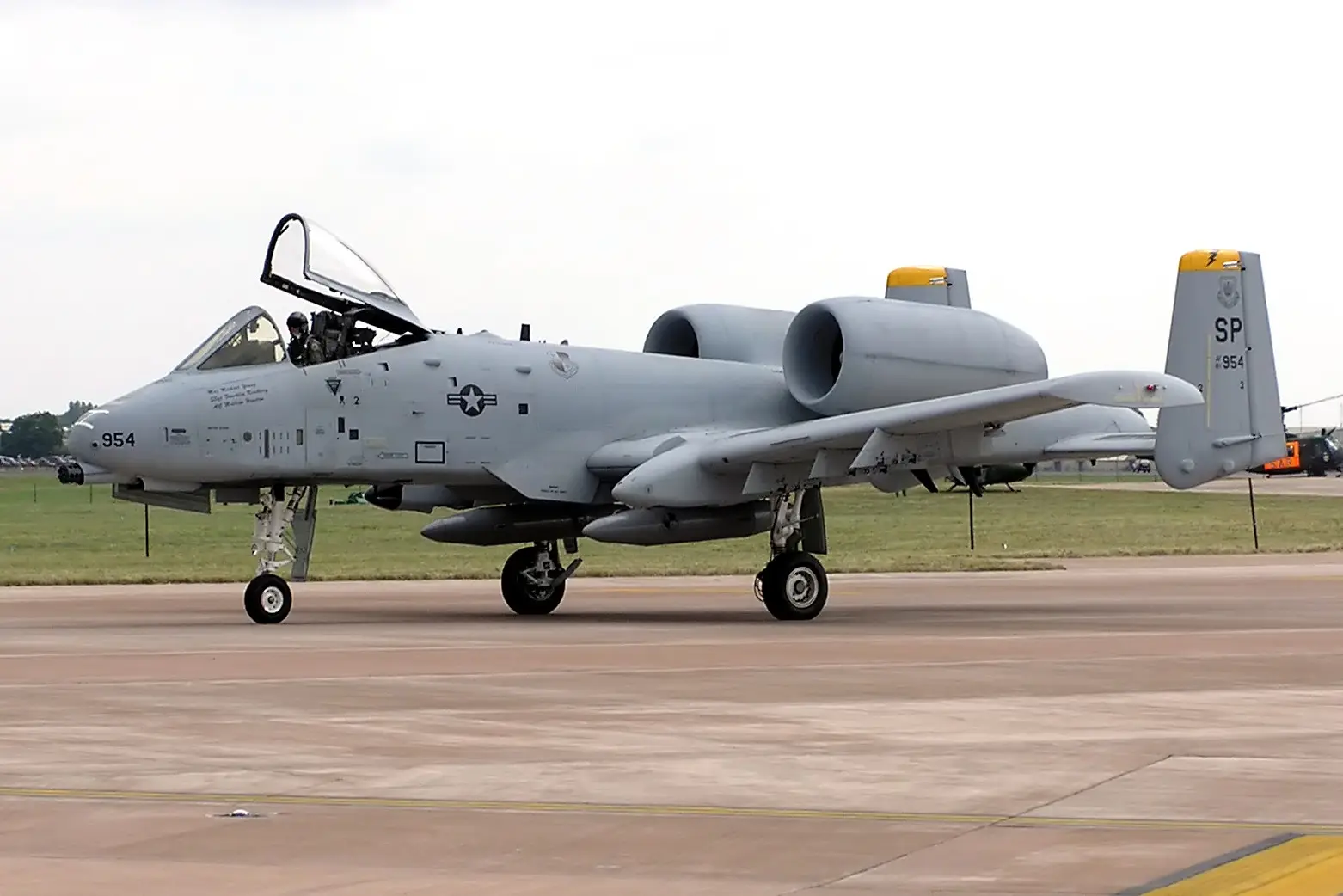
540 kilogrammes of titanium
The pilot and flight control systems are protected by a titanium bathtub weighing roughly 540 kilogrammes. This heavy armour allows the aircraft to withstand direct hits from ground fire, ensuring the pilot can survive in hostile environments.
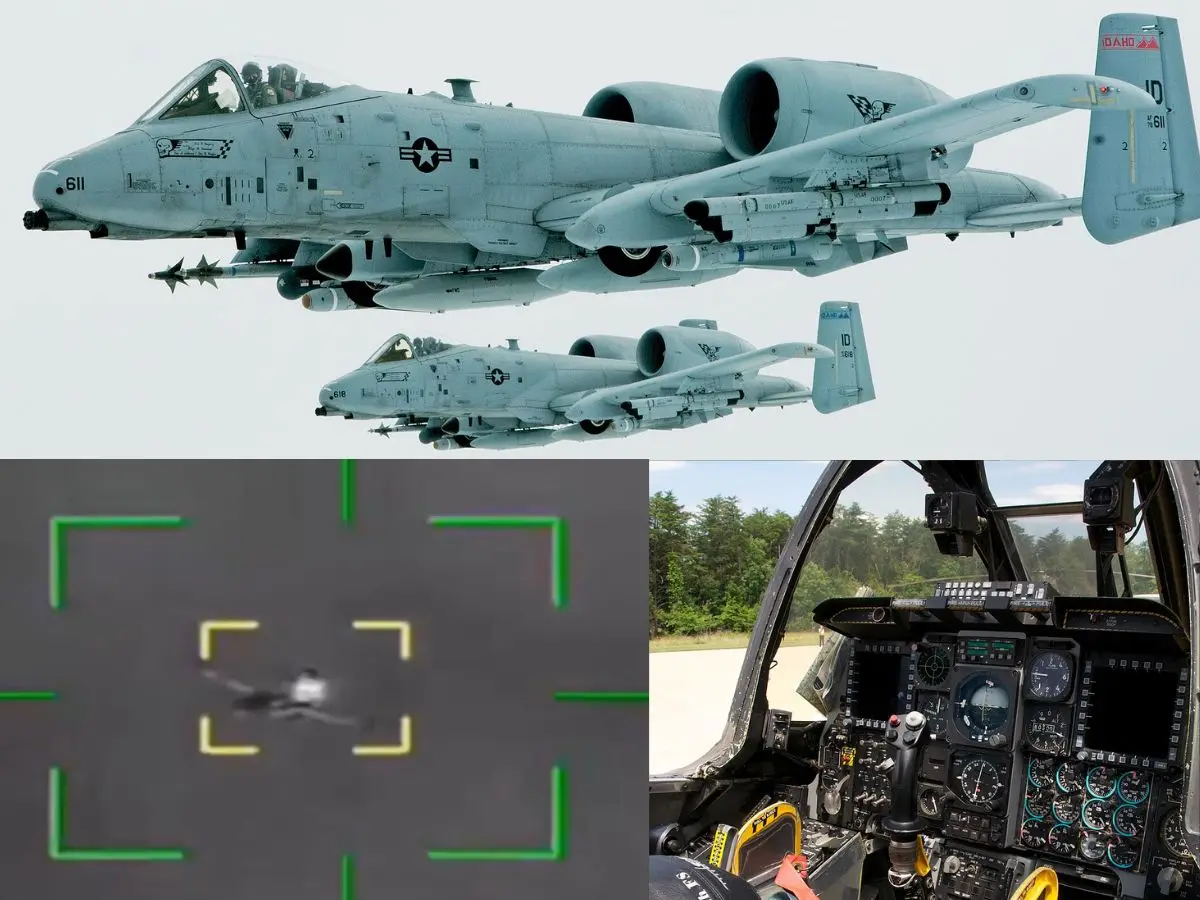
Carries 7,200-kilogramme payload
Beyond its primary gun, the A-10 can carry up to a 7,200-kilogramme payload of mixed ordnance on its wings and fuselage. This impressive capacity includes bombs, missiles, and rockets, making it highly versatile for close air support.
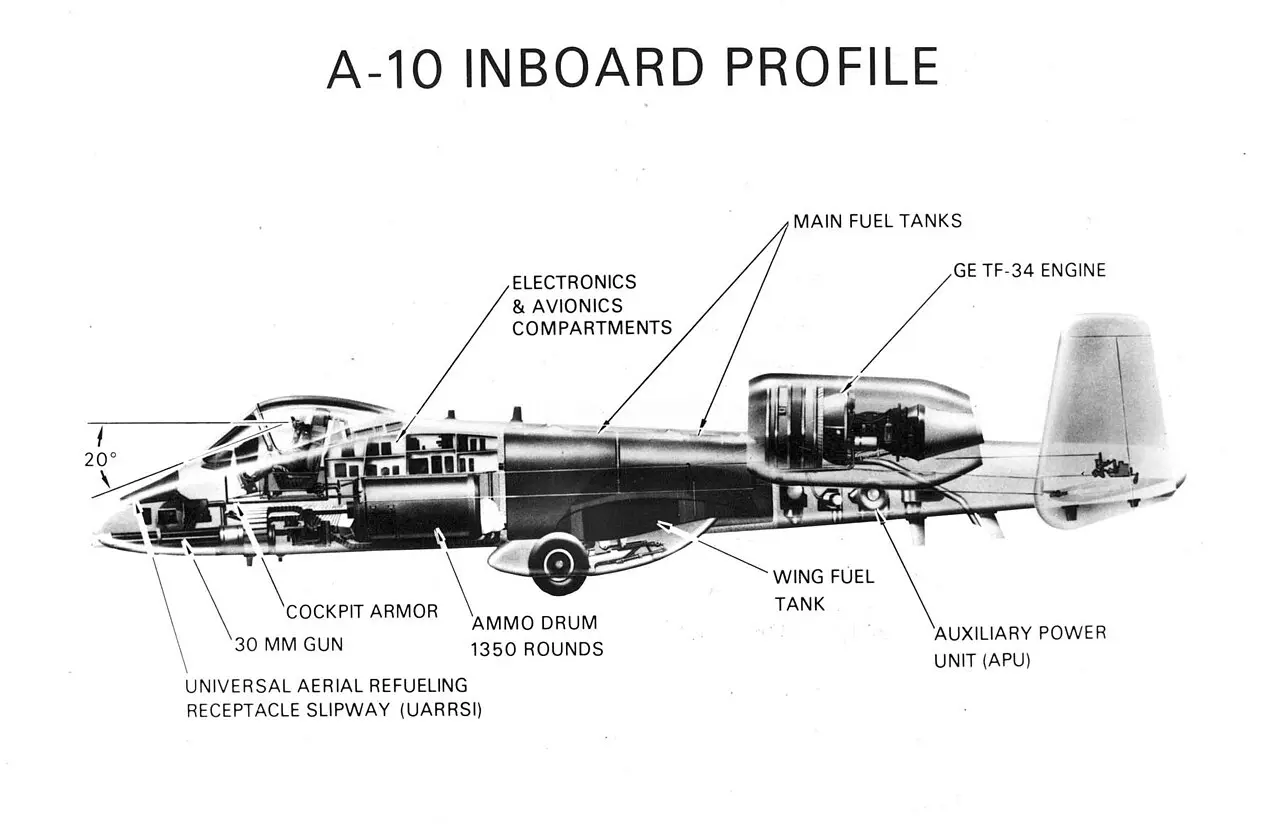
Loiters for two hours
The straight-wing design allows the A-10 to loiter over battlefields for up to two hours while maintaining a tight turn radius. This extended presence in the air means ground commanders have sustained aerial cover during prolonged operations.
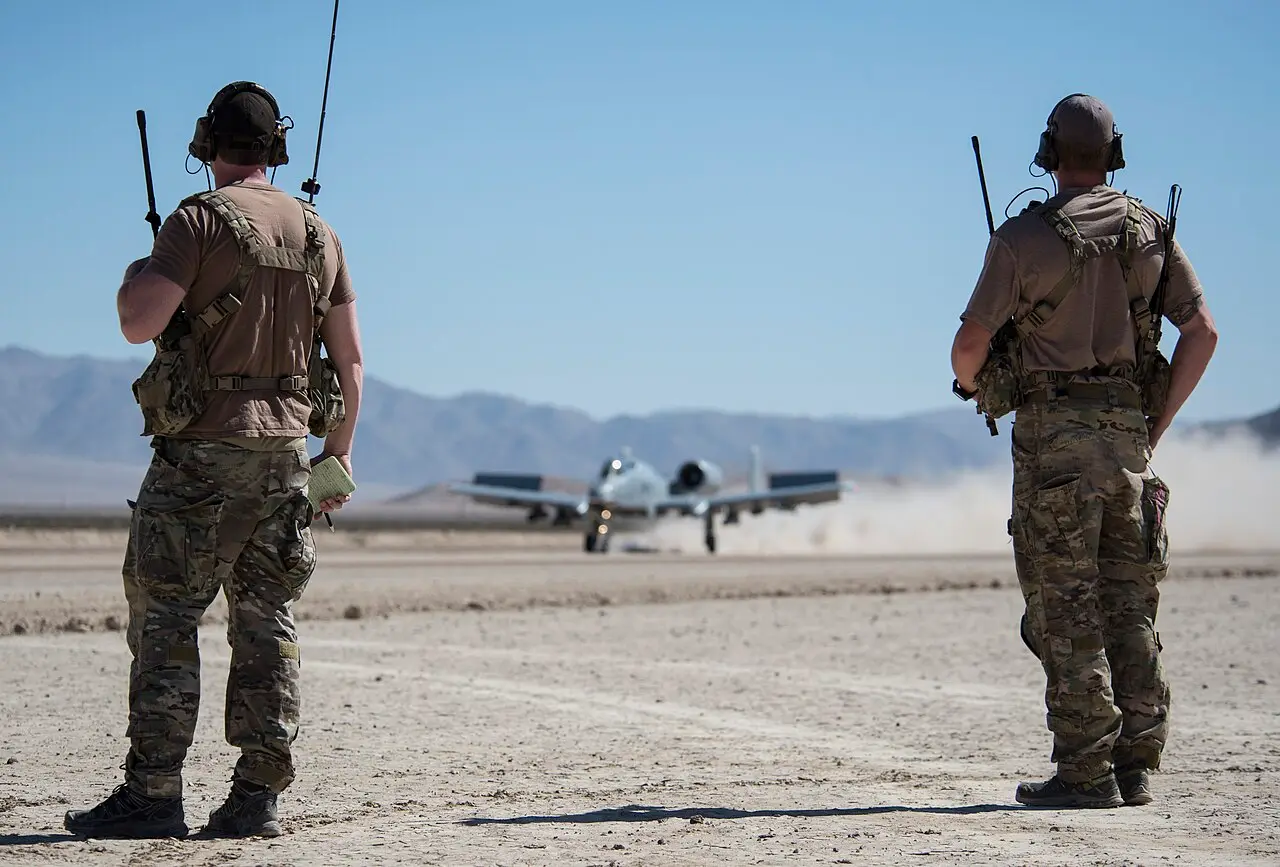
Operational since 1970s era
ntroduced in the late 1970s, the Thunderbolt II was designed to counter armoured columns during the Cold War. Despite its age, constant fleet upgrades have kept the aircraft highly effective and essential for modern infantry operations.
)
)
)
)
)