'Long Stop': How many miles does it take the USS Abraham Lincoln to stop?

The 100,000-tonne USS Abraham Lincoln cannot stop instantly. From a top speed of 30 knots, it takes approximately two miles (3.2 km) of 'crashing back' the engines to halt. The ship relies on nuclear power to reverse its massive propellers, fighting immense momentum.
A Floating City
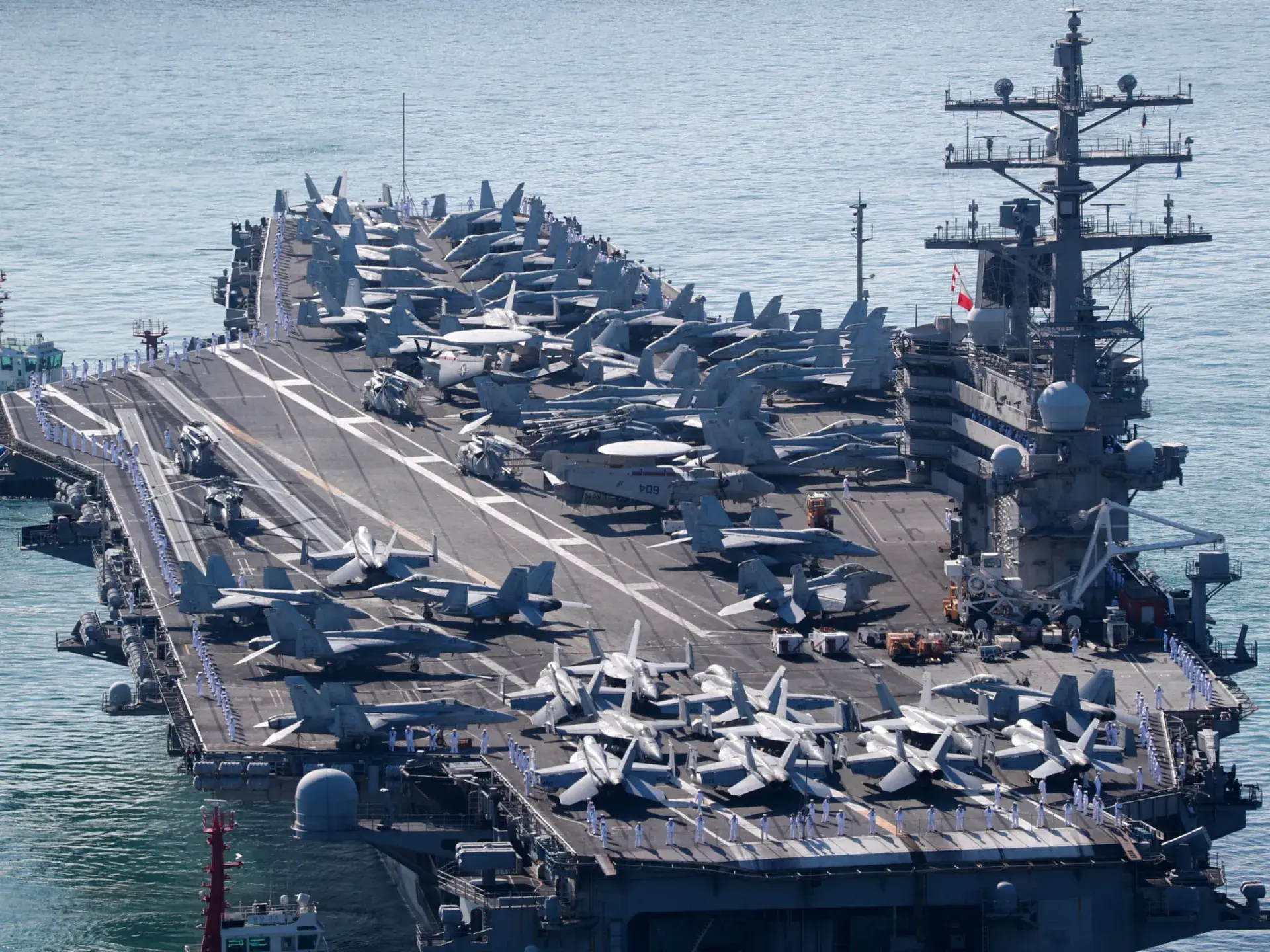
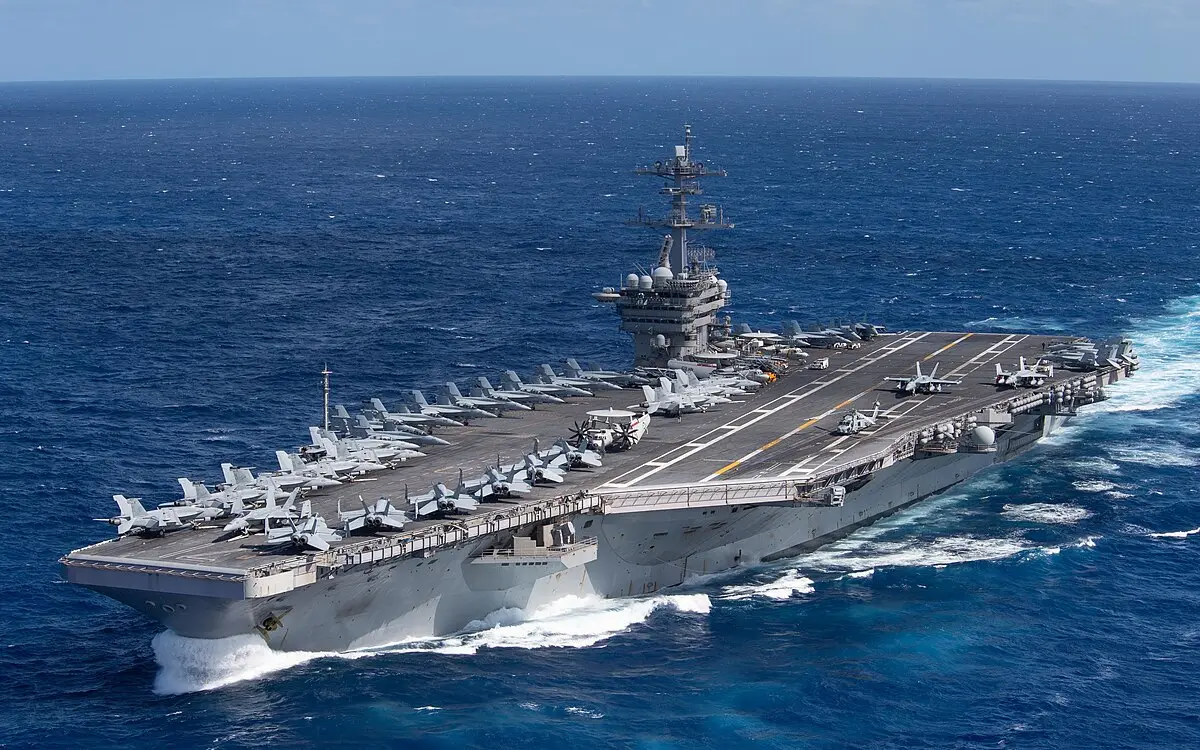
The USS Abraham Lincoln is a Nimitz-class aircraft carrier, one of the largest warships ever built. It measures 333 metres in length and displaces approximately 100,000 tonnes of water. This incredible mass creates enormous inertia, making sudden changes in speed or direction a major engineering challenge.
Speed and Momentum
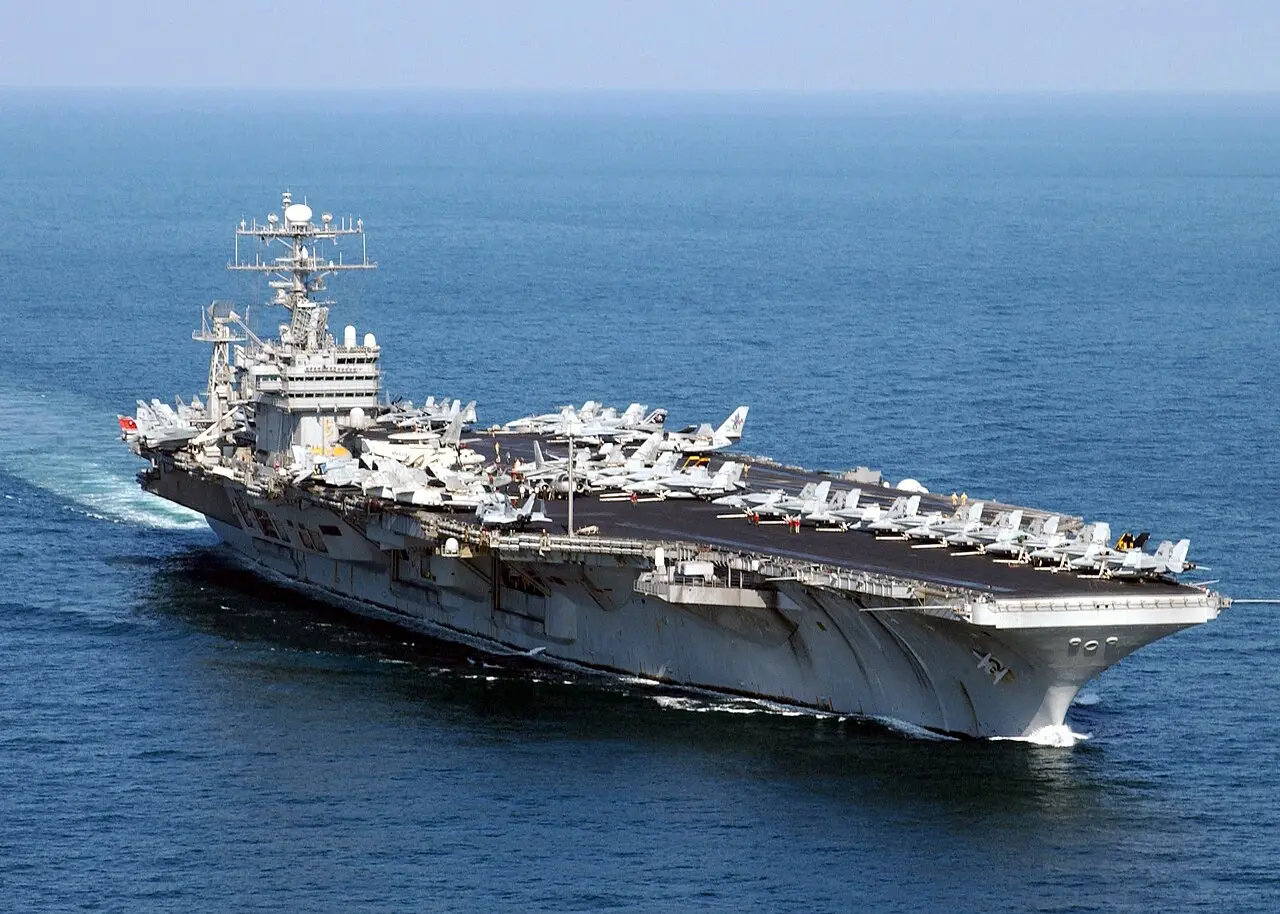
Despite its size, the Lincoln is surprisingly fast, capable of reaching speeds over 30 knots (approx. 35 mph or 56 km/h). Moving 100,000 tonnes at this velocity generates massive kinetic energy. If the engines were simply cut, the ship would coast for miles before water resistance eventually brought it to a stop.
No Brakes at Sea
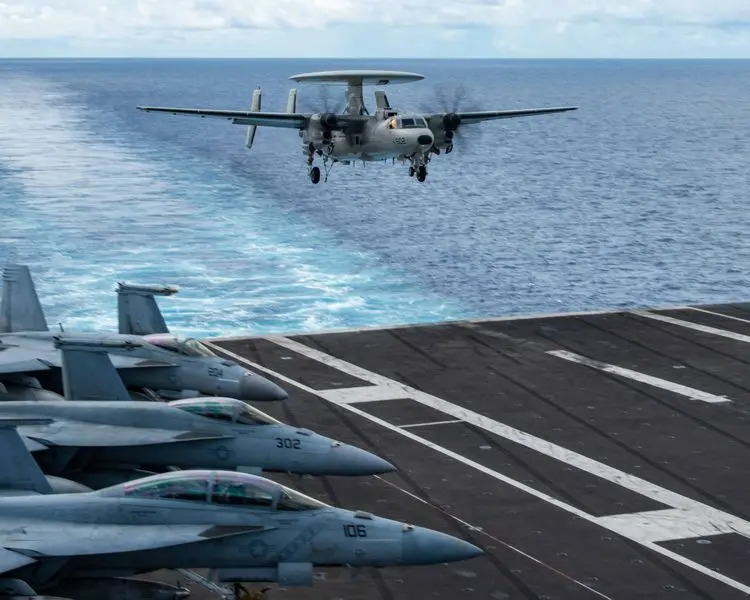
Ships do not have brakes like land vehicles; they rely entirely on water resistance and propeller thrust. To stop quickly, the crew must perform a 'Crash Back' manoeuvre. This involves reversing the rotation of the massive propellers to generate thrust in the opposite direction, fighting the ship's forward momentum.
The Crash Back
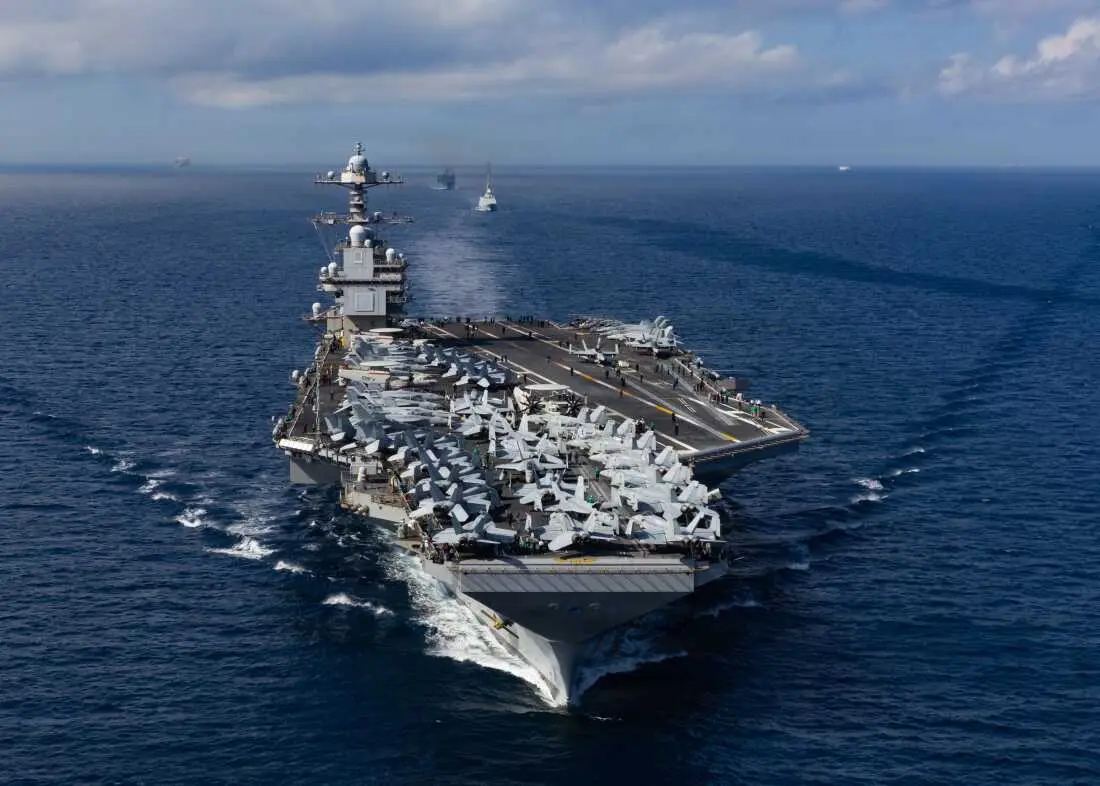
Executing a crash stop is intense; the engineering team must throttle back the steam turbines and re-engage them in reverse. The four bronze propellers, each roughly 7.6 metres in diameter, begin to churn water violently against the ship's movement. This creates extreme vibration and stress on the vessel's hull.
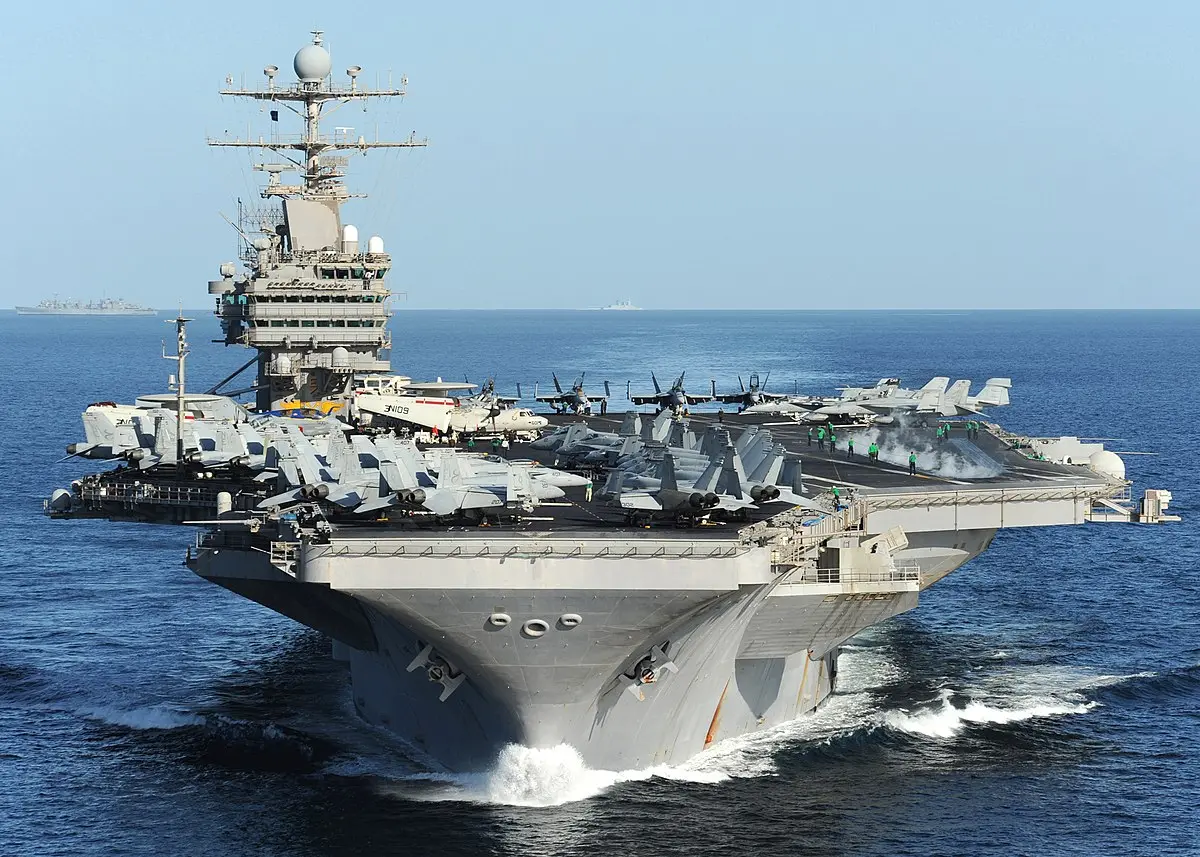
The Stopping Distance
Even with engines throwing full power in reverse, the laws of physics dictate a long slide. It takes approximately two miles (3.2 kilometres) for a Nimitz-class carrier like the Lincoln to come to a complete standstill from top speed. This 'slide' is unavoidable due to the sheer momentum of the vessel.
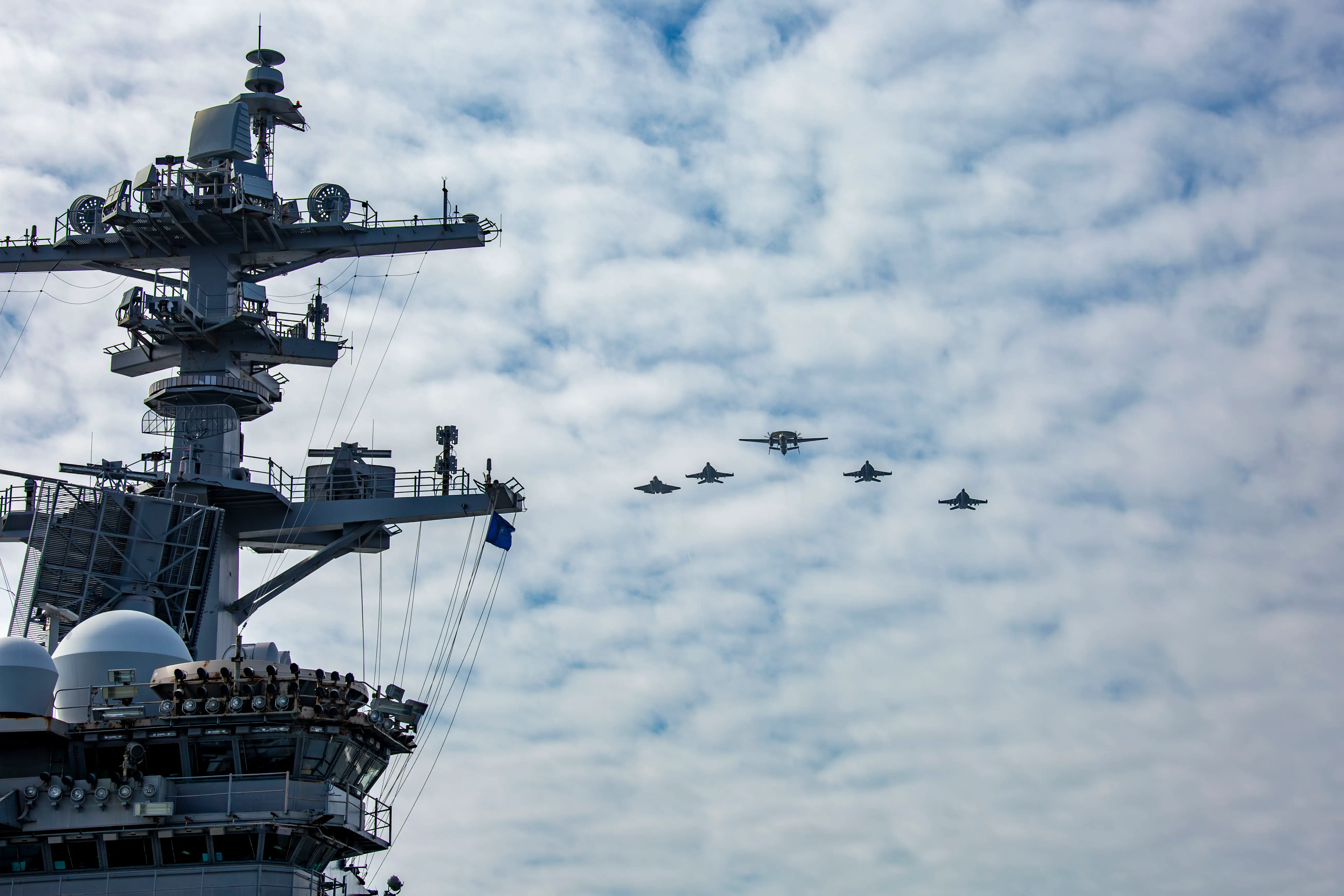
Time to Halt
Distance is only one factor; time is the other. It can take nearly 15 to 20 minutes for the ship to decelerate from 30 knots to zero during a standard stop. In an emergency crash back, this time is reduced, but it is never instantaneous. Commanders must think minutes ahead, not seconds.
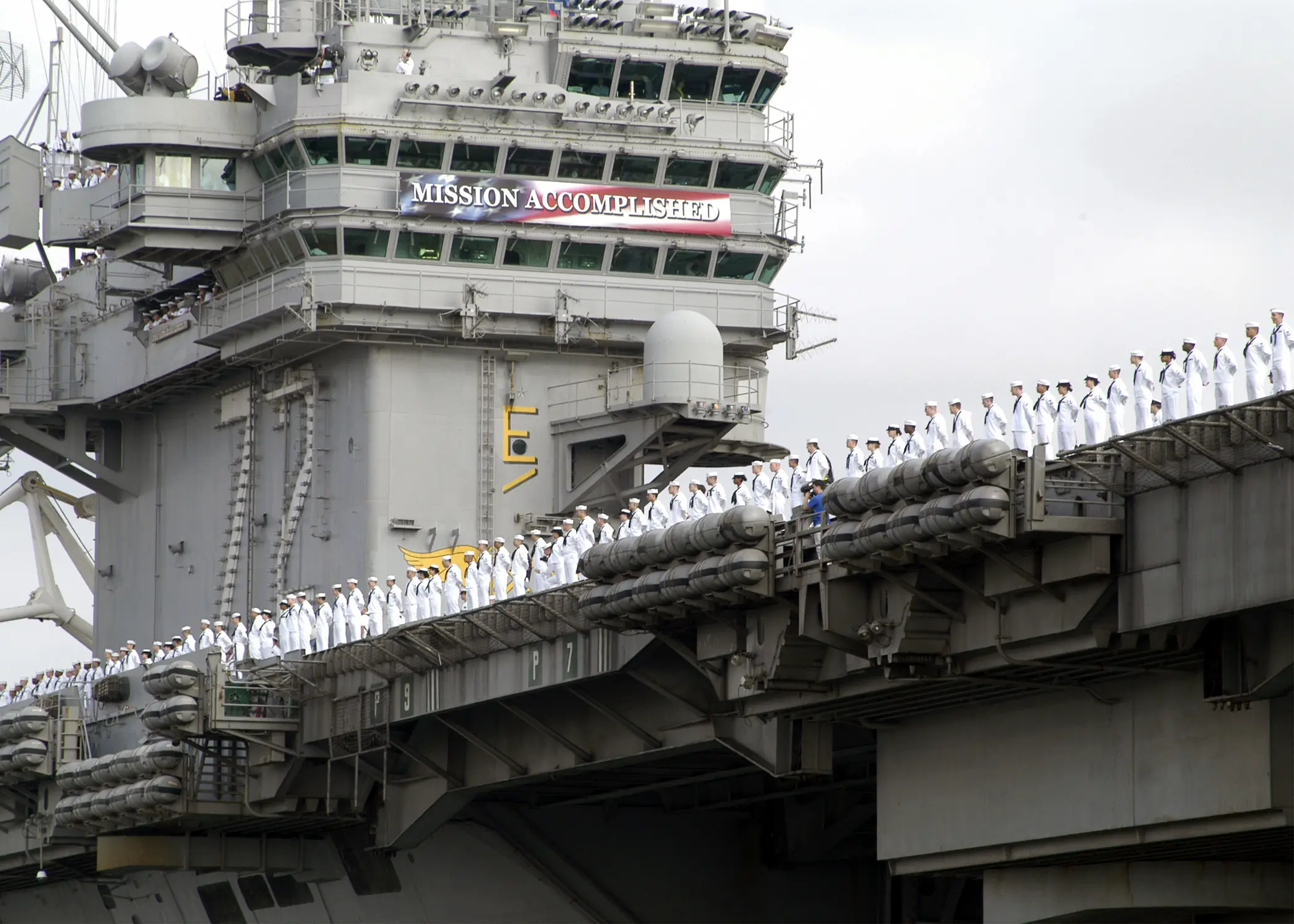
Turning vs Stopping
Because stopping takes miles, avoiding a collision often involves turning rather than braking. The USS Abraham Lincoln has a tight tactical turning diameter for its size. At high speeds, the ship leans heavily into the turn, sometimes heeling over significantly as the rudders bite into the water.
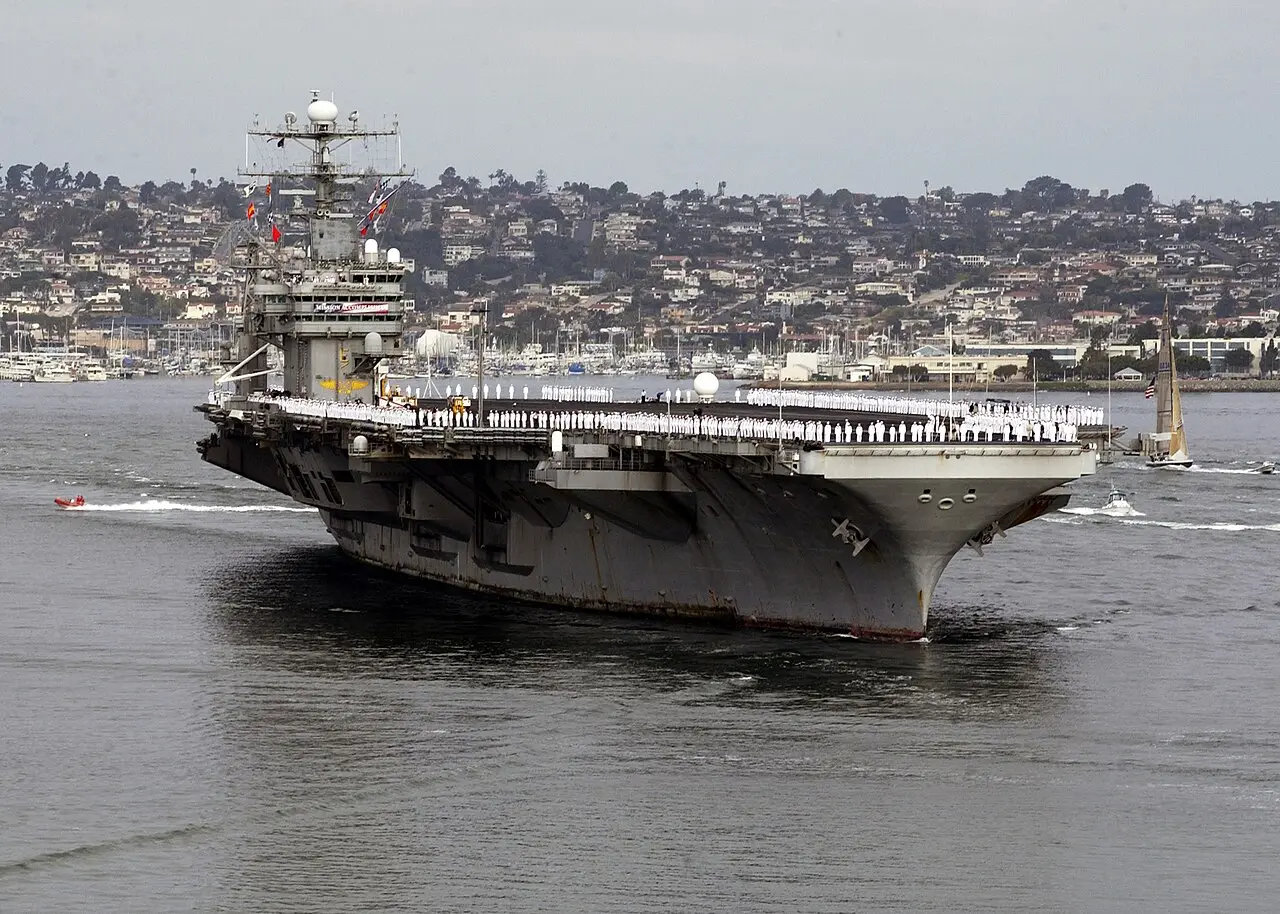
Nuclear Muscle
The power to stop comes from two Westinghouse A4W nuclear reactors. These plants generate 260,000 shaft horsepower, allowing the screws to generate the massive reverse torque needed. Without this nuclear muscle, the stopping distance would be significantly longer, closer to that of commercial oil tankers.
Commercial Comparison
Civilian supertankers, which are heavier and have less powerful engines, can take up to 15 miles to stop. The USS Abraham Lincoln stops much faster by comparison because of its high power-to-weight ratio. Its ability to stop in roughly two miles is considered high-performance for a vessel of its size.
Strategic Navigation
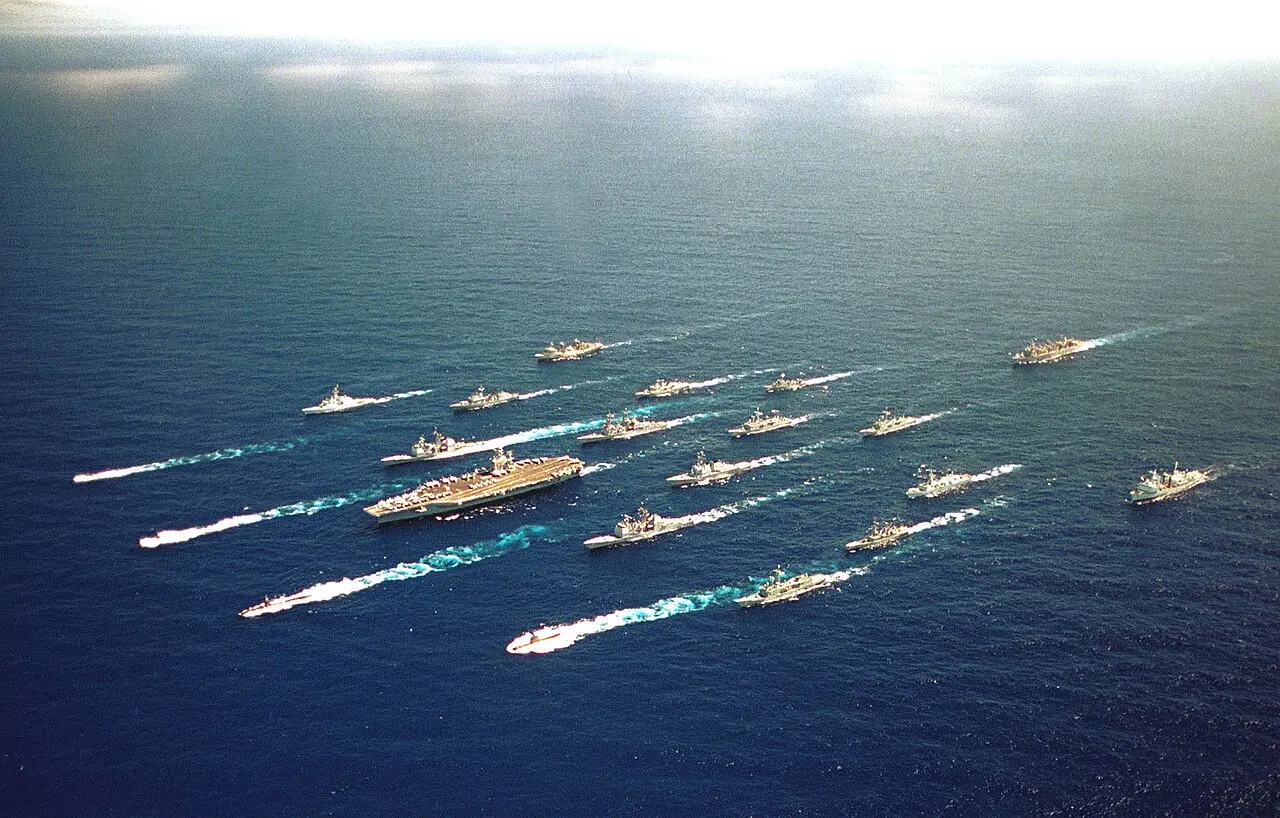
Navigating the Lincoln requires constant foresight. The bridge crew constantly calculates 'closest point of approach' for all surrounding traffic. They know that once they commit to a speed, their position two miles ahead is already determined. Safety relies on strict protocols, not sudden reflexes.
)
)
)
)
)