'Locked and loaded': After USS Abraham Lincoln, US mobilises missile launchers in Qatar

Following the deployment of the USS Abraham Lincoln Carrier Strike Group to the Arabian Sea, the United States has significantly escalated its military posture by mobilising heavy strategic assets.
1. B-52 Stratofortresses Touch Down
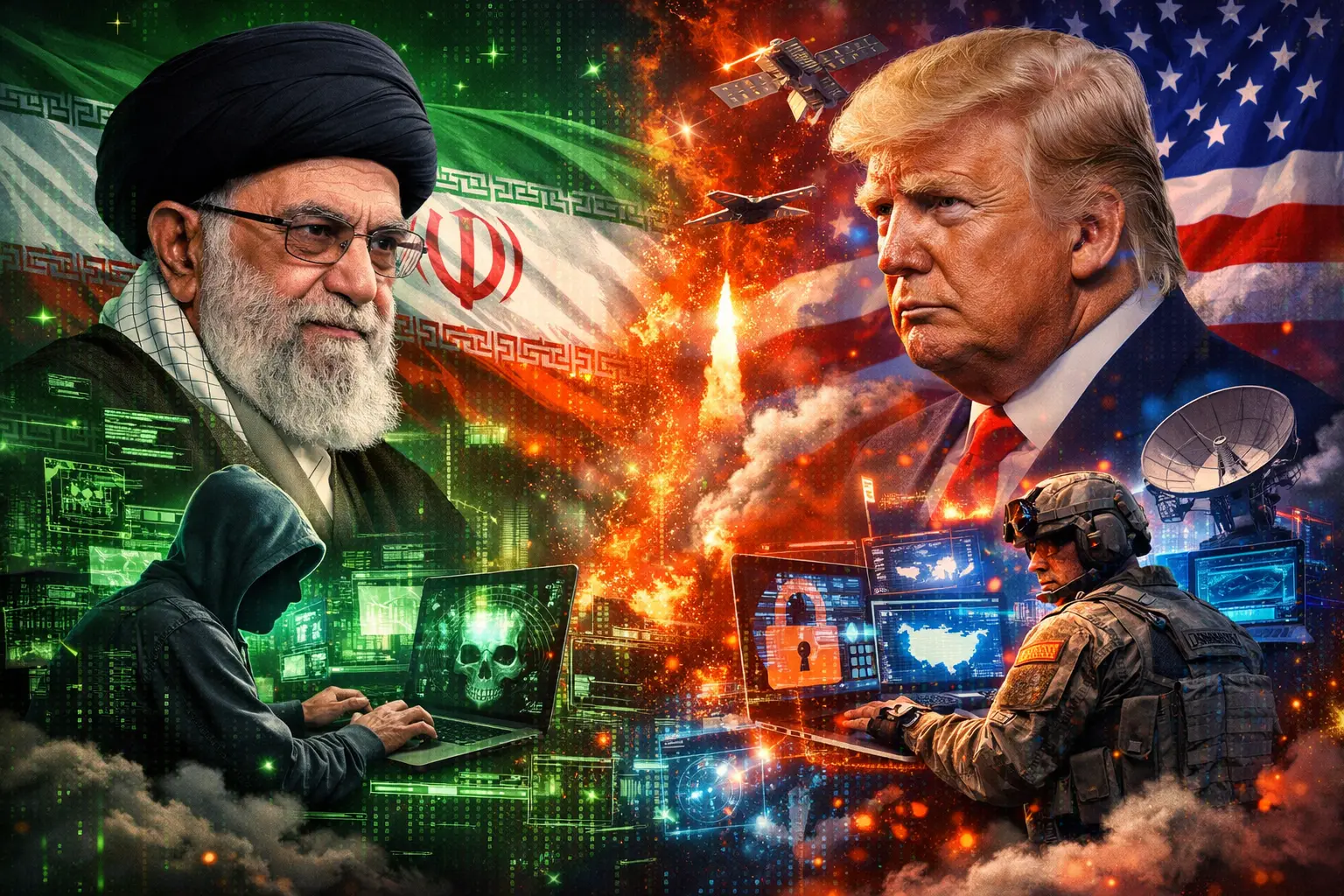
The most visible sign of the "locked and loaded" status is the arrival of B-52 Stratofortress heavy bombers at Al Udeid Air Base in Qatar. Often described as "flying missile trucks," these massive aircraft can carry up to 70,000 pounds of weapons, including nuclear-capable cruise missiles. Their presence places Iranian targets well within strike range without the bombers ever needing to enter hostile airspace, serving as a direct and visible threat to Tehran.
2. Fortifying the "Shield": Patriot and THAAD
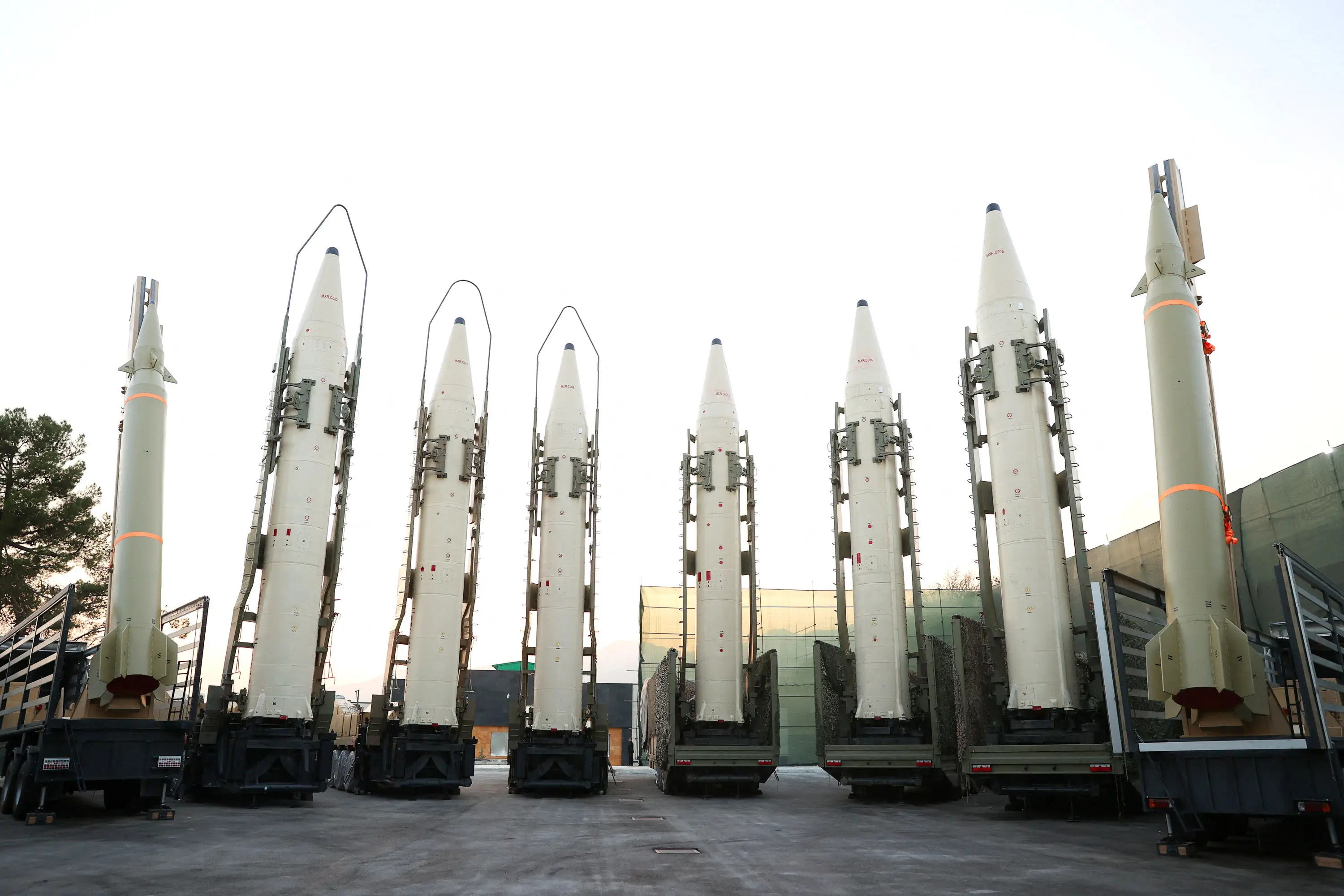
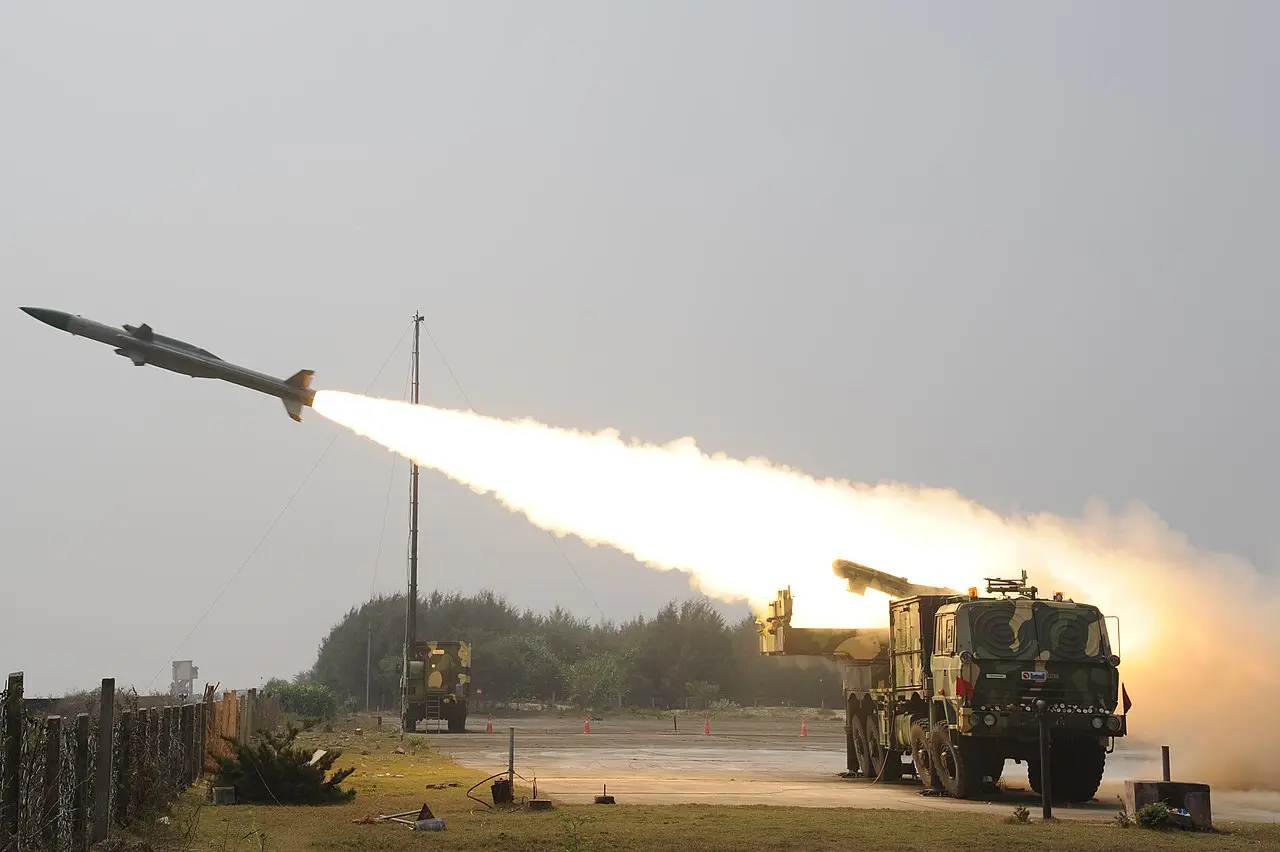
Alongside the offensive bombers, the Pentagon has rushed additional Patriot and THAAD (Terminal High Altitude Area Defence) missile batteries to Qatar. These systems are designed to intercept incoming short- and medium-range ballistic missiles. This move is a clear preparation for a potential Iranian counter-strike, ensuring that the US forward operating base and the 10,000 troops stationed there, are protected behind a dense anti-missile shield.
3. The "Pincer" Strategy
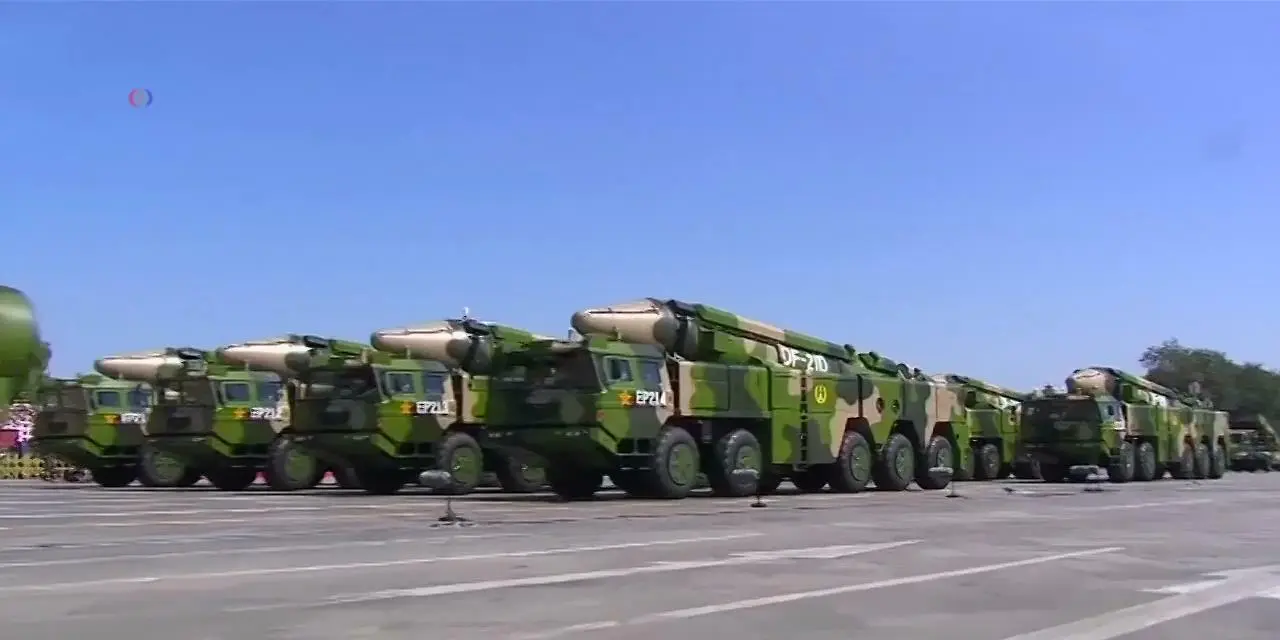
This mobilisation completes a strategic "pincer" movement. While the USS Abraham Lincoln and its destroyers (armed with Tomahawk missiles) pressure Iran from the southern waters of the Arabian Sea, the heavy bombers and land-based launchers in Qatar pressure Iran from the west. This dual-front deployment complicates Iran's defence planning, forcing them to split their radar and attention between the naval threat and the air base.
4. F-35 Stealth Fighters Join the Fray
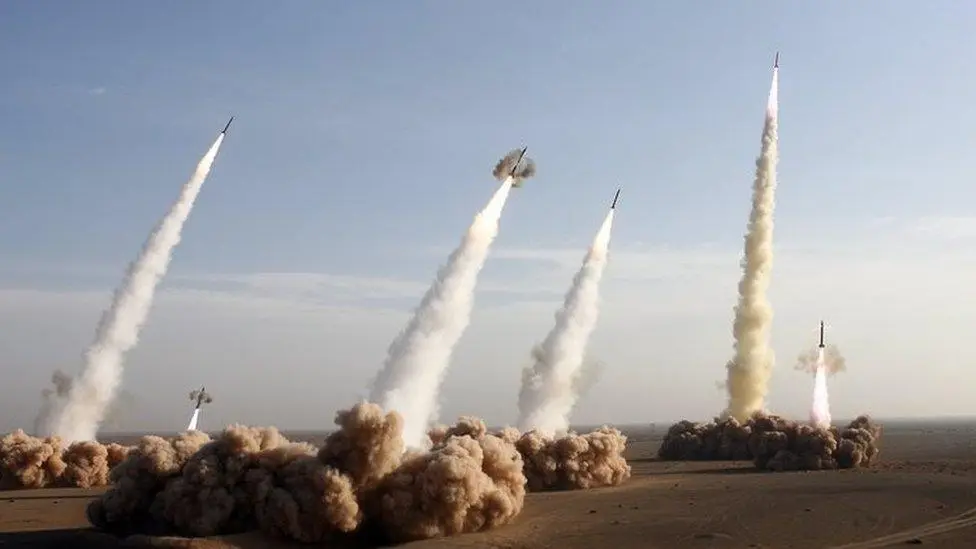
Reports indicate that squadrons of F-35 Lightning II stealth fighters have also been forward-deployed to the region. Unlike the B-52s, which are brute force instruments, the F-35s act as the "eyes and ears" that can penetrate Iranian air space undetected to take out radar sites and command centers (SEAD missions), clearing the path for the heavy bombers to launch their payloads.
5. Shift from "Deterrence" to "Readiness"
Military analysts note that this specific combination of assets, heavy bombers, stealth fighters, and high-altitude missile defence, signals a shift from passive "deterrence" (showing the flag) to active "combat readiness." The phrase "locked and loaded" reflects a posture where pre-planned target lists are finalised, and crews are on high-alert status for immediate execution orders.
6. The Diplomatic Deadlock
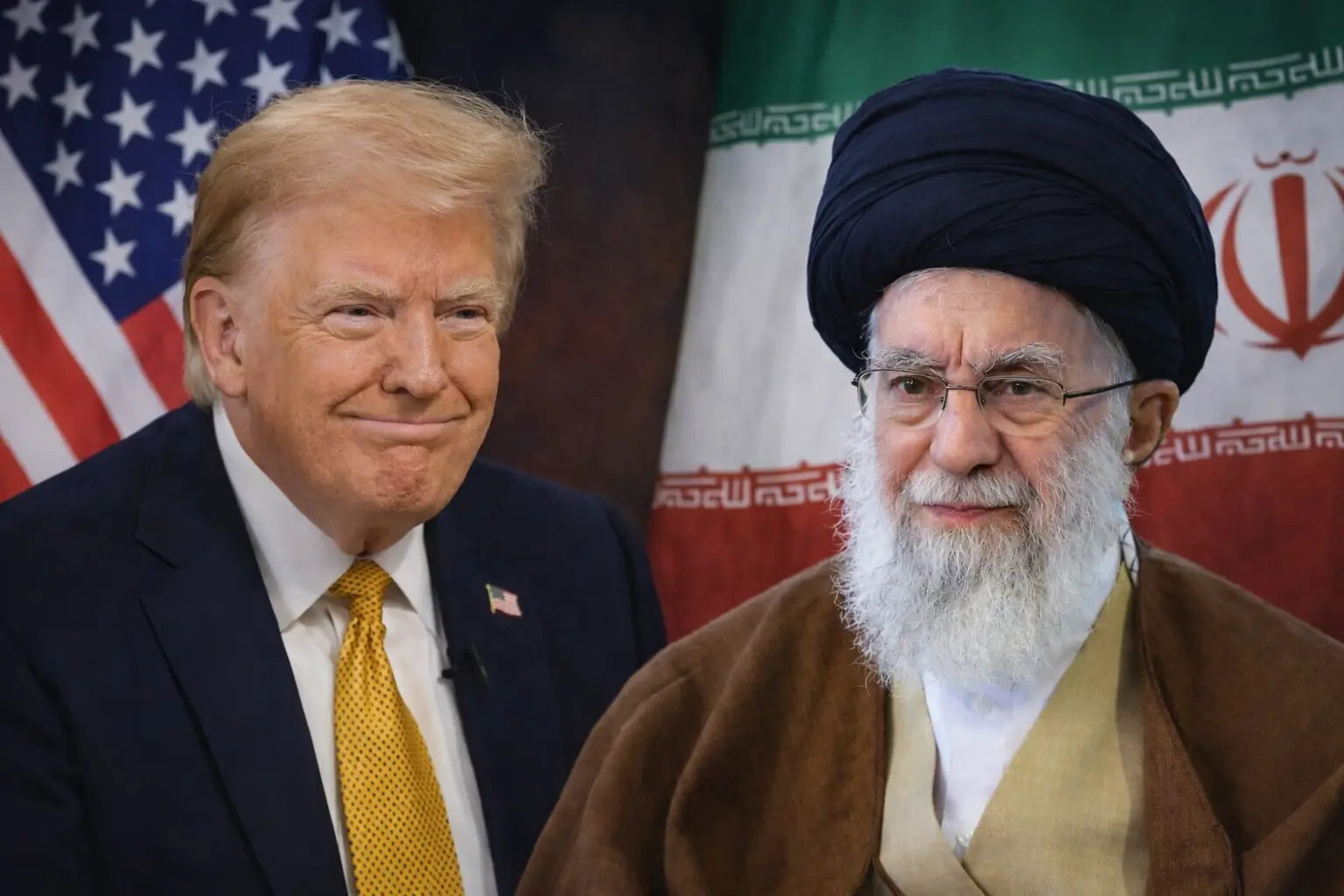
The mobilisation comes directly on the heels of stalled indirect talks in Oman. With Iran reportedly refusing to discuss limits on its own ballistic missile program, the US is using this buildup to gain leverage. The logic is to demonstrate that the alternative to a diplomatic deal is not the status quo, but a credible and overwhelming military threat on Iran's doorstep.
7. Warning to Regional Proxies
The visible deployment of these launchers also serves as a warning to Iranian proxy groups in Iraq and Yemen. By heavily reinforcing the defences at Al Udeid, the US is signalling that any attempt to target the base with drones or rockets, as has happened in the past, will be met with a disproportionate response from the massive firepower now sitting on the tarmac.
)
)
)
)
)