‘Lightning threat’: How does the USS Abraham Lincoln perform in harsh weather conditions?

While the 100,000-tonne USS Abraham Lincoln can navigate safely through severe storms, its operational efficiency drops significantly as flight deck operations halt in extreme crosswinds exceeding 30 knots.
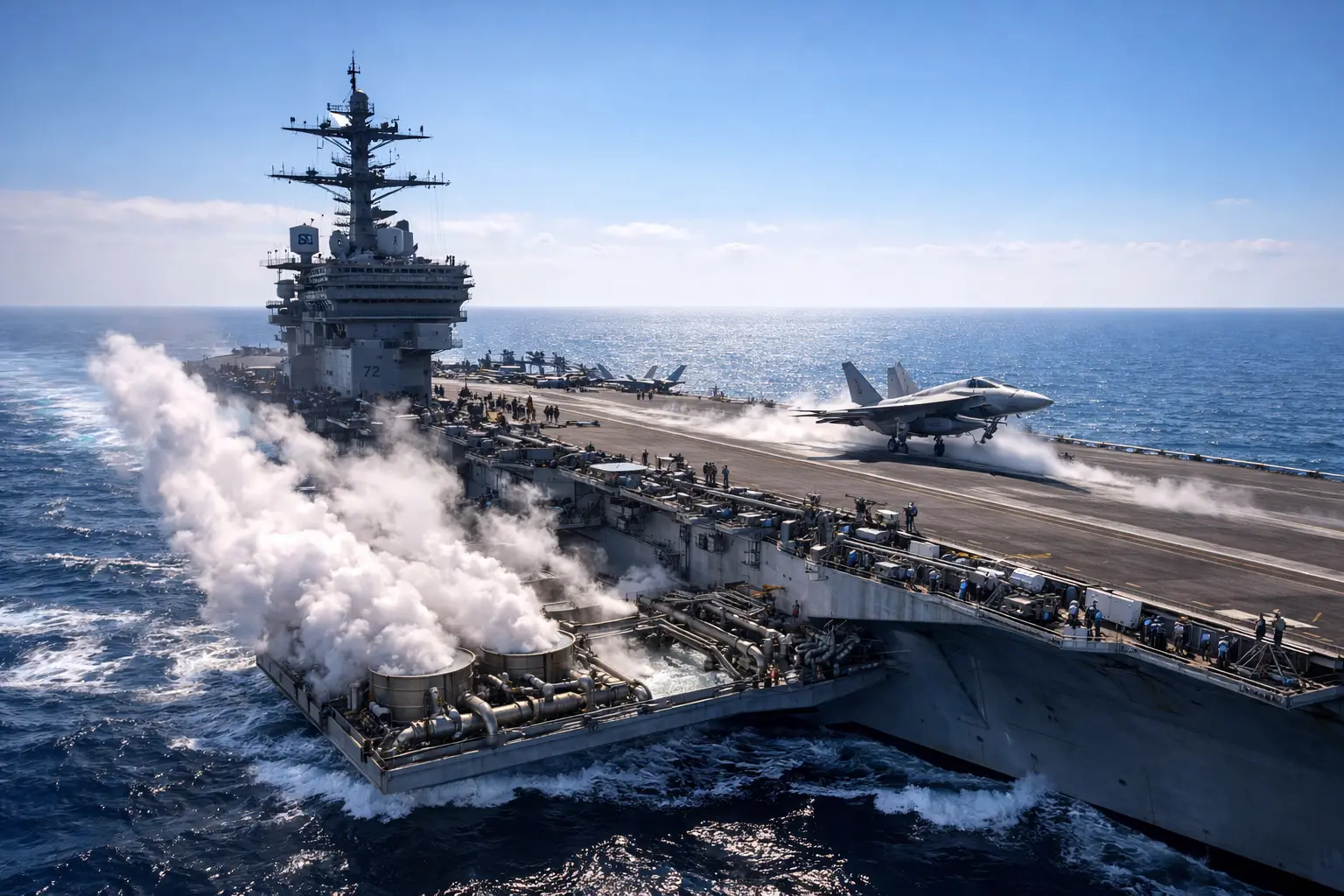
Surviving rough seas
The 100,000-tonne aircraft carrier is designed to withstand severe ocean storms and high wave crests without sustaining structural damage.
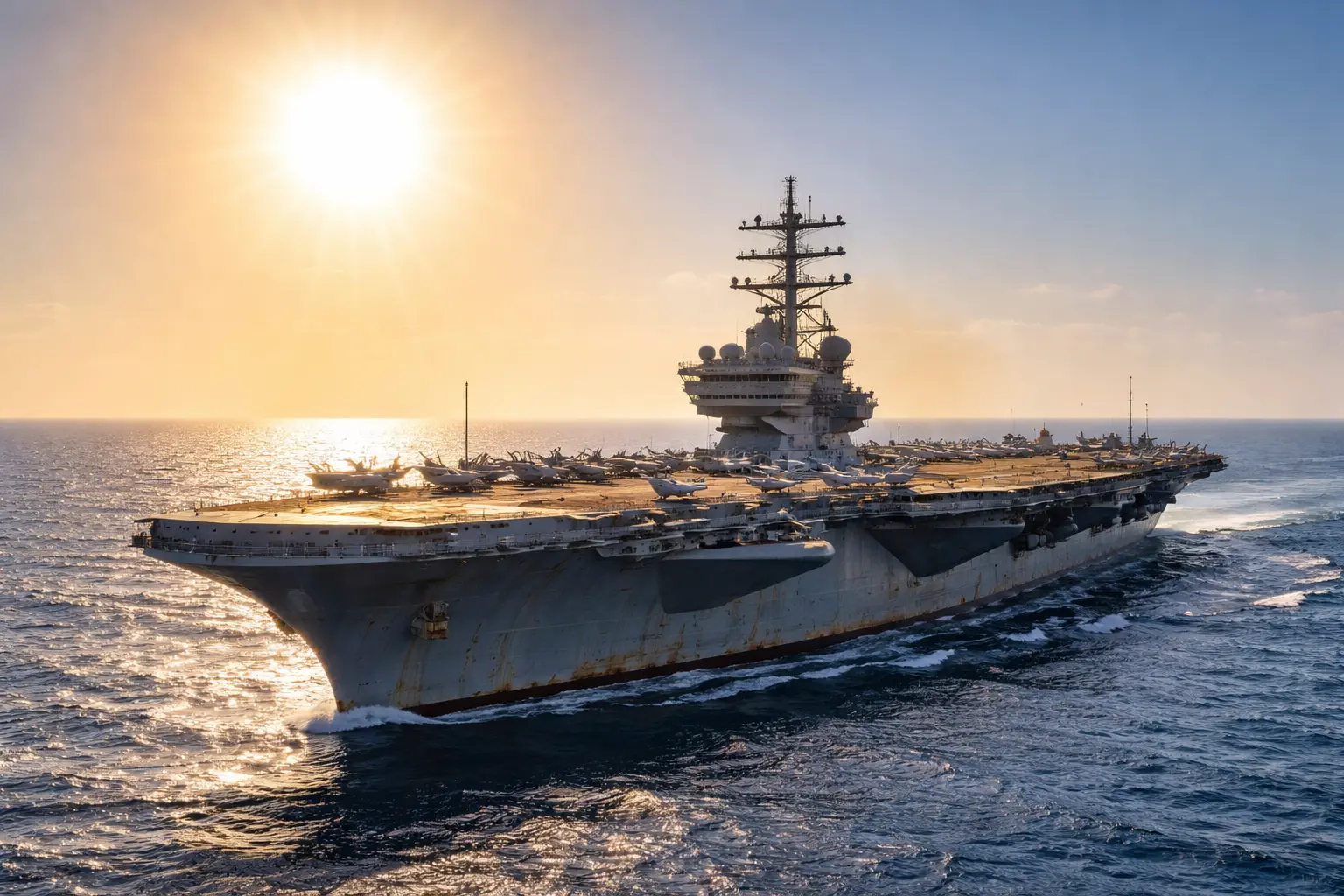
Pitch and roll limits
Flight operations become highly dangerous if the ship experiences a pitch of more than 2 degrees or a roll exceeding 4 degrees due to heavy waves.
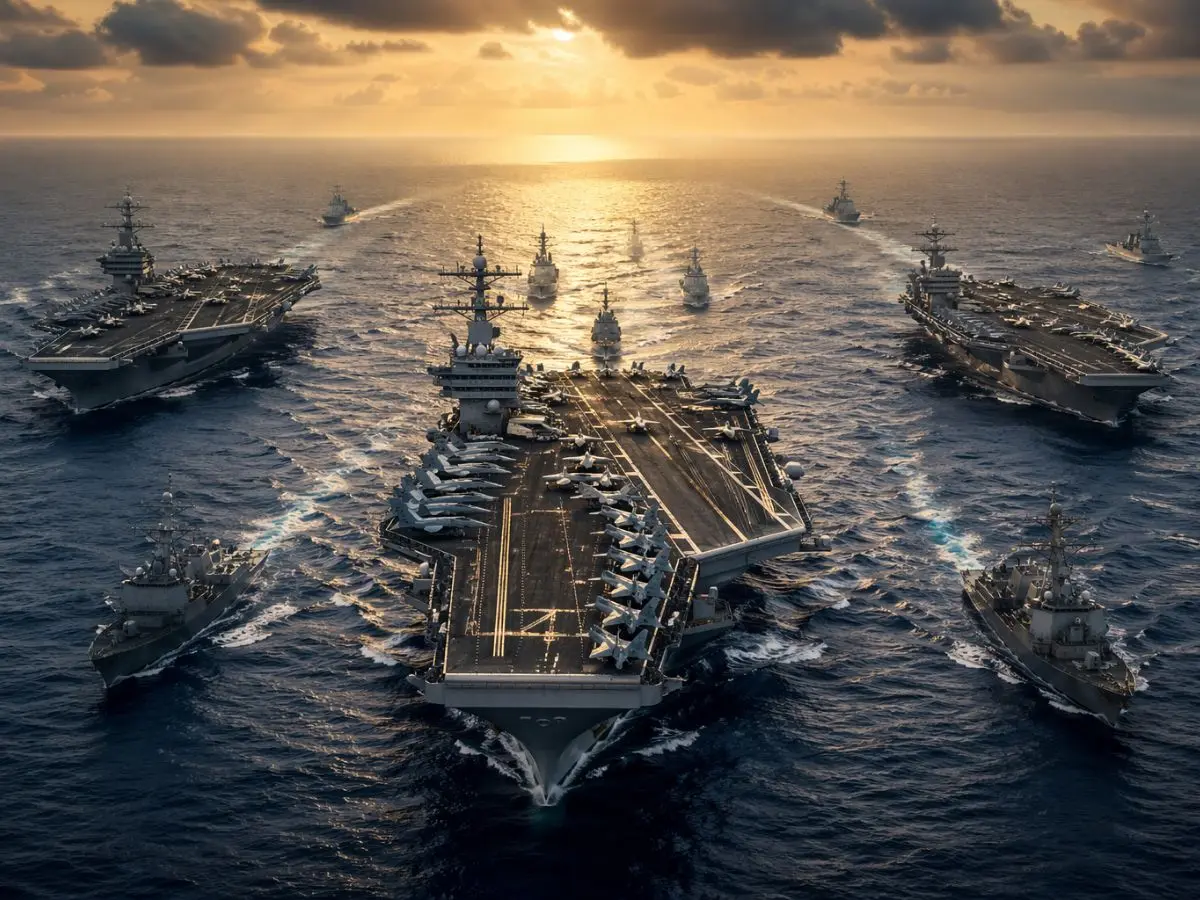
High winds halt flights
While carriers generate their own wind for takeoffs, severe crosswinds exceeding 30 knots force the immediate suspension of catapult launches.
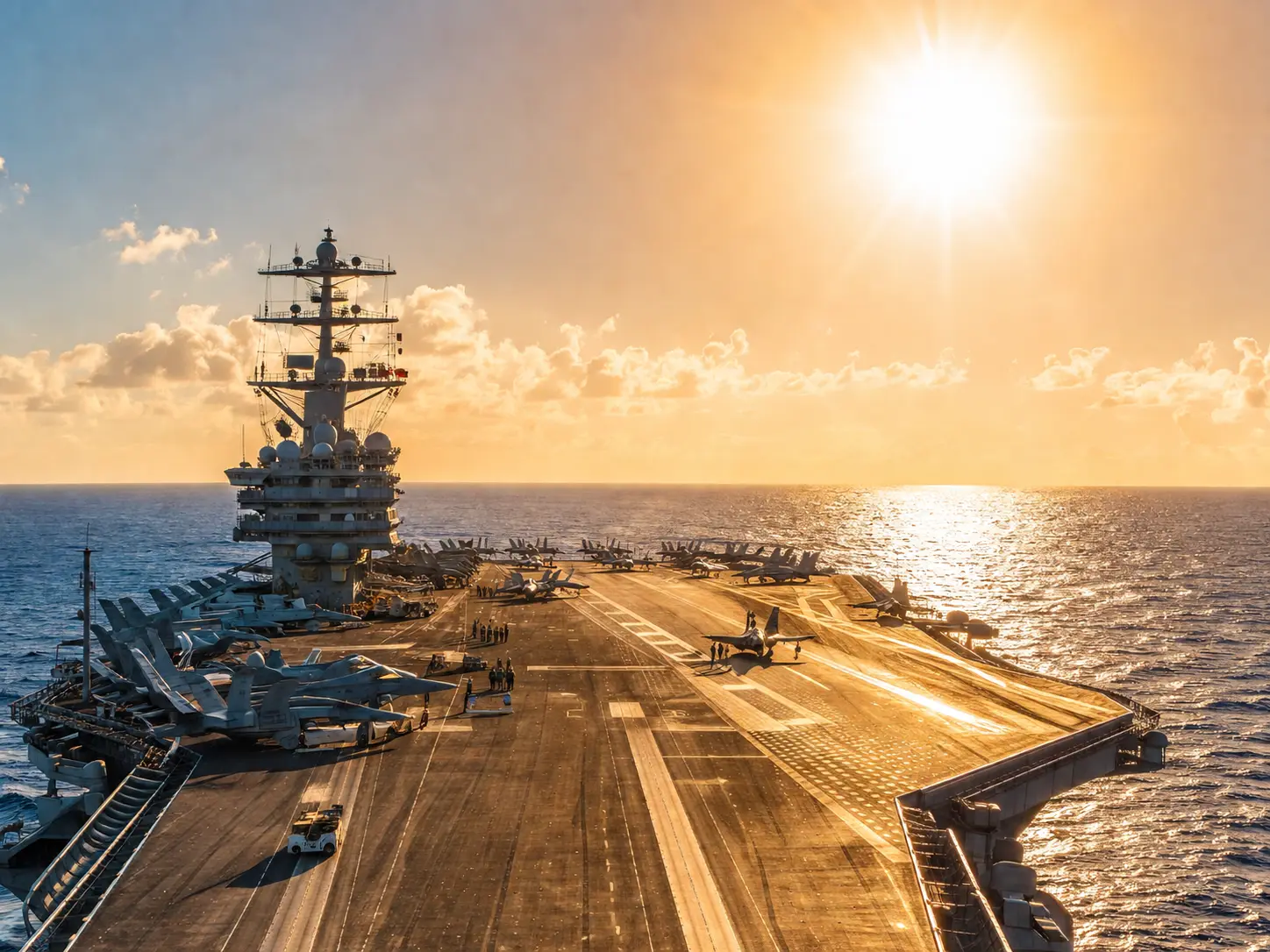
The threat of lightning
Aviation fuel and live munitions make lightning strikes incredibly hazardous, forcing flight deck crews to halt operations during electrical storms.
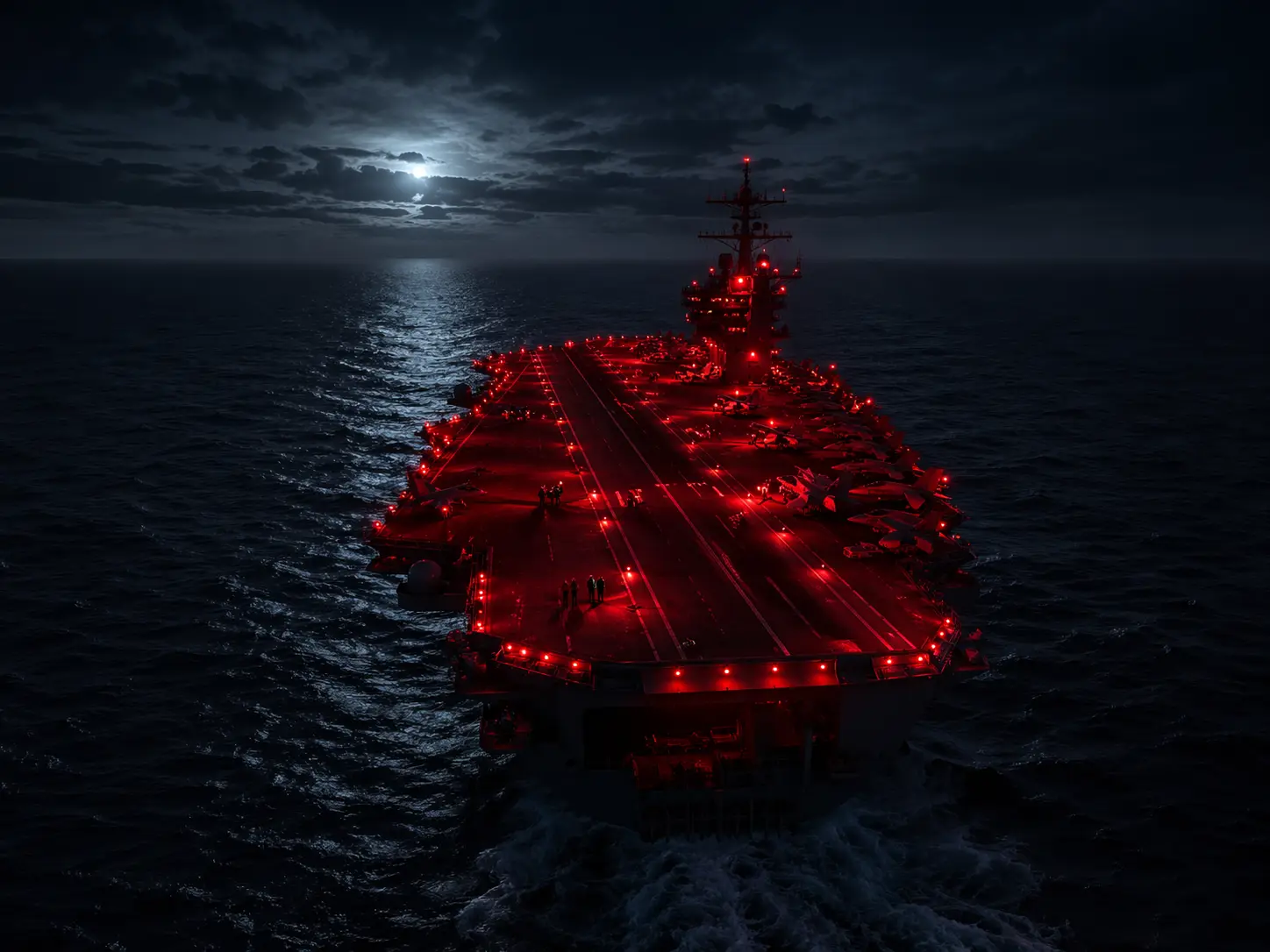
Fog and zero visibility
Despite advanced instrument landing systems, dense sea fog that drops visibility below a quarter-mile severely restricts safe aircraft recovery.
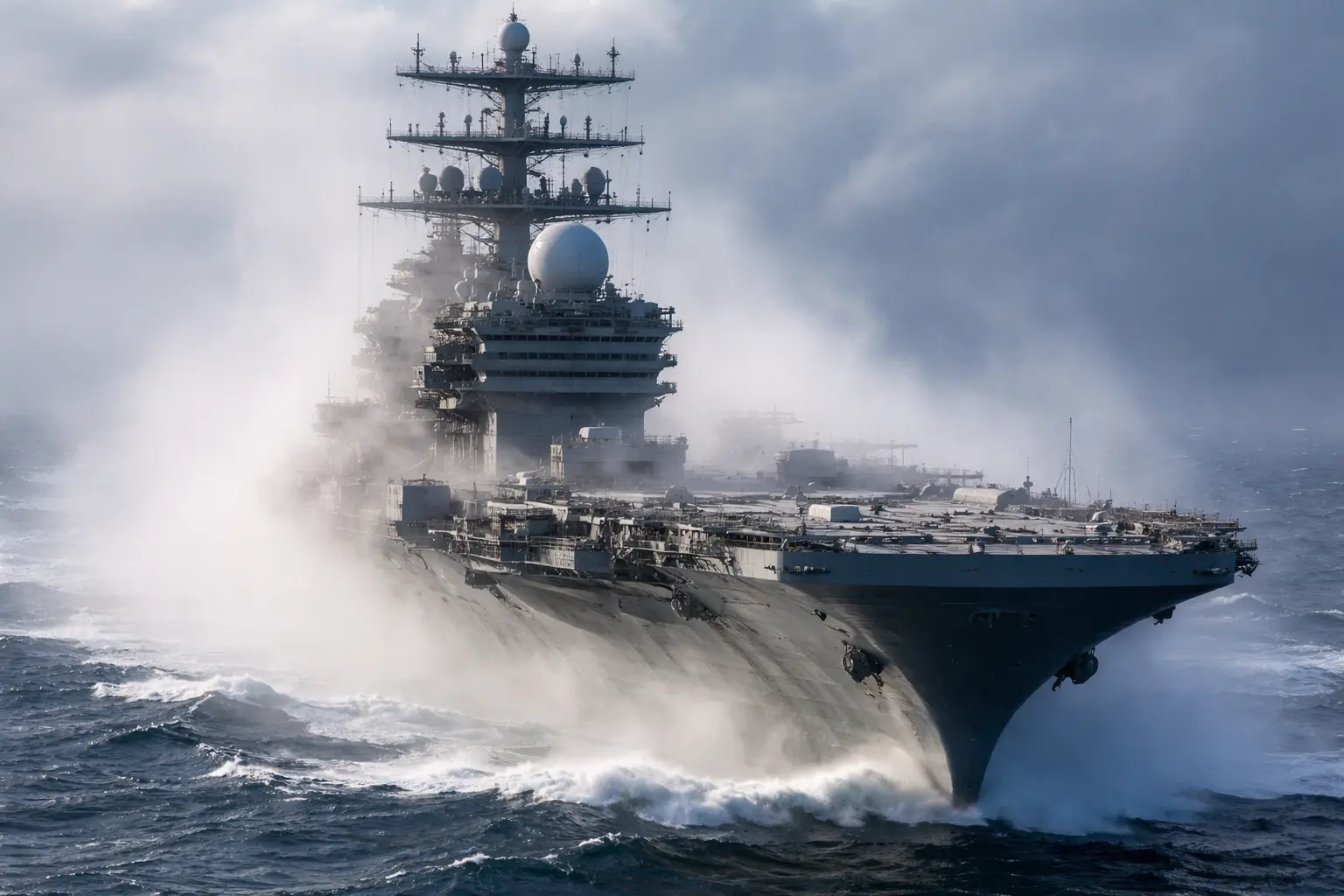
Freezing temperatures
Freezing rain and extreme cold can cause ice accumulation on aircraft wings and catapult tracks, reducing the carrier's launch efficiency in Arctic regions.
)
)
)
)
)