'Lethal Range': What is the safe distance for the US carrier USS Abraham Lincoln from Iran?

The USS Abraham Lincoln repositioned near Salalah, Oman, establishing an 1,100-kilometre standoff from Iran. This tactical shift protects the carrier from coastal threats while preserving strike reach.
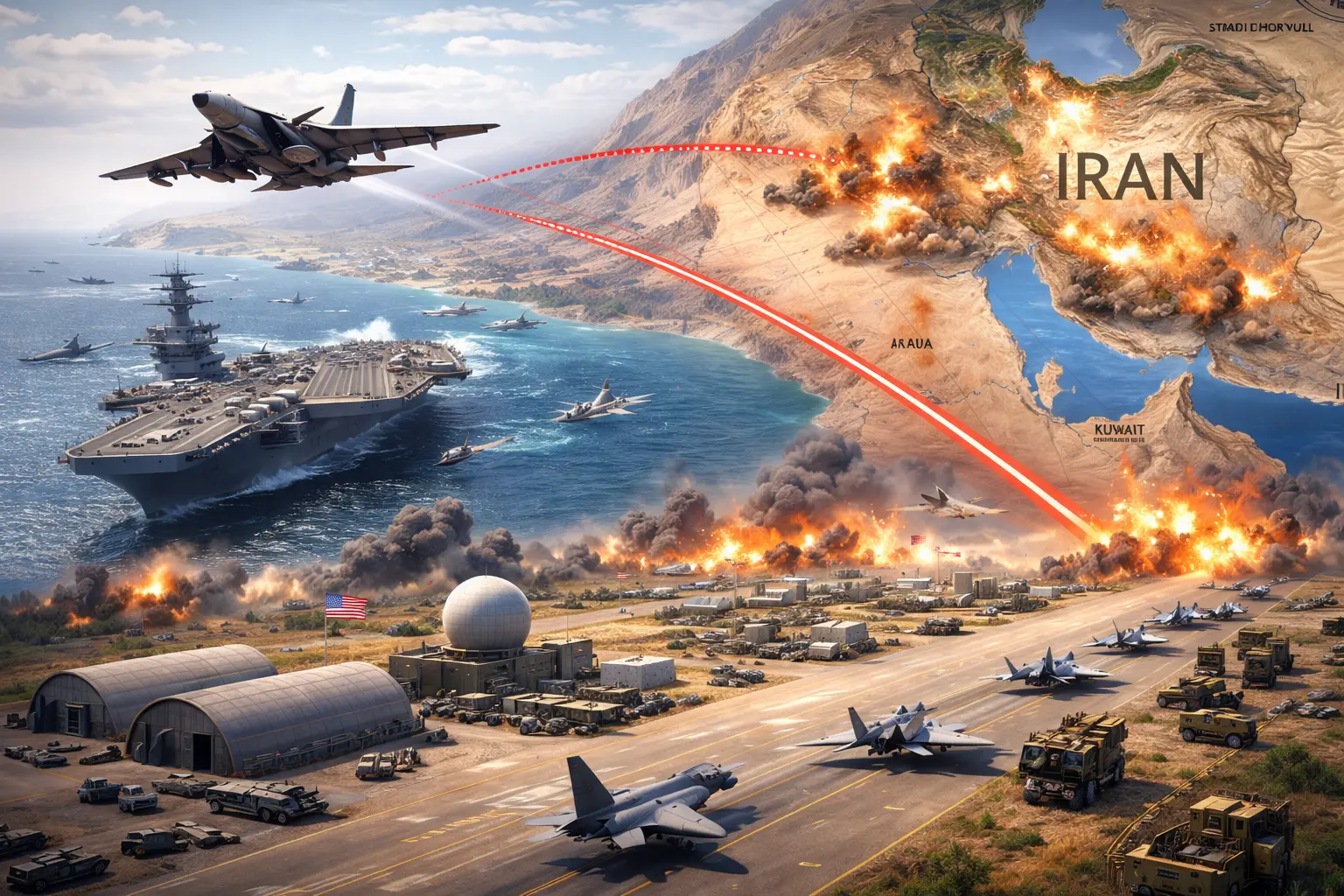
Over 1,100 km distance
The USS Abraham Lincoln executed a tactical repositioning to move away from immediate coastal threats. The warship currently operates near Salalah, Oman, maintaining a distance of over 1,100 kilometres from the Iranian coastline.
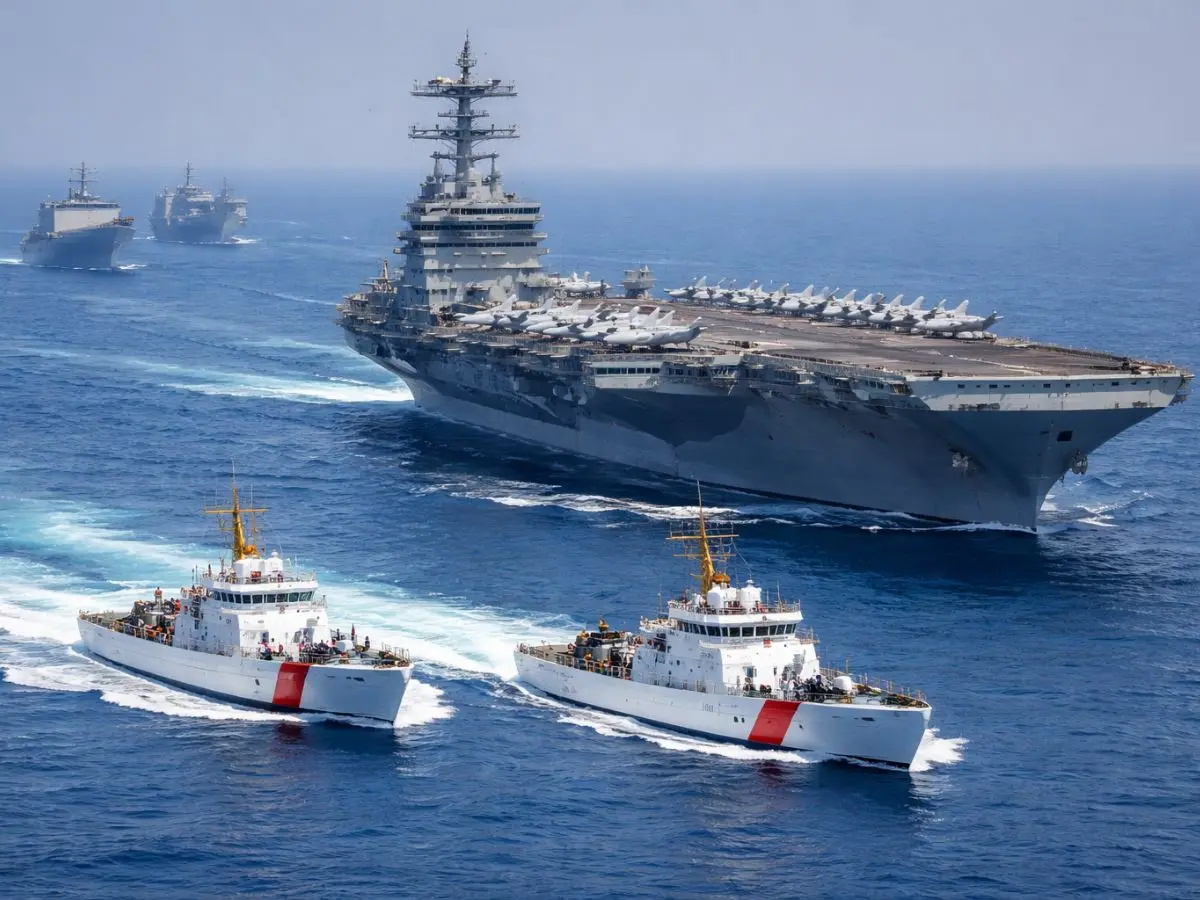
1,100 km strategic buffer
By shifting its position to the southwestern waters of Oman, the US Navy created a strategic standoff buffer. This massive gap sharply reduces the aircraft carrier's vulnerability to short-range missiles and coastal harassment.

1,100 km coastal standoff
Operating close to maritime borders exposes naval assets to dense coastal missile systems. The current tactical shift keeps the flagship safely in deep water, well outside the immediate threat range of coastal batteries.

Stop in 320 feet
From this safe distance, the carrier sustains intense flight deck operations. F-35C jets land at 150 mph on a 500-foot angled deck, catching arresting wires to halt completely within 300 to 320 feet.
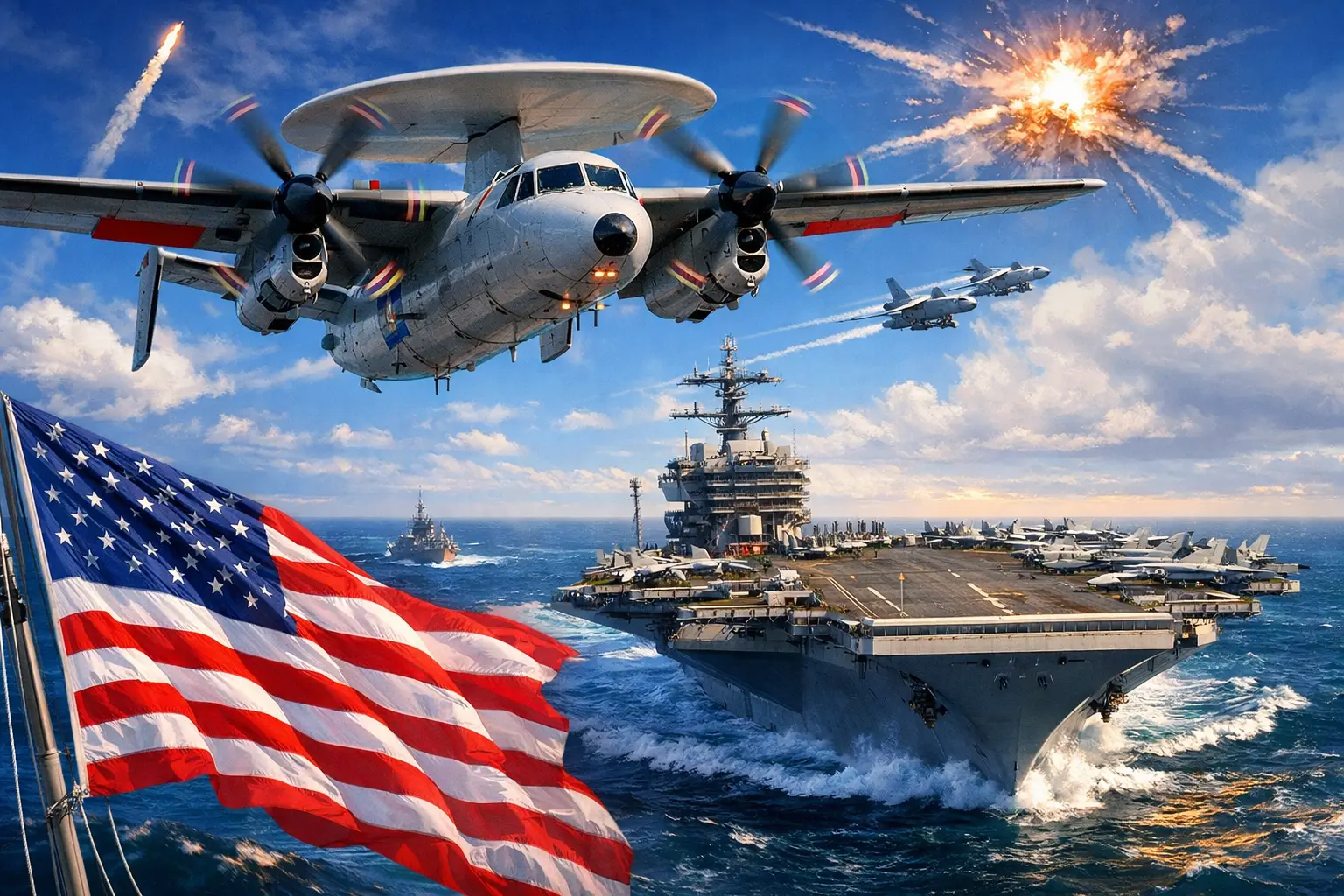
165 mph launch speed
To project power across the 1,100-kilometre gap, steam catapults accelerate heavy fighter jets from zero to 165 mph in just two seconds. This rapid launch sends them down a 300-foot track for regional patrols.
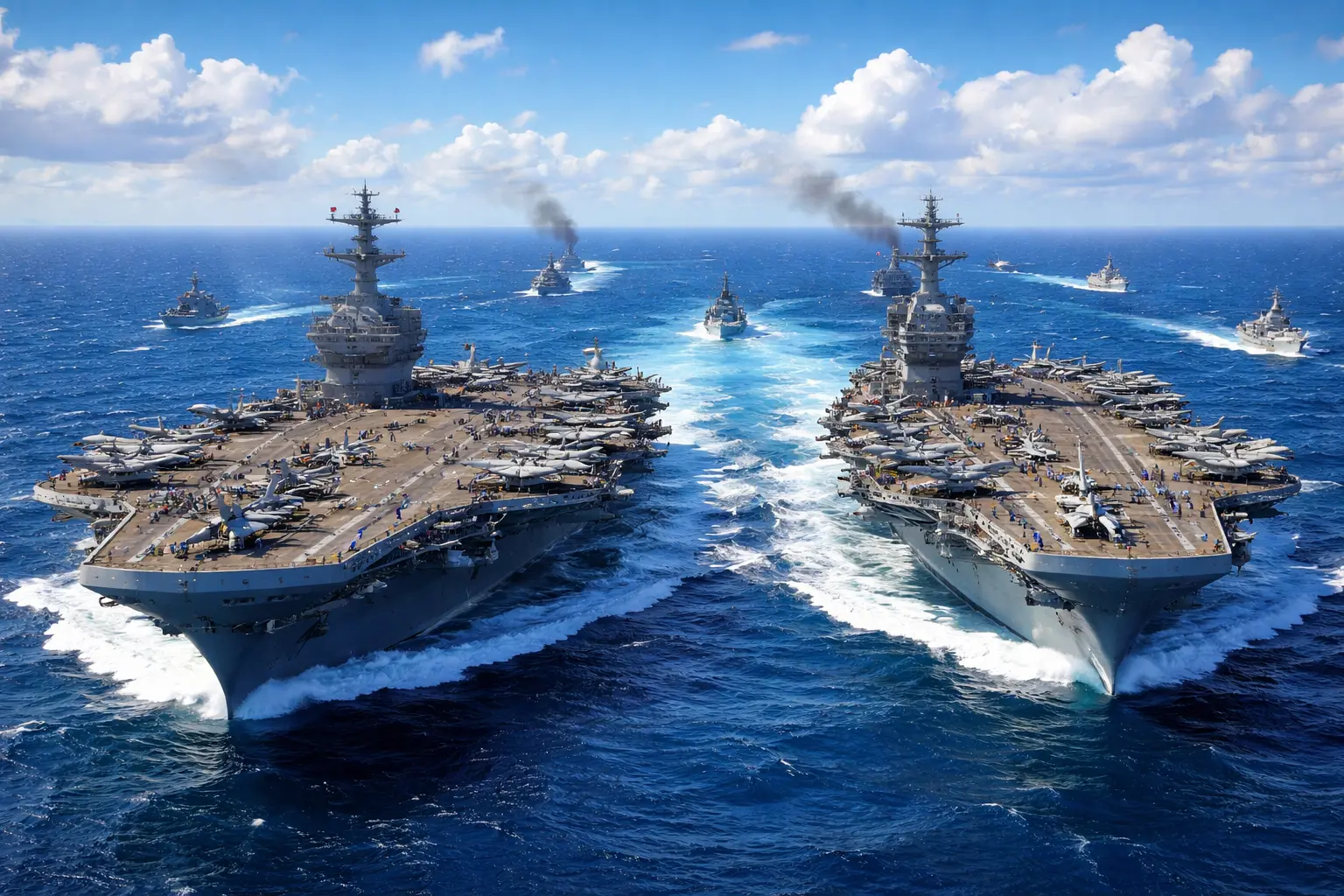
37 seconds launch window
A dedicated crew of 3,200 sailors manages these complex flight operations. Working efficiently, they can launch two aircraft and safely land another one every 37 seconds during daylight hours to maintain constant air coverage.

60 feet deck pitch
This calculated repositioning protects the vessel in rougher deep oceanic waters, where the deck can pitch vertically up to 60 feet during severe storms—though flight operations are safely suspended well before then. Ultimately, the US Navy successfully preserves its strike reach while nullifying short-range threats.
)
)
)
)
)