'Legends': Top 10 greatest women in Indian history you should know

These women changed the course of Indian history through bravery, leadership, education, science, and social reform, inspiring future generations. Let's have a look at the top 10 greatest women in Indian history.
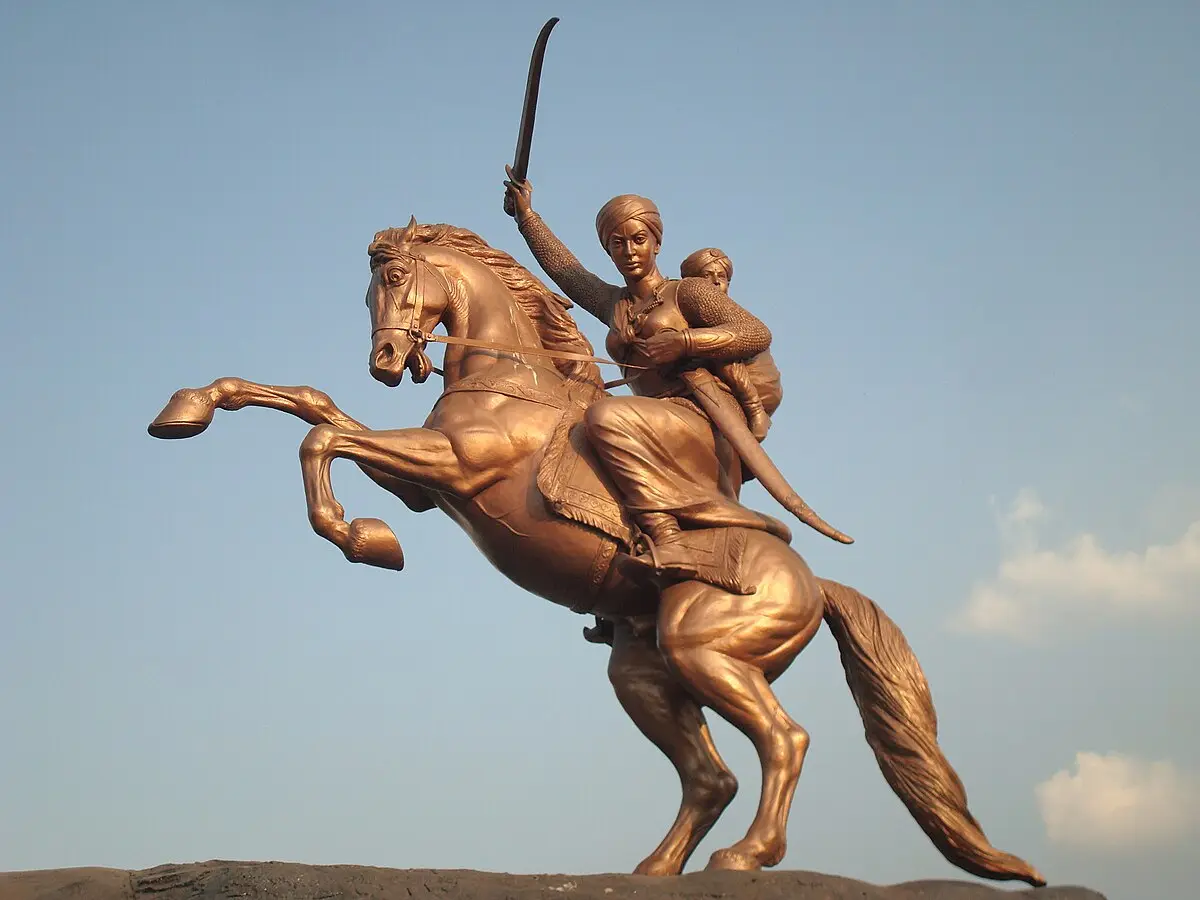
1. Rani Lakshmibai
The Warrior Queen of Jhansi (1828–1858), a symbol of resistance and courage during the 1857 Indian Rebellion. She led troops against British East India Company forces, inspiring generations with her valour and patriotism. She was trained in martial arts and became queen after marrying the Maharaja of Jhansi. When the British annexed her state in 1853 using the Doctrine of Lapse, she fearlessly led her troops in battle and fought courageously. However, she died fighting in Gwalior on June 18, 1858.
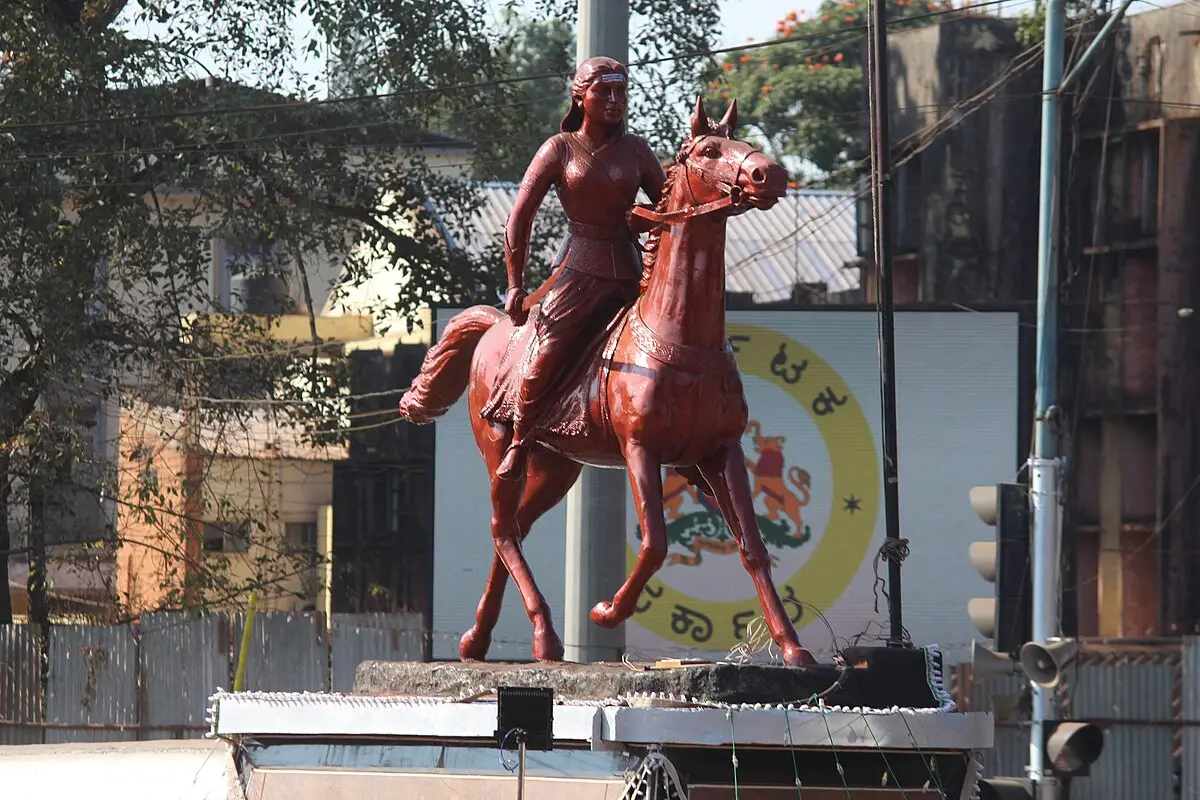
2. Rani Chennamma
Chennamma was the Queen of Kittur (in present-day Karnataka) who led an armed rebellion against the British East India Company in 1824. Born in 1778, she was a skilled warrior who fought against the British policy of the Doctrine of Lapse, which was used to deny her adopted son the right to the throne after her husband and son died. After an initial victory, she was ultimately defeated, captured, and imprisoned, where she died in 1829.
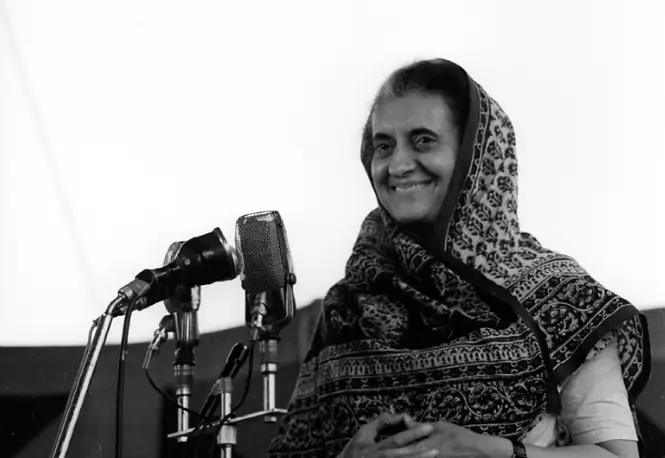
3. Indira Gandhi
The first and only female Prime Minister of India (1966–1984). She served for three consecutive terms (1966–1977) and a fourth term from 1980 until her assassination in 1984. Often called the "Iron Lady of India," her tenure was marked by significant achievements and major controversies. She also received the Bharat Ratna in 1971.
4. Sarojini Naidu
“Nightingale of India” (1879–1949), a poet and freedom fighter who served as the first woman governor of an Indian state. She was a key figure in the independence movement and women’s rights activism. Naidu was a close follower of Mahatma Gandhi and played a significant role in major movements such as the Civil Disobedience Movement, the Salt March (Dandi Satyagraha), and the Quit India Movement. History was made after she became the first Indian woman to be elected President of the Indian National Congress in 1925. After India gained independence in 1947, she became the first woman governor of an Indian state, serving as the Governor of the United Provinces (present-day Uttar Pradesh) until she died in 1949.
5. Savitribai Phule
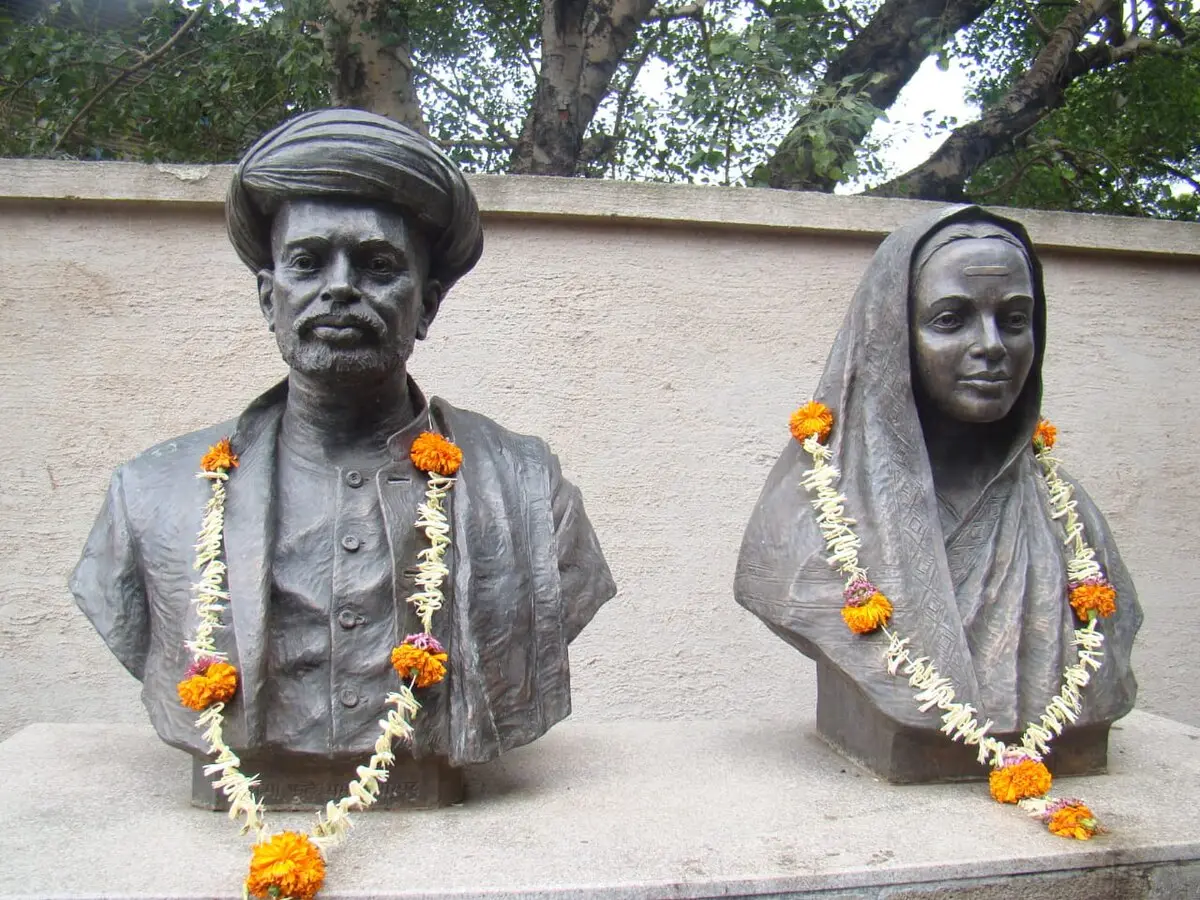
Pioneer educator and feminist (1831–1897) who became the first female teacher in India. She fought caste discrimination and championed girls’ education, helping establish the first school for girls in Pune in 1848. This step was a major step in her fight against caste discrimination and for women's rights. Her contributions also included founding schools for marginalised communities, establishing the Satyashodhak Samaj for social equality, and creating a shelter for widows and rape victims.
6. Kiran Bedi
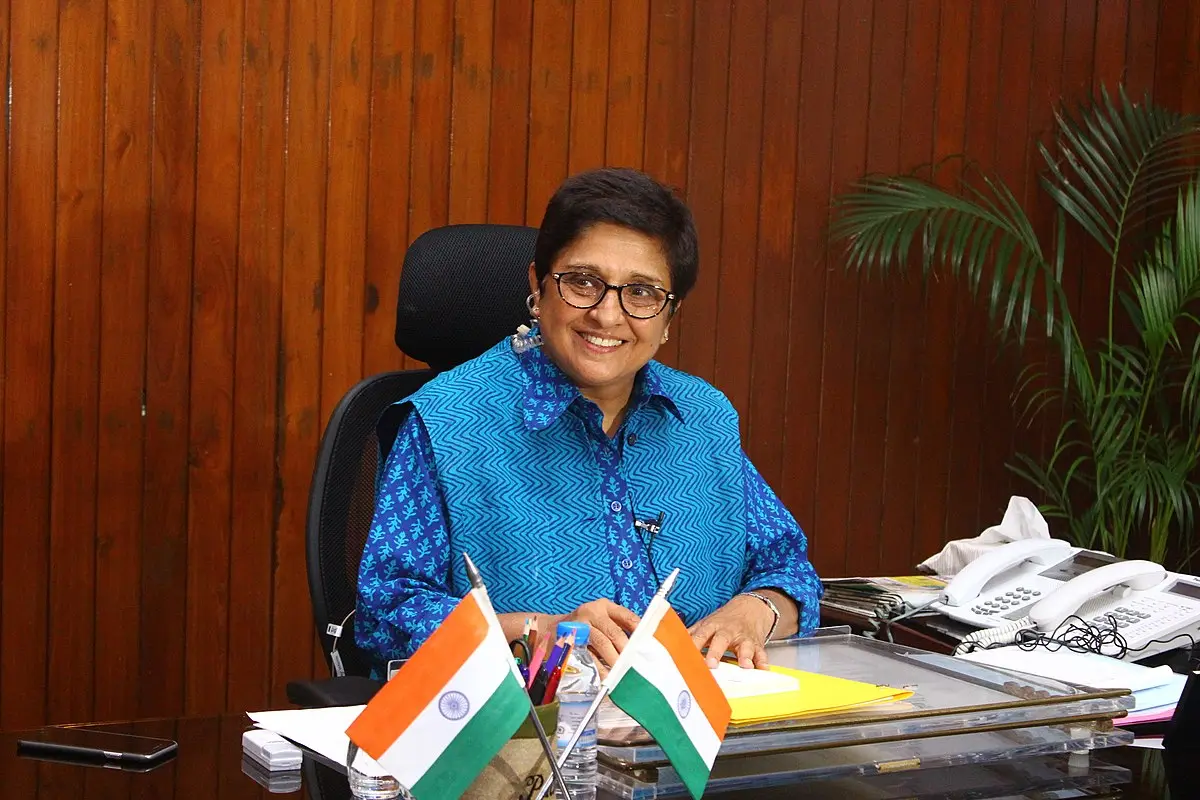
India’s first woman IPS officer and a prison reformist. Known for breaking stereotypes in law enforcement and contributing to public service and governance with integrity. Known for her trailblazing career and reformative approach to policing and prison management, she also served as the 24th Lieutenant Governor of Puducherry from 2016 to 2021. Her initiatives of humanising the prison environment led her to earn the Ramon Magsaysay Award in 1994.
7. Kalpana Chawla
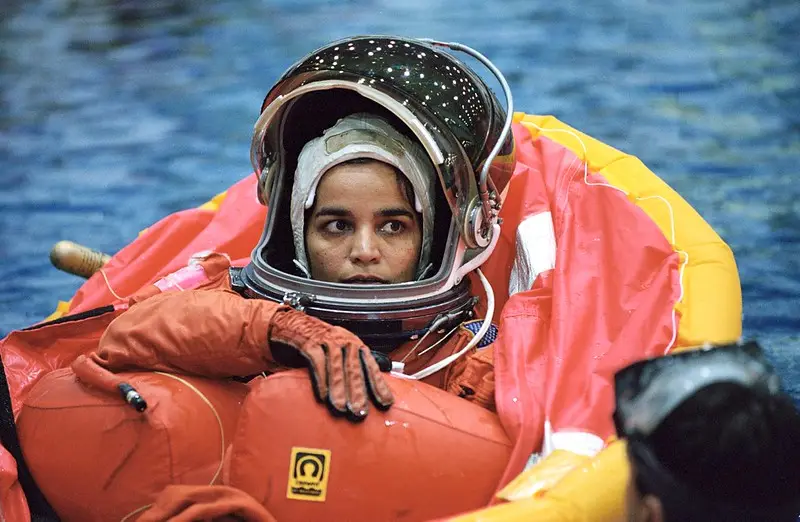
First Indian woman in space, an astronaut and aerospace engineer whose dedication and achievements broke barriers for Indian women in STEM fields. She was born in Karnal and earned an engineering degree from Punjab Engineering College before moving to the US, where she later earned her M.S. and PhD degrees. She flew on two Space Shuttle missions, STS-87 in 1997 and STS-107 in 2003, but was tragically killed along with six other crew members when the Space Shuttle Columbia disintegrated during re-entry on February 1, 2003.
8. Sucheta Kripalani
Freedom fighter and the first woman Chief Minister of Uttar Pradesh, remembered for her leadership in the Quit India Movement who was arrested and imprisoned by the British authorities for her role. She held the office of Chief Minister of Uttar Pradesh between October 1963 and March 1967, and it was a milestone moment for Indian political history.
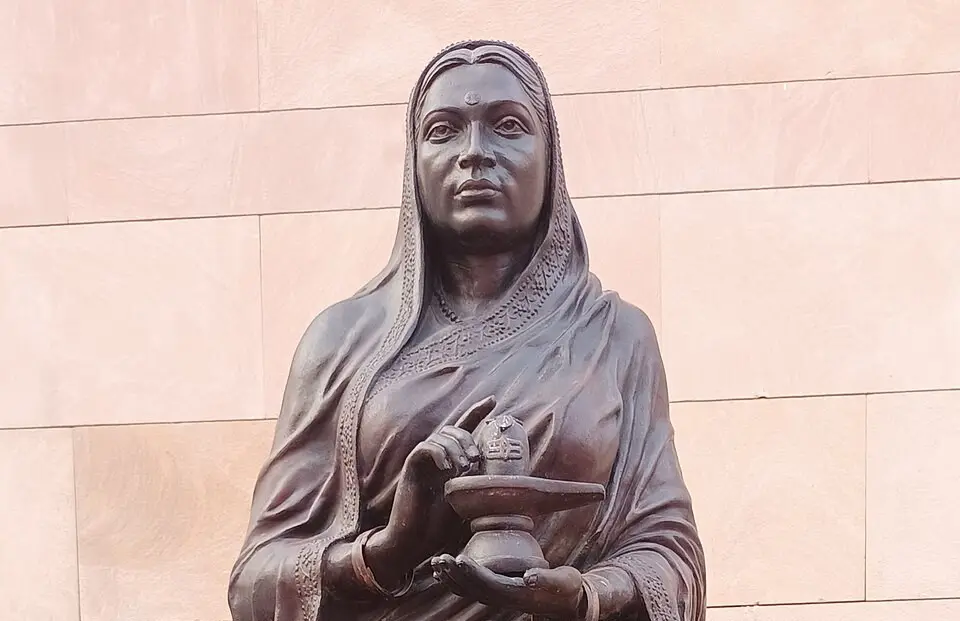
9. Ahilyabai Holkar
18th-century queen known for wise rule and architectural patronage in Malwa, including temples and forts. She epitomised dedication to public welfare. She was also popular as the "Philosopher Queen," who is also remembered for her exceptional administrative skills, wisdom, military leadership, and profound humanitarian work during her reign from 1767 to 1795.
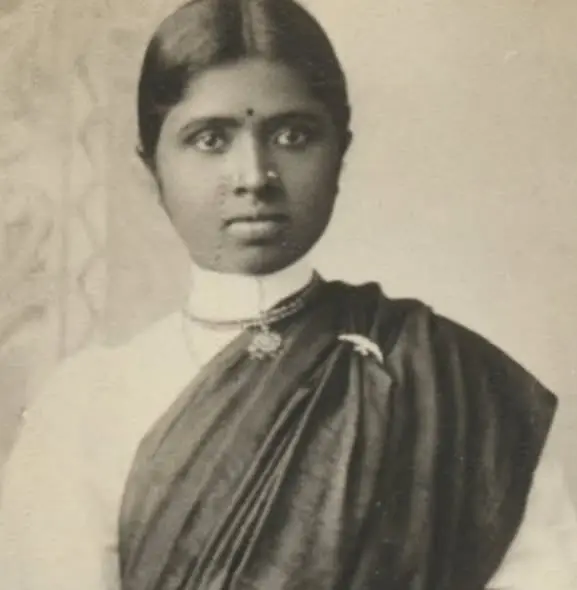
10. Muthulakshmi Reddy
First woman elected to the Madras Legislative Council and an advocate for women’s rights and health reforms. She founded the Adyar Cancer Institute. Along with a pioneering Indian medical practitioner, she was also a social reformer and legislator who dedicated her life to public health and the advancement of women's rights. She achieved many "firsts" for women in India and the world. In recognition of her immense contributions to the country, she was honoured with the prestigious Padma Bhushan award by the Government of India in 1956. The Government of Tamil Nadu currently runs the Dr Muthulakshmi Reddy Maternity Benefit Scheme, which provides financial assistance to pregnant women from low-income backgrounds.
)
)
)
)
)