'Leftist jury, nuclear treaty and more': 7 reasons why Trump couldn't win the Nobel Peace Prize

Public opinion and media narratives play an informal role in shaping perceptions. Trump’s actions were often seen as nationalist rather than globally conciliatory, leading to scepticism among international observers about awarding him the Peace Prize.
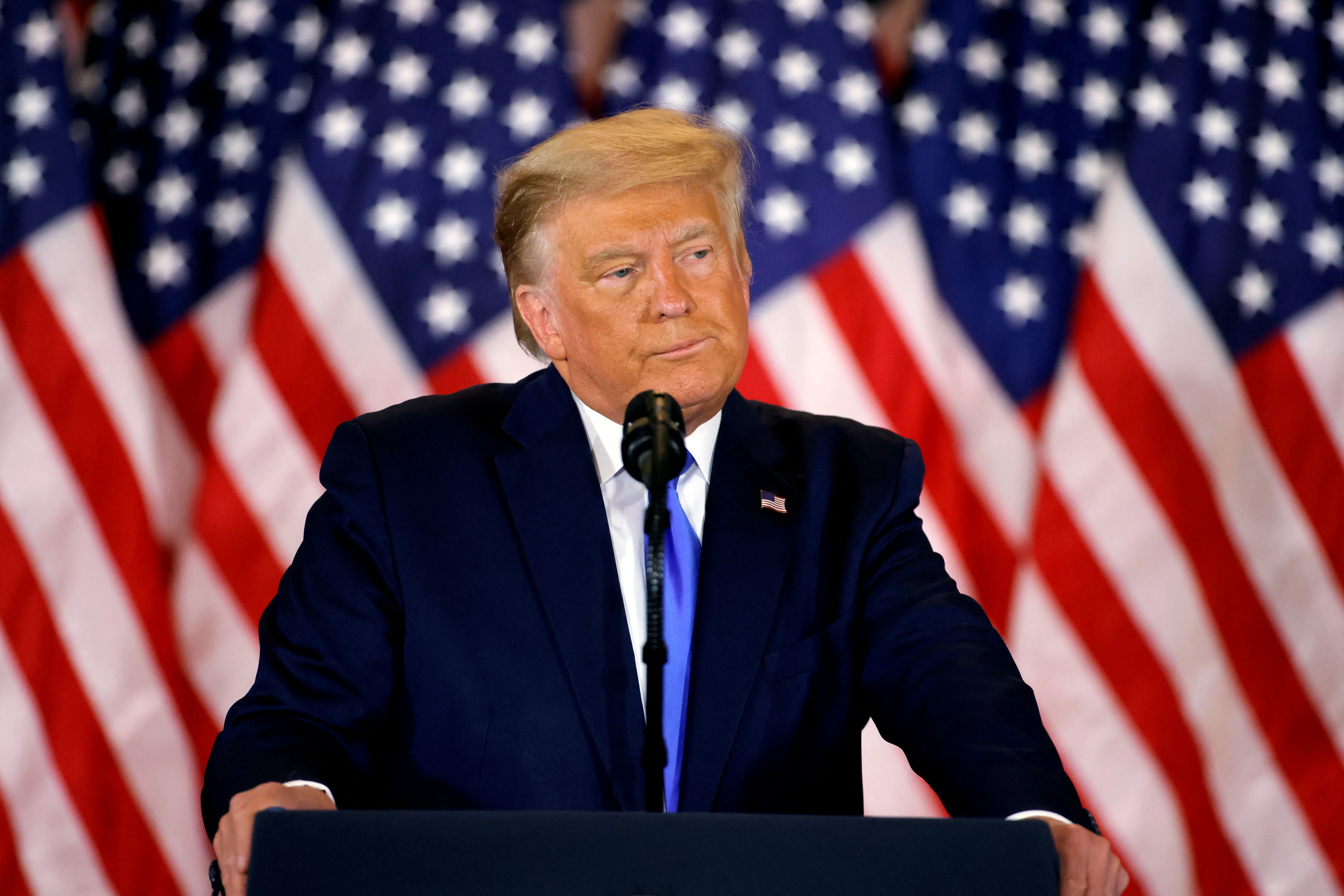
1. Jury’s Political Inclination
The Nobel Peace Prize is awarded by the Norwegian Nobel Committee, whose members have historically leaned towards progressive and left-leaning ideologies. Observers argue that this ideological inclination often favours leaders and initiatives aligned with liberal globalist principles, making Trump, a right-wing populist, less likely to receive the honour.
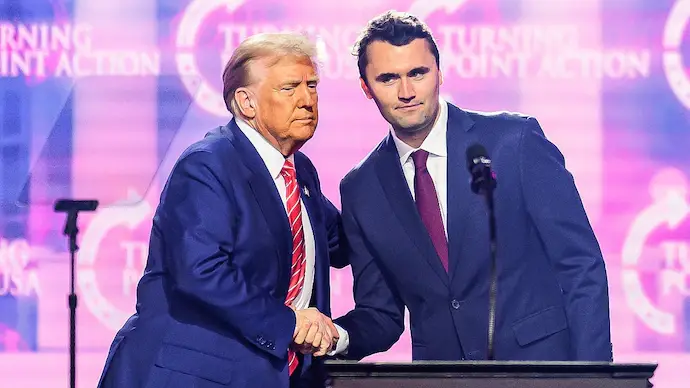
2. Controversial Foreign Policy Decisions
Trump’s foreign policy, including withdrawal from the Paris Climate Accord, the Iran nuclear deal, and his approach to North Korea, was polarising. While some praised his bold moves, critics felt these actions undermined global diplomacy, which likely influenced the committee’s decision.
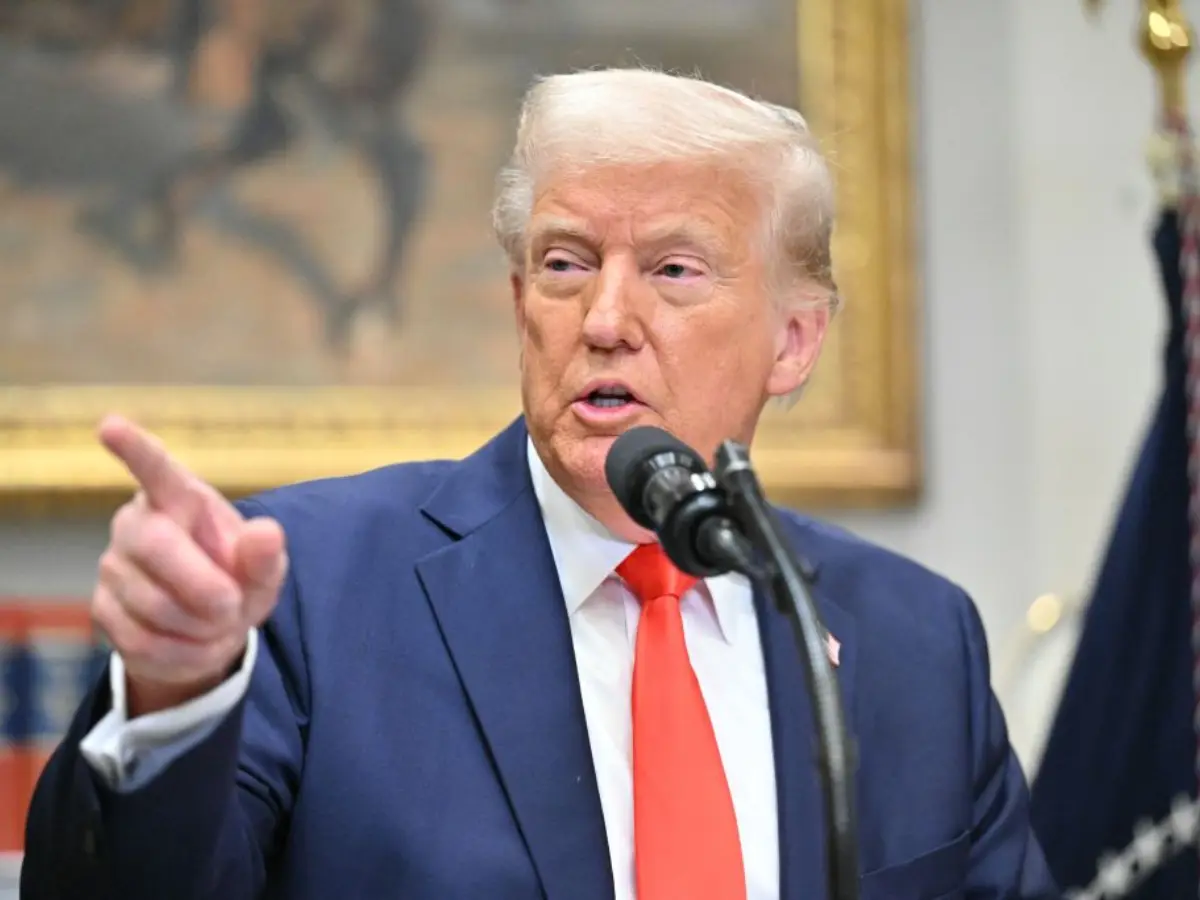
3. Polarising Domestic Politics
The committee also considers the global perception of a leader. Trump’s tenure was marked by domestic controversies, including impeachment trials and sharp political polarisation, which may have reduced his credibility as a global peacemaker.
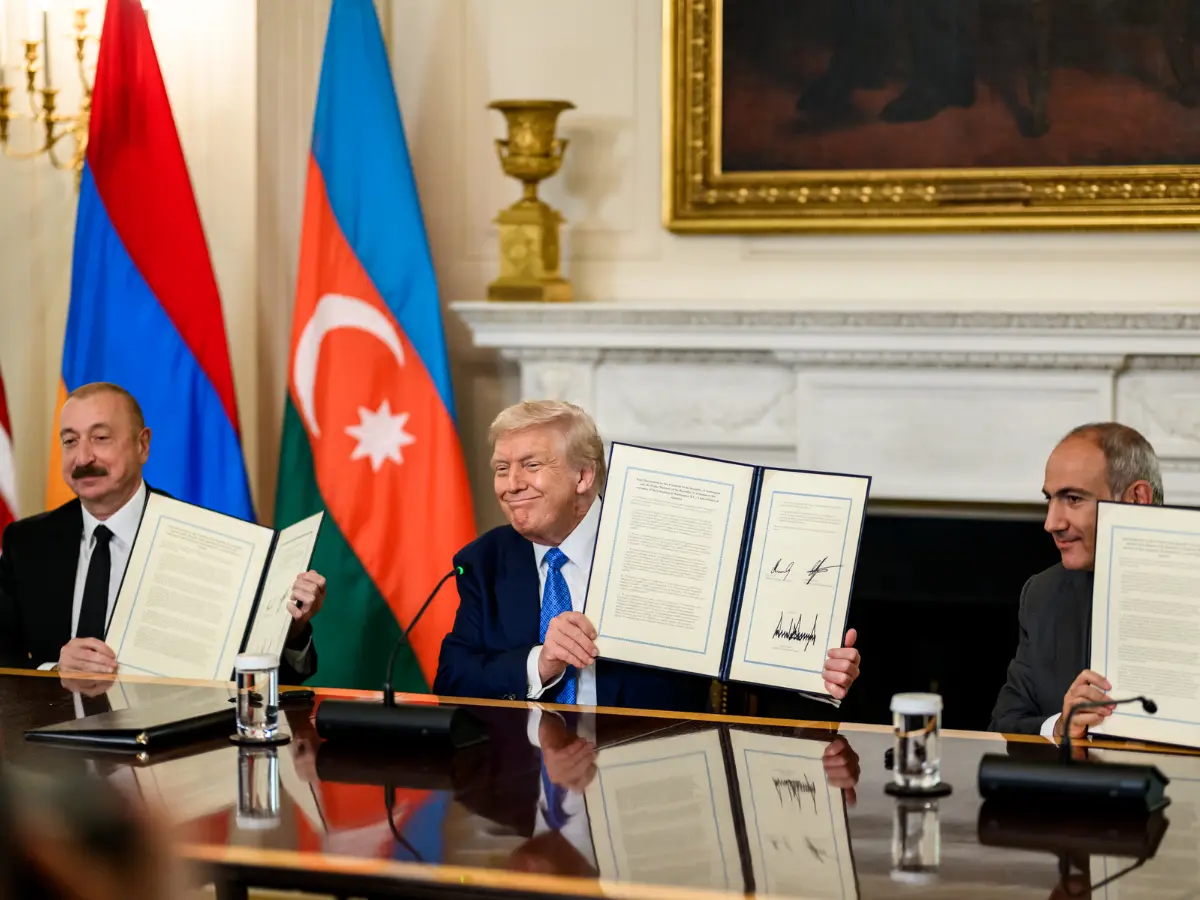
4. Lack of Multilateral Recognition
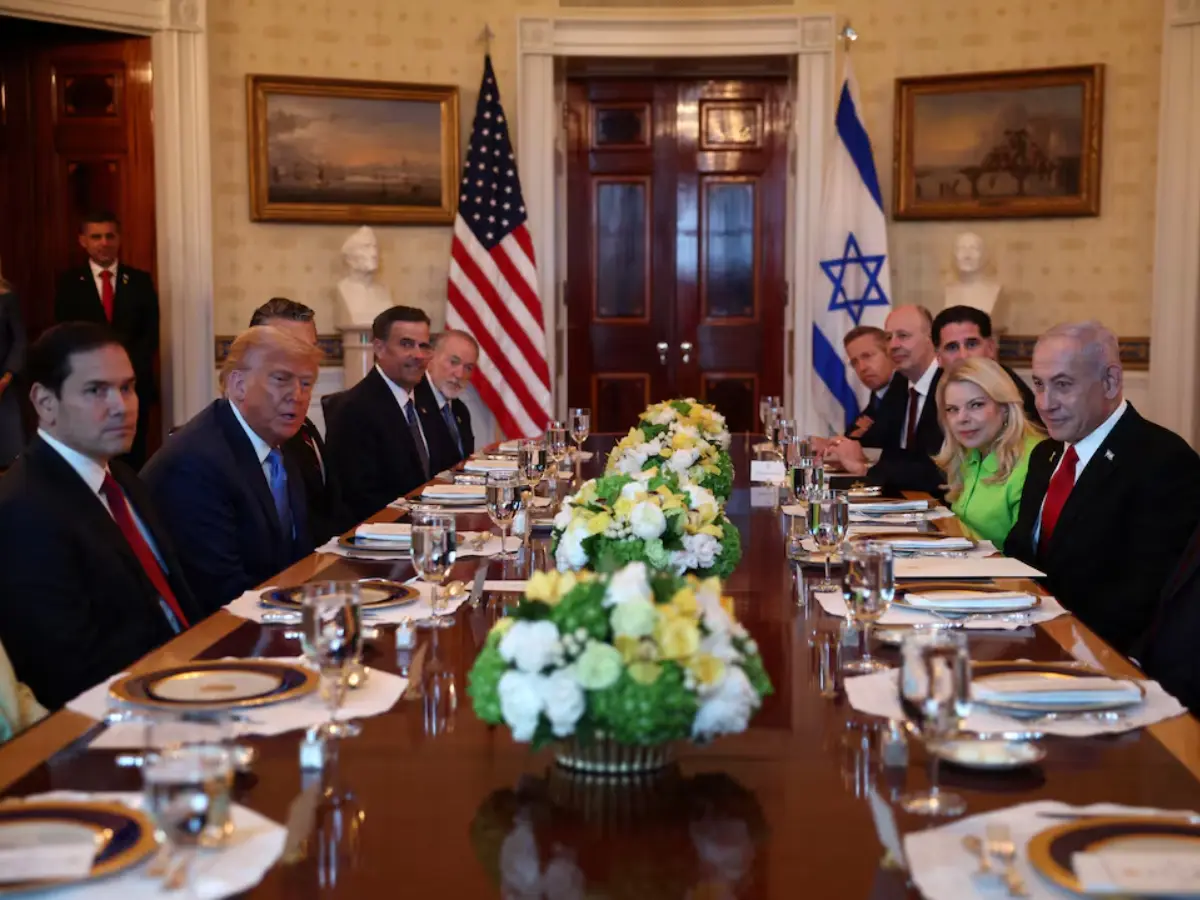
Many Nobel laureates are recognised for initiatives supported by multiple nations or international organisations. While Trump brokered the Abraham Accords between Israel and some Arab nations, critics argue that broader international consensus and multilateral engagement were limited.
5. Timing and Comparisons with Other Contenders
The Nobel Committee often evaluates multiple candidates simultaneously. In the years Trump was considered, other global leaders and organisations, such as the UN and human rights activists, were perceived to have a more substantial or lasting impact on peace, which influenced the selection.
6. Public Skepticism and Global Opinion
Public opinion and media narratives play an informal role in shaping perceptions. Trump’s actions were often seen as nationalist rather than globally conciliatory, leading to scepticism among international observers about awarding him the Peace Prize.
7. Ideological Fit with the Committee’s Vision
Ultimately, the Nobel Peace Prize reflects the committee’s vision of promoting cooperation, conflict resolution, and humanitarianism. Trump’s approach, which emphasised bilateral deals and “America First” policies, did not align closely with the committee’s traditional criteria, making his nomination less likely to succeed.
)
)
)
)
)