'Laser weapons on fighter jets': How future skies could look like sci-fi battles

Several countries, including the US, Russia, and China, are actively testing jet-mounted laser weapons. The US Air Force has done trials of the High Energy Laser (HEL) on modified aircraft, successfully destroying drones in flight.
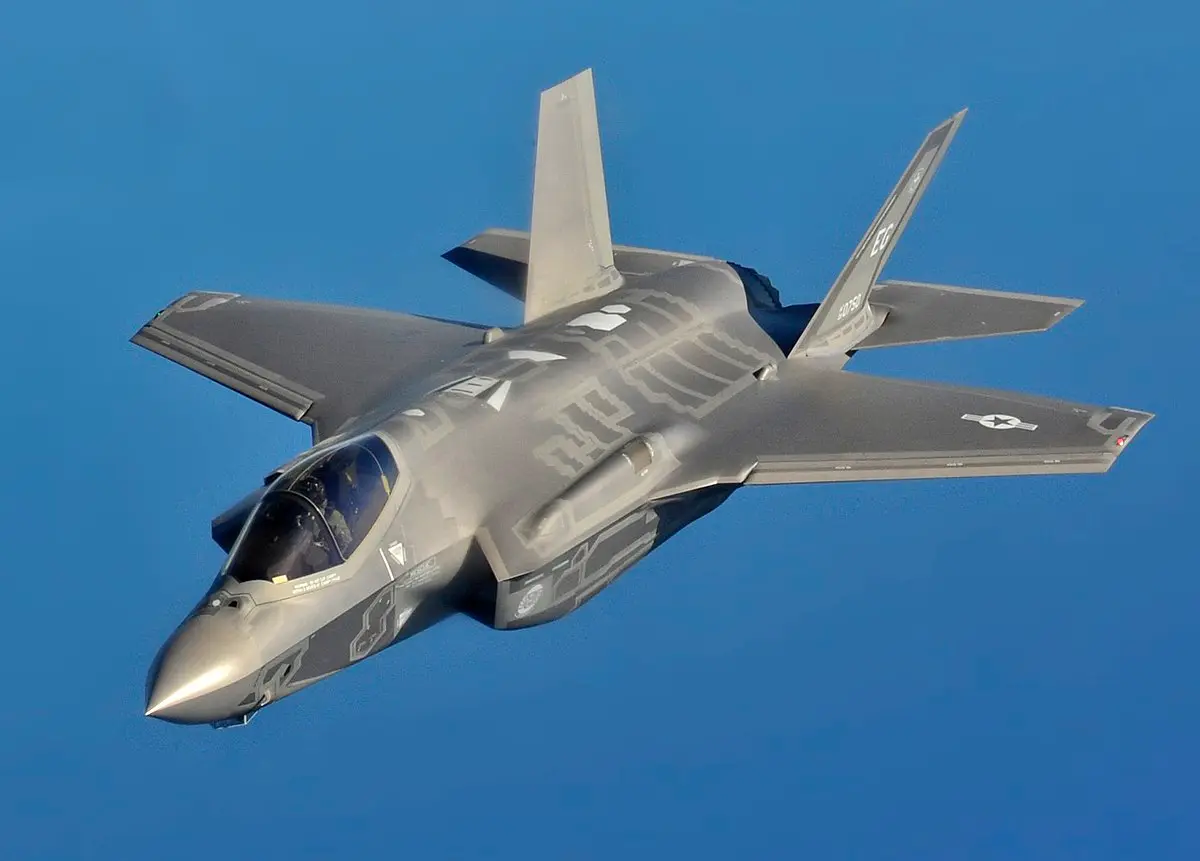
1. What Are Laser Weapons on Jets?
Laser weapons, often called directed energy weapons, use highly focused beams of light to damage or destroy targets. Mounted on fighter jets, these weapons can target missiles, drones, or enemy aircraft at the speed of light, with extreme precision. Unlike traditional guns or missiles, lasers don’t rely on explosive ammunition, making them a potential game-changer in aerial warfare.
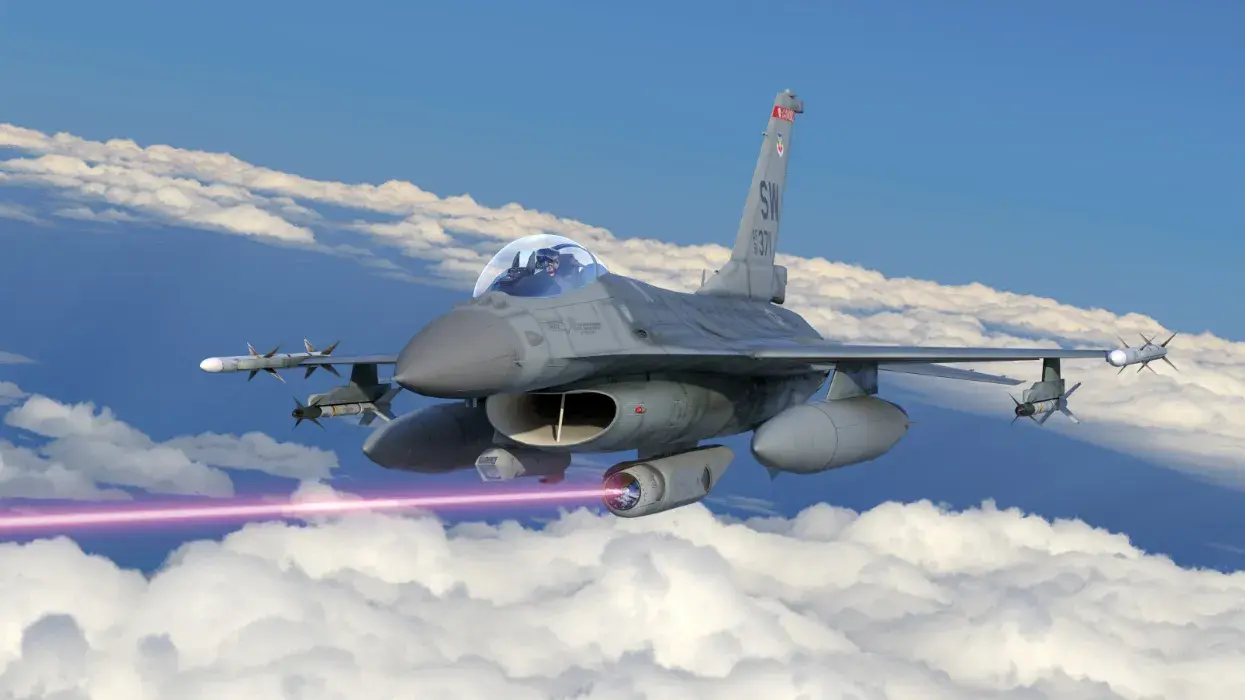
2. Current Development Status
Several countries, including the US, Russia, and China, are actively testing jet-mounted laser weapons. The US Air Force has trialed the High Energy Laser (HEL) on modified aircraft, successfully destroying drones in flight. Russia claims it has integrated laser systems on Su-57 jets, while China is reportedly developing high-powered lasers for combat jets. (Air & Space Forces Magazine)
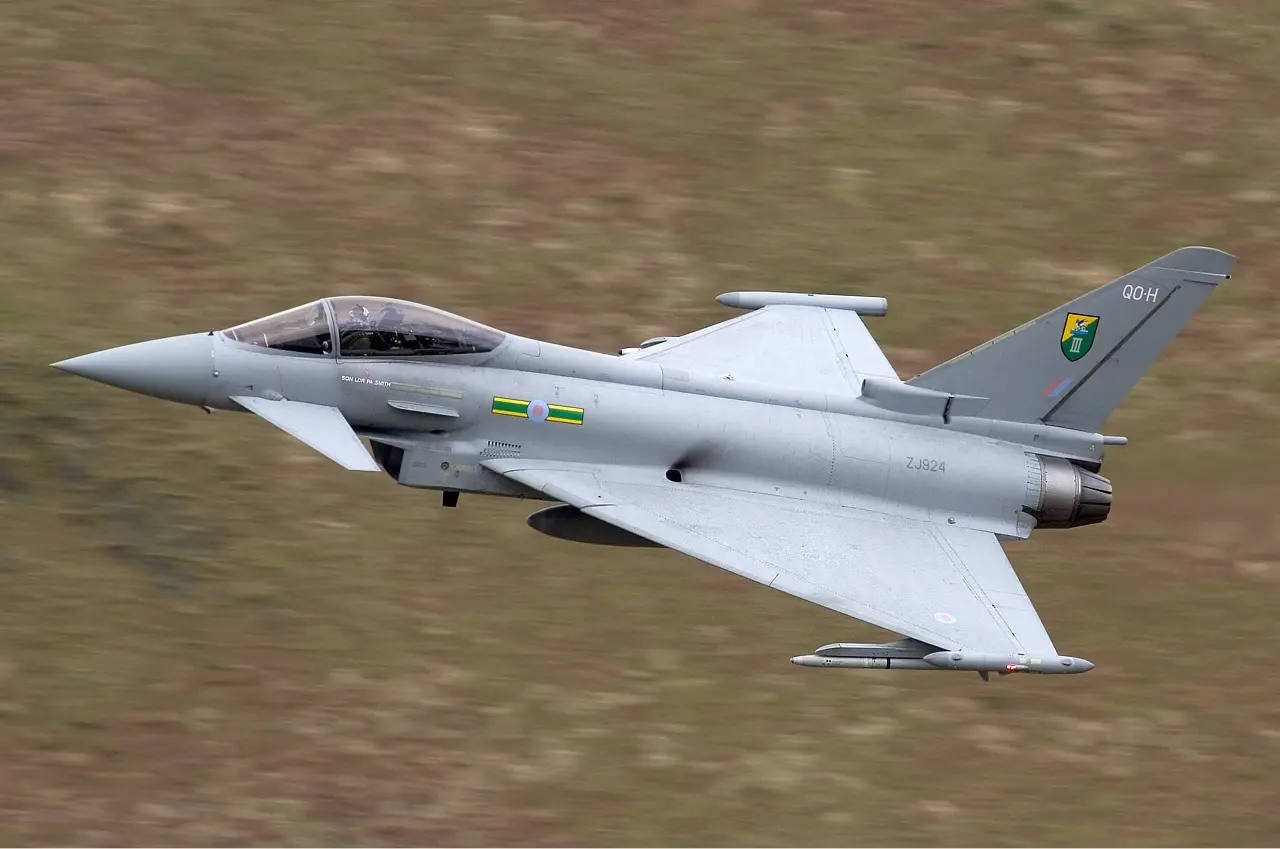
3. How Lasers Work in Combat
Laser weapons target objects using concentrated beams of photons. When fired, they generate heat on the surface of the target, burning or destabilising electronics and structural components. The beam can travel at the speed of light, making evasion nearly impossible. These weapons could theoretically neutralise multiple threats in rapid succession without the limitations of conventional ammo.
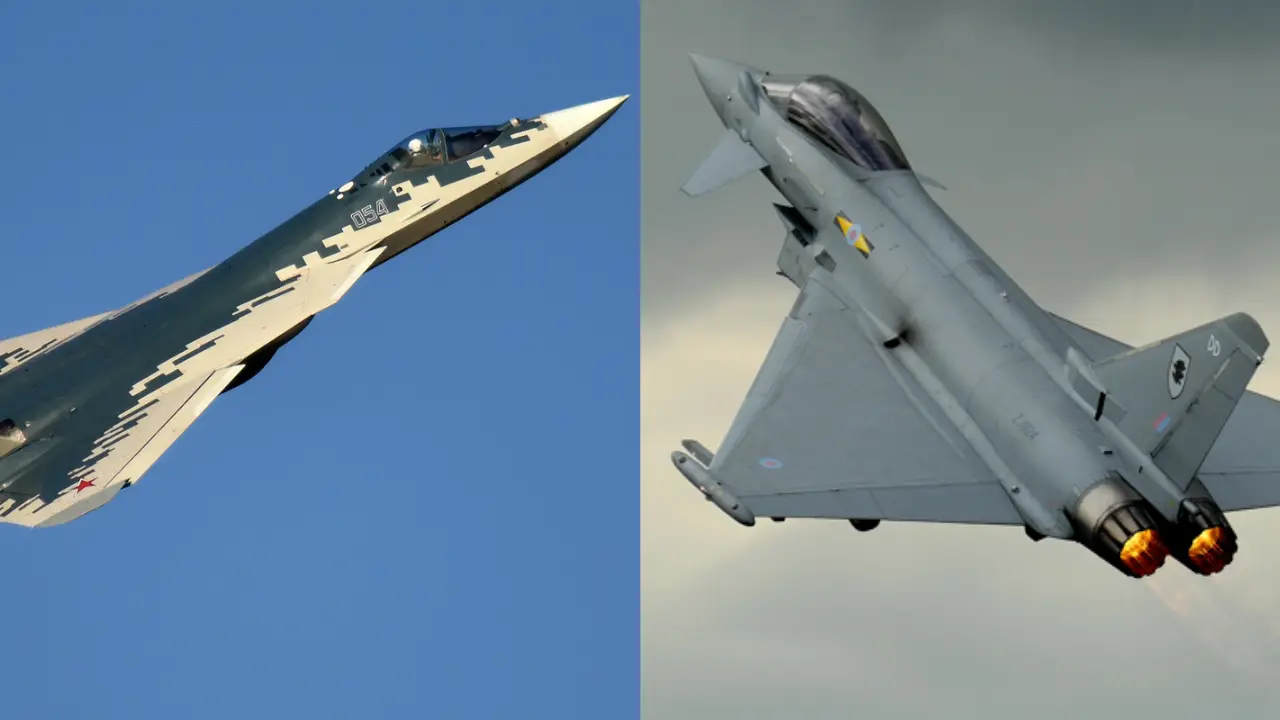
4. Advantages Over Traditional Weapons
Lasers offer infinite “magazine” potential as long as the jet has power. They are quieter, harder to detect, and cheaper per shot compared to missiles. Moreover, they reduce collateral damage since the beam is precise, and there’s no explosive fallout. In theory, a squadron of jets equipped with lasers could defend key airspace against swarms of drones or missiles more efficiently.
5. Current Limitations & Challenges
Despite the hype, laser weapons face power supply, cooling, and atmospheric interference challenges. Clouds, fog, or dust can scatter or weaken the beam. Jets need advanced power generators to sustain high-energy beams for multiple engagements. Engineers are also addressing issues of beam divergence at long distances, which reduces accuracy.
6. The Future of Air Combat
Once perfected, laser-equipped fighter jets could transform aerial warfare, making dogfights more like science fiction. Fleets could intercept incoming threats instantly, neutralize drones without expending missiles, and perform defensive operations with minimal risk. Combined with AI-guided targeting systems, future skirmishes might rely more on software, sensors, and directed energy than traditional firepower.
7. Global Race & Strategic Implications
The US, China, and Russia are in a race to deploy operational laser jets first. This technology could shift the balance of power in the skies, forcing other nations to develop countermeasures such as reflective coatings, rapid manoeuvring systems, or electronic warfare capabilities. Nations that lag in laser technology might find themselves at a strategic disadvantage in future conflicts.
)
)
)
)
)