‘Laser Dots & GPS’: How drones guide missiles and bombs with high accuracy

Drones achieve high accuracy using laser targets for heat-seeking missiles and GPS data for all-weather satellite guidance. It uses sensor fusion to track moving vehicles and real-time data links to update weapons mid-flight, ensuring precision strikes.
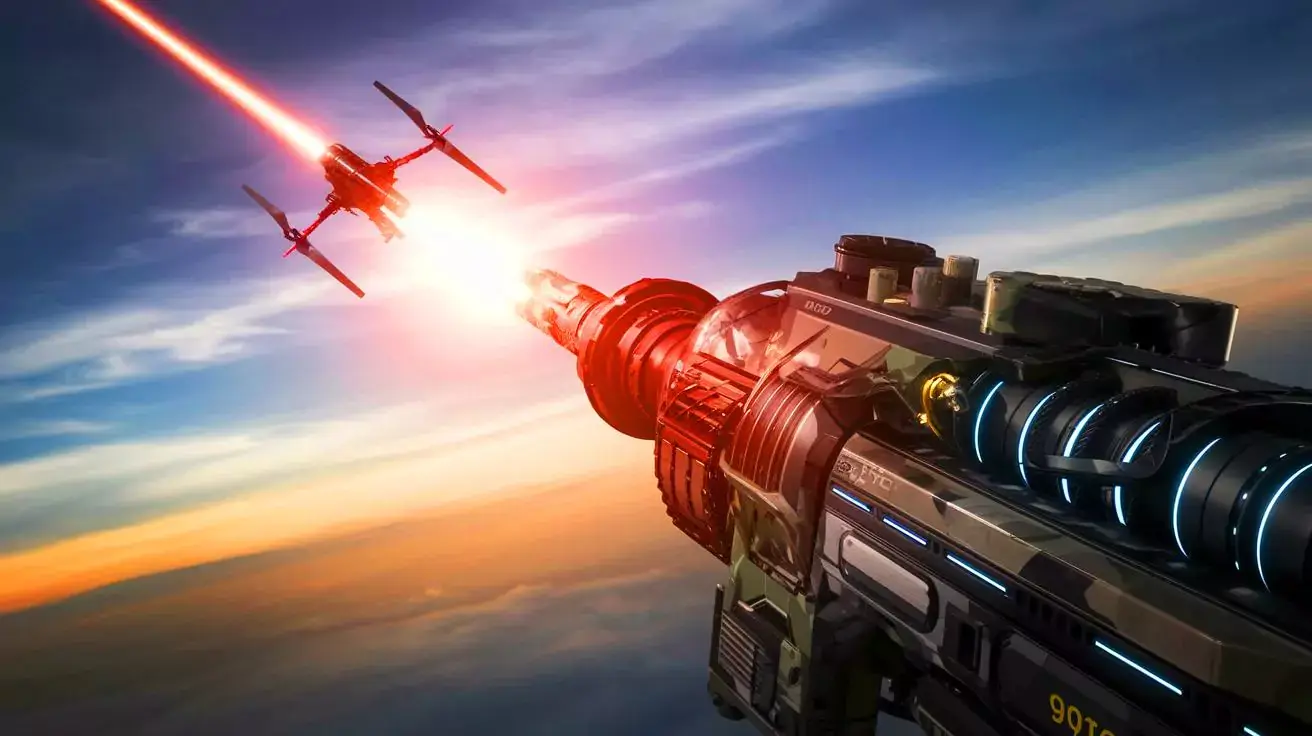
Laser beam
Drones use a laser beam, invisible to the naked eye, to "paint" a target with a unique coded light pattern. Lockheed Martin explains that the missile’s seeker head spots this reflection and steers itself directly into the laser dot for a precise hit.

Satellite Guidance GPS Coordinates
For stationary targets, drones calculate exact GPS coordinates using their onboard sensors and relay them to the weapon. General Atomics notes that this allows "fire-and-forget" munitions like JDAMs to strike accurately through smoke or cloud cover where lasers might fail.
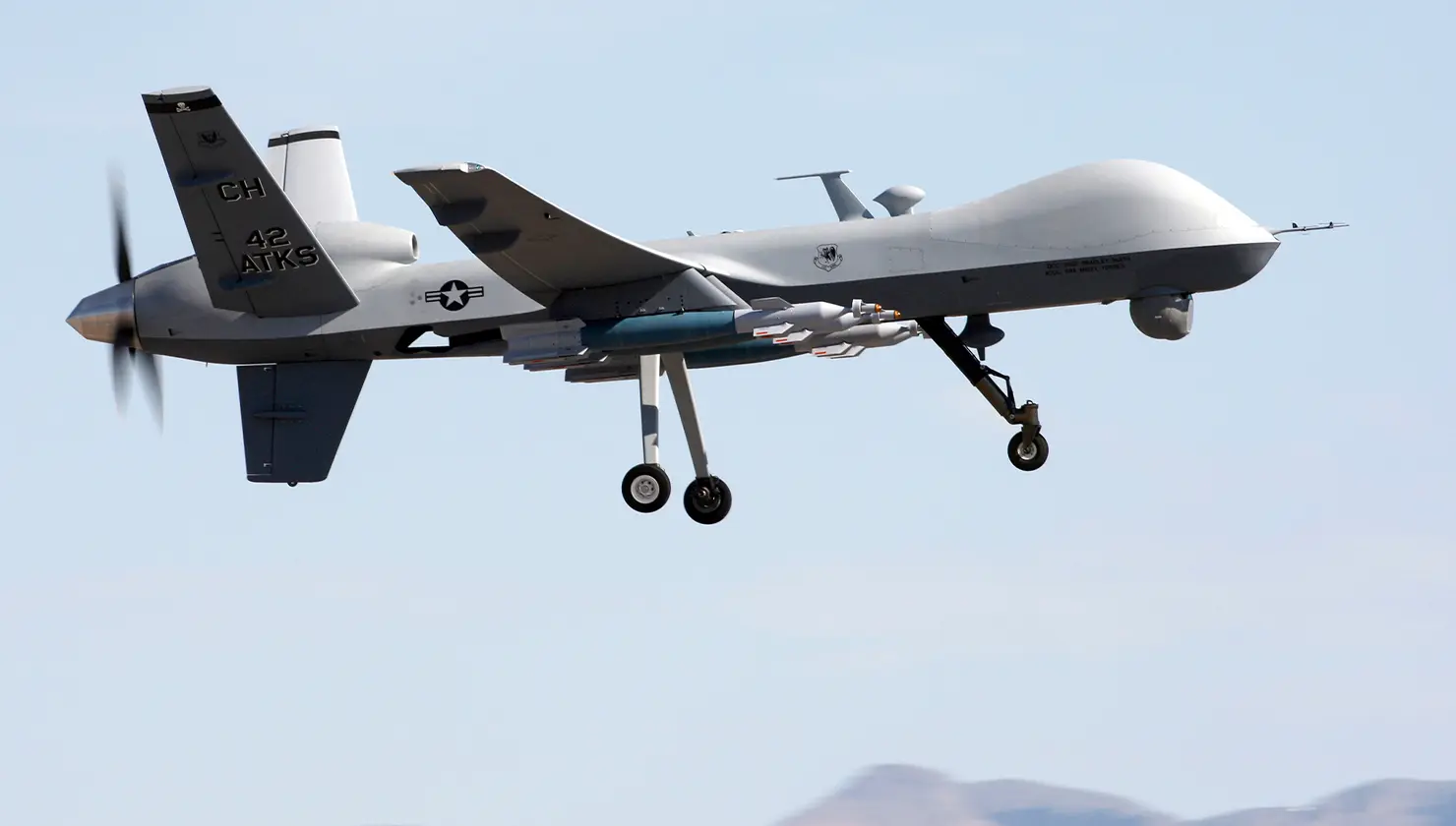
The All-Seeing Eye Sensor Fusion
Modern drones combine data from thermal cameras, radar, and daylight sensors to create a single, clear target profile. BAE Systems states this "sensor fusion" prevents errors, ensuring the weapon tracks the correct vehicle even in cluttered environments.
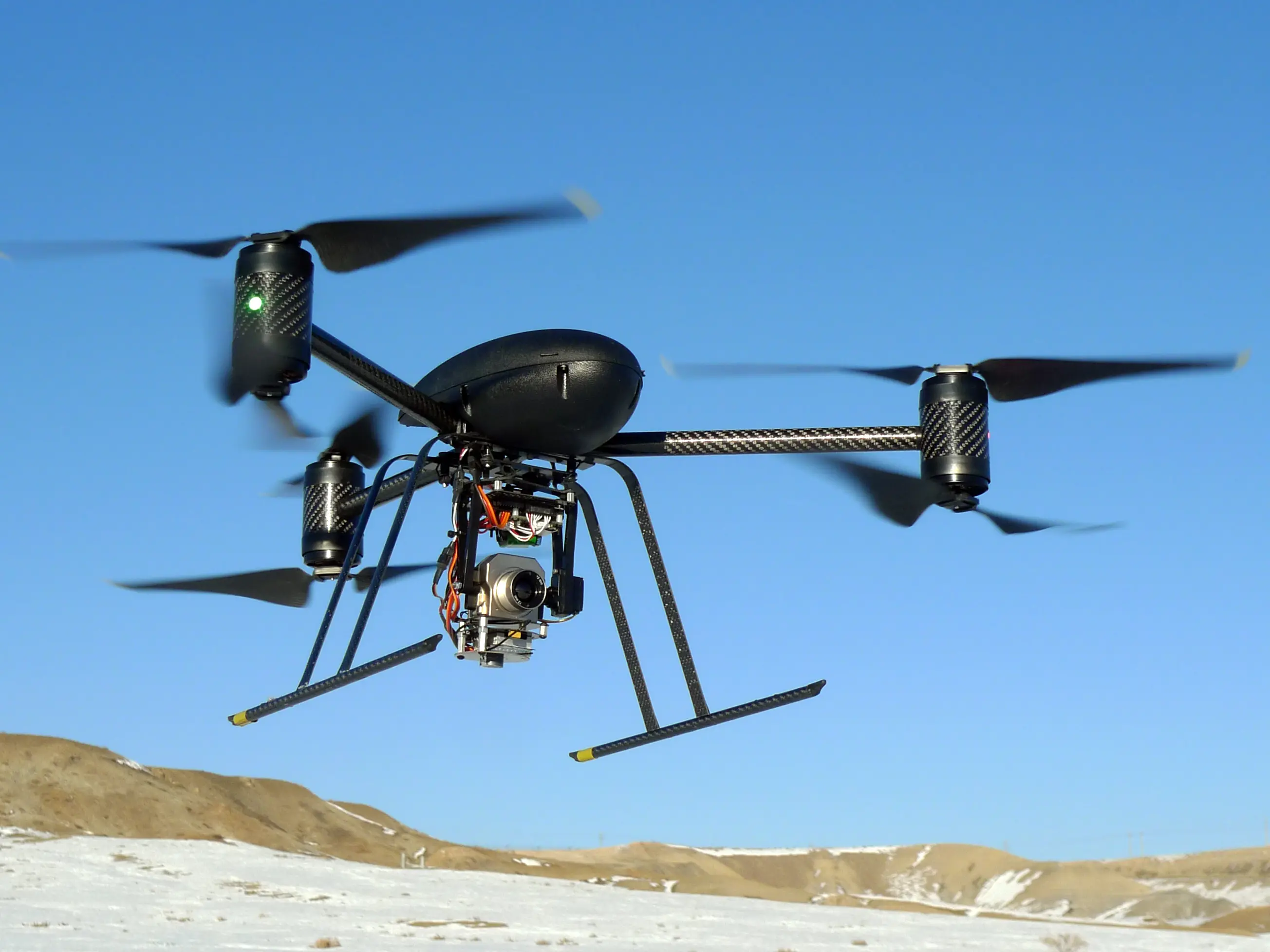
Remote Piloting
Despite the automation, a human pilot miles away typically makes the final decision to fire. The Royal Air Force confirms that operators view a real-time video feed to verify the target and guide the weapon until the last moment to minimise collateral damage.
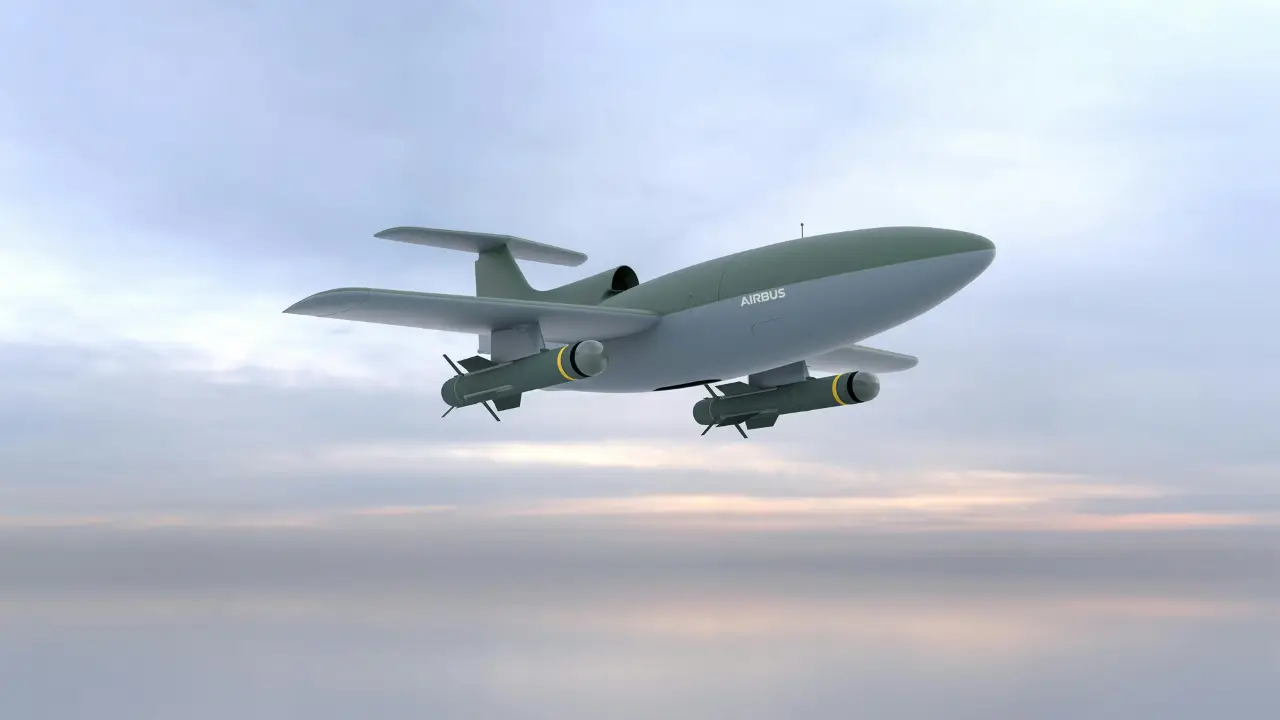
Drone track moving target
After a missile is launched, the drone continues to track the moving target and sends position updates to the weapon mid-flight. Raytheon highlights that this data link allows the missile to adjust its path instantly if the target turns or speeds up.
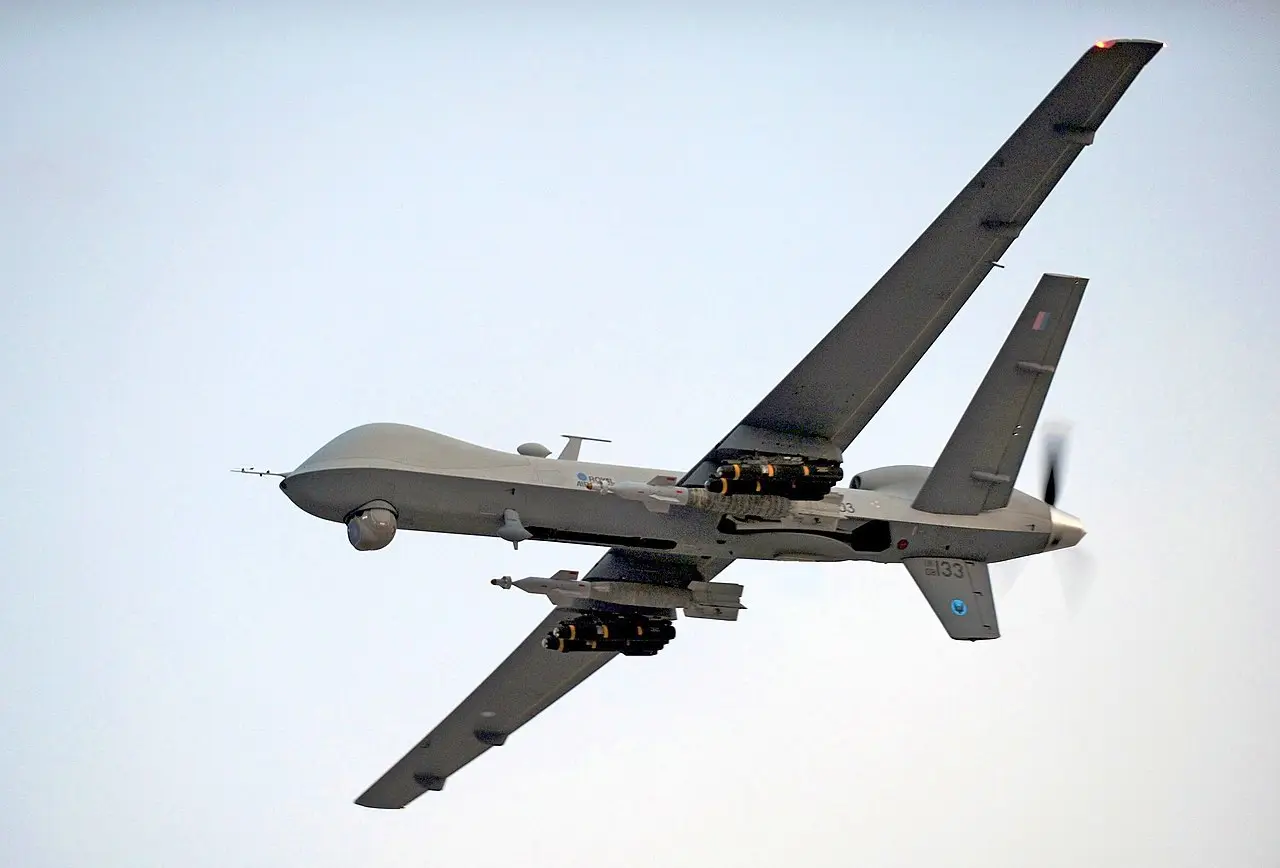
Kamikaze Drones Loitering Munitions
Some drones, like the Switchblade, are the weapon themselves, carrying a warhead and crashing directly into the target. AeroVironment describes them as "loitering munitions" that can wait in the air for the perfect moment to strike with extreme precision.
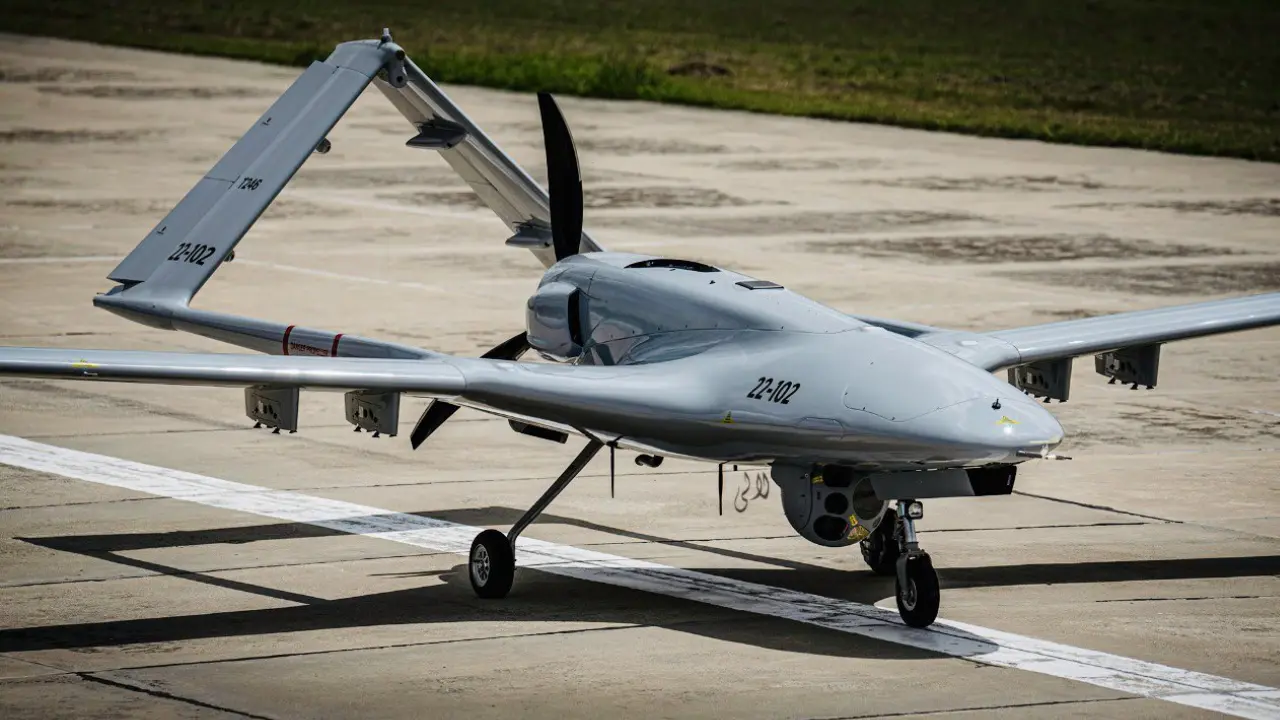
Buddy Lasing Guiding for Others
A drone doesn't always fire the shot; it often guides weapons launched by jets or artillery. The US Air Force uses this "buddy lasing" technique, where a stealthy drone marks the target for a fighter jet miles away to destroy safely.
)
)
)
)
)