'Ladakh violence': What India might lose or gain by granting statehood

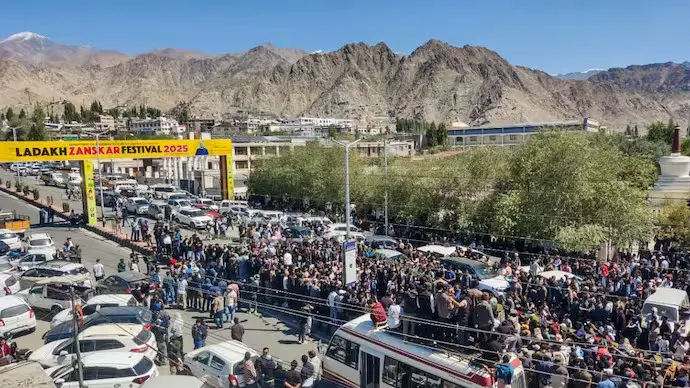
Granting statehood means creating new governance structures, an assembly, bureaucracy, and institutions. This would increase administrative and financial responsibilities for New Delhi.

1. Greater Political Representation for Locals
If Ladakh becomes a state, its residents will have an elected government and legislative assembly. This would allow locals to directly shape policies on land, jobs, and culture.

2. Stronger Safeguards for Land and Jobs
Statehood could help Ladakh introduce laws protecting land ownership and job opportunities for locals, similar to special protections in other hill states like Himachal Pradesh.
3. Higher Administrative Costs for the Centre
Granting statehood means creating new governance structures, an assembly, bureaucracy, and institutions. This would increase administrative and financial responsibilities for New Delhi.

4. Strategic and Security Concerns
Ladakh shares borders with China and Pakistan. A new state government might push policies that complicate central security control, which India considers crucial in this sensitive region.

5. Boost to Identity and Cultural Preservation
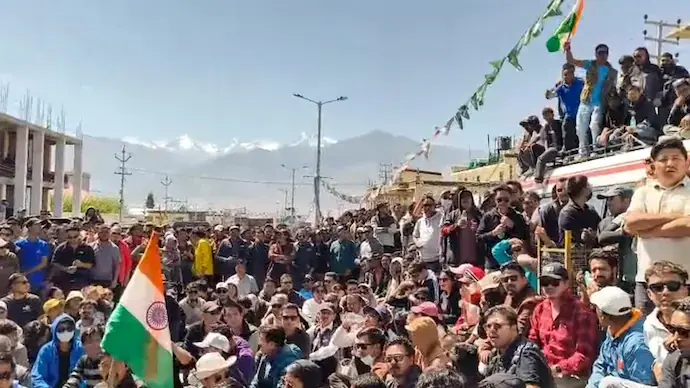
For Ladakhis, statehood is seen as recognition of their unique cultural, linguistic, and religious identity. It could help preserve local traditions while resisting outside demographic pressures.
6. Possible Domino Effect Across India
Granting statehood to Ladakh might encourage other regions with similar demands, like Gorkhaland or Bodoland to intensify their movements, increasing political challenges for the Centre.
7. Balancing Development and Autonomy
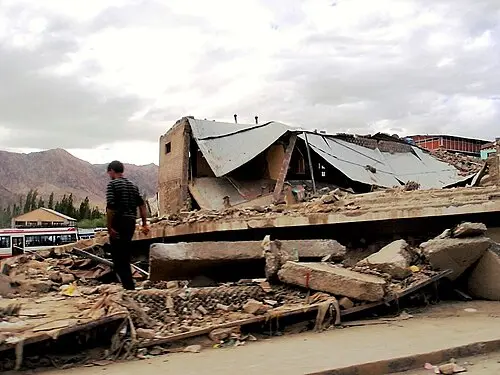
With statehood, Ladakh could gain greater autonomy in planning sustainable development, but it might also risk slower central investment if New Delhi reduces direct oversight.
)
)
)
)
)