'Kingdom of Crisis': Keir Starmer could become the 6th UK PM to resign in just 10 years due to Epstein files

United Kingdom is staring at a historic collapse of political stability. If Keir Starmer bows to the immense pressure following the Peter Mandelson-Epstein revelations, he would mark the sixth Prime Minister to resign since 2016

1. The Decadel Challenge: 6 PMs in 10 Years
The UK is currently experiencing its most volatile political era in modern history. Since the Brexit referendum in 2016, the average tenure of a British Prime Minister has plummeted to less than two years. If Starmer resigns this month, it would solidify Britain's reputation as the "sick man of Europe" in terms of leadership stability, leaving the country with its fifth Prime Minister in just four years (Johnson, Truss, Sunak, Starmer, and his successor).

2. The "Sarwar Trigger"
The crisis reached a tipping point on February 9, 2026, when Anas Sarwar, the leader of Scottish Labour, became the first high-ranking party official to publicly demand Starmer’s resignation. Sarwar’s move was a calculated attempt to save the party’s chances in the upcoming Scottish Parliament elections, arguing that Starmer's association with the Mandelson-Epstein scandal has made the Labour brand “toxic.”
3. The Hollowed-Out Cabinet
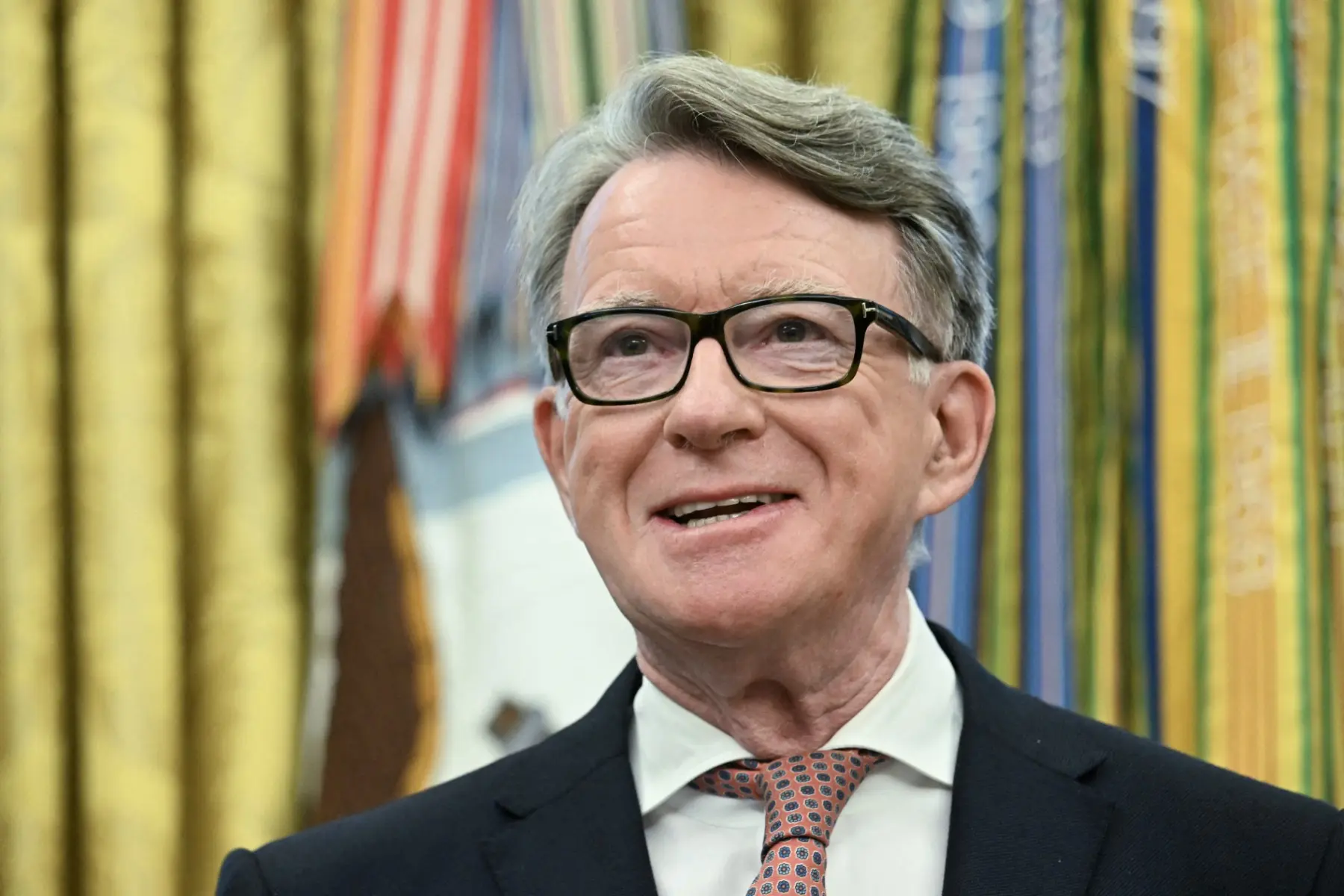
Starmer’s leadership is physically crumbling. Within 48 hours, his two most powerful allies, Chief of Staff Morgan McSweeney and Communications Director Tim Allan, resigned. McSweeney, the architect of Starmer’s 2024 victory, admitted his advice to appoint Peter Mandelson was a "catastrophic error." Without his "kingmaker," Starmer is standing alone against a cabinet that is publicly supportive but privately "keeping their powder dry" for a coup.

4. The "Endgame" Polling
Polls released this week show Starmer’s approval ratings are lower than Liz Truss’s were during her final days. The British public’s "honeymoon" with Labour ended in record time, fuelled by a stagnant economy and the perception that the "forensic" Prime Minister was easily manipulated by Epstein-linked veterans like Mandelson. Analysts suggest that no PM has ever recovered from the "depths of the floor" where Starmer currently sits.
5. The "February 26" Deadline
All eyes are on the Gorton and Denton by-election scheduled for February 26, 2026. Traditionally a safe Labour seat, internal party data suggests Labour could potentially drop to third place behind Reform UK and the Conservatives. If Labour loses this stronghold, it is widely expected that a "letter of no confidence" surge will follow, making Starmer’s position mathematically untenable.
6. The Successors in Waiting
While the cabinet has issued "choreographed" messages of support, a website titled "Rayner for Leader" briefly went live on February 8, suggesting that Deputy PM Angela Rayner’s camp is already preparing for a transition. Meanwhile, Health Secretary Wes Streeting has been making increasingly independent policy speeches, distancing himself from Starmer’s "failed growth strategy."

7. The Ghost of 2009
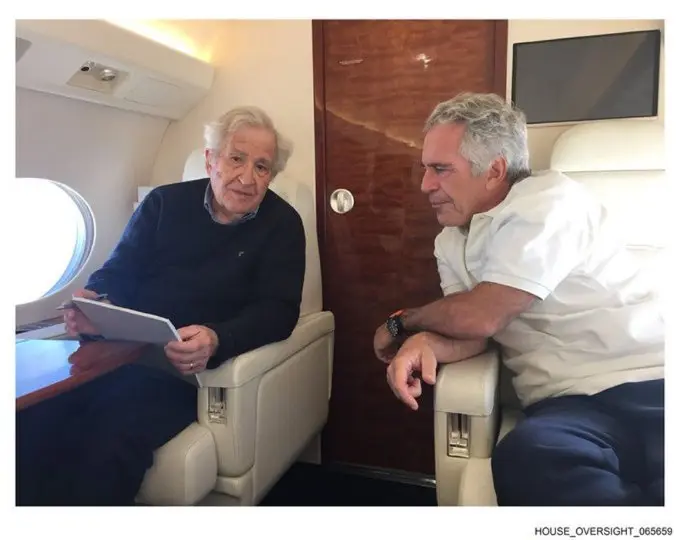
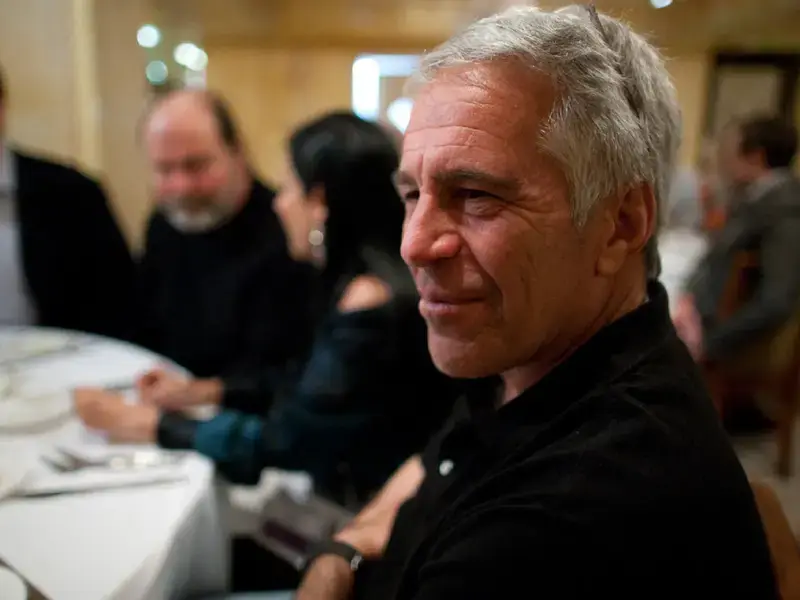
The crisis is no longer just political; it’s criminal. The Metropolitan Police are currently investigating claims that Mandelson shared market-sensitive government documents with Jeffrey Epstein during the 2008–2009 financial crisis. Because Starmer personally vouched for Mandelson’s character during the 2024 vetting process, he is now legally and morally tethered to any criminal findings, leaving him no room to escape the fallout.
)
)
)
)
)