‘King of Planets’: Which planet holds this title and why?

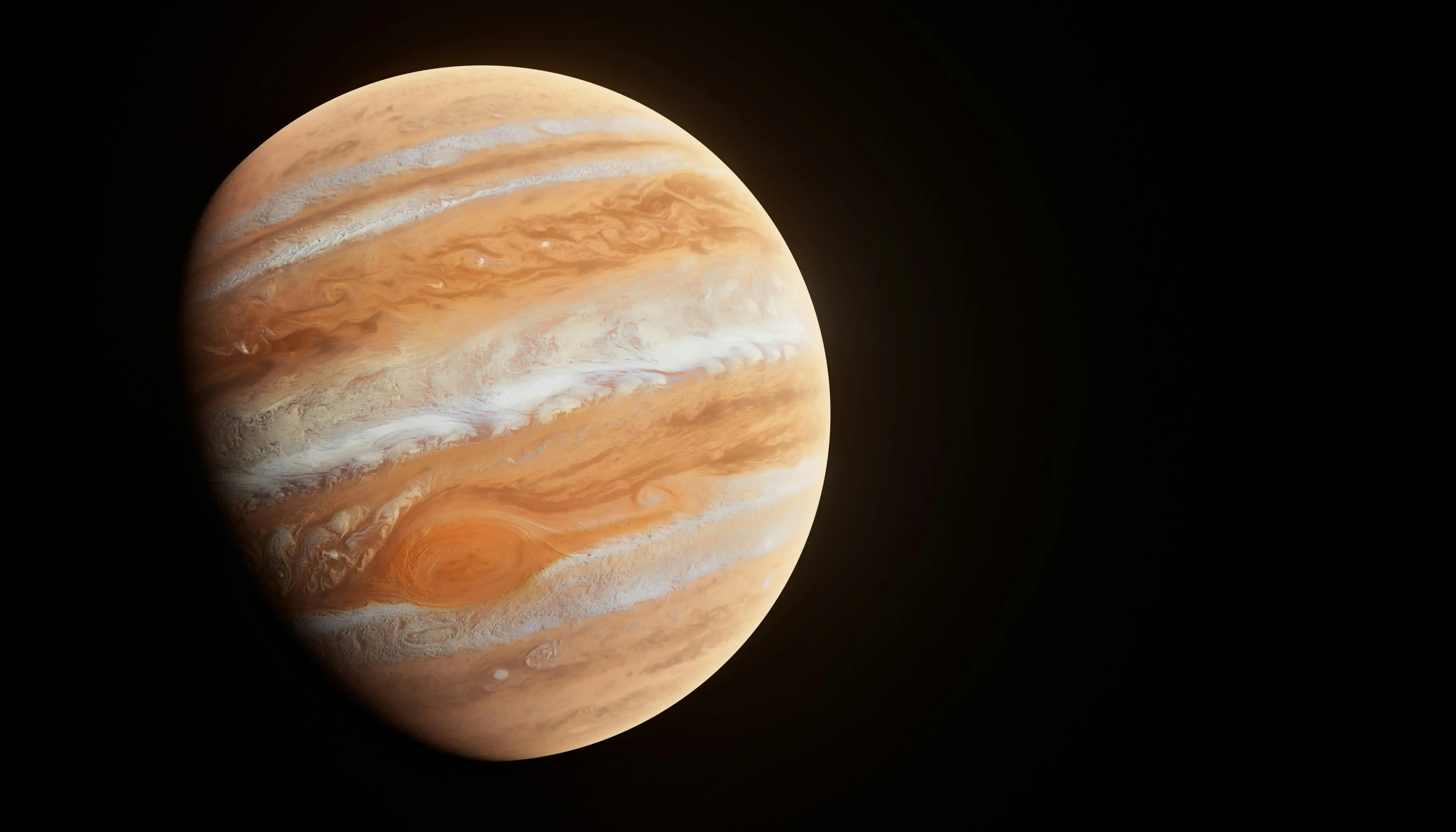
Jupiter, the largest and most massive planet, is called the ‘King of Planets’ due to its immense size, weight, fast rotation, and role in shaping the solar system. Its many moons and powerful storms add to its dominance in the planetary family.
Jupiter’s Huge Size
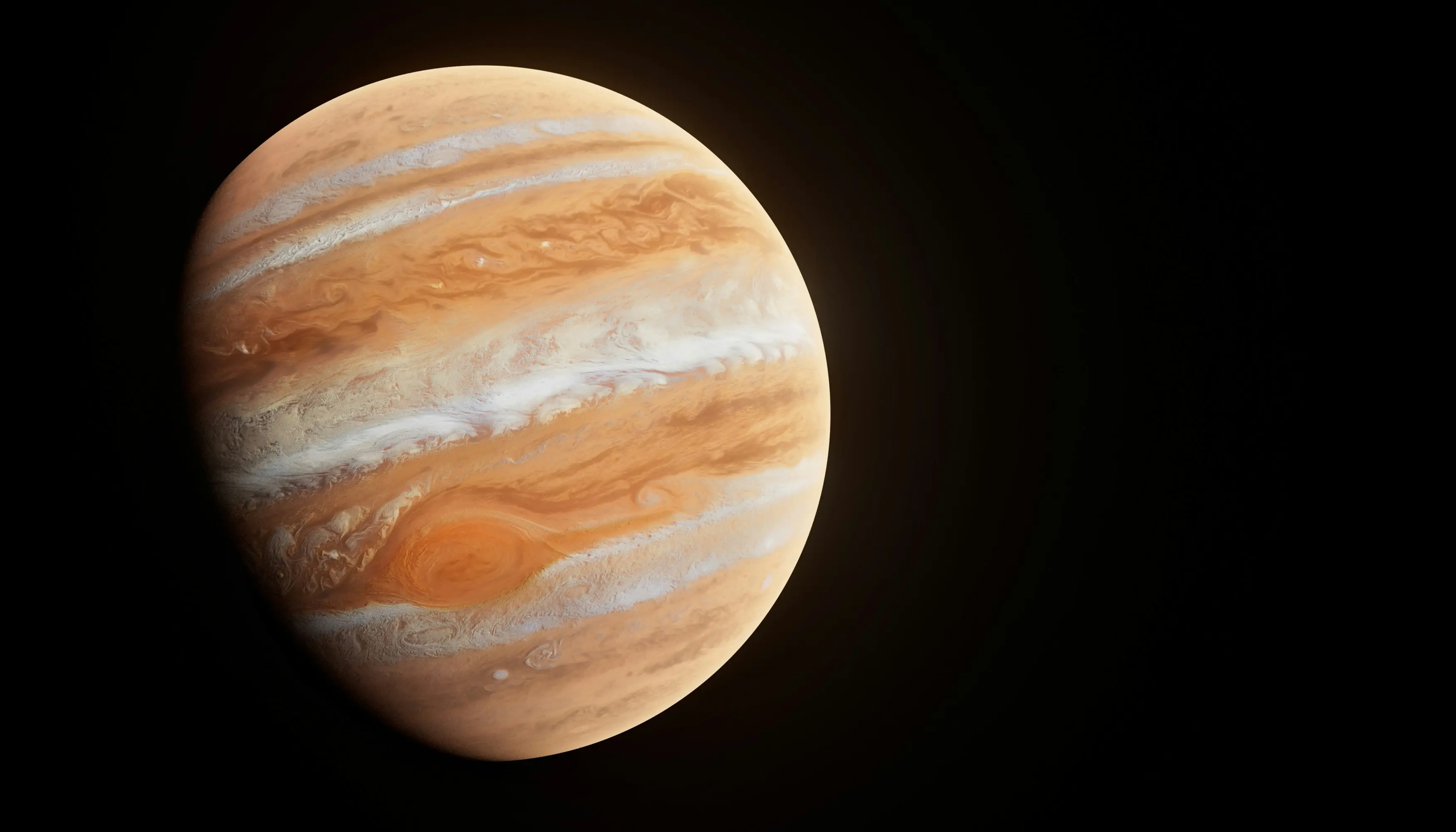
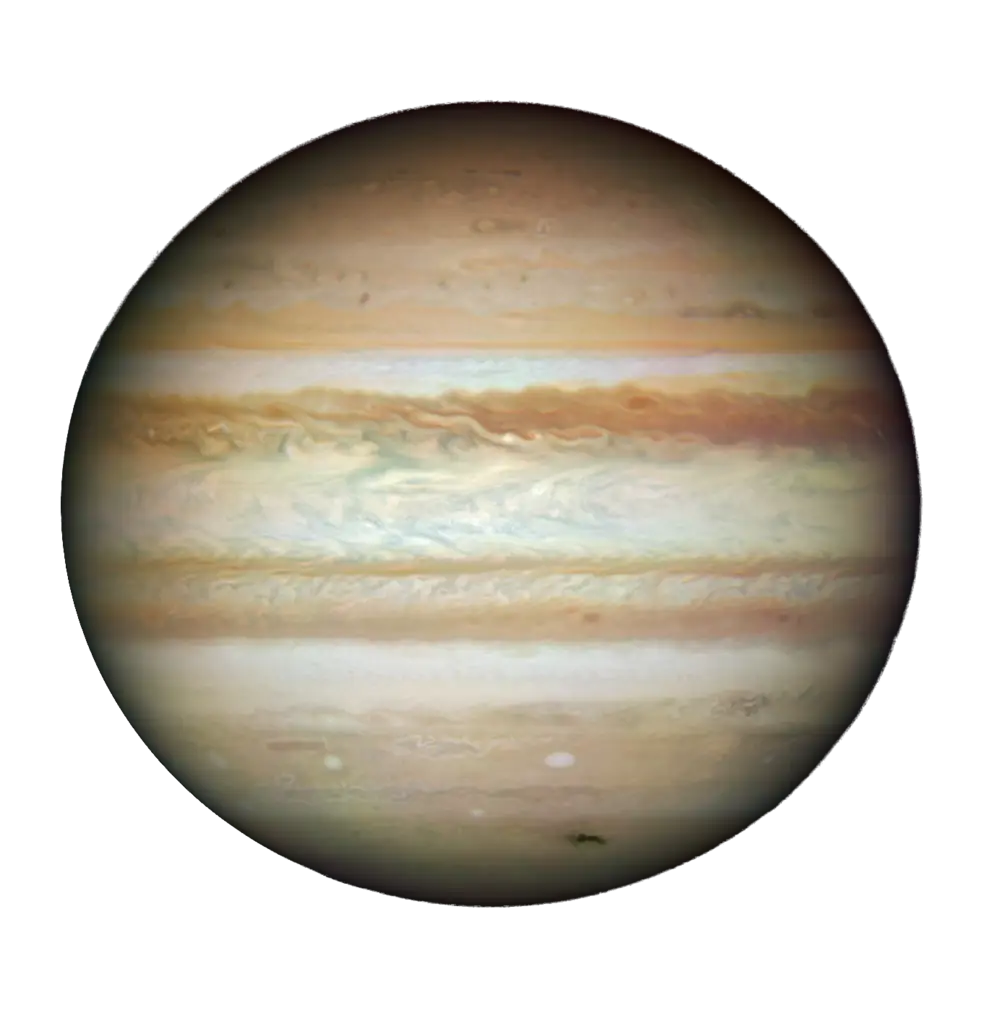
Jupiter is the largest planet in the solar system, with a diameter of about 140,000 km. It is roughly 11 times wider than Earth, easily fitting over 1,300 Earths inside it. This immense size is the main reason Jupiter is called the ‘King of Planets’.
Massive Weight
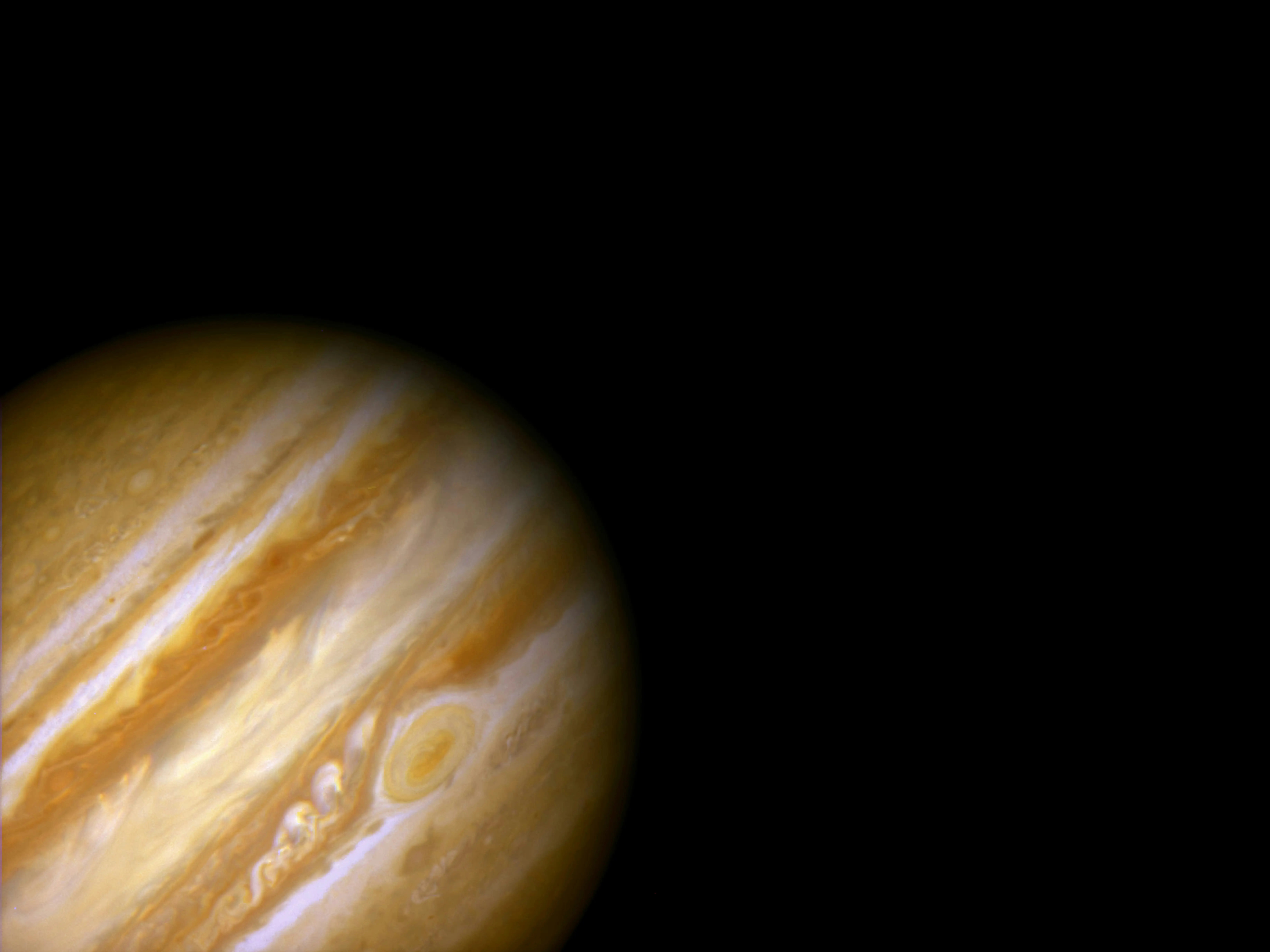
Jupiter’s mass is over 300 times that of Earth, and it is more than twice as massive as all the other planets combined. This huge mass influences many aspects of the solar system, from the orbits of other planets to protecting Earth from comets.
Composition
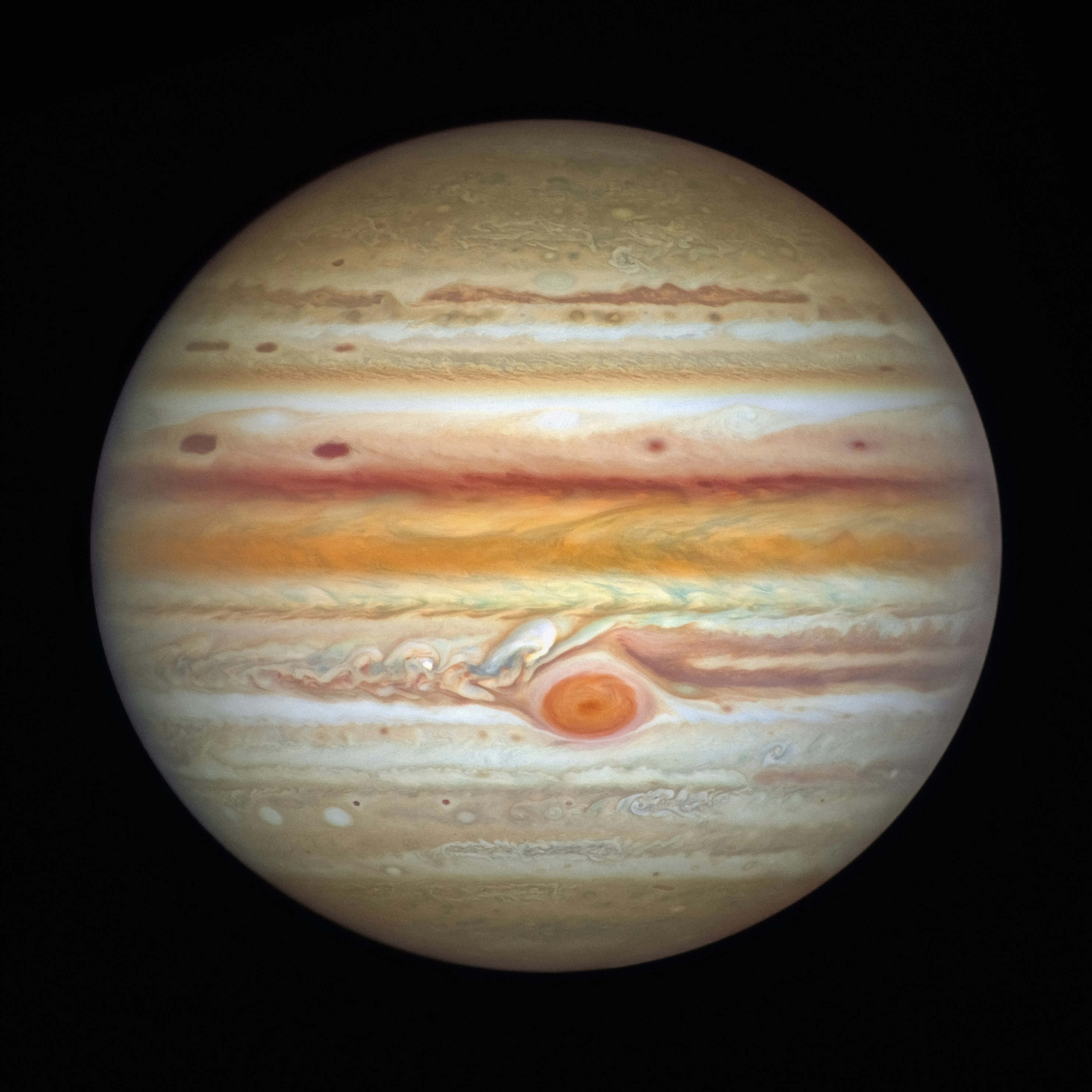
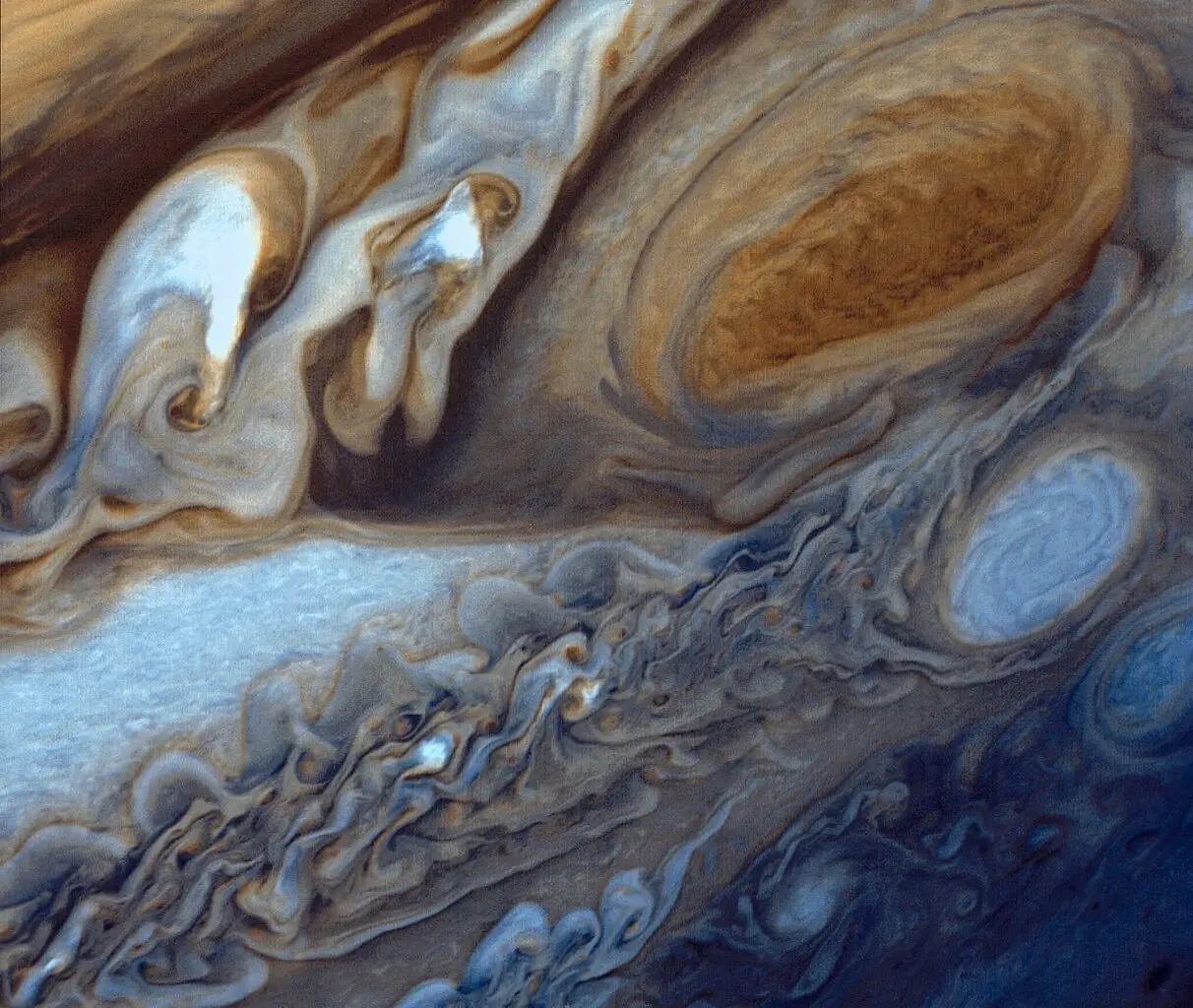
The planet is mostly made from hydrogen and helium gases, making it a gas giant. Its thick atmosphere has storms that can last for centuries, like the famous Great Red Spot, a storm larger than Earth.
Fast Spin
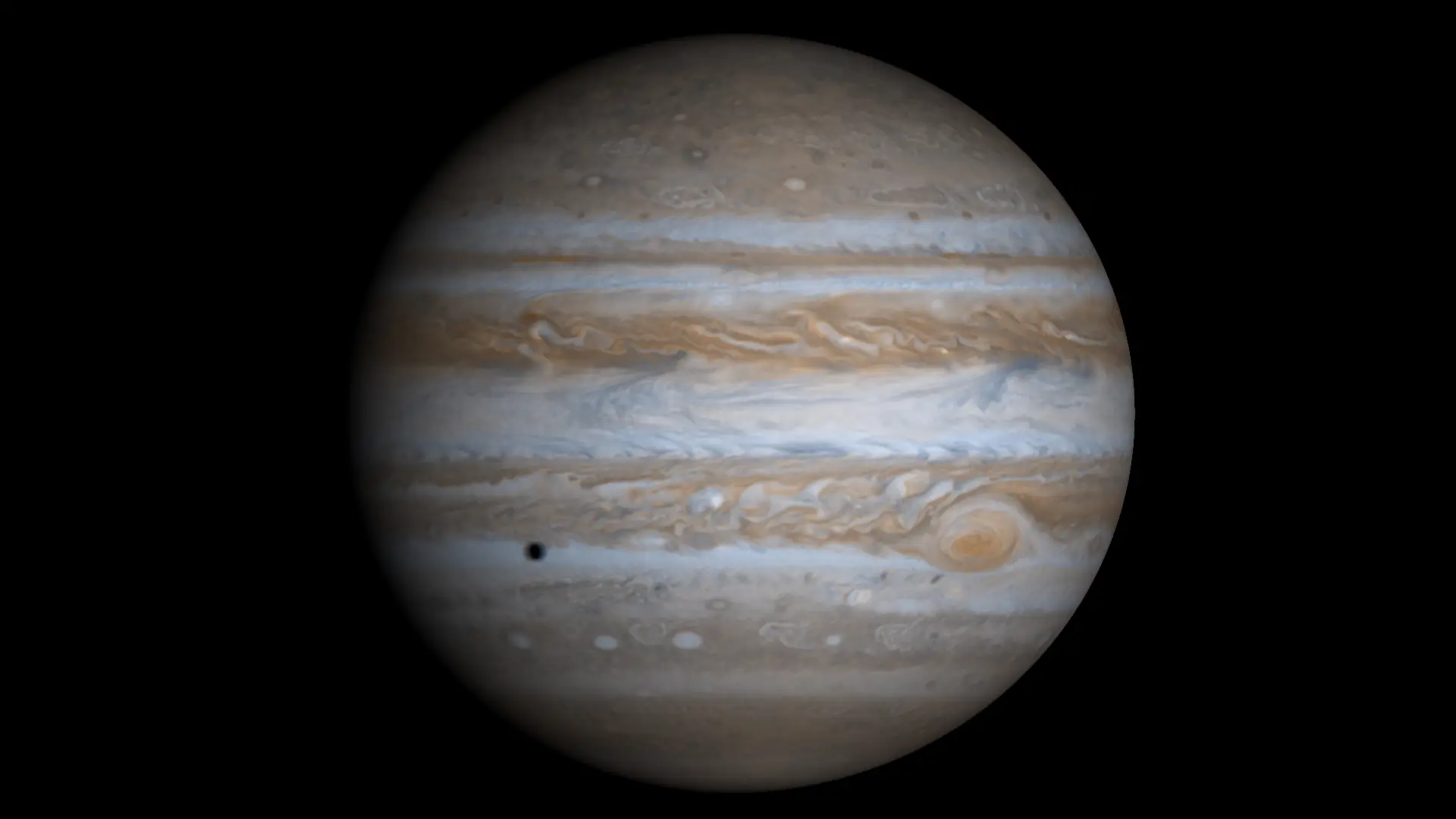
Despite its size, Jupiter spins very fast, completing a rotation in just under 10 hours. This rapid spin causes the planet to bulge at the equator and generates powerful weather systems.
Jupiter’s Moons
Jupiter has at least 95 known moons, including four large ones called the Galilean moons. These moons are unique worlds themselves, some with oceans beneath icy surfaces, expanding Jupiter’s influence in the solar system.
Role in Solar System
Jupiter’s strong gravity shapes the paths of other planets and objects in the solar system. It acts as a shield, diverting many comets and asteroids that could otherwise threaten Earth.
Why the Title ‘King’?
For its unmatched size, mass, and influence, Jupiter is rightly called the ‘King of Planets’. It dominates the solar system in many ways, from gravity to number of moons, making it unique among planets
)
)
)
)
)