'Kharg Island will be...': US reveals masterplan to unleash 'economic fury' on Iran amid Hormuz blockade

US Treasury Secretary Scott Bessent said the US Navy will continue blocking Iranian ports, warning Kharg Island storage may soon be full, forcing oil shutdowns and severe revenue losses. The move targets Iran’s key energy lifeline and escalates economic pressure amid rising regional tensions.
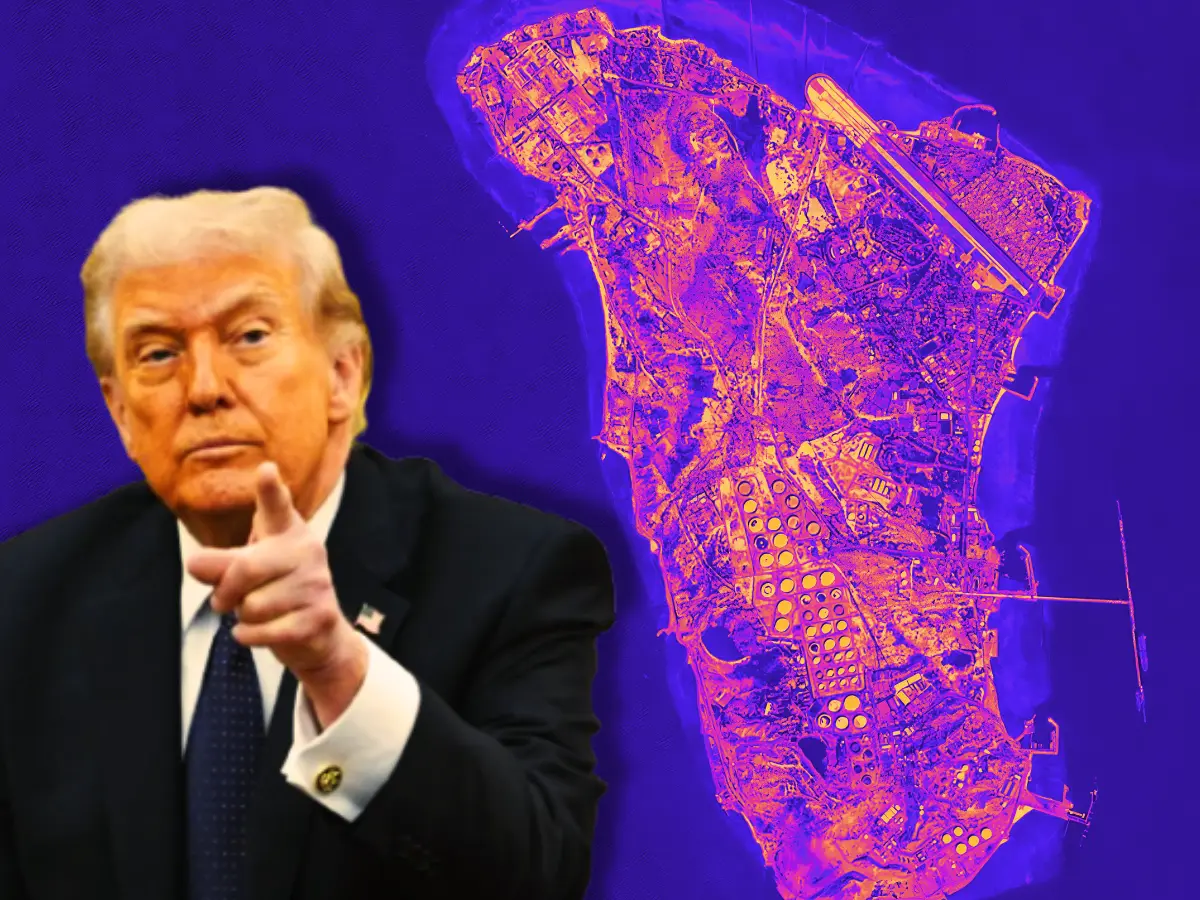
What is US masterplan to unleash economic fury on Iran
US Treasury Secretary Scott Bessent said on Wednesday (Apr 22) that the United States Navy will continue the blockade of Iranian ports, warning that constraints on maritime trade are aimed at targeting Iran’s main revenue sources. He claimed that Kharg Island storage will be full and that would lead to shutting down of Iranian oil wells. Stating that the US is applying pressure to unleash economic fury on Iran, Bessent added that a hit on Iran’s maritime trade directly targets "the regime’s primary revenue lifelines." He also issued a warning to those facilitating these flows.
What Bessent said?
In a post on X, Bessent wrote: "As POTUS has made clear, the United States Navy will continue the blockade of Iranian ports. In a matter of days, Kharg Island storage will be full and the fragile Iranian oil wells will be shut in. Constraining Iran’s maritime trade directly targets the regime’s primary revenue lifelines. The US Treasury will continue to apply maximum pressure through Economic Fury to systematically degrade Tehran’s ability to generate, move, and repatriate funds." In a warning to other countries, he also added, “Any person or vessel facilitating these flows—through covert trade and finance—risks exposure to U.S. sanctions. We continue to freeze the funds stolen by the corrupt leadership on behalf of the people of Iran.”
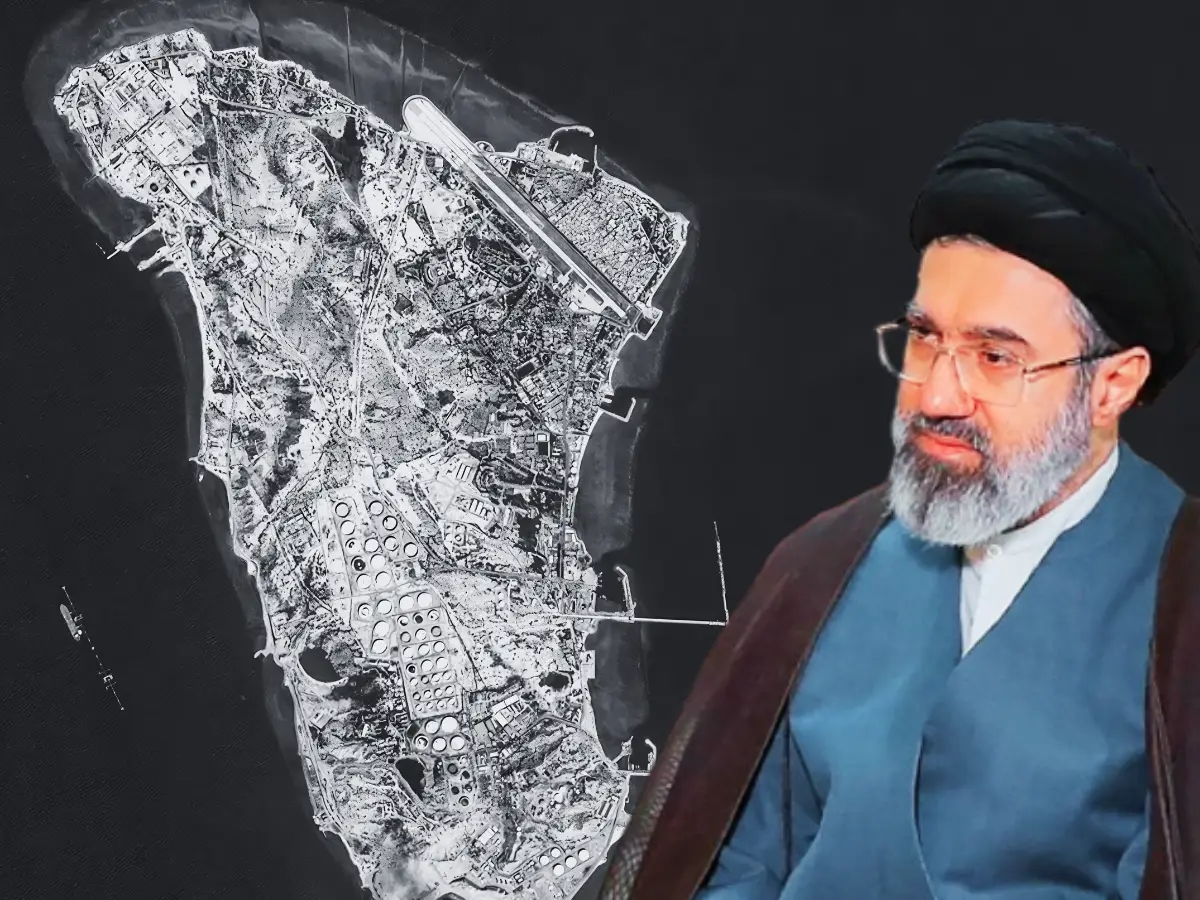
Why is it a concern?
If Kharg Island’s storage tanks become full, it can prove to be catastrophic for Iran’s entire energy infrastructure. The island handles about 92 per cent of Iran's crude exports, so, if there is nowhere left to store new oil, Iran must stop pumping from its mainland fields. Shutting down the fields can cause "water coning," where groundwater pushes up into the oil reservoir and trap the remaining oil in the rock, potentially causing permanent loss of production even after the crisis ends. This leads to loss of approximately $139 million in daily as Iran earns this sum from the oil flowing through Kharg. Iran has warned that if its own energy lifeline is choked off, it will retaliate by attacking the oil and gas infrastructure of US allies in the region.
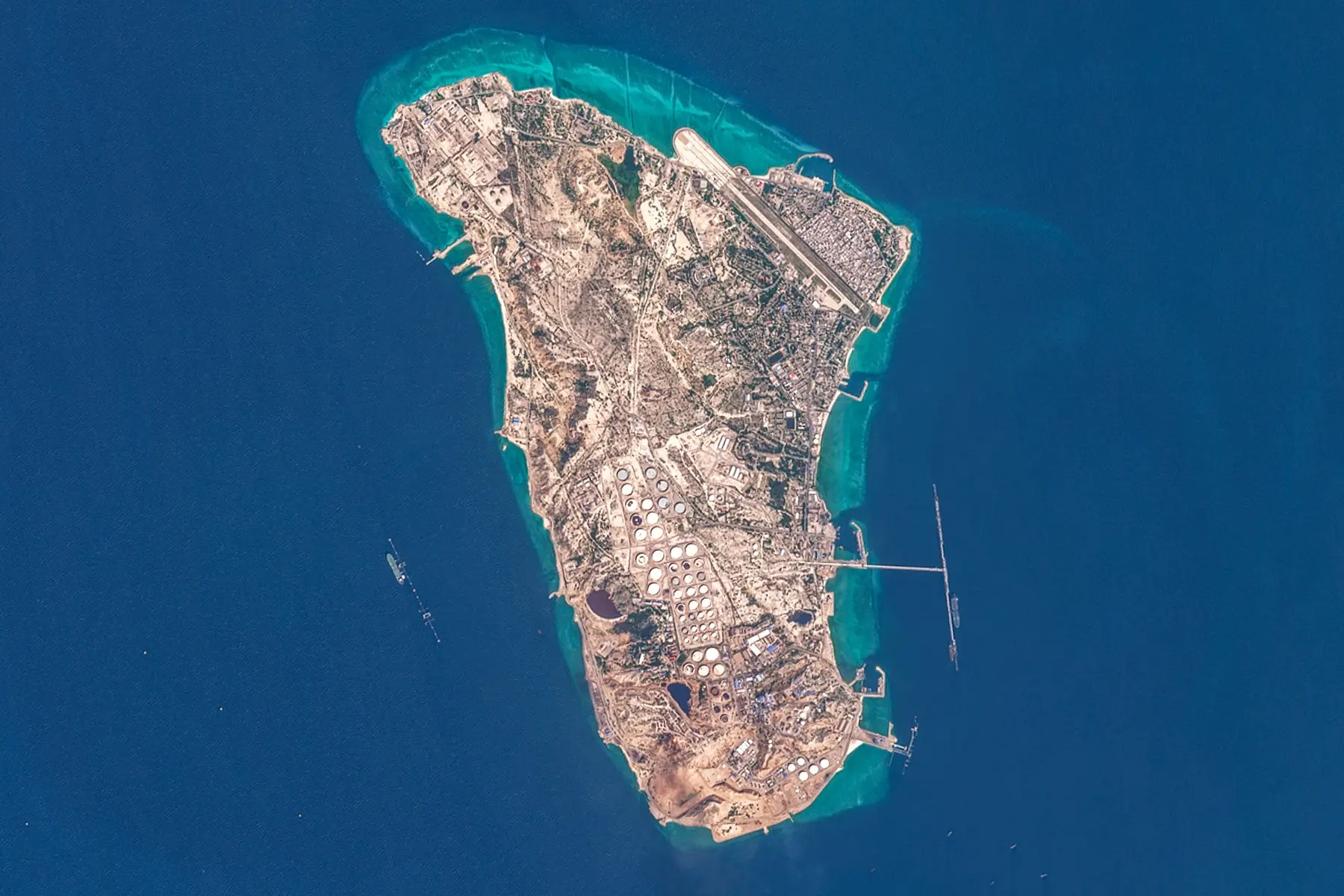
What is Kharg Island?
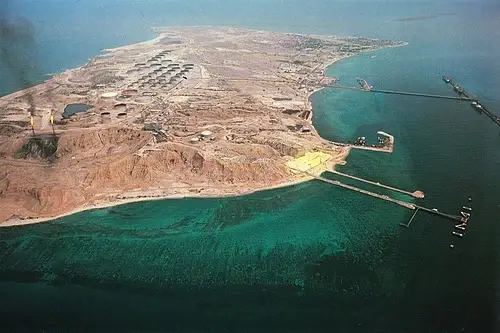
Iran’s Kharg Island is a small coral island in the northern Persian Gulf. It is located about 15 miles from Iran’s mainland and serves as the backbone of the country’s oil export system. Nearly 90% of Iran’s crude oil exports are believed to pass through Kharg Island before tankers move through the Strait of Hormuz, a vital global shipping route. Before US-Israeli strikes on Iran on February 28, Tehran reportedly increased production at the island significantly. According to energy analytics firm Kpler, output surged to nearly 4 million barrels per day, approaching record levels, far above the usual 1.5 million barrels per day baseline.
Why is Kharg Island called 'crown jewel'?
Kharg Island is called the "Crown Jewel" because it is the most critical hub for Iran's oil-based economy. Most of Iran's mainland coastline is too shallow for massive oil tankers but Kharg Island is surrounded by naturally deep waters, allowing super tankers to dock and load easily. Because it handles the vast majority of Iran's exports, it is considered critical and important 'jewel'. Interestingly, it was called "Orphan Pearl" - a term coined in 1960 by the celebrated Iranian writer and philosopher Jalal Al-e-Ahmad. He chose this poetic title during a visit to the island to show its distance from Iranian mainland like a "pearl that had lost its oyster". The term "orphan" reflects his view of the island as a place of immense natural beauty but no social habitat.
)
)

)
)