'Kamikaze': Can Iran crash ghost oil tankers into USS Abraham Lincoln to sink it?

If a ghost tanker posed a kinetic threat, the carrier's air wing would neutralize it without the ship ever needing to engage.
1. The "Ghost Ship Kamikaze" Theory
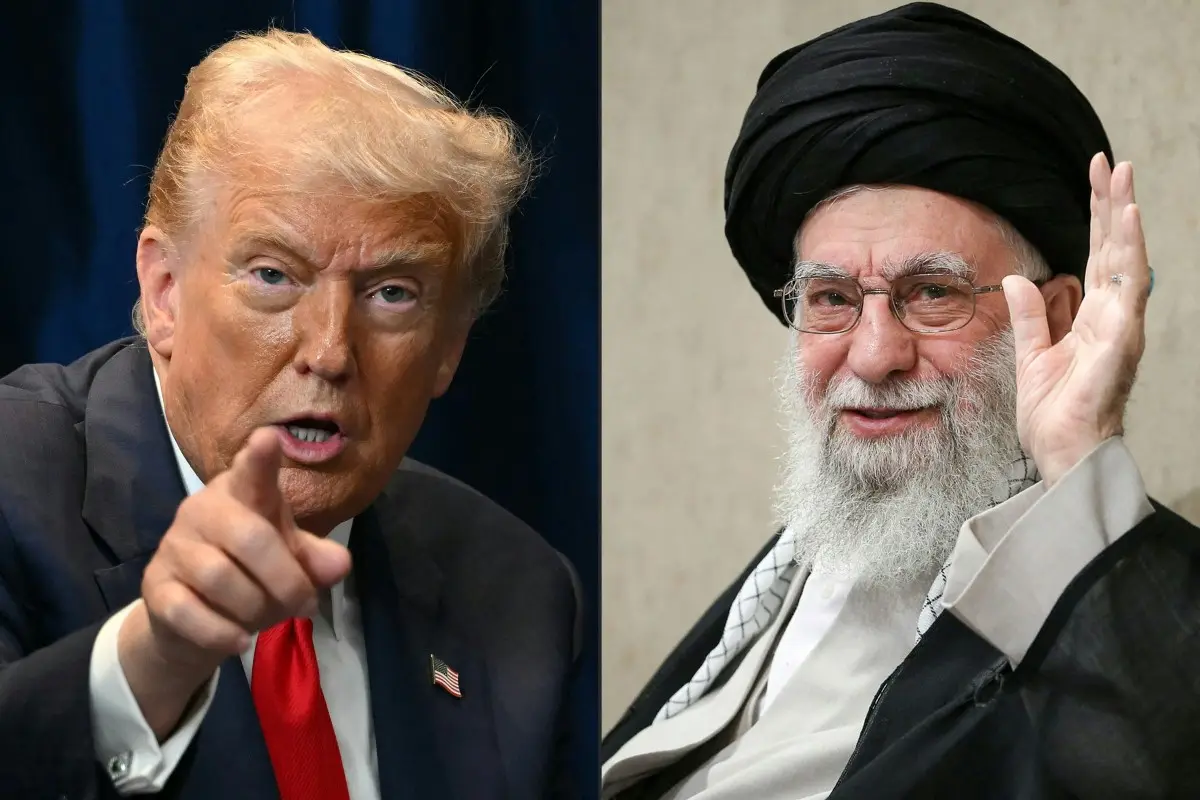
Iran commands a massive "shadow fleet" of aging, untracked oil tankers used to bypass global sanctions. In the escalating February 2026 standoff, theorists have suggested Tehran could weaponise these massive vessels, packing them with explosives or simply using their sheer, million-ton kinetic weight to ram the USS Abraham Lincoln in the confined waters of the Persian Gulf or Gulf of Oman.
2. The Mathematical Impossibility of Speed
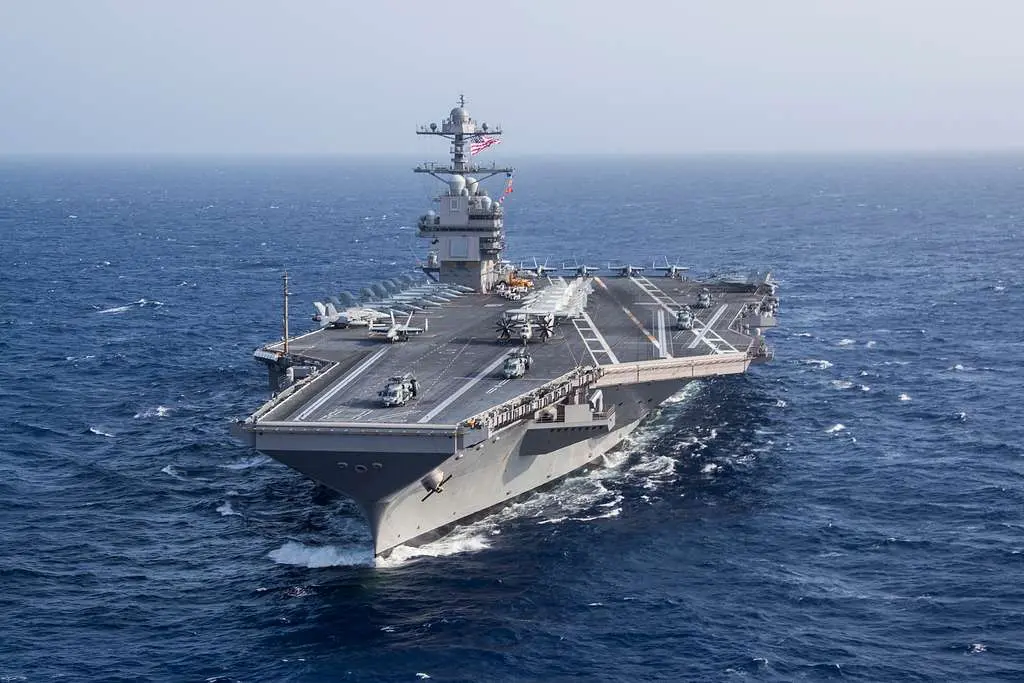
The most glaring flaw in this scenario is basic physics. A fully loaded commercial oil tanker is incredibly slow, maxing out at a cruising speed of roughly 10 to 15 knots (12–17 mph). In contrast, the Nimitz-class USS Abraham Lincoln is powered by two nuclear reactors and can sustain speeds well in excess of 30 knots (35+ mph). A commercial tanker physically cannot catch or intercept a U.S. supercarrier unless the carrier is anchored and completely stationary.
3. The Unblinking Eye of the E-2D Hawkeye
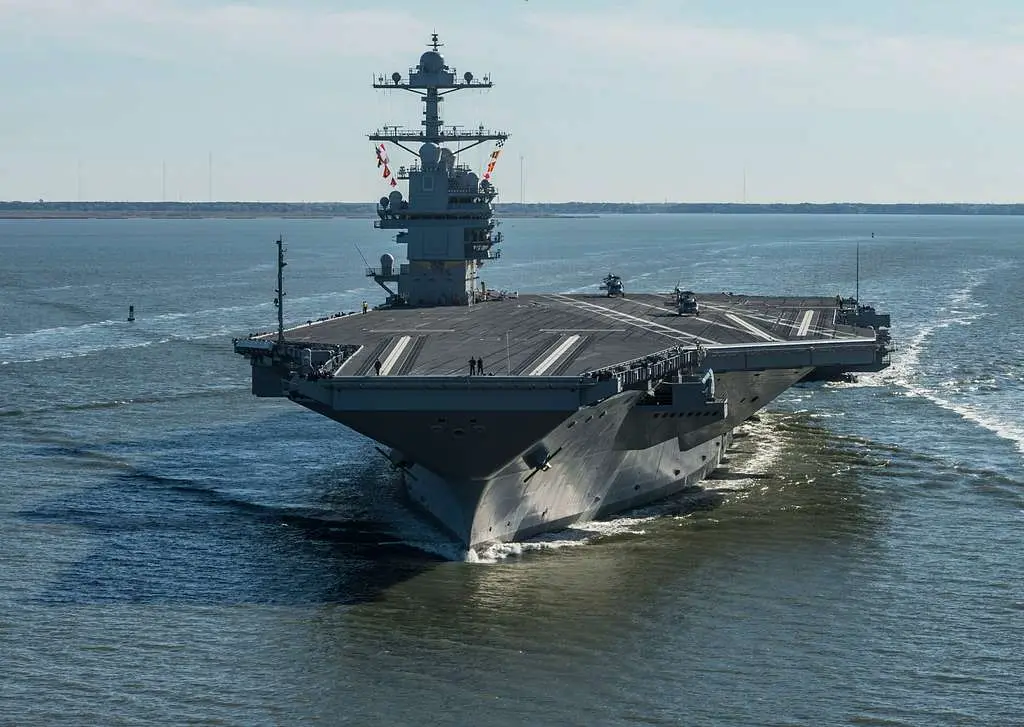
You cannot sneak a 1,000-foot commercial oil tanker up on a Carrier Strike Group (CSG). The Abraham Lincoln is protected by the E-2D Advanced Hawkeye, a radar aircraft that acts as the strike group's "digital quarterback." Flying high above the fleet, the Hawkeye monitors over 3 million cubic miles of airspace and surface water, easily identifying and tracking large surface vessels hundreds of miles before they enter the carrier's vicinity.
4. The "Ring of Steel" Escort Shield
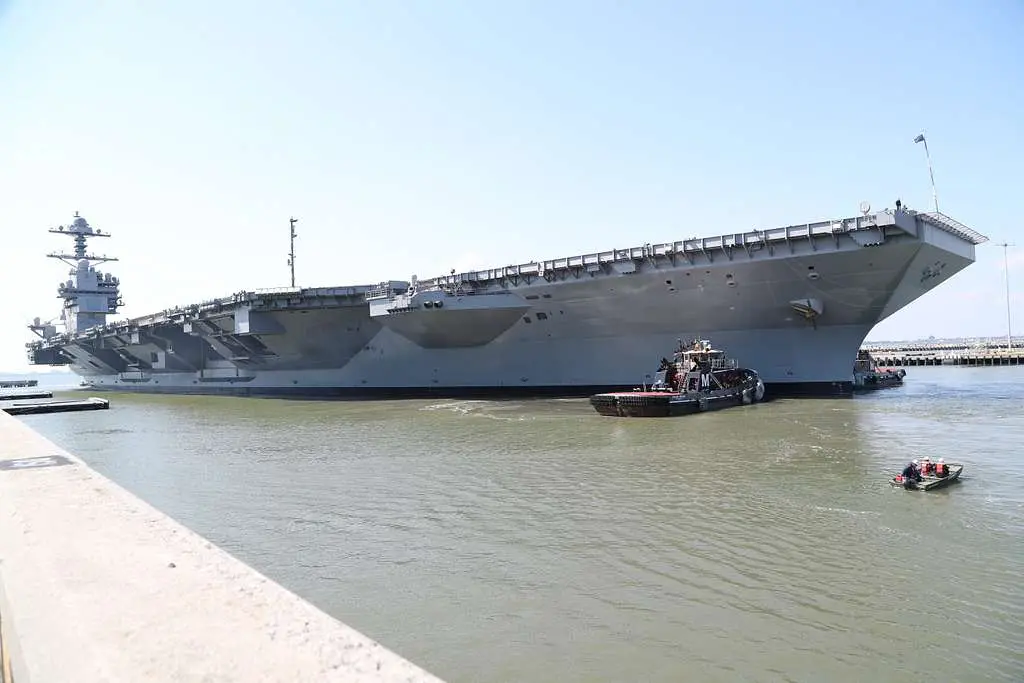
An aircraft carrier never sails alone. It is surrounded by a defensive perimeter of Arleigh Burke-class guided-missile destroyers (such as the USS Spruance and USS Frank E. Petersen Jr. currently deployed with the Lincoln). These destroyers operate miles away from the carrier and are armed with Harpoon anti-ship missiles and deck guns. If a rogue tanker ignores radio warnings and alters course toward the carrier, the destroyers would intercept or disable it long before it breached the inner defensive perimeter.
5. The Aerial Execution
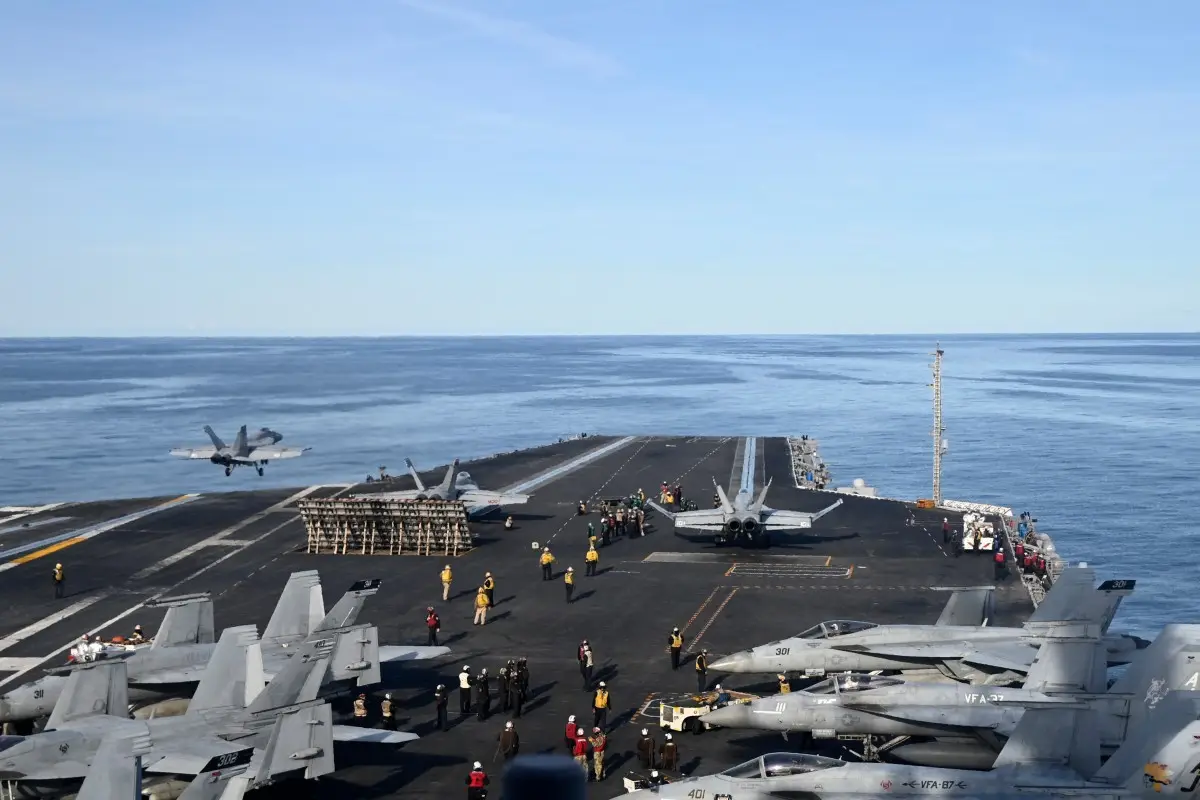
If a ghost tanker posed a kinetic threat, the carrier's air wing would neutralize it without the ship ever needing to engage. F/A-18 Super Hornets and F-35C stealth fighters armed with precision-guided munitions could surgically strike the tanker's bridge or engine room, deadheading the vessel in the water from miles away while minimising the risk of a catastrophic oil spill.
6. Extreme Maneuverability of the Carrier
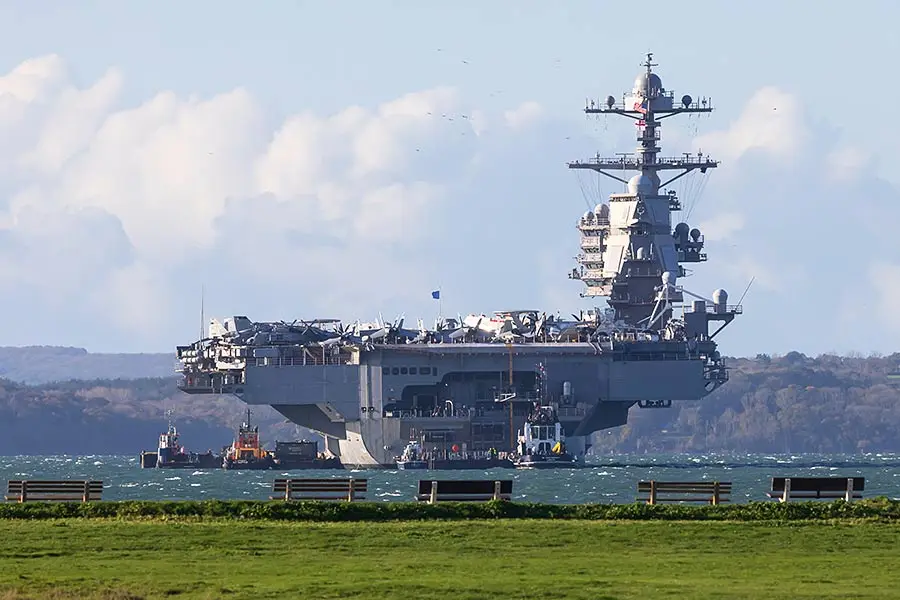
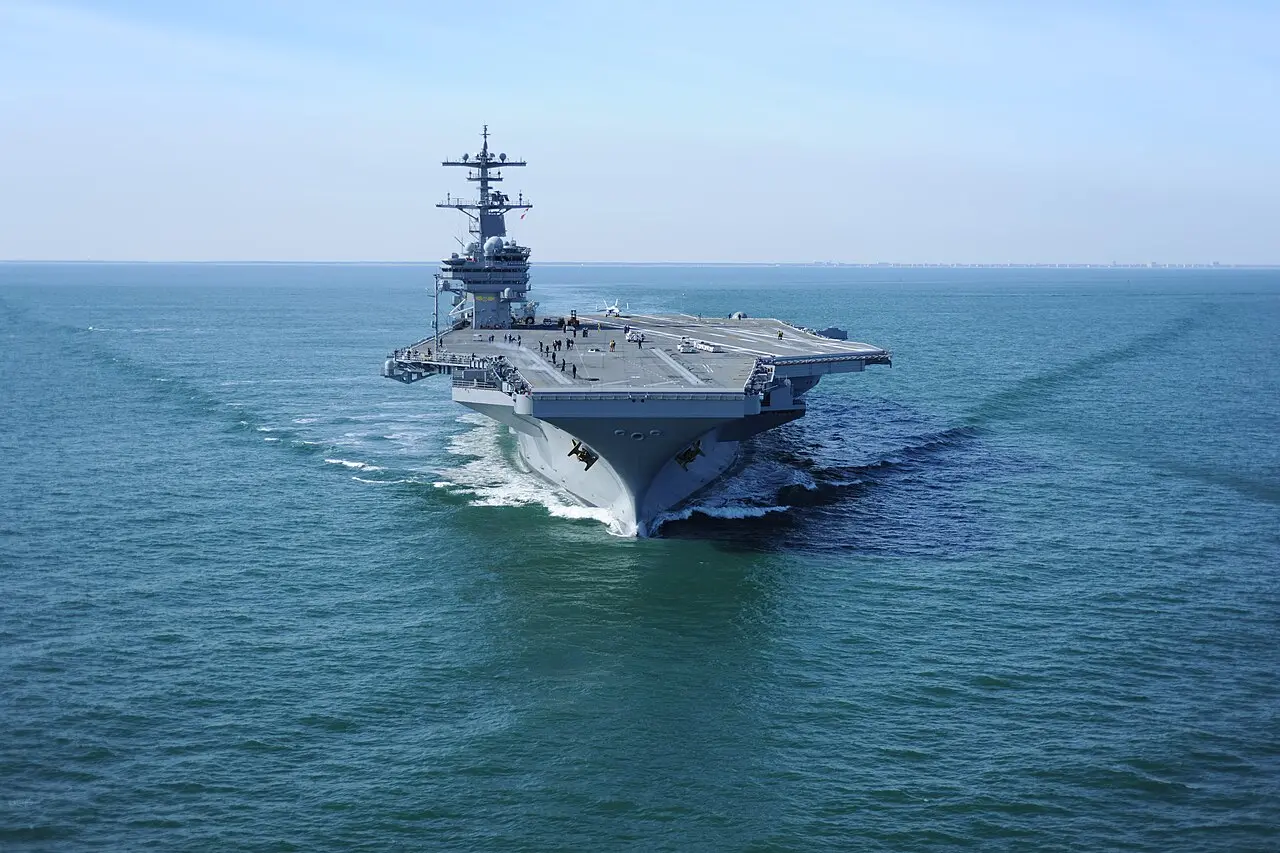
Despite displacing over 100,000 tons, nuclear supercarriers are remarkably agile. During sea trials and evasive manoeuvres, Nimitz-class carriers can execute extreme, high-speed turns that cause the massive ships to list heavily. A clumsy, heavily laden oil tanker, which can take several miles just to come to a complete stop, could never outmanoeuvre a US carrier actively evading it.
7. The Real Asymmetric Threat: Blockade, Not Ramming
While ramming a US warship is maritime fiction, the shadow fleet does pose a very real strategic threat. Instead of hunting carriers, military analysts warn that Iran could intentionally scuttle or crash several of these massive tankers in the narrow transit corridors of the Strait of Hormuz. This would create a navigational nightmare, effectively blocking 20 per cent of the world's oil supply and triggering a global economic crisis without ever firing a missile at the US Navy.
)
)

)
)