'Just 20 light-years away': NASA’s James Webb Telescope detects weather systems on 200-million-year-old exoplanet

A world with no sun, spinning fast just 20 light-years away, hides wild weather and glowing lights unlike anything we've seen before. NASA’s new discovery reveals hints of storms and secrets waiting to be uncovered - Know what mysteries does this strange planet hold.
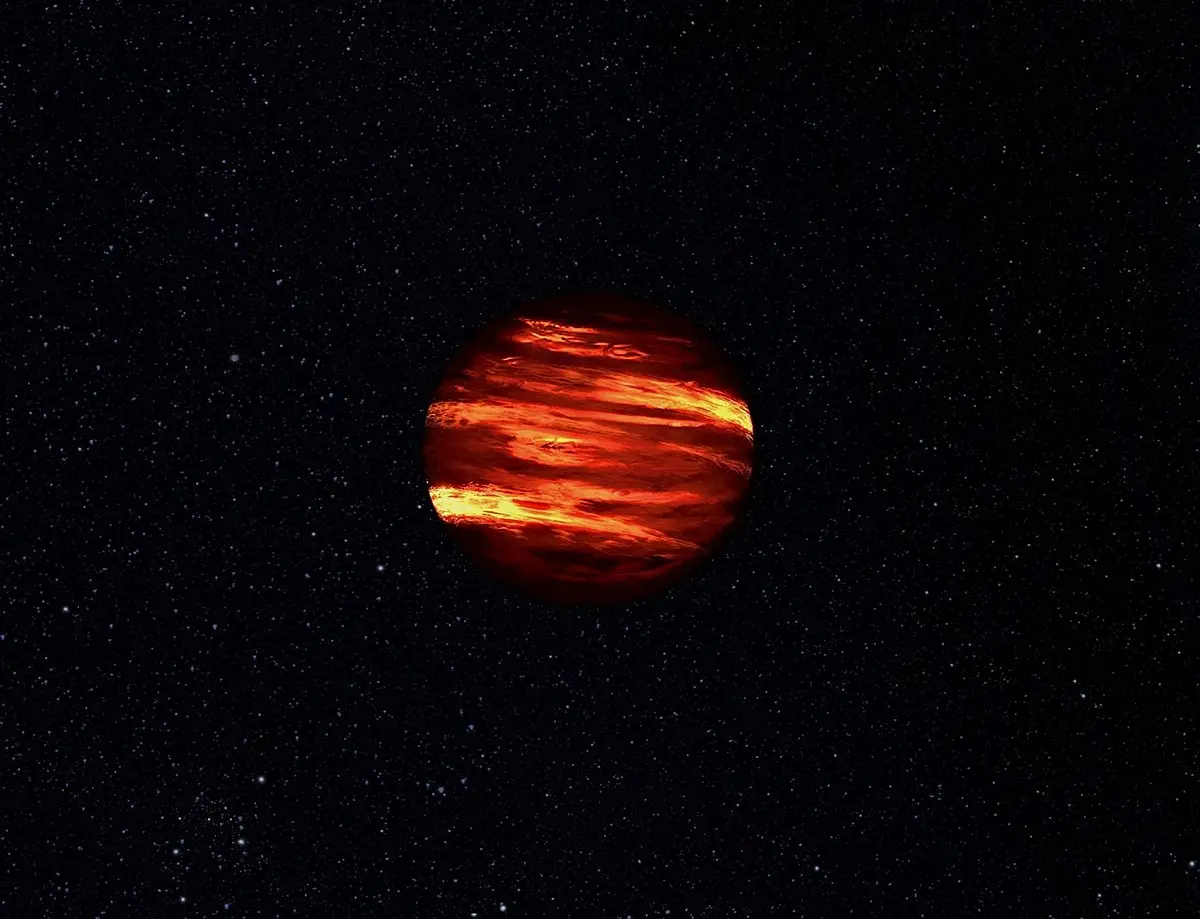
Astronomers Uncover a Weather Mystery
Astronomers studied a mysterious world called SIMP-0136, which floats freely in space without a sun and glows brightly with auroras far more dazzling than those seen on Earth.
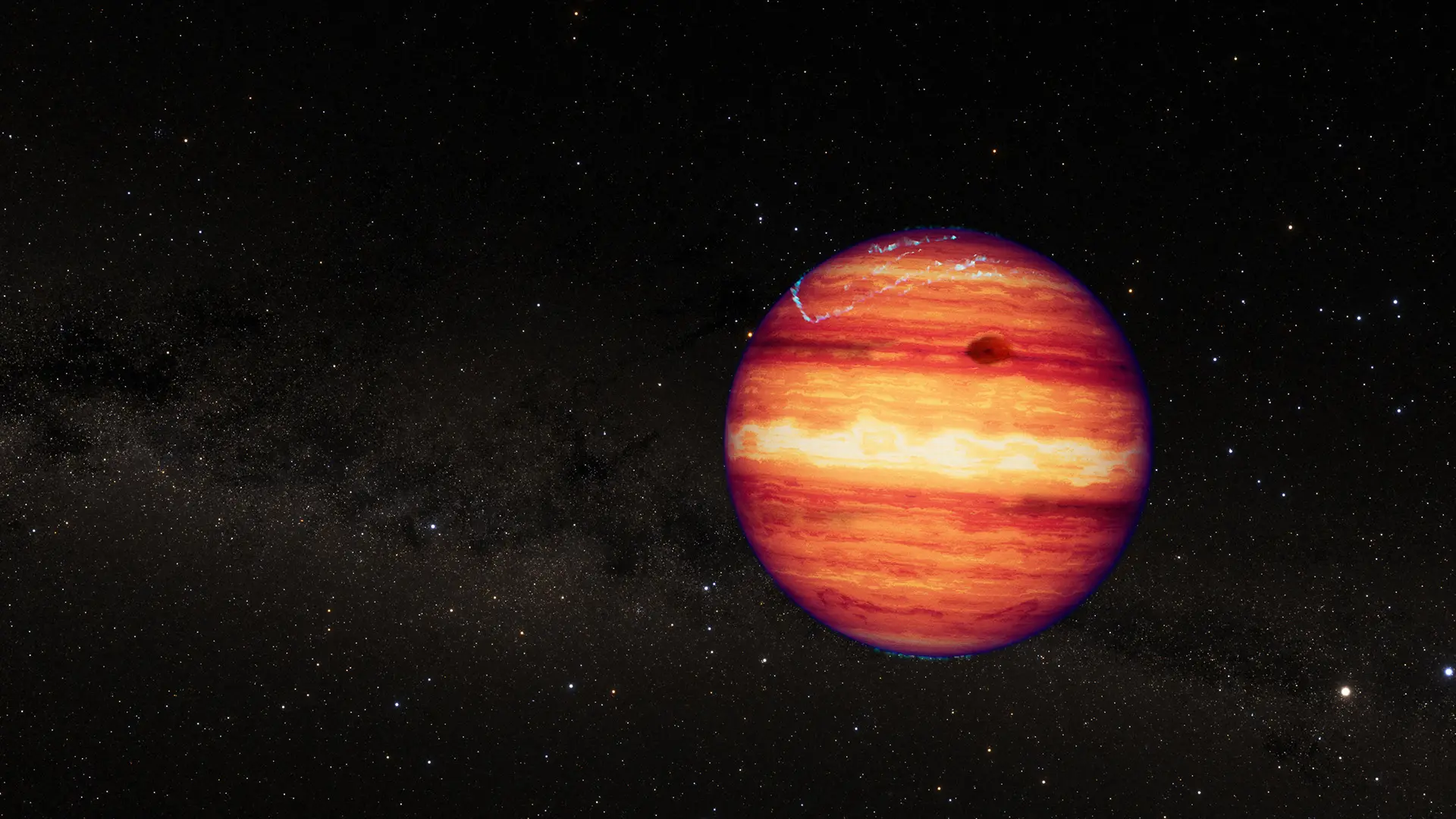
What is SIMP-0136?
SIMP-0136 is a brown dwarf, often called a “failed star.” It formed from a collapsing cloud of gas but did not become large enough to create hydrogen fusion like normal stars.
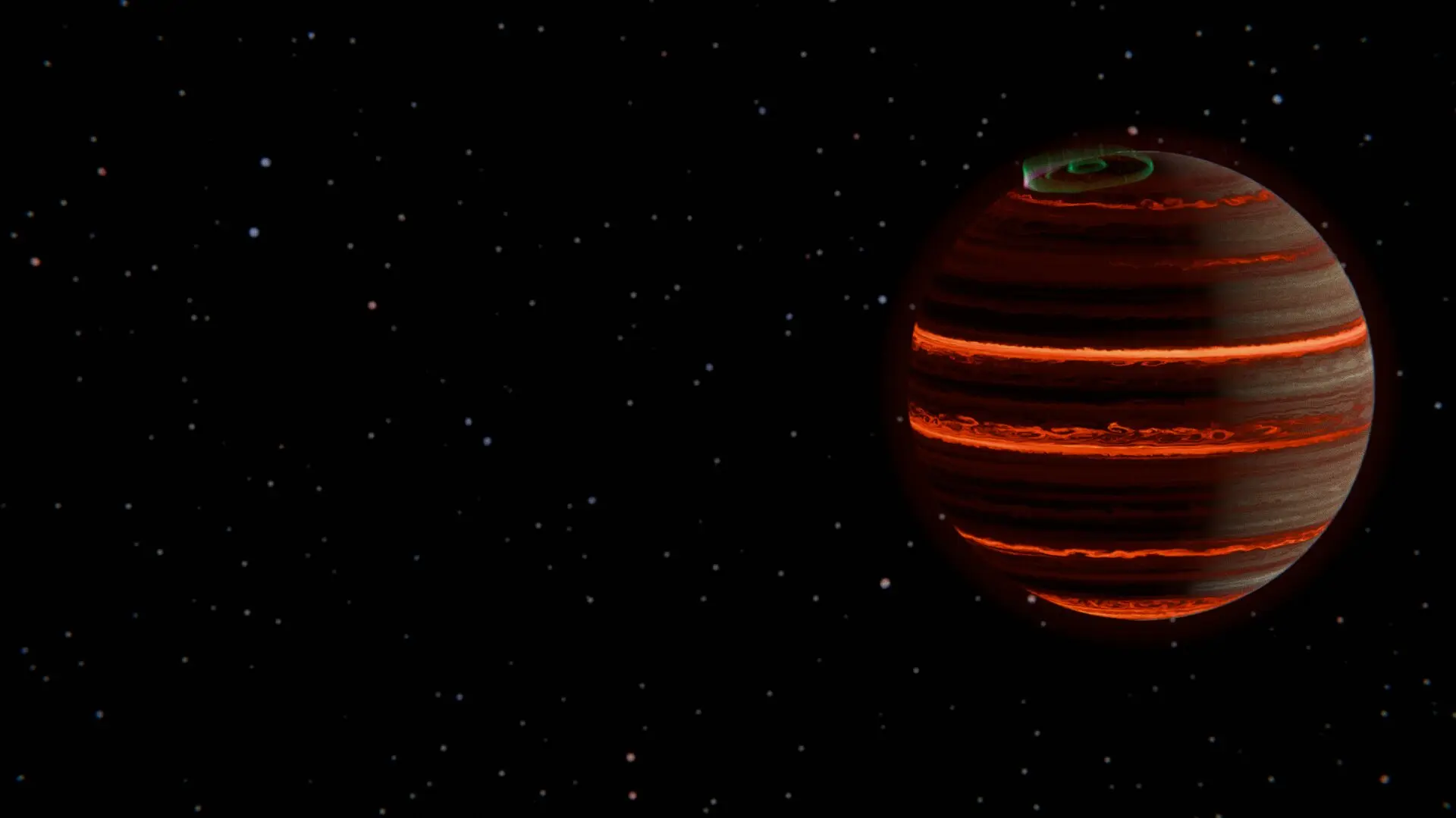
Rogue World Moves Alone
Unlike Earth, this world does not orbit a star. It spins rapidly, completing one rotation every two and a half hours, drifting through the constellation Pisces.
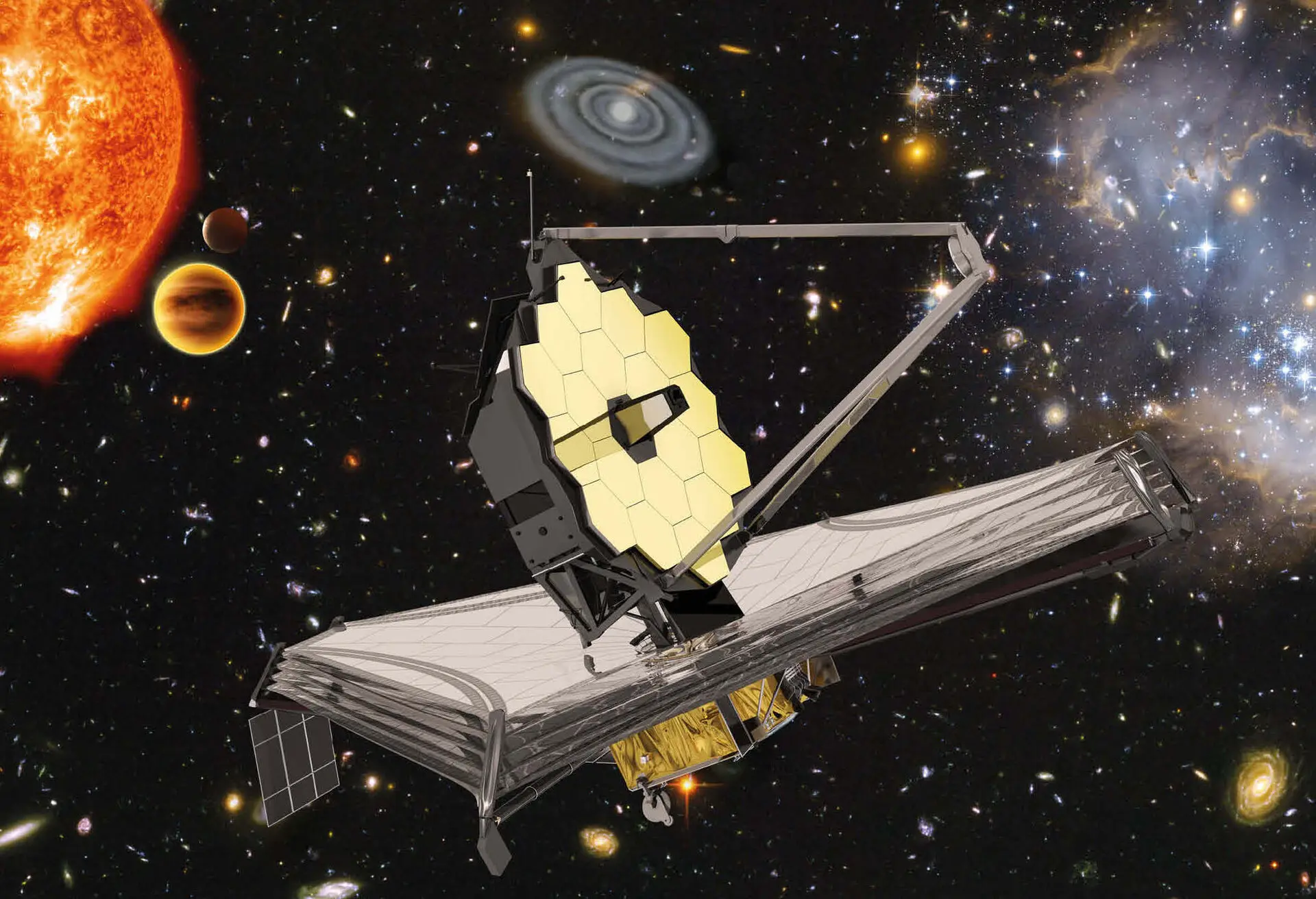
Weather Insights from Webb
Using advanced instruments, scientists mapped changes in the atmosphere as the planet spun. They tracked temperature, chemistry, and cloud changes for the first time on a world beyond our solar system.
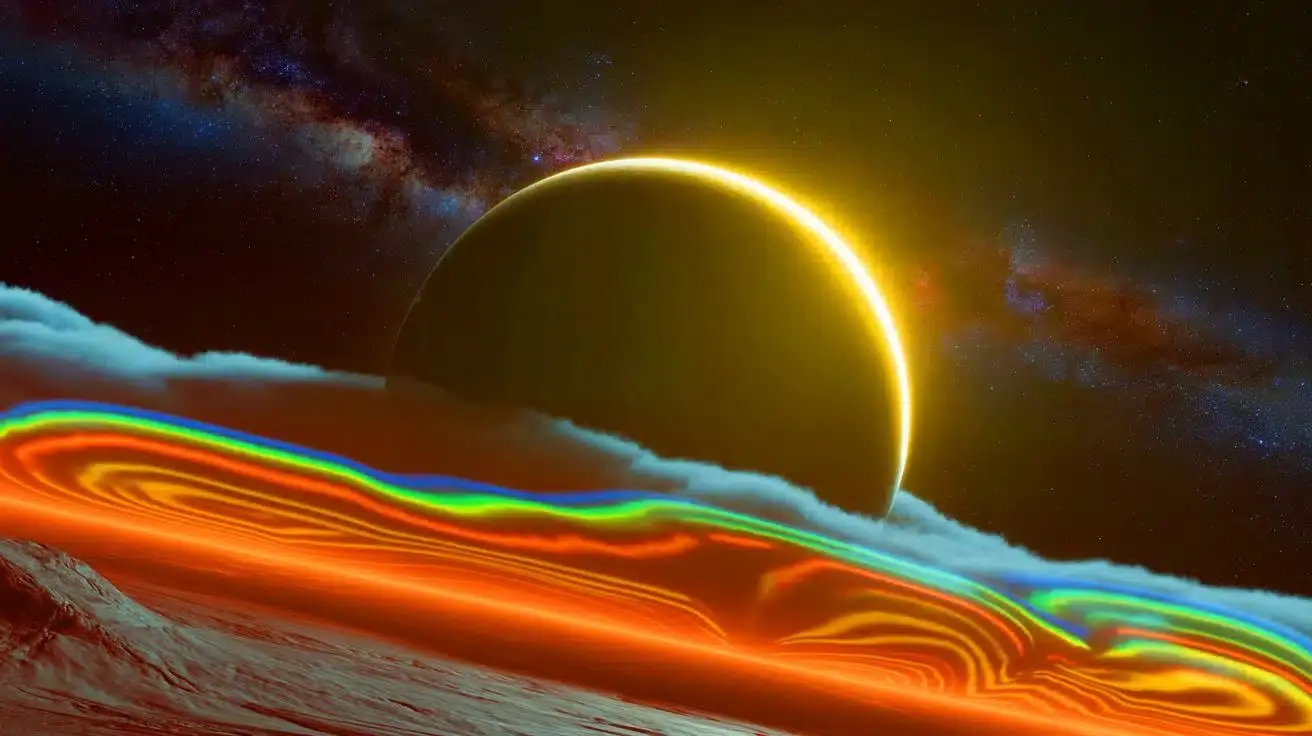
Cloud Surprises
While patchy clouds were expected, the study found that clouds made from sand-like hot silicates are surprisingly stable. This means weather here is less stormy than previously thought in those cloud layers.

Unusual Storms Detected
In deeper layers, Webb spotted tiny temperature swings of less than 5 degrees Celsius. These changes could be massive storm systems, similar to Jupiter’s Great Red Spot, moving across the planet’s surface.

Importance for Future Research
Brown dwarfs like SIMP-0136 provide a window into the atmospheres of giant exoworlds. Studying them helps astronomers understand how weather works on distant worlds, paving the way for future discoveries.
)
)
)
)
)