'Israel vs Iran': Who dominates drone warfare?

Israel relies on high-tech, reusable drones like the Heron, while Iran utilises mass numbers of cheap loitering munitions like the Shahed. This clash defines modern asymmetric aerial warfare.

A Clash of Strategies
Israel prioritises quality and advanced intelligence, developing sophisticated systems for surveillance and precision strikes. In contrast, Iran focuses on quantity, building thousands of cheaper drones to overwhelm enemy air defence systems through mass attacks.
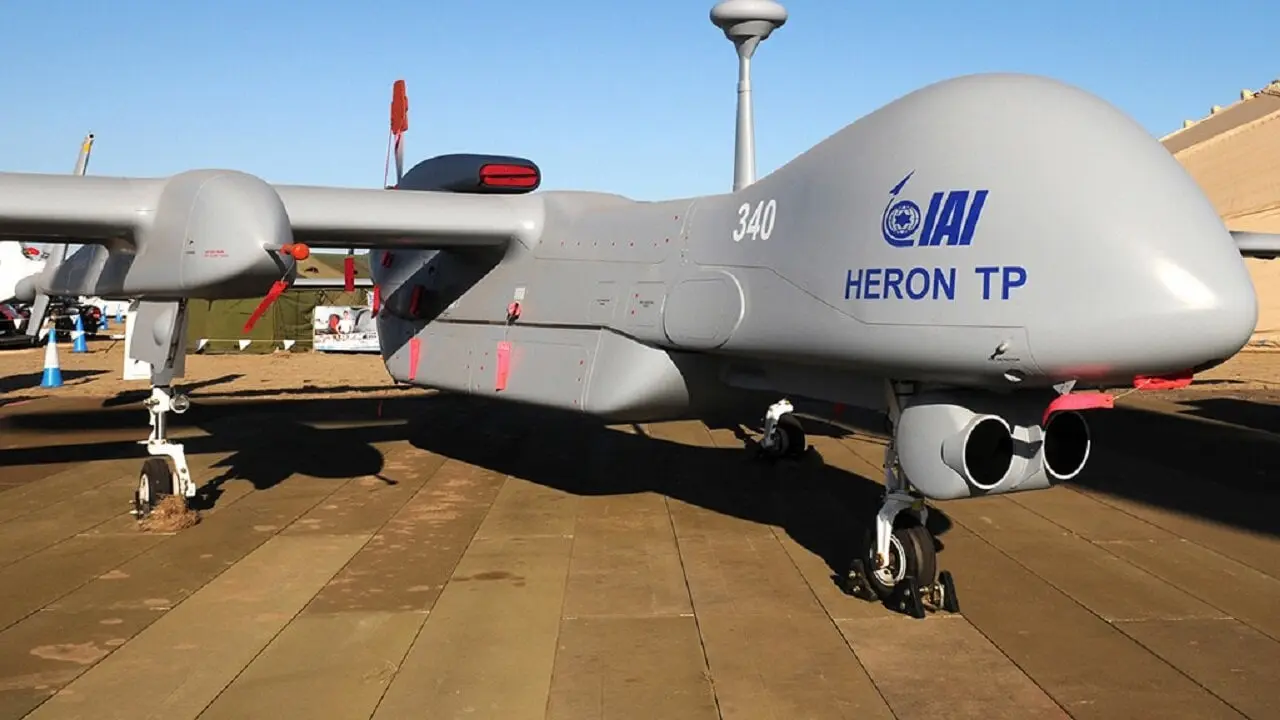
Israel’s Heron TP: The Giant
The Heron TP is Israel’s largest drone, capable of flying for over 30 hours at an altitude of 45,000 feet. It can carry a payload of 1,000 kilogrammes, making it a formidable tool for long-range intelligence and strike missions.
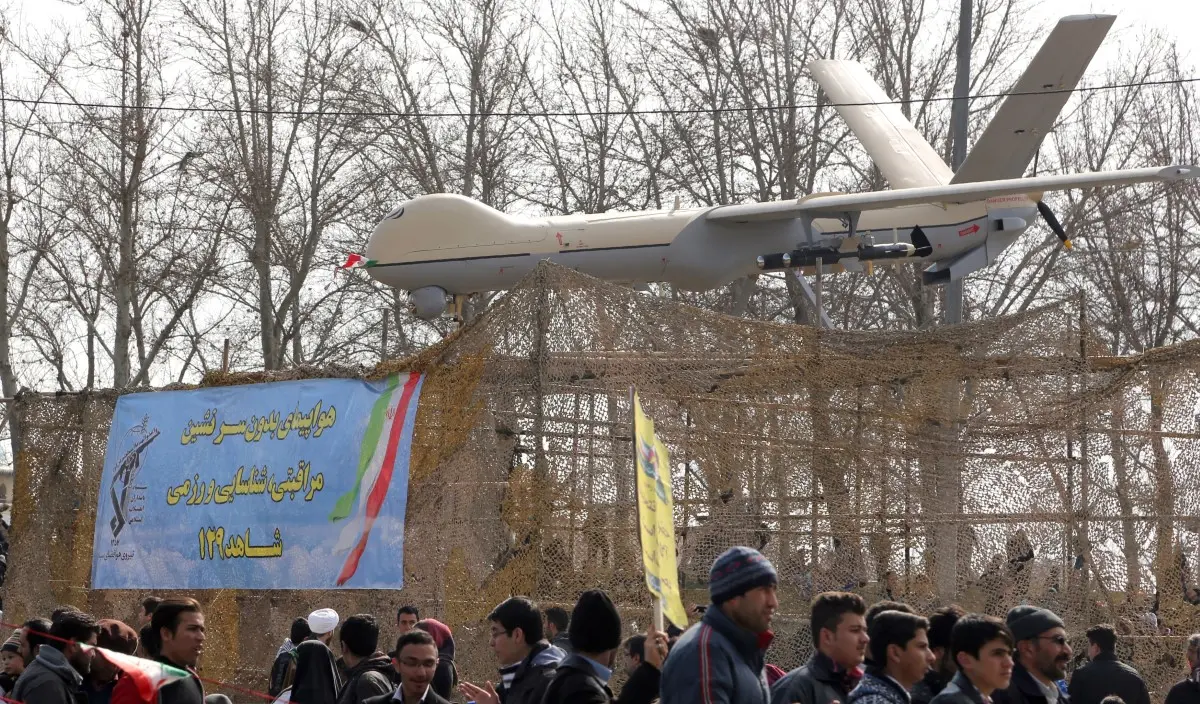
Iran’s Shahed-136: The Swarm
Iran’s Shahed-136 is a "loitering munition" designed to crash into targets with an estimated range of 2,500 kilometres. Costing as little as $20,000, these drones are deployed in swarms to exhaust expensive air defence batteries.
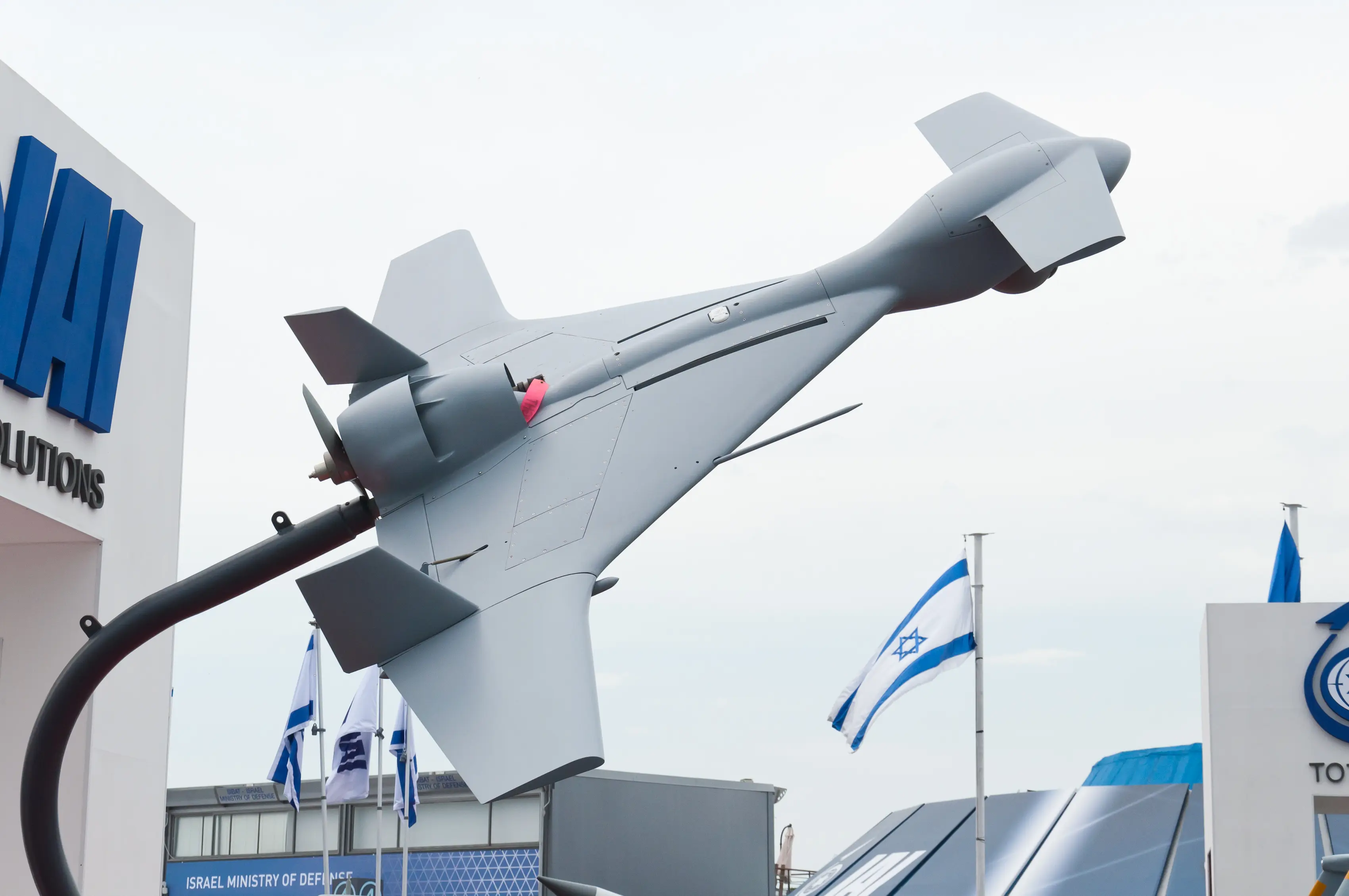
Israel’s Harop: Precision Hunter
Israel Aerospace Industries developed the Harop, a loitering munition that hunts enemy radar signals. Unlike the pre-programmed Shahed, the Harop can return to base if no target is found, showcasing superior autonomy and cost-efficiency.
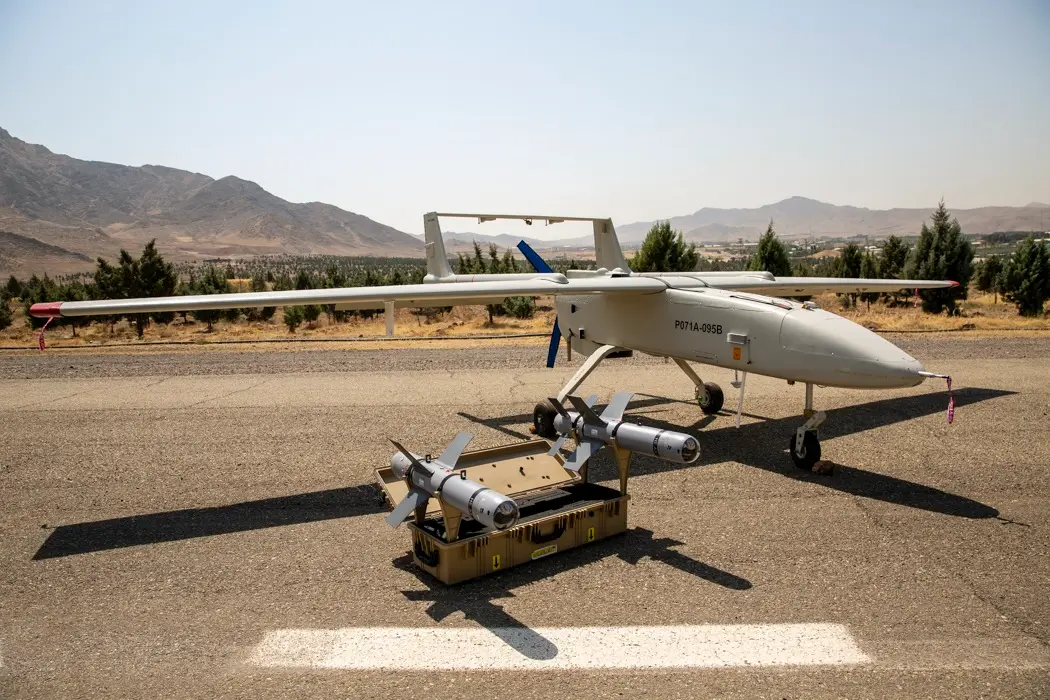
Iran’s Mohajer-6: Tactical Strike
The Mohajer-6 is Iran’s tactical workhorse, capable of carrying guided munitions and flying for 12 hours. It is widely used for surveillance and has been exported to several allies, demonstrating Iran’s growing industrial capacity.

Reverse Engineering Success
Iran has successfully reverse-engineered captured US technology, such as the RQ-170 Sentinel. This led to the development of the Saegheh and Shahed-171, giving Iran stealth capabilities despite international sanctions.

Global Export Power
Israel is a global leader in drone exports, reportedly accounting for over 60 per cent of the global drone market in recent years. Its systems are used by major powers like Germany and India, cementing its status as a top-tier tech supplier.

The Cost Disparity
A single interception by Israel’s Iron Dome costs roughly $50,000, while an Iranian Shahed drone costs a fraction of that. This economic asymmetry forces Israel to develop laser-based defences like the 'Iron Beam' to lower interception costs.
Hermes 900: Versatile Operations
Elbit Systems’ Hermes 900 is a key asset for the Israeli Air Force, capable of carrying multiple payloads for different missions. It played a major role in recent conflicts, providing real-time data and strike capabilities over hostile territory.

Future of the Skies
Israel is integrating Artificial Intelligence to manage drone swarms and improve target recognition. Meanwhile, Iran continues to ramp up production numbers, aiming to saturate defences with sheer volume rather than technological superiority.
)
)

)
)