'Israel vs Iran war': How Israel’s most advanced air defence is proving its worth

Israel's multi-layered air defence, featuring Iron Dome, David's Sling, and Arrow 3, successfully intercepted the vast majority of Iran's 181 ballistic missiles. This overlapping network proved its critical worth by preventing casualties.

A multi-layered shield
Israel operates a multi-tiered air defence network designed to counter threats at various altitudes. This overlapping system ensures that if one interceptor misses, another layer is ready to eliminate the incoming Iranian projectile.
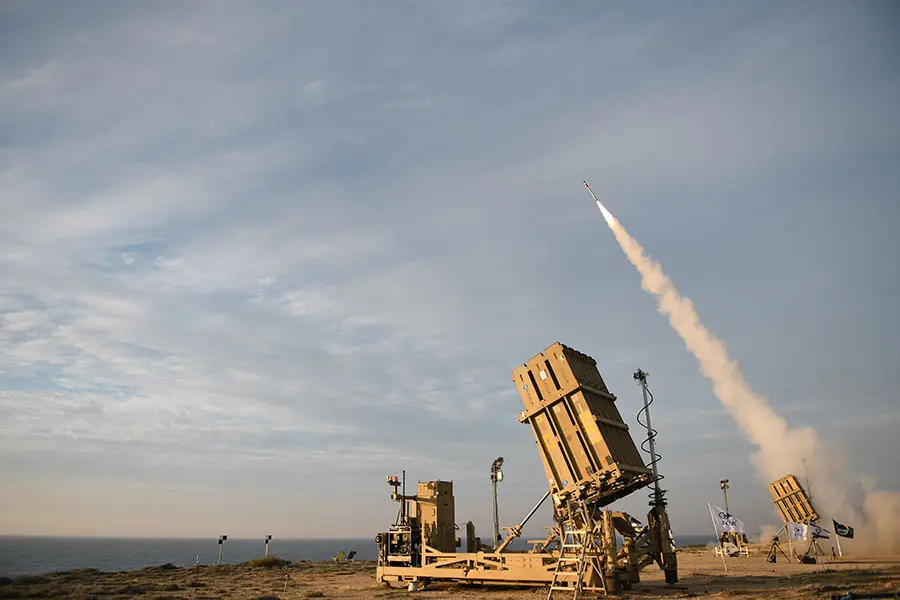
Iron Dome for short ranges
For low-altitude threats like drones and short-range rockets, Israel relies on the combat-proven Iron Dome. During the Iranian attacks, it successfully neutralised cruise missiles and loitering munitions with a success rate exceeding 90 per cent.
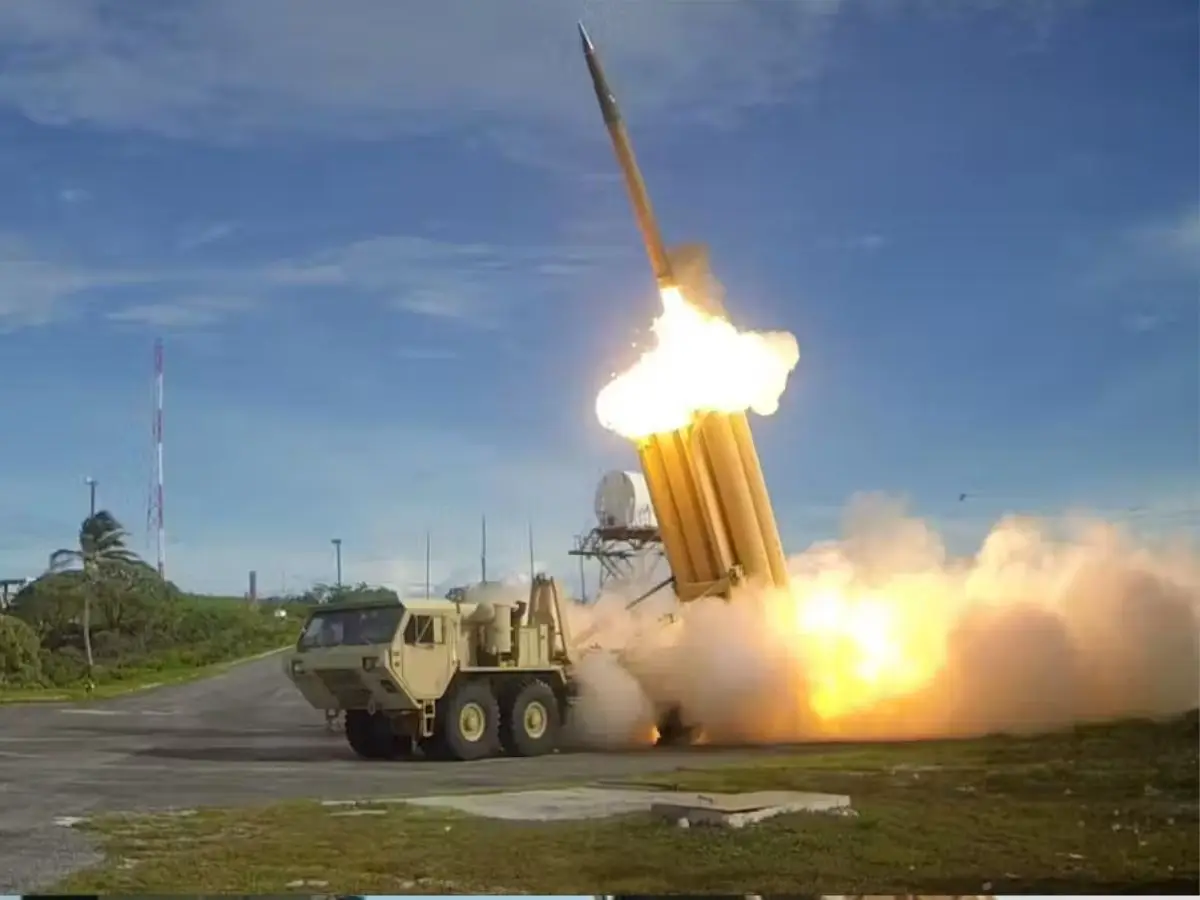
David's Sling for medium threats
To bridge the gap between short and long-range defences, Israel uses David's Sling. This system specifically targets medium-range ballistic and cruise missiles, providing critical intermediate protection against Iran's advanced arsenal.
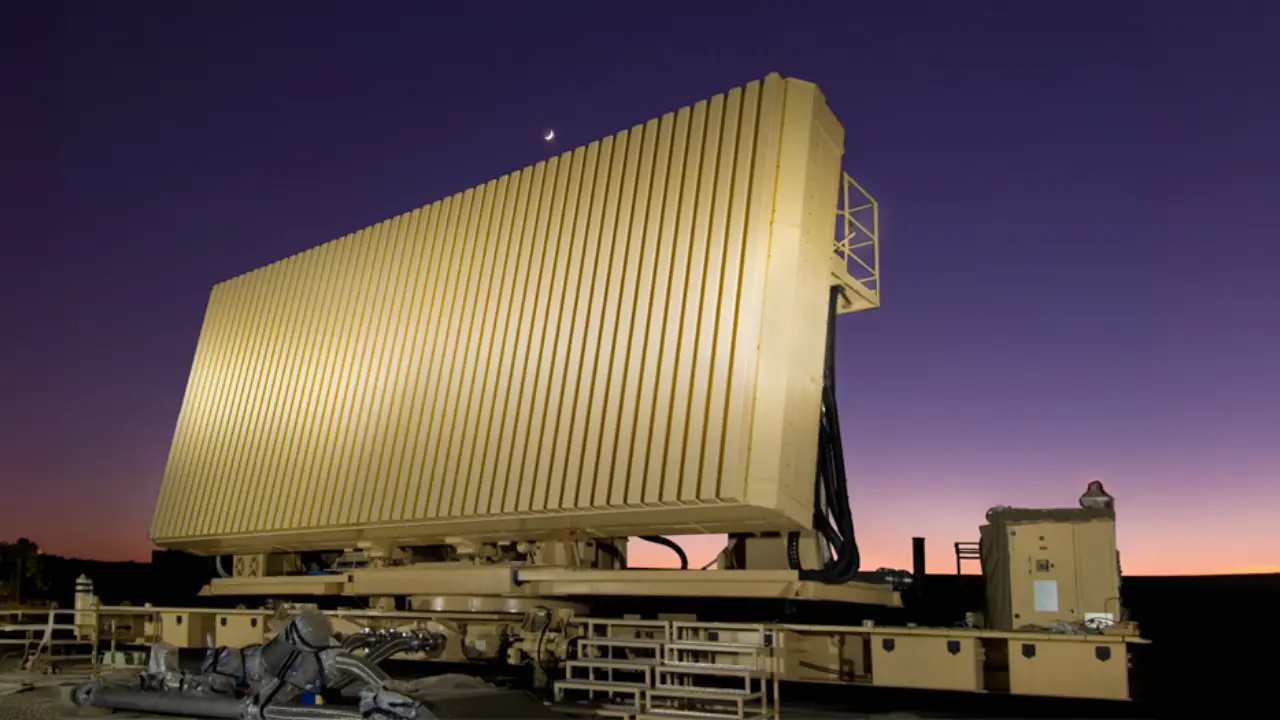
Arrow 2 atmospheric interception
When Iranian medium-range ballistic missiles enter the upper atmosphere, Israel deploys the Arrow 2 system. Relying on an explosive fragmentation warhead, it destroys high-speed targets safely away from civilian populations.
Arrow 3 exo-atmospheric defence
The Arrow 3 is Israel's highest tier of defence, designed to intercept long-range ballistic missiles outside the Earth's atmosphere. During the October attack, it successfully destroyed incoming Iranian hypersonic threats in space, preventing massive damage.

The October ballistic barrage
On 1 October, Iran launched 181 ballistic missiles directly at Israel. Despite the unprecedented scale and speed of the attack, the integrated air defence network intercepted the vast majority of the weapons, limiting the impact to minor infrastructure damage.

Allied naval and air support
Israel's indigenous systems are heavily bolstered by international partners. During the Iranian barrages, US Navy destroyers equipped with Aegis combat systems and allied fighter jets actively assisted in shooting down dozens of incoming threats.
)
)
)
)
)