'Israel vs Iran': Comparing the ballistic missile range and accuracy

Iran and Israel possess potent ballistic missile arsenals tailored to their strategic geography. Iran focuses on volume and increasing precision with missiles like the Sejjil and Kheibar, while Israel maintains high-tech long-range deterrents like the Jericho series.

The Geography of Conflict Distance: 1,600 km to target
To strike targets in Israel from western Iran, a missile must travel at least 1,200 kilometres or more. Most of Iran's developed arsenal is designed specifically to cross this threshold, making range the primary metric for its military engineers.
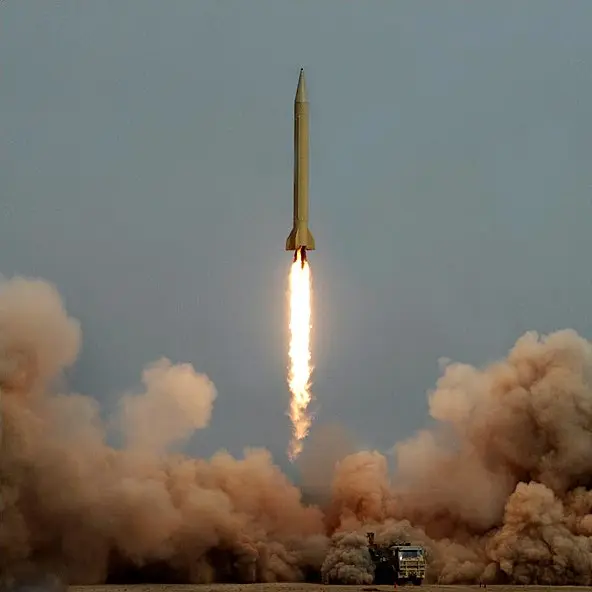
Iran's Workhorse: Shahab-3 Range: 1,300 to 2,000 km
The Shahab-3 is the backbone of Iran's reach, capable of hitting Israel. While early liquid-fuel versions had a range of 1,300 kilometres, upgraded variants now reach up to 2,000 kilometres, covering the entire region.
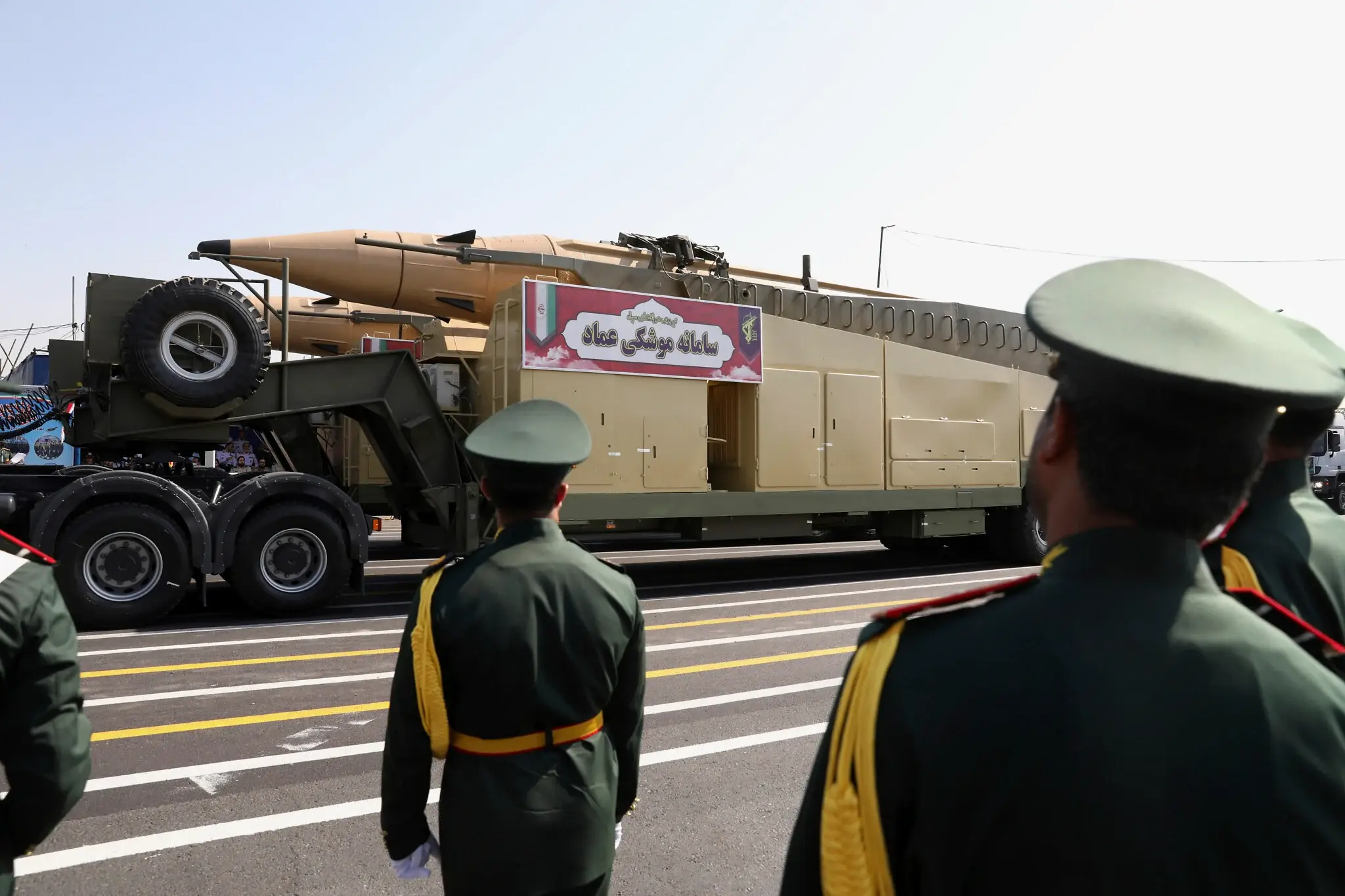
Precision Strike: The Emad Accuracy: Within 50 metres
The Emad represents a leap in precision for Tehran, featuring a Maneuverable Reentry Vehicle (MARV). This technology allows the warhead to adjust its path during flight, bringing accuracy down to an estimated 50 metres or less.
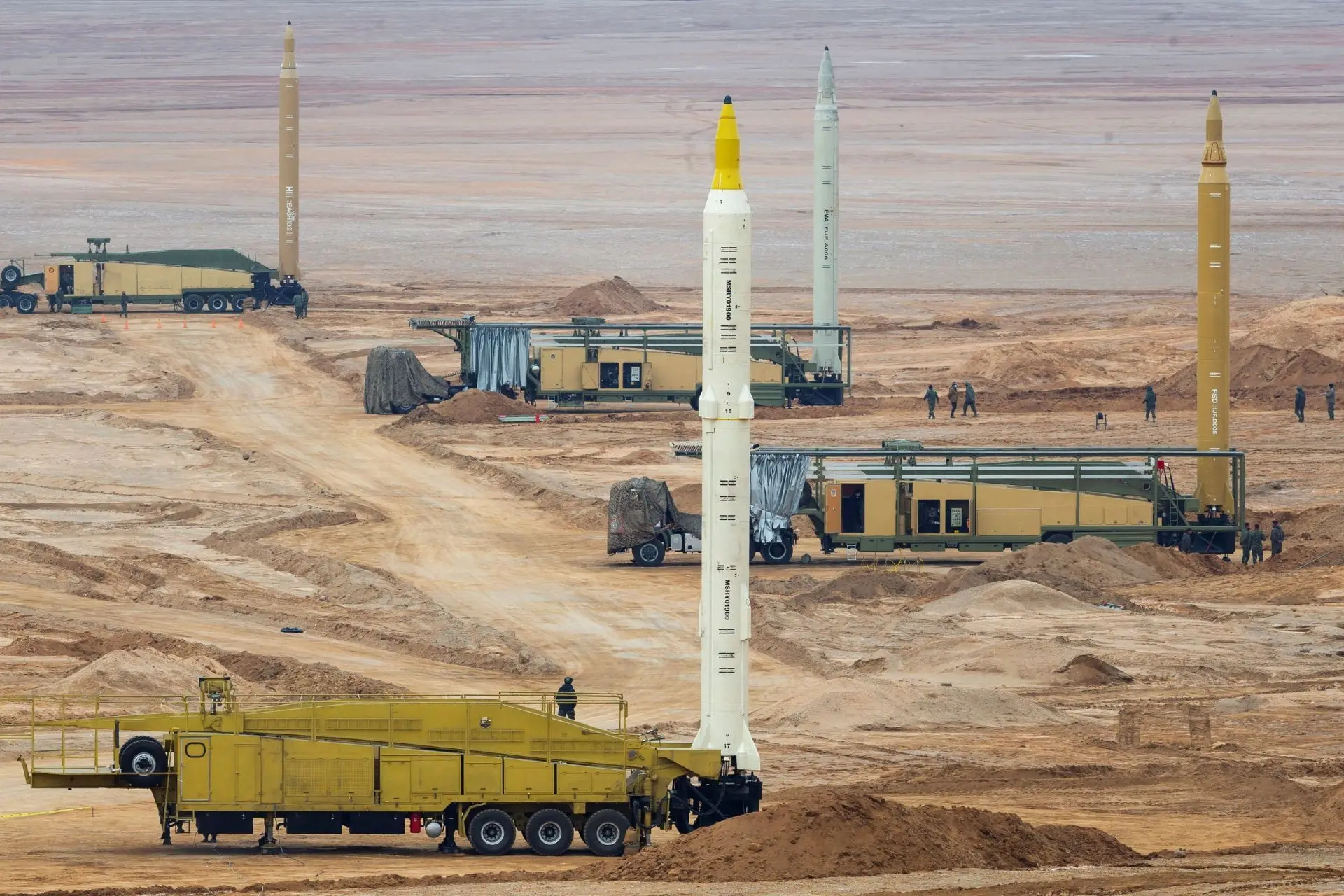
Rapid Fire: The Sejjil Speed: Mach 12+ impact
Unlike the Shahab, the Sejjil uses solid fuel, which drastically reduces launch preparation time to minutes. Its two-stage motor powers it to a range of 2,000 kilometres, making it a difficult target for interceptors to track early.
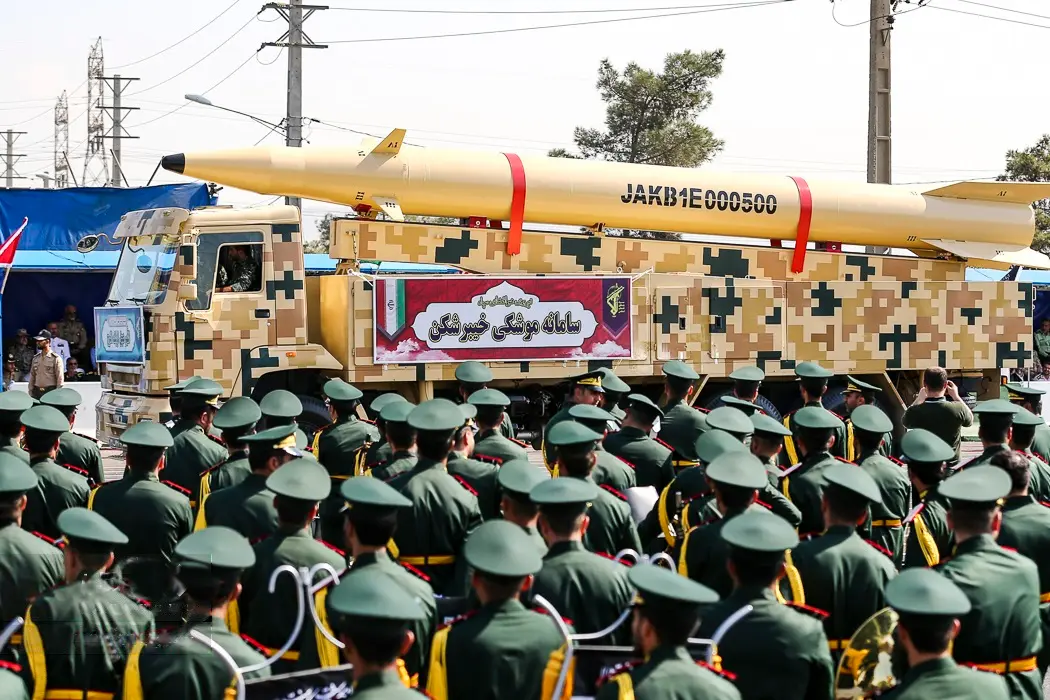
Heavy Hitter: Khorramshahr-4 Payload: 1,500 kg warhead
Also known as Kheibar, this missile stands out for its massive payload capacity. It can carry a 1,500-kilogramme warhead over 2,000 kilometres, delivering significantly more explosive power than earlier models.
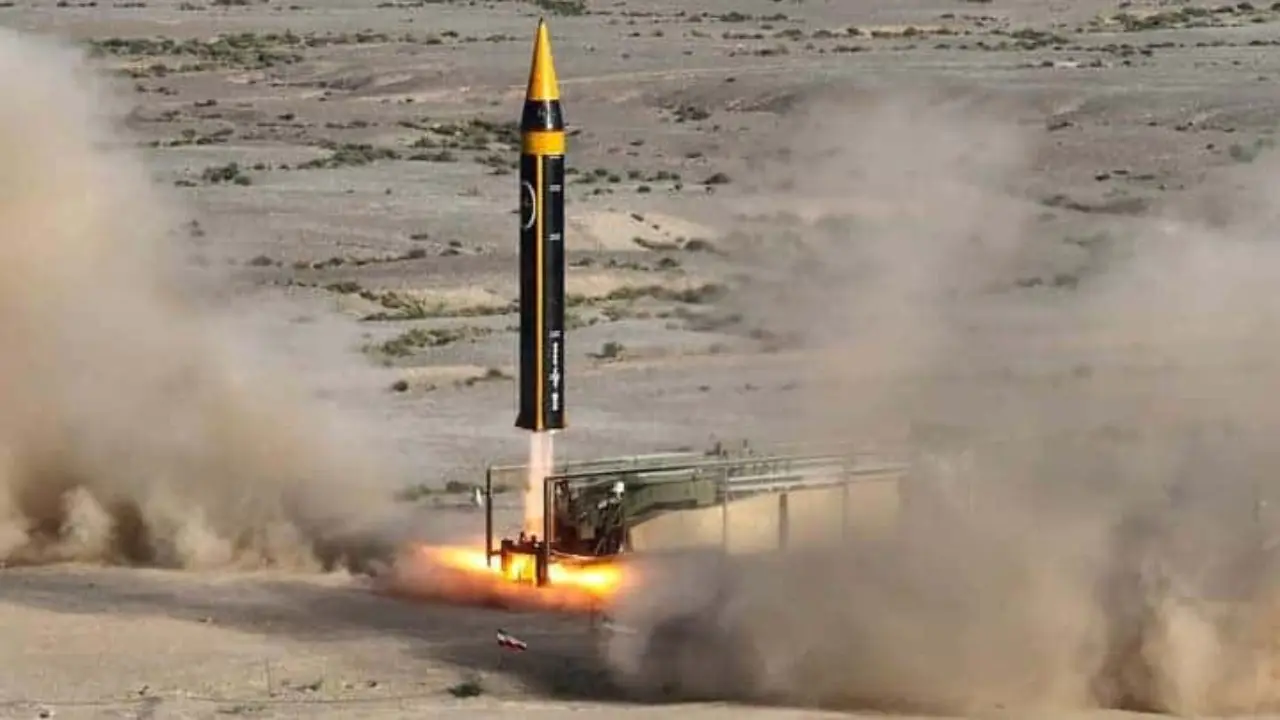
Hypersonic Claim: Fattah-1 Velocity: Mach 13 to 15
Tehran unveiled the Fattah-1 claiming it is a hypersonic missile capable of manoeuvring in and out of the atmosphere. With a reported range of 1,400 kilometres, it is designed specifically to evade advanced air defence radars.
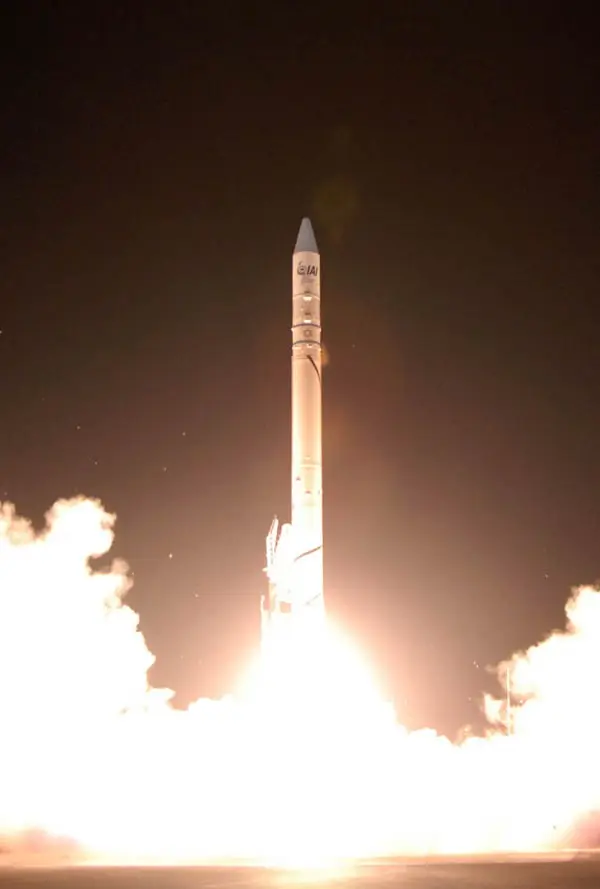
Israel's Deterrent: Jericho 2 Reach: 1,500 to 3,500 km
Israel's Jericho 2 is a solid-fuel medium-range ballistic missile operational since the late 1980s. It carries a 1,000-kilogramme payload and provides a reliable strike capability that covers the entirety of the Middle East.
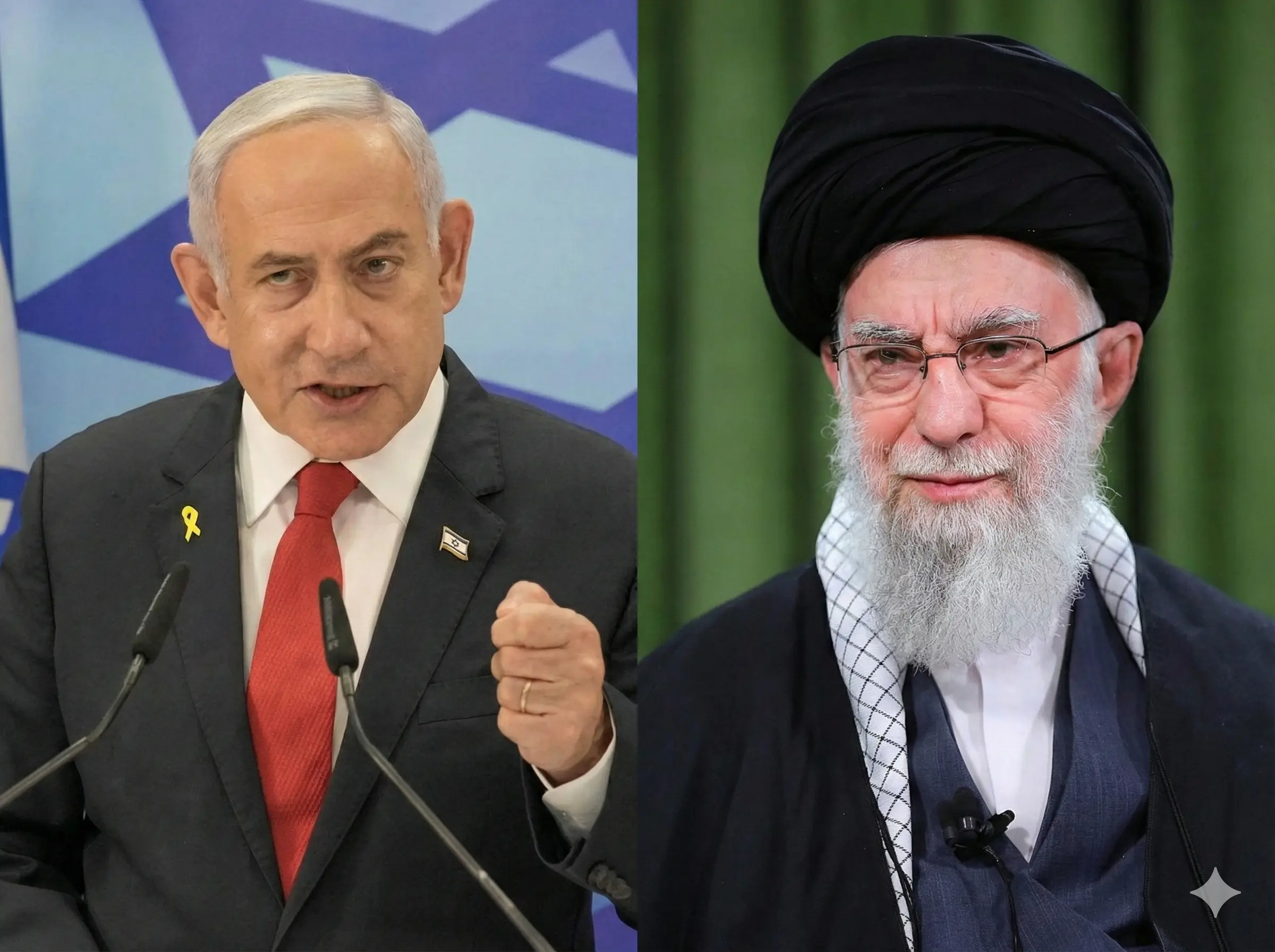
Strategic Reach: Jericho 3 Range: 4,800 to 6,500 km
The Jericho 3 pushes Israel's capabilities into the intercontinental class. With a range exceeding 4,800 kilometres, it can strike targets well beyond Iran, serving as a strategic "doomsday" deterrent for the state.
The Accuracy Gap CEP: Under 20 metres vs 100+
Israel's missile technology traditionally holds an edge in Circular Error Probability (CEP), often striking within metres of a target. Iran is closing this gap rapidly, moving from kilometre-wide errors to precision strikes within 30 metres.
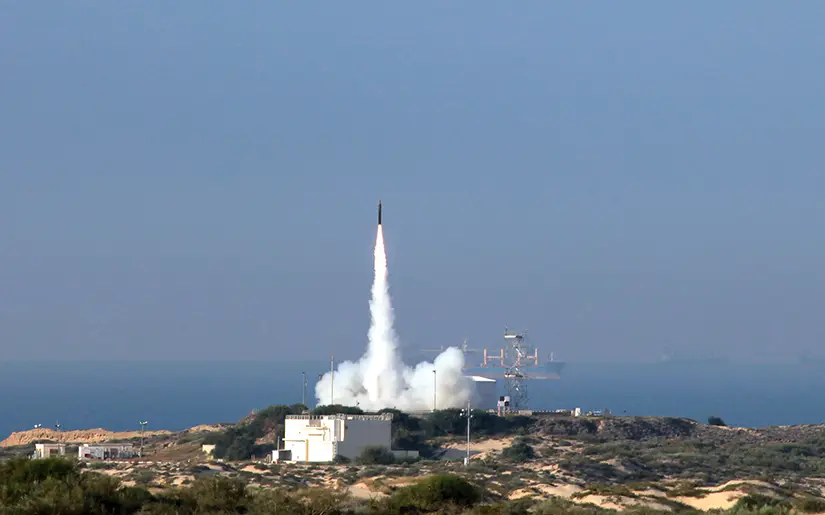
Defence vs Offense Shield: Arrow 3 Interceptors
While Iran builds offensive volume, Israel focuses on multi-layered defence. The Arrow 3 system is designed to intercept ballistic missiles outside the atmosphere, directly countering the high-altitude threats posed by the Ghadr and Sejjil class weapons.
)
)
)
)
)