Is there a 'Great Dark Spot' on humanity? Here's what Voyager’s data says about the universe’s biggest mysteries

Voyager discovered a massive storm on Neptune called the Great Dark Spot, with winds faster than any hurricane on Earth. Now, its story offers not only insights into space weather, but reflections on human challenges. Know more below.
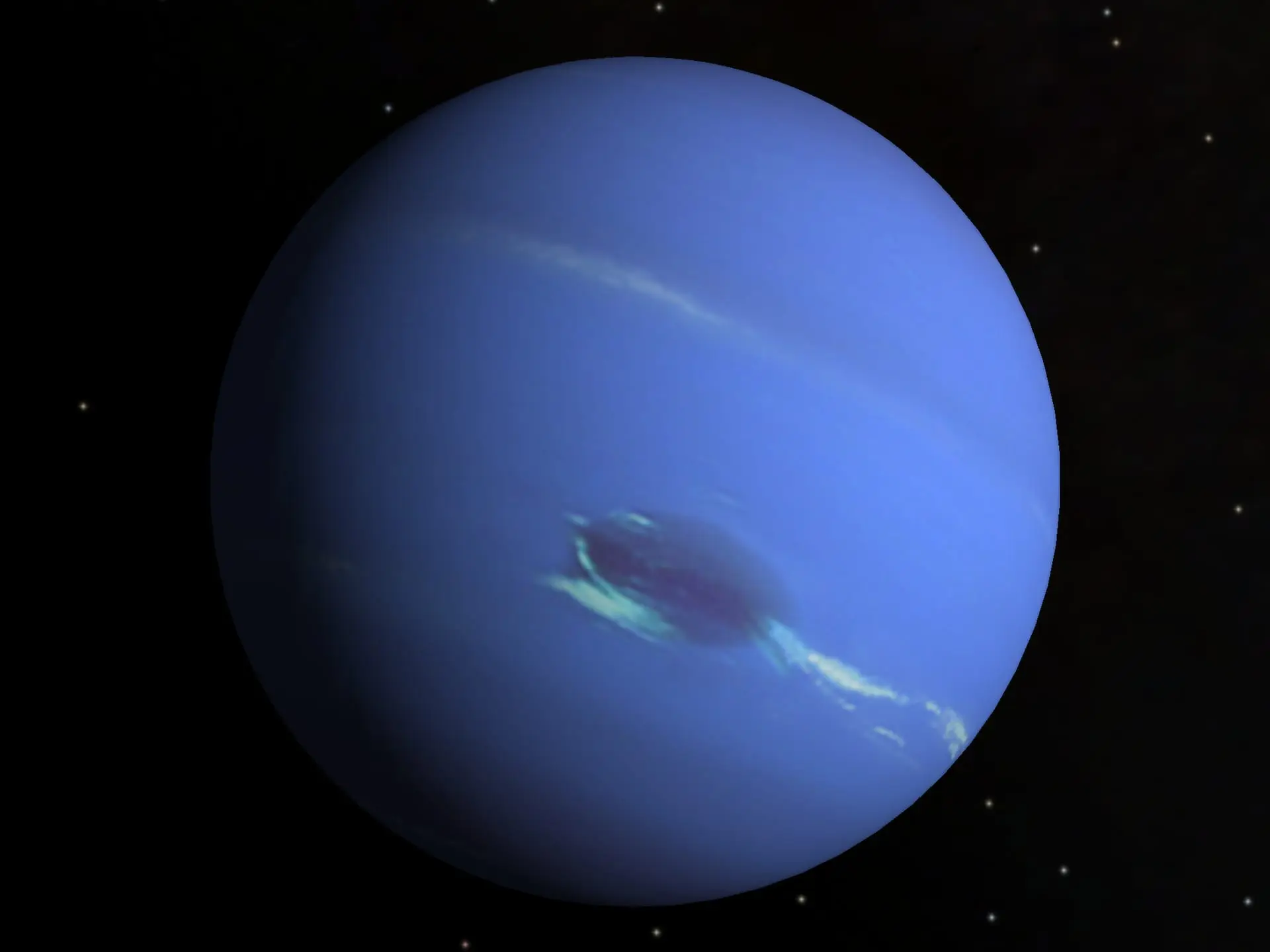
Discovery of the Great Dark Spot
Voyager 2 found the Great Dark Spot on Neptune in 1989. It is a huge storm bigger than Earth and was surprising to scientists because such storms show active weather far from the Sun.
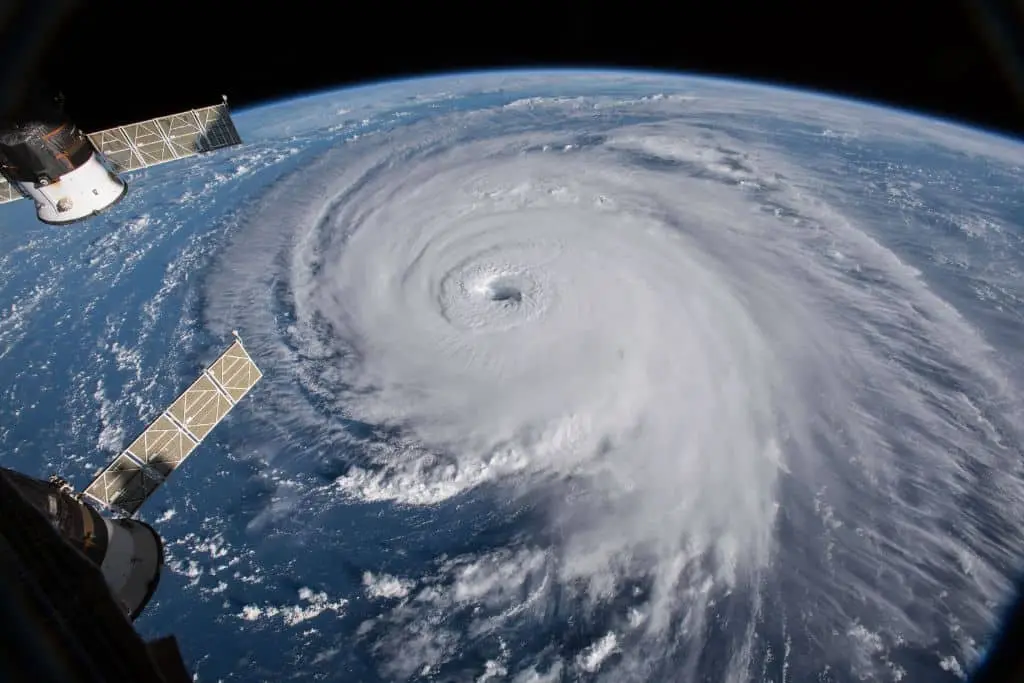
Measuring Winds and Storm Power
The storm winds blow up to 2,400 kilometres per hour, much faster than any hurricane on Earth. Voyager’s instruments used imaging and atmospheric sensors to estimate this power.
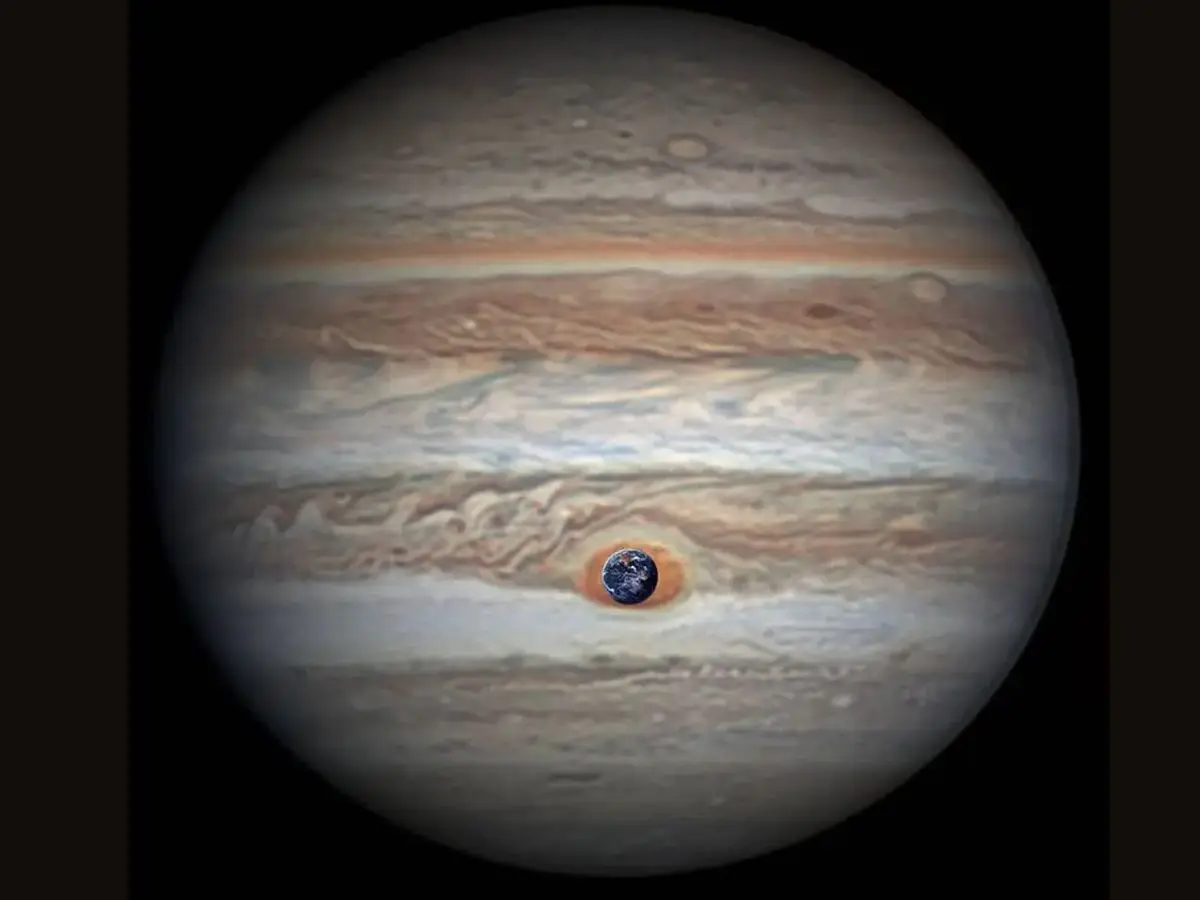
Storms on Jupiter and Their Strength
Voyager also studied Jupiter’s storms, including the famous Great Red Spot. This storm has been raging for hundreds of years, with winds reaching 620 kilometres per hour.
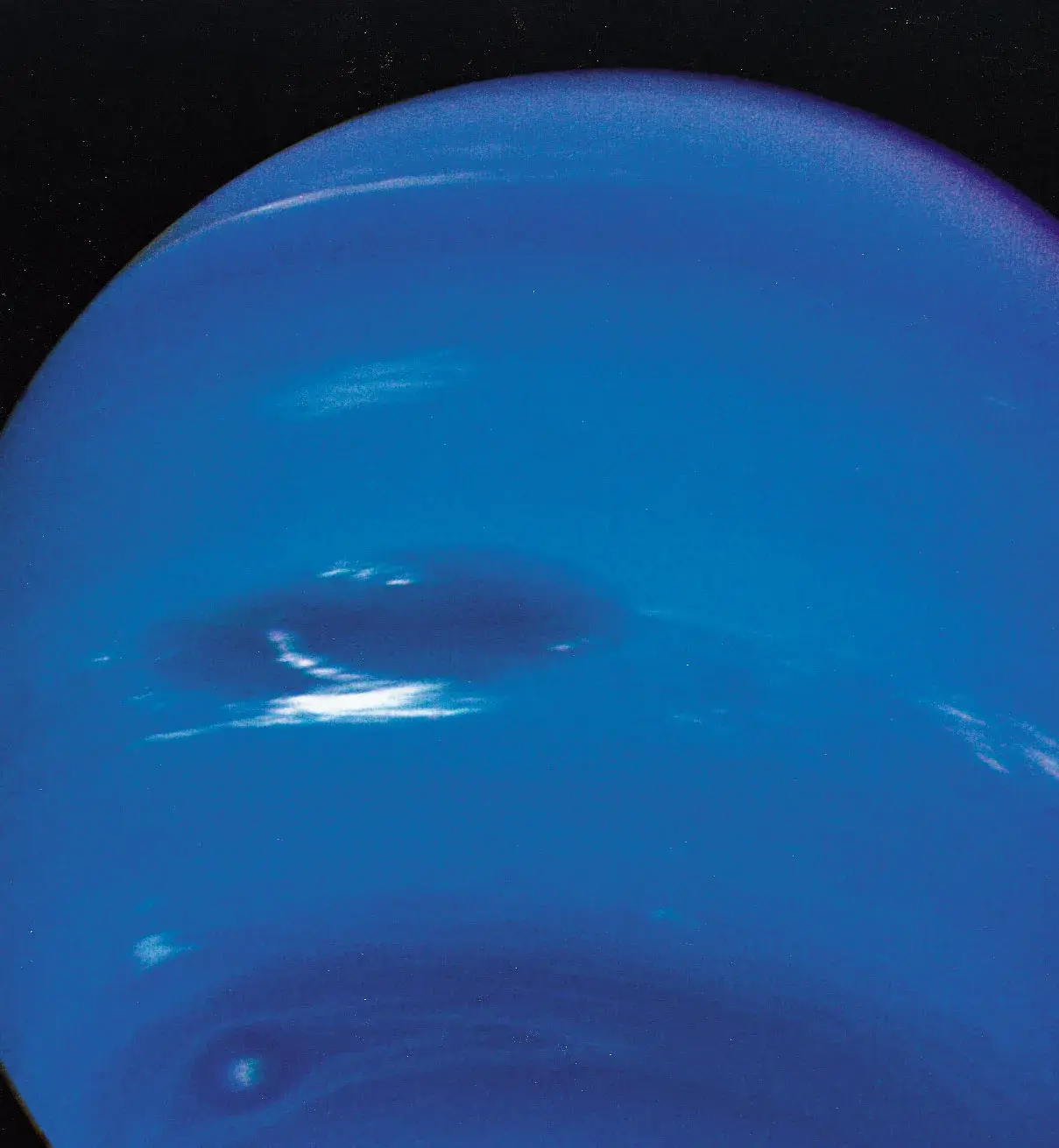
Observing Changes Over Time
The Great Dark Spot on Neptune disappeared a decade after Voyager’s visit. This showed scientists that even giant storms in space can be short-lived and dynamic.
Reflections on Humanity’s ‘Dark Spots’
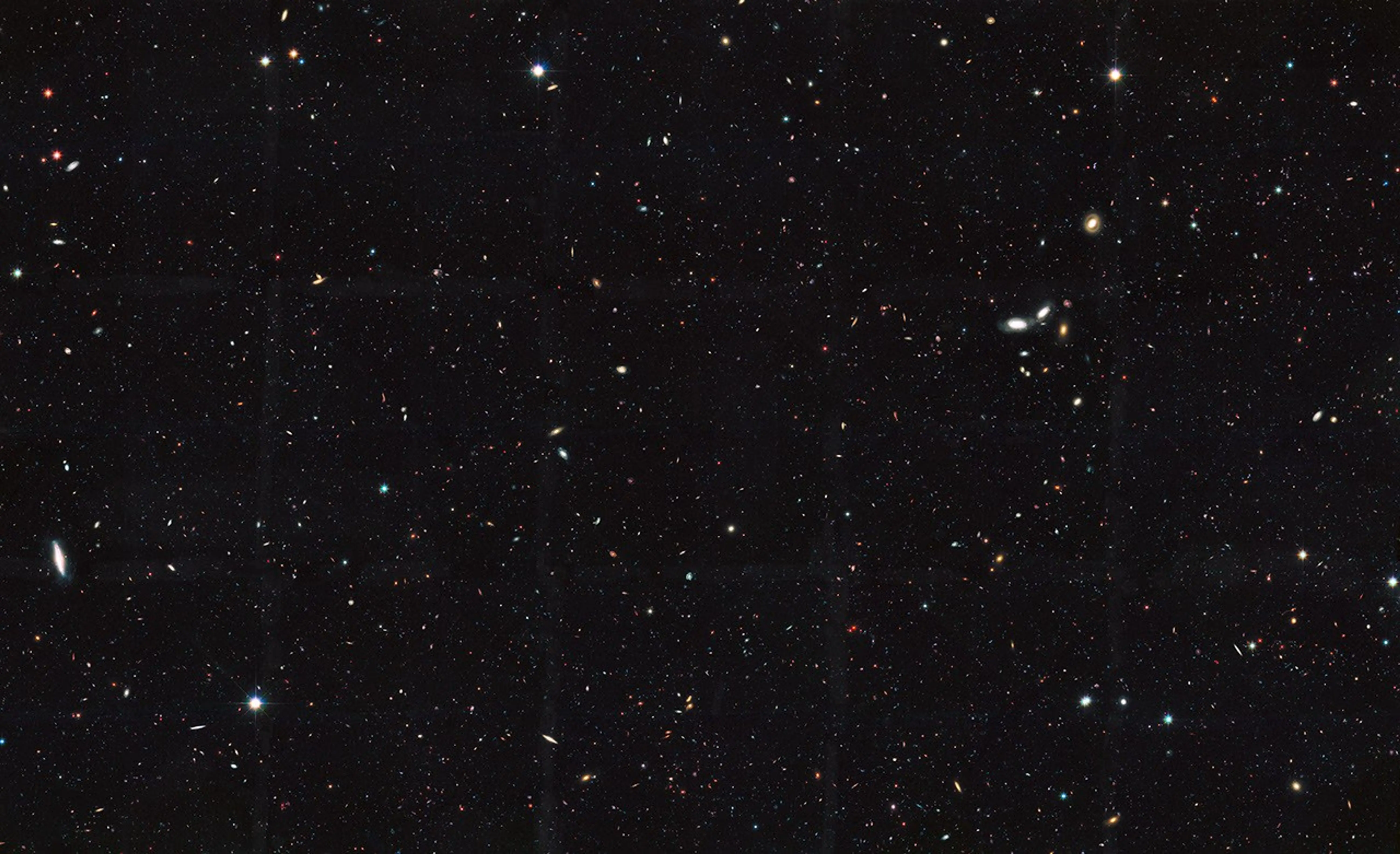
Scientists and thinkers use these cosmic storms as metaphors for unseen and complex issues within humanity. Just like storms in space, human challenges can be powerful yet hidden from direct view.
Using Space Discoveries to Understand Earth
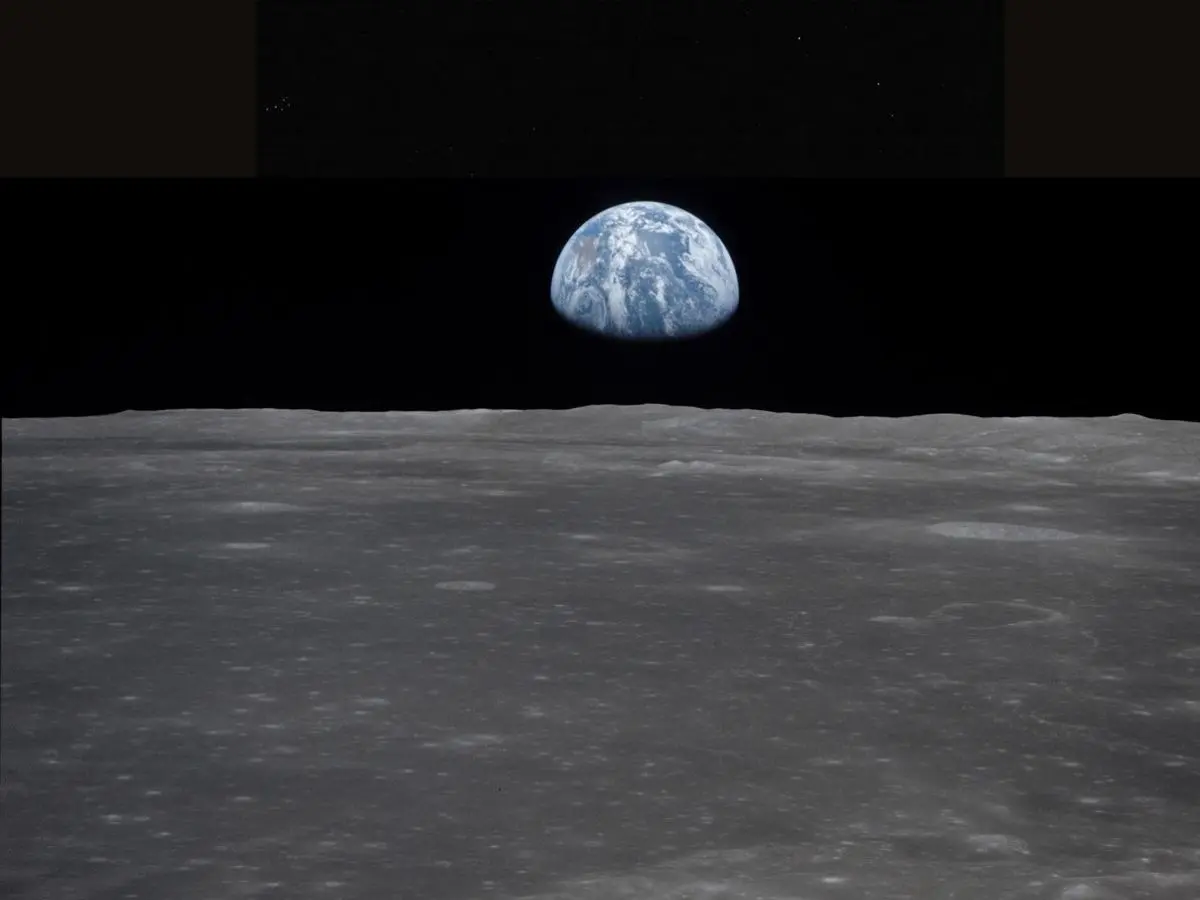
By studying storms on Neptune and Jupiter, Voyager helped us see how nature works on different scales. This knowledge inspires hope that we can also understand and calm the storms in our society.
Voyager’s Legacy and Our Journey
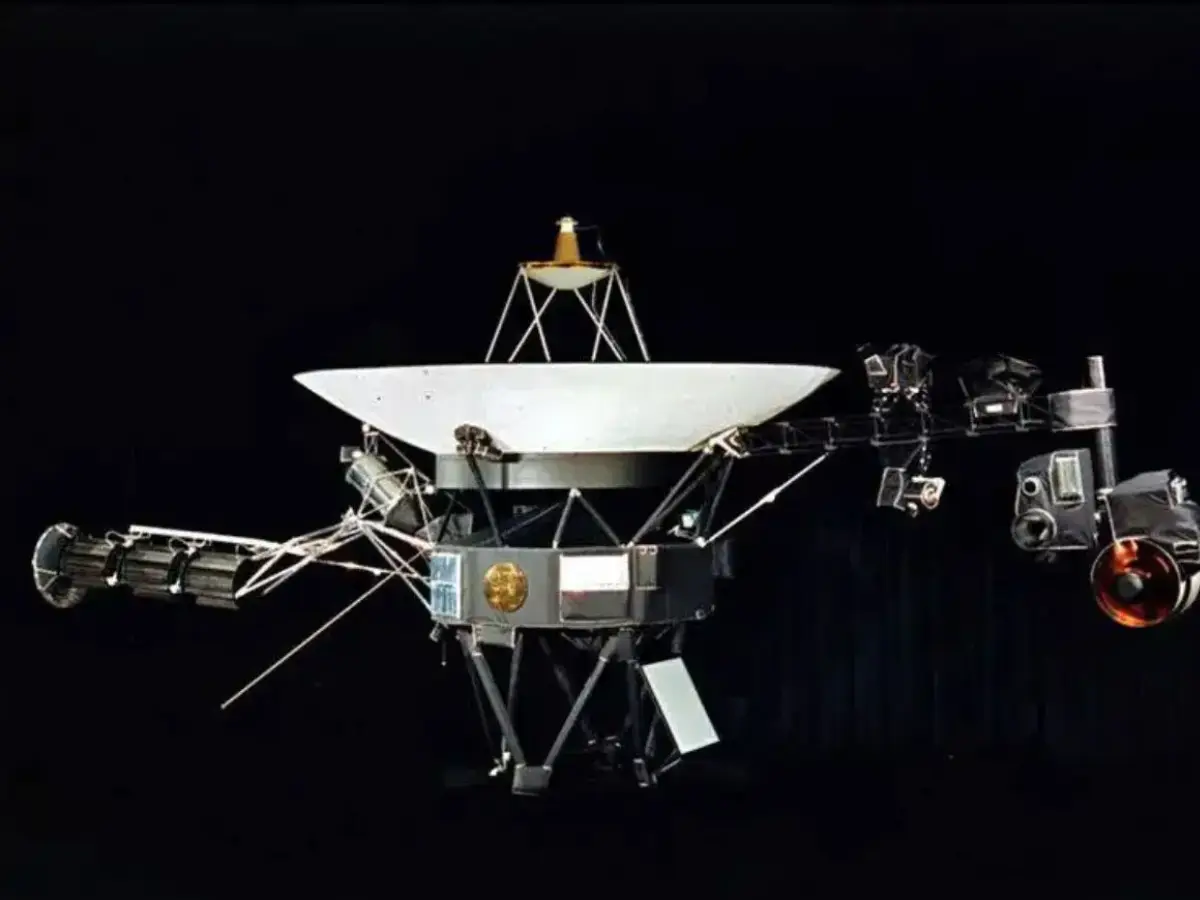
Voyager’s sights of distant storms remind us that mystery and change are constants everywhere. Its mission helps us think about science, nature and hope in a bigger way.
)
)
)
)
)