'IRGC’s hit list': 7 ways Iran’s asymmetric network could target Benjamin Netanyahu

Following the intense escalation in the Middle East and the IRGC's chilling public ultimatum labeling the Israeli Prime Minister a "child-killing criminal," the threat environment around Benjamin Netanyahu has reached an unprecedented level.
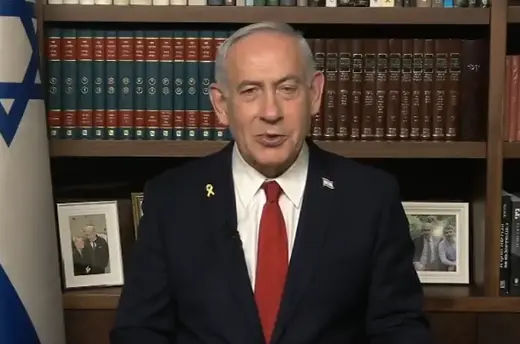
1. The Hypersonic "Bunker Buster" Strike
Iran’s missile program is no longer limited to clumsy, unguided rockets. The IRGC possesses advanced ballistic missiles, including the Fattah hypersonic glide vehicle, which is specifically designed to manoeuvre mid-flight and evade Israel’s multi-layered air defence systems like the Arrow 3 and David's Sling. If Iranian intelligence (MOIS) pinpoints Netanyahu's exact location, even if he is inside a fortified command center like the Kirya in Tel Aviv or an underground bunker, a concentrated, synchronised hypersonic barrage could be used to overwhelm the interceptors and penetrate the reinforced concrete.
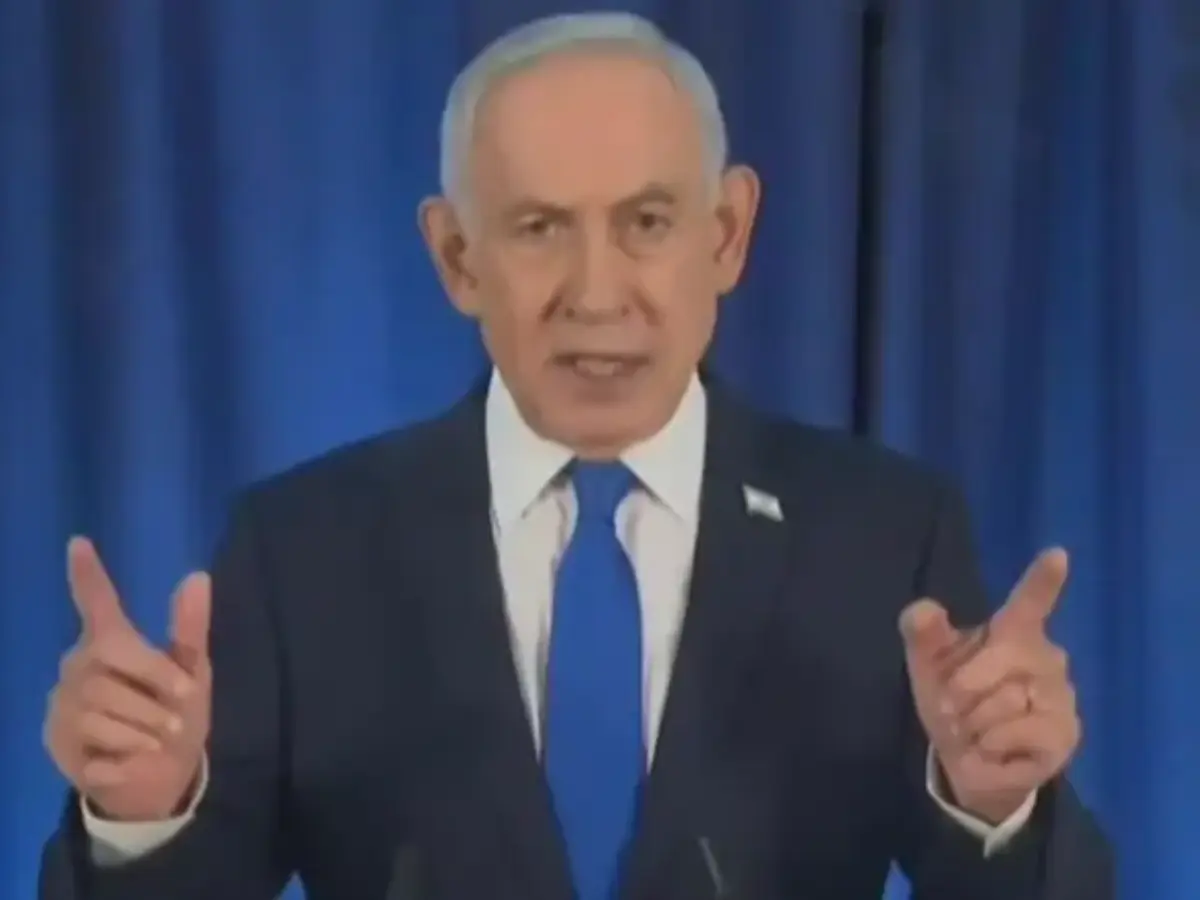
2. The Infiltration of Shin Bet and Unit 730
The most dangerous threat to a head of state is the enemy within. Israel’s internal security service, Shin Bet, and its elite Unit 730 are responsible for Netanyahu's close-quarters protection. However, Iran has a proven, documented history of aggressively recruiting Israeli citizens for espionage through extortion, financial incentives, or honey traps. By flipping a mid-level security contractor, a logistics planner, or a communications officer, the IRGC could gain the precise, minute-by-minute itinerary of the Prime Minister's motorcade, enabling a devastating ambush.
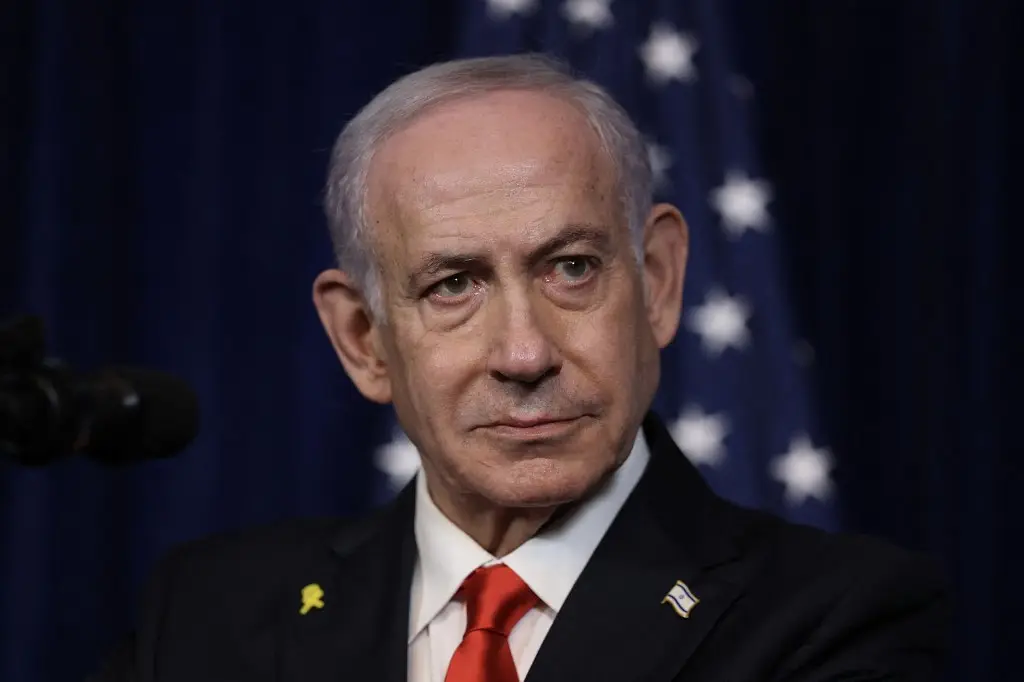
3. The "Swarm" of Loitering Munitions
Iran has become a global superpower in drone warfare. The IRGC could orchestrate a massive, multi-front swarm of advanced loitering munitions (kamikaze drones) launched simultaneously from Lebanon, Syria, Iraq, and Yemen. By firing hundreds of cheap, radar-evading Shahed-series drones alongside precision cruise missiles, the objective would be to exhaust Iron Dome batteries in a specific sector, allowing a handful of stealth UAVs to slip through the net and strike Netanyahu’s private residence in Caesarea or Jerusalem.
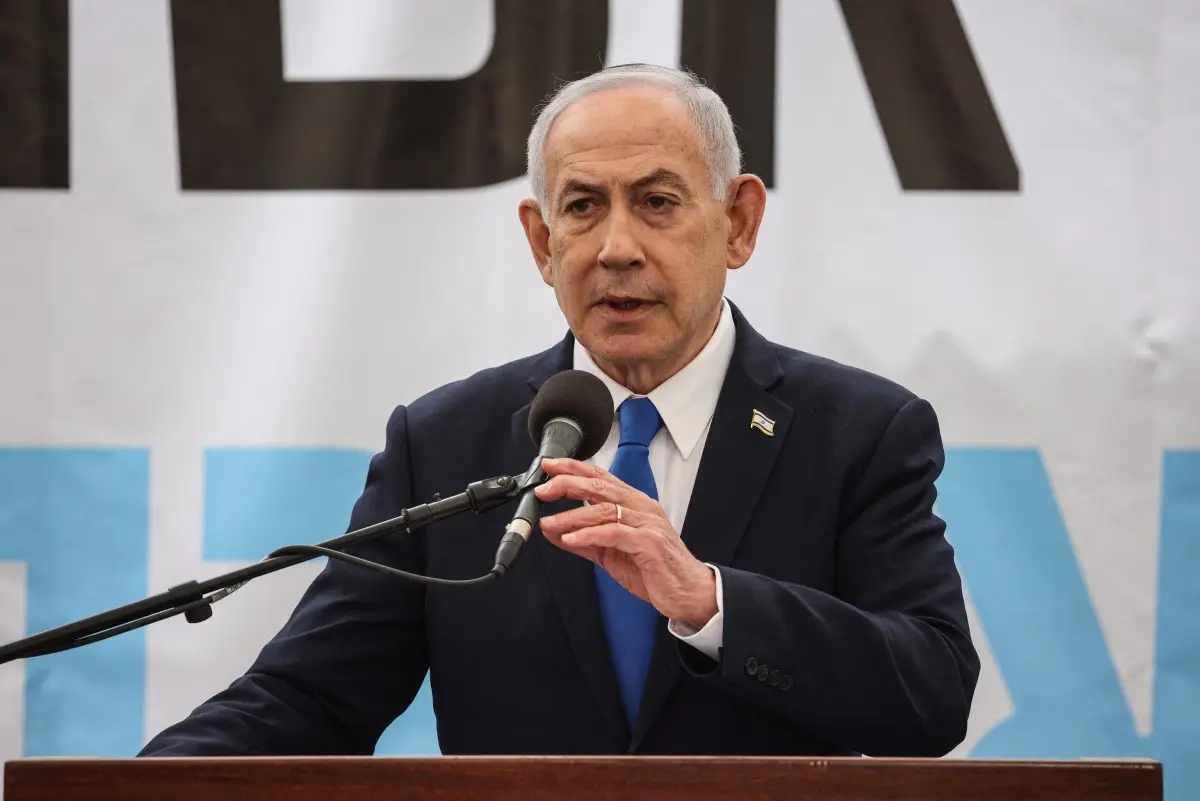
4. The Diplomatic "Abroad" Operation
Netanyahu is arguably most vulnerable when he leaves Israeli airspace. The IRGC’s elite Quds Force has spent decades building sleeper cells and operational networks across Europe, South America, and Africa. If the Prime Minister travels to a foreign nation with less stringent airspace control or a highly predictable diplomatic motorcade route, the Quds Force could utilize proxy operatives to execute an assassination using anti-tank guided missiles (ATGMs) or vehicle-borne improvised explosive devices (VBIEDs), maintaining plausible deniability.
5. Cyber-Hijacking and Digital Geolocation
Before a physical strike can occur, the target must be found. Iran’s state-sponsored hacker groups, such as MuddyWater or Charming Kitten, are highly sophisticated. By targeting the personal mobile devices, smart cars, or home networks of Netanyahu's aides, family members, or low-level security staff, Iranian cyber units could silently track his movements via GPS and cellular triangulation. Once his geolocation is digitally locked, the coordinates can be fed in real-time to a strike cell.
6. The "VIP Motorcade" Chokepoint
Moving a Prime Minister requires a massive logistical footprint that cannot be entirely hidden. The IRGC and its Hezbollah proxies have heavily mapped Israeli infrastructure. Using advanced, smuggled weaponry, such as the Russian-made Kornet anti-tank missile, which has a range of several kilometers and can pierce heavy armour, a highly trained proxy sniper team could set up along a known, unavoidable transit corridor. A coordinated strike aimed at disabling the lead and rear vehicles of the convoy would trap the VIP vehicle in a kill zone.
7. Infrastructure Sabotage to Force Movement
Intelligence agencies rarely attack a target when they are stationary and secure; they force the target to move. Iranian cyber units could launch a devastating zero-day attack on the regional power grid, water supply, or traffic control systems surrounding the Prime Minister's current location. By creating a localized blackout or infrastructure crisis, security protocols would mandate moving Netanyahu to a secondary, "safer" location. The IRGC would then execute their strike during this forced, chaotic transit window, when the security detail is most exposed.
)

)
)
)