Israel vs Iran: How effective are Iranian drones and missiles at reaching their targets?

Iran utilises Shahed-136 drones and fast ballistic missiles to overwhelm Israeli air defences. While slow drones are easily intercepted, recent saturation strikes with high-speed missiles have proven more effective, exposing the high economic cost of interception.
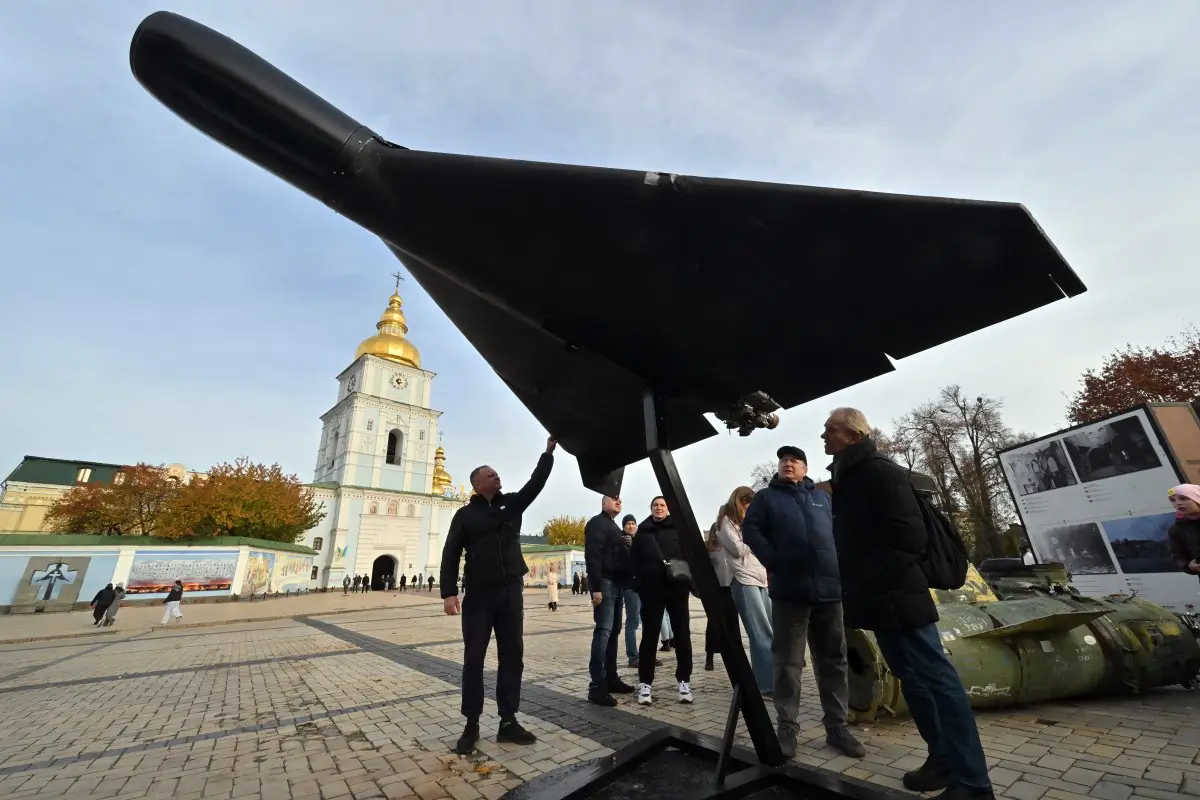
Shahed-136 drone capabilities Low-cost aerial swarms
The Shahed-136 is a delta-wing 'kamikaze' drone designed to overwhelm enemy radar through sheer volume. It carries a warhead of approximately 50 kilogrammes and flies at a low speed of 185 km/h, making it audible but hard to track on radar due to its small size and low altitude.
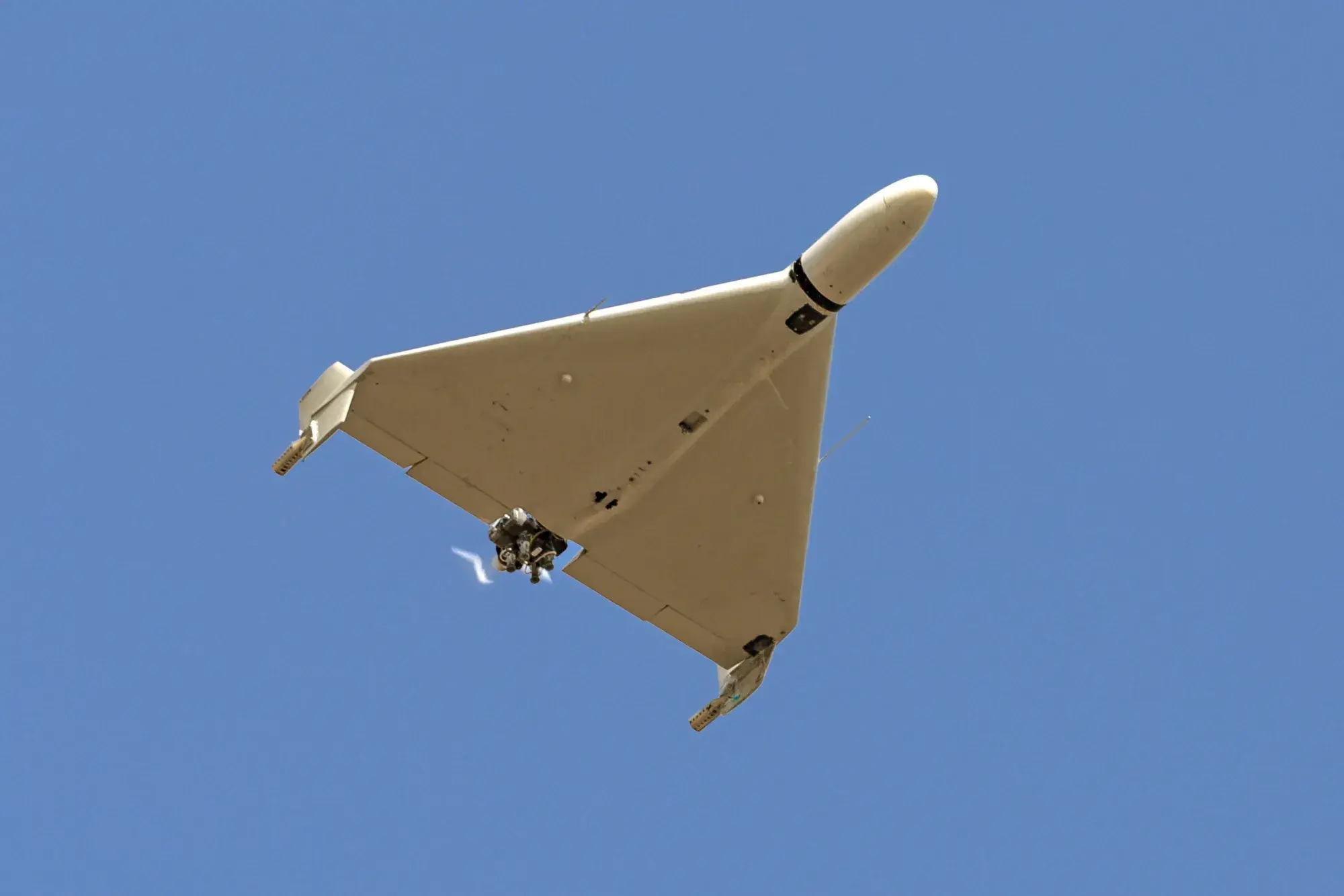
Extreme operational range Striking from distance
Despite its simple design, the Shahed-136 boasts an operational range of up to 2,500 kilometres, allowing Tehran to launch attacks from deep within its territory. This extended reach enables the drone to loiter over targets before diving, complicating interception efforts for systems like David's Sling.

April 2024 interception success Defences holding firm
During the massive April 2024 attack, Iran fired over 300 projectiles, including 170 drones and 30 cruise missiles. Israel and its allies achieved a 99 per cent interception rate, as the slow-moving drones gave defence systems hours to track and destroy them before they reached airspace.
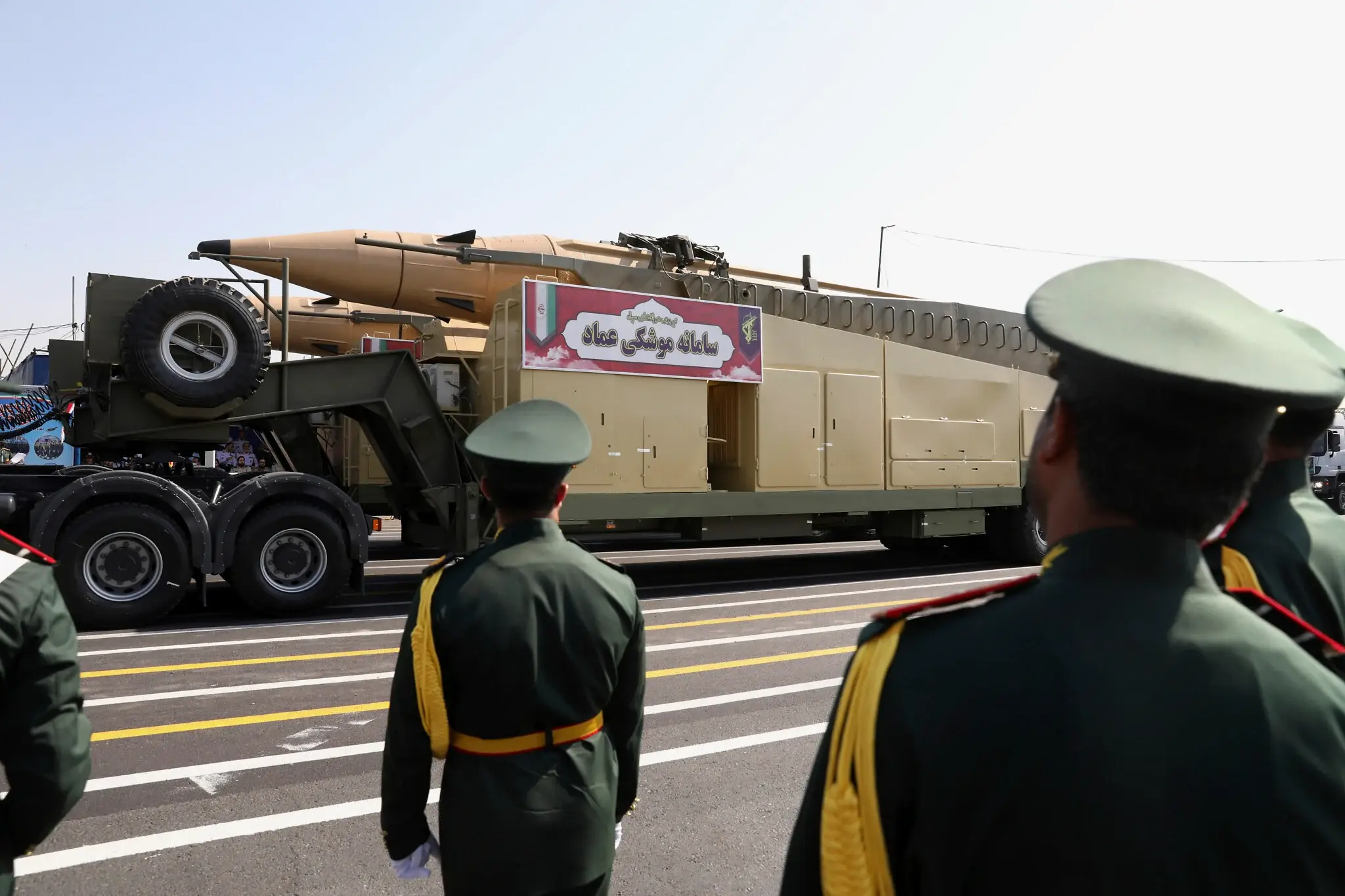
Ballistic missile shift Speed defeats shields
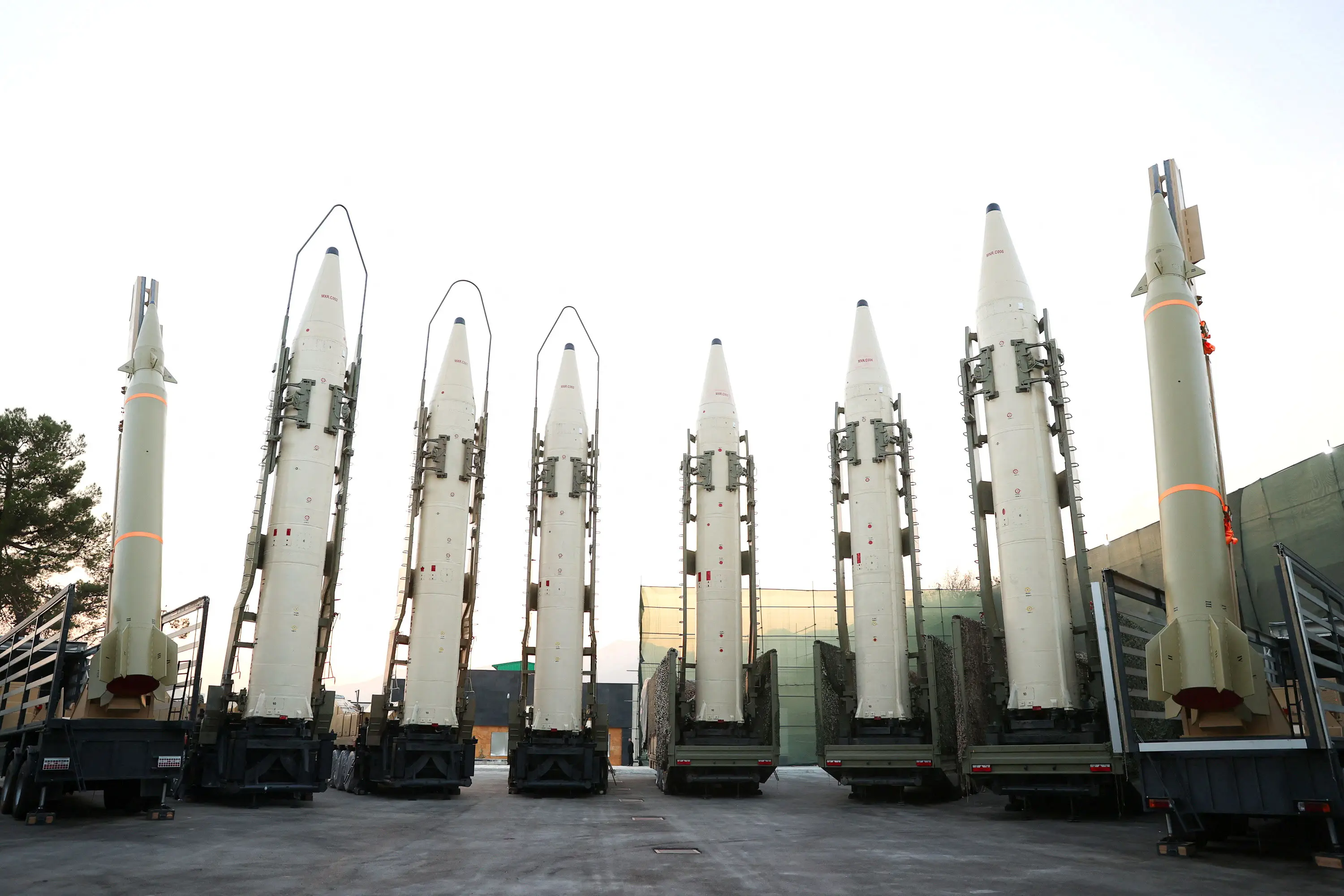
In October 2024, Iran shifted tactics by launching around 180 high-speed ballistic missiles, such as the Emad and Ghadr. Unlike drones, these missiles reach Israel in under 12 minutes, significantly reducing reaction time and resulting in dozens of confirmed impacts on the Nevatim airbase.
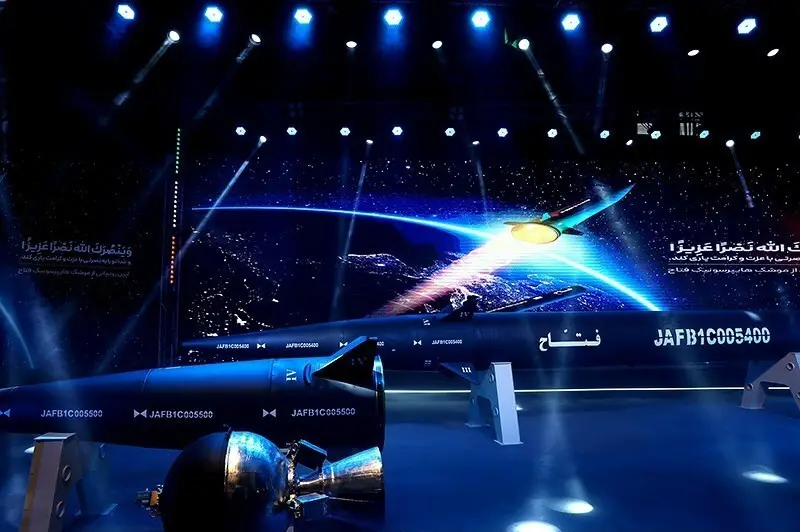
Fattah hypersonic threat Evading advanced radar
Iran claims its new Fattah-1 missile is hypersonic, capable of travelling at speeds between Mach 13 and Mach 15. If verified, this manoeuvrable weapon could bypass traditional anti-missile shields by changing trajectory mid-flight, making trajectory prediction nearly impossible for the Arrow-3 system.

Economic cost asymmetry Cheap offence expensive defence
A single Shahed-136 drone costs roughly $20,000 to $50,000 (approx Rs 16-40 lakh), while an interceptor missile can cost upwards of $2 million (approx Rs 16 crore). This financial disparity forces defenders to spend billions repelling relatively cheap attacks, creating a sustainable long-term economic advantage for Iran.
Navigation and guidance Hard to jam
Iranian missiles utilise a mix of GNSS and Inertial Navigation Systems (INS) to maintain course even when GPS signals are jammed. Recent variants of the Emad missile reportedly feature manoeuvrable re-entry vehicles (MaRV), improving accuracy to within 500 metres of the intended target.

Saturation strike tactics Overwhelming the batteries
The effectiveness of these weapons relies heavily on saturation tactics, where hundreds of projectiles are fired simultaneously. This strategy aims to deplete the limited supply of interceptor missiles in batteries like the Iron Dome, allowing a percentage of warheads to slip through the gaps.
)
)
)
)
)