'Iranian anti-ship missiles': How destructive are they?

Iran's anti-ship missiles, including the supersonic Khalij Fars and 1,000 km Abu Mahdi, pose a significant naval threat. These weapons combine speed and range to target vessels in vital waterways.

A massive naval arsenal
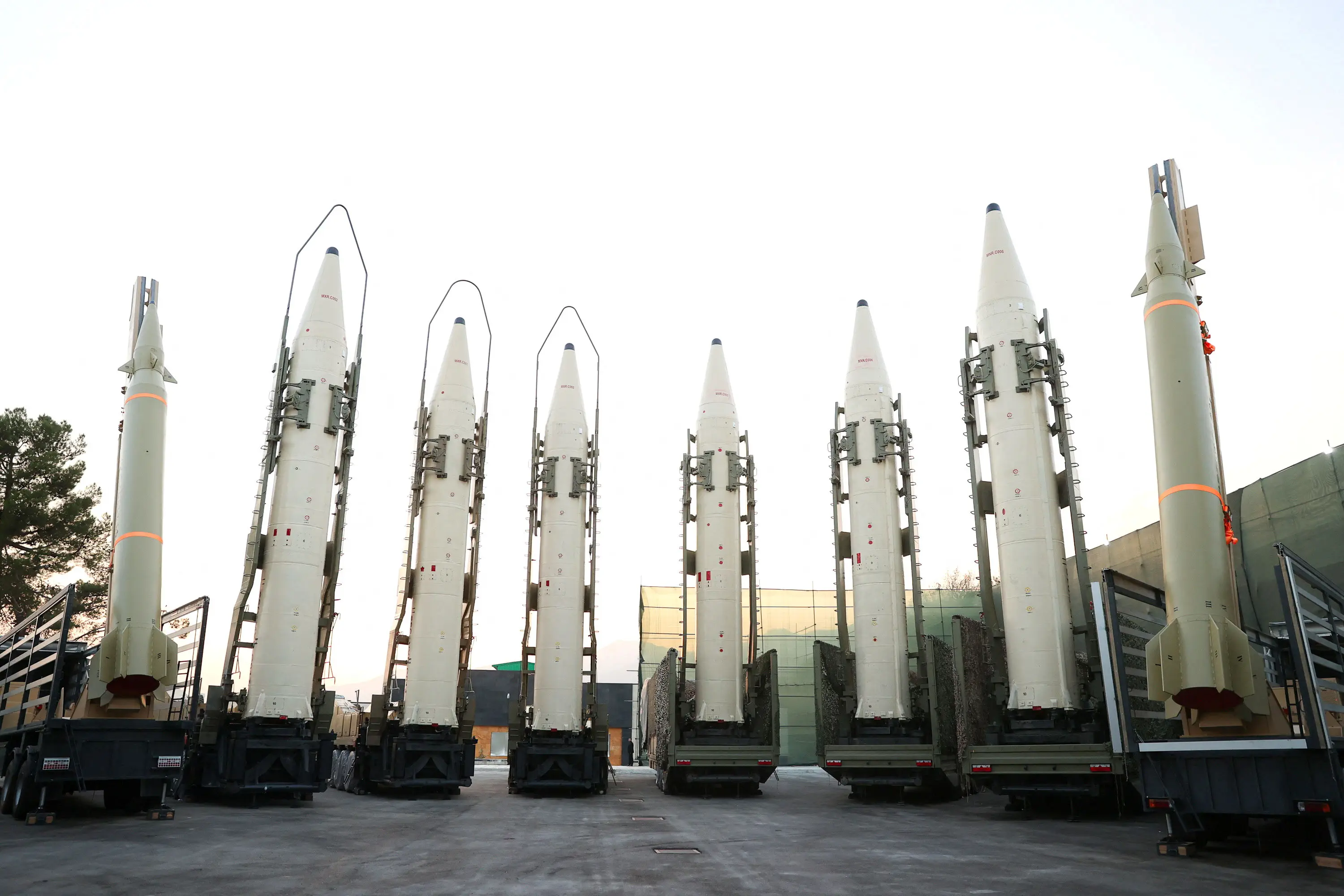
Tehran has built a large inventory of anti-ship weapons designed to target aircraft carriers and destroyers. This stockpile includes both ballistic missiles, which strike from above at high speeds, and cruise missiles that fly low over the water to evade radar detection.
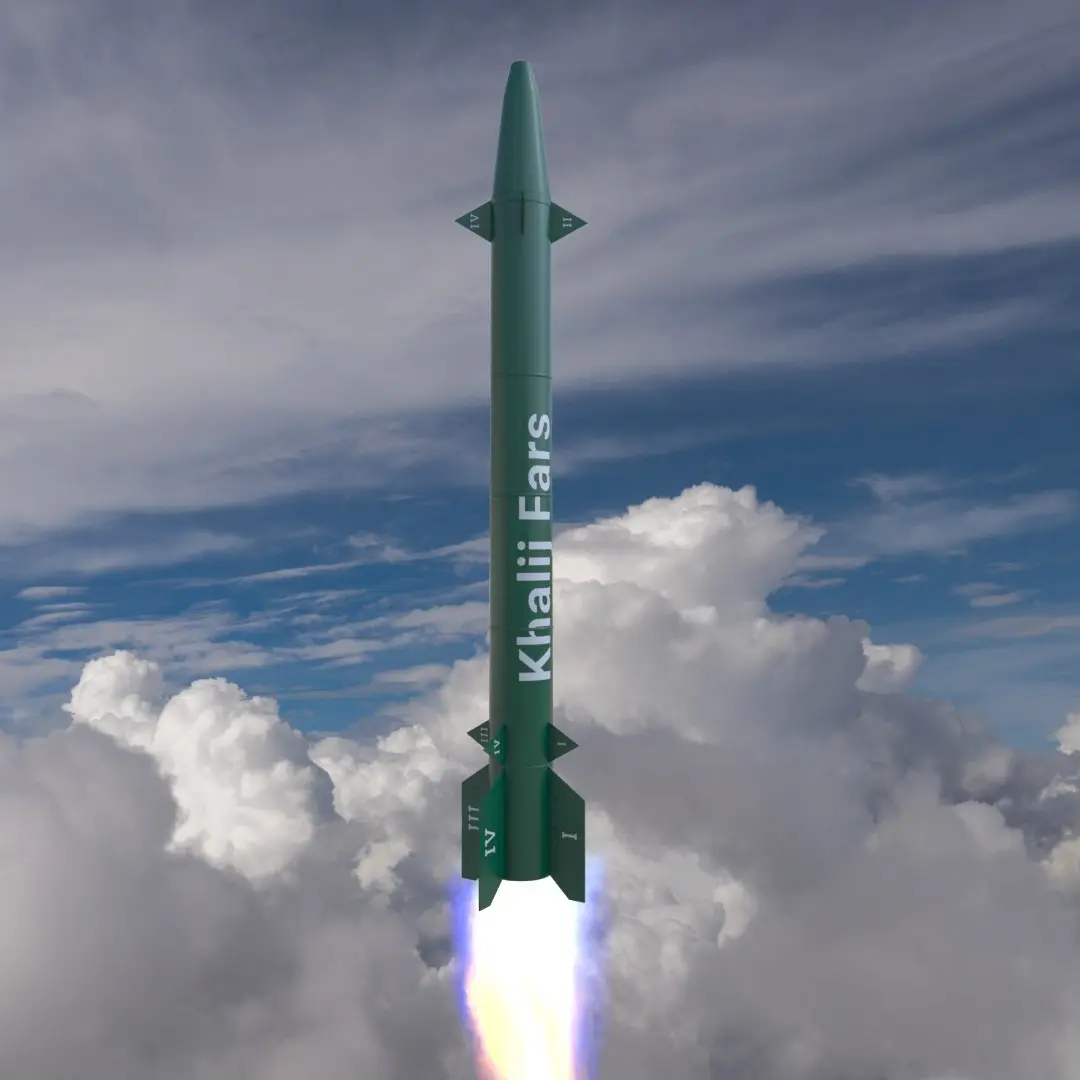
Khalij Fars ballistic missile
Known as the 'Persian Gulf', this is a solid-fuel anti-ship ballistic missile with a range of 300 kilometres. It travels at supersonic speeds of Mach 3 to Mach 4, making it difficult to intercept. The weapon carries a 650-kilogramme warhead capable of causing severe damage to large warships.
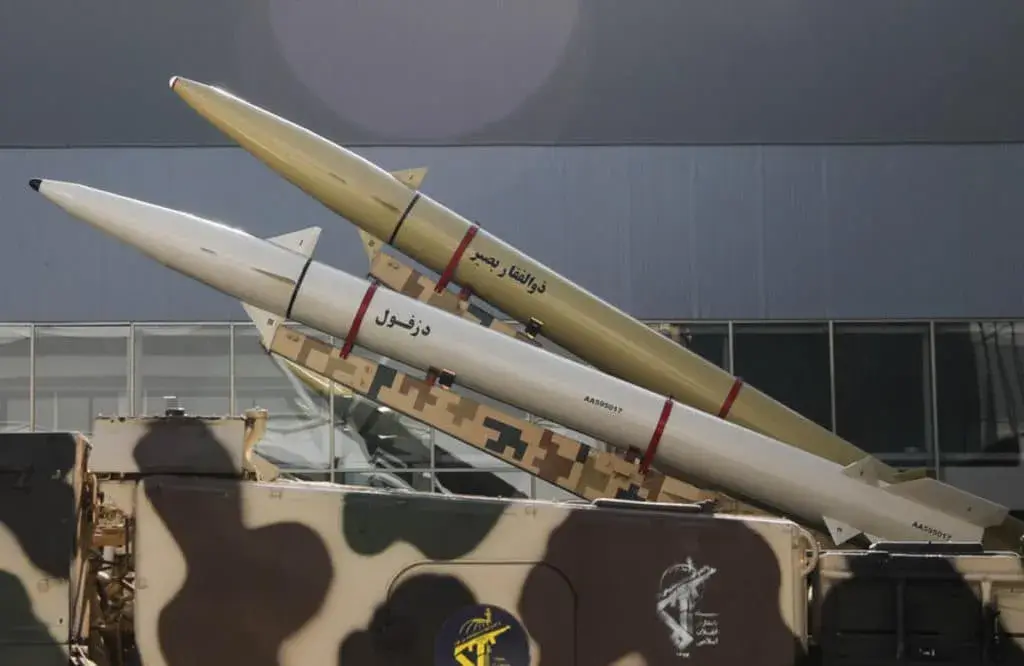
Zolfaghar Basir reach
This ballistic missile significantly extends Iran's naval strike capability with a reported range of 700 kilometres. It is equipped with an optical seeker head, allowing it to hit moving targets at sea with greater precision. Its mobile launch system makes it hard to track before firing.
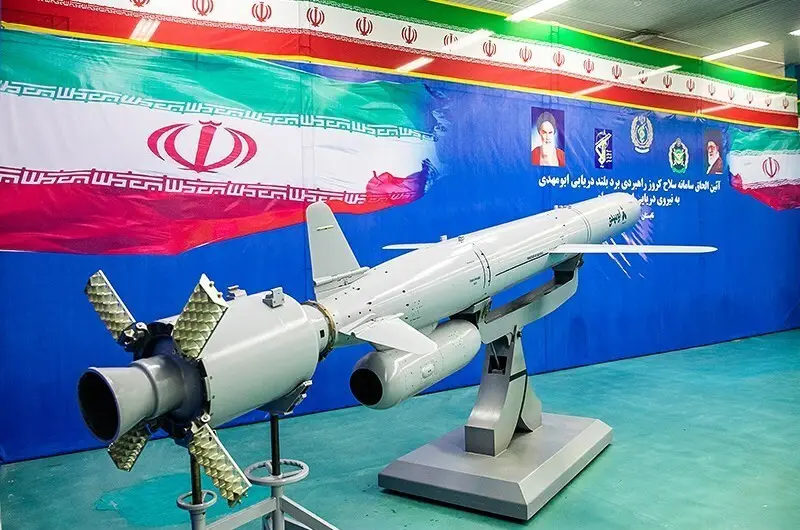
Abu Mahdi cruise missile
The Abu Mahdi is a long-range cruise missile capable of striking targets over 1,000 kilometres away. It uses artificial intelligence to alter its flight path and fly at low altitudes, skimming the sea surface. This range allows Iran to threaten vessels far beyond the Persian Gulf.
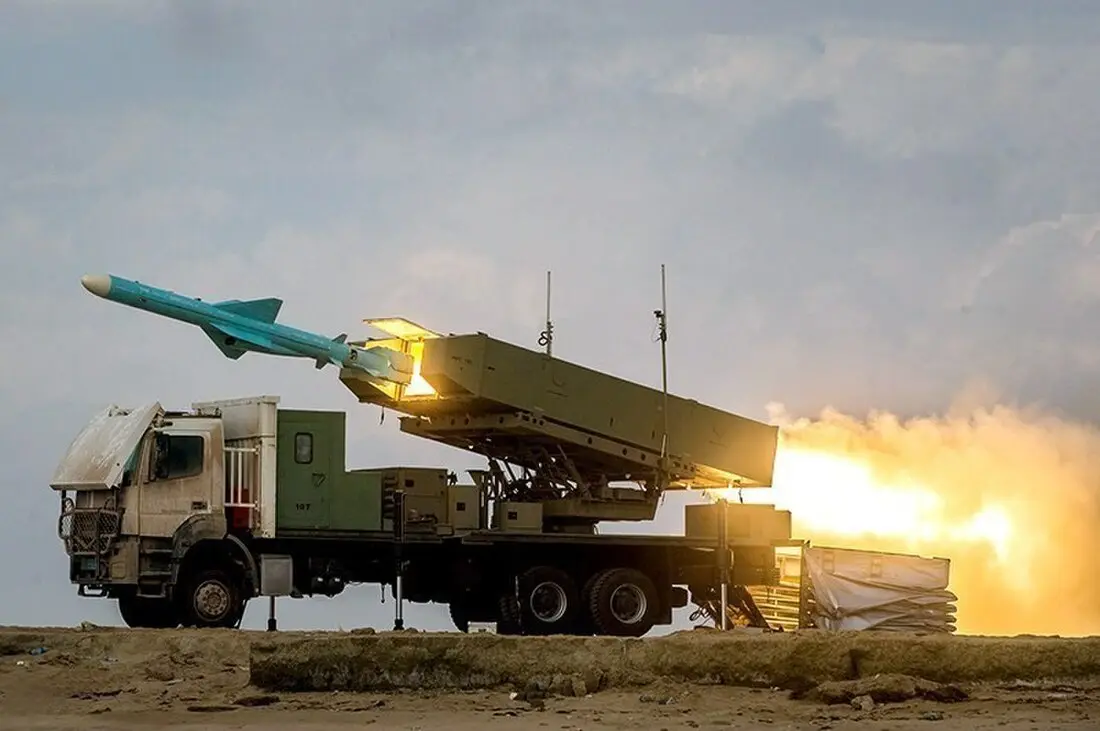
Noor and Qader systems
The Noor and Qader are the backbone of Iran's coastal defence, with ranges of 120 kilometres and 300 kilometres respectively. These cruise missiles are often truck-mounted or deployed on small naval vessels. They rely on radar guidance to lock onto ships in the final stage of flight.
High-speed boat launchers
Iran mounts many of its shorter-range missiles on fast attack craft and speedboats. These small, agile vessels can swarm larger enemy ships, firing missiles from multiple directions simultaneously. This tactic aims to overwhelm a warship's defensive systems through sheer volume of fire.

Supersonic vs subsonic
The arsenal mixes physics to defeat defences. Ballistic missiles like the Khalij Fars use sheer speed and kinetic energy to penetrate hulls. Meanwhile, cruise missiles like the Qader fly at subsonic speeds but stay metres above the water, hiding below the horizon to avoid early radar detection.

Strategic Hormuz threat
These missile systems give Iran the physical capability to threaten traffic in the Strait of Hormuz. By placing mobile launchers along its coastline and islands, Tehran can cover the entire width of this vital oil shipping lane, creating a high-risk zone for commercial and military vessels.
)
)
)
)
)