'Iran vs leftist hate': Why did Cole Tomas Allen attack Trump's dinner?

Was it a state-sponsored hit from Tehran, or the violent result of domestic radicalization? Dive into the intense FBI investigation working to uncover why 31-year-old Cole Tomas Allen launched a heavily armed assault on Donald Trump's dinner.
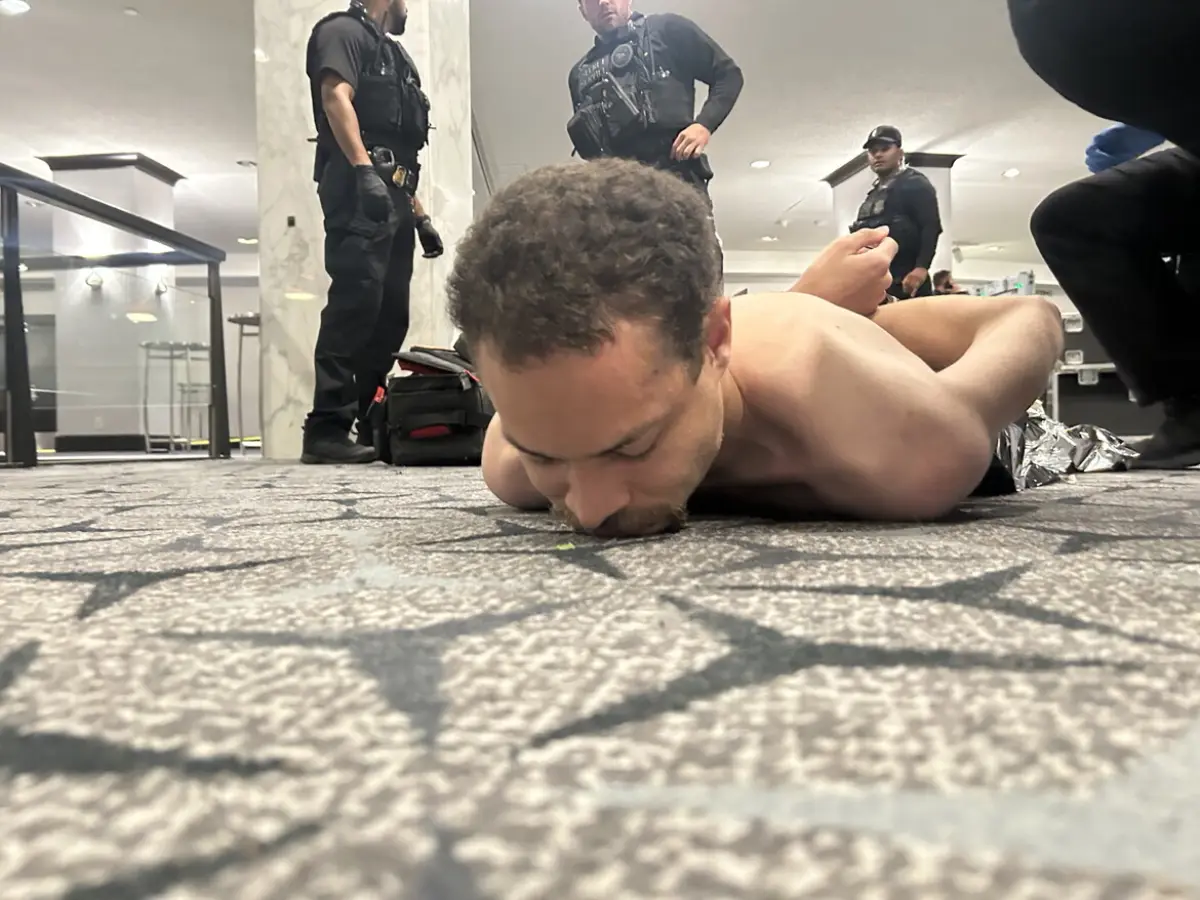
The Search for a Motive
Following the chaotic April 25 shooting at the White House Correspondents' Dinner, federal investigators are facing the ultimate question: Why? 31-year-old Cole Tomas Allen, armed with a shotgun and knives, attempted to breach the security perimeter where President Donald Trump was dining. The FBI is now frantically piecing together his digital and physical life to uncover the truth.
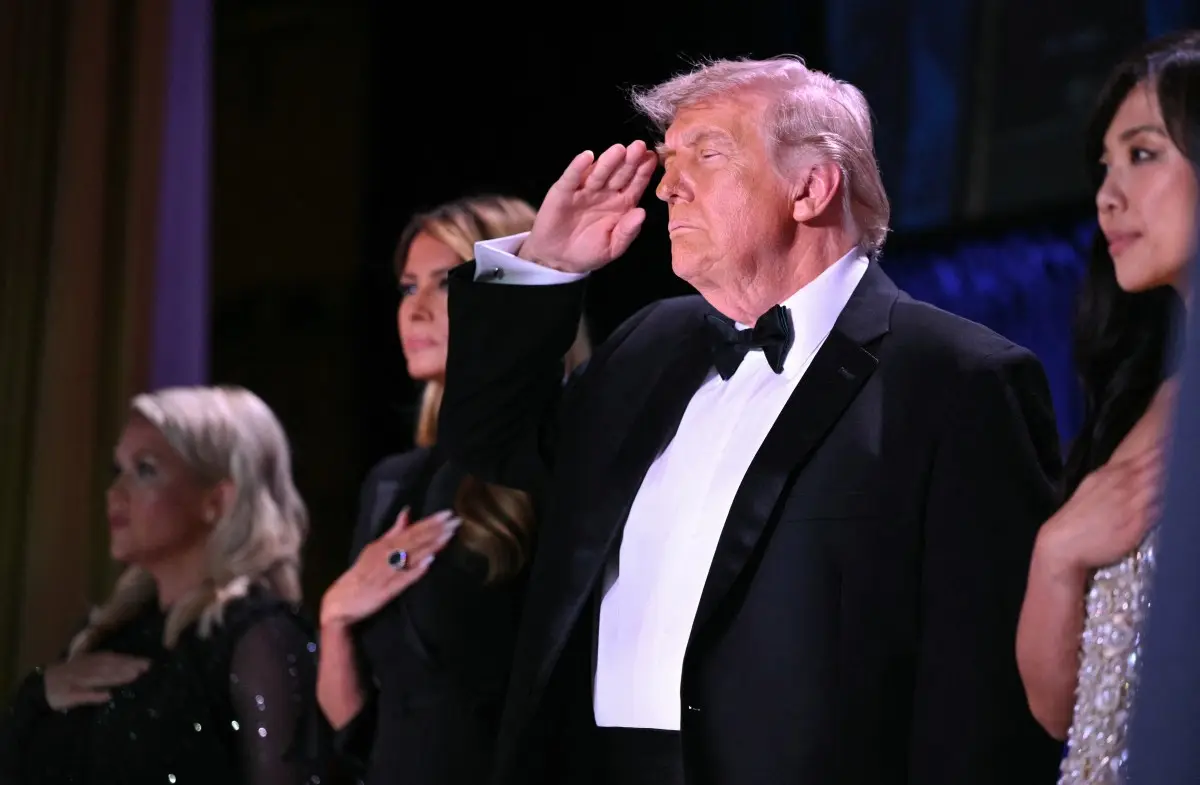
The Iranian Retaliation Theory
One of the most alarming theories being investigated is state-sponsored terrorism. It is no secret that the Iranian government has repeatedly issued threats against Donald Trump and members of his former administration in retaliation for the 2020 assassination of Qasem Soleimani. Intelligence agencies are intensely probing whether Allen had any financial or communication ties to Tehran.
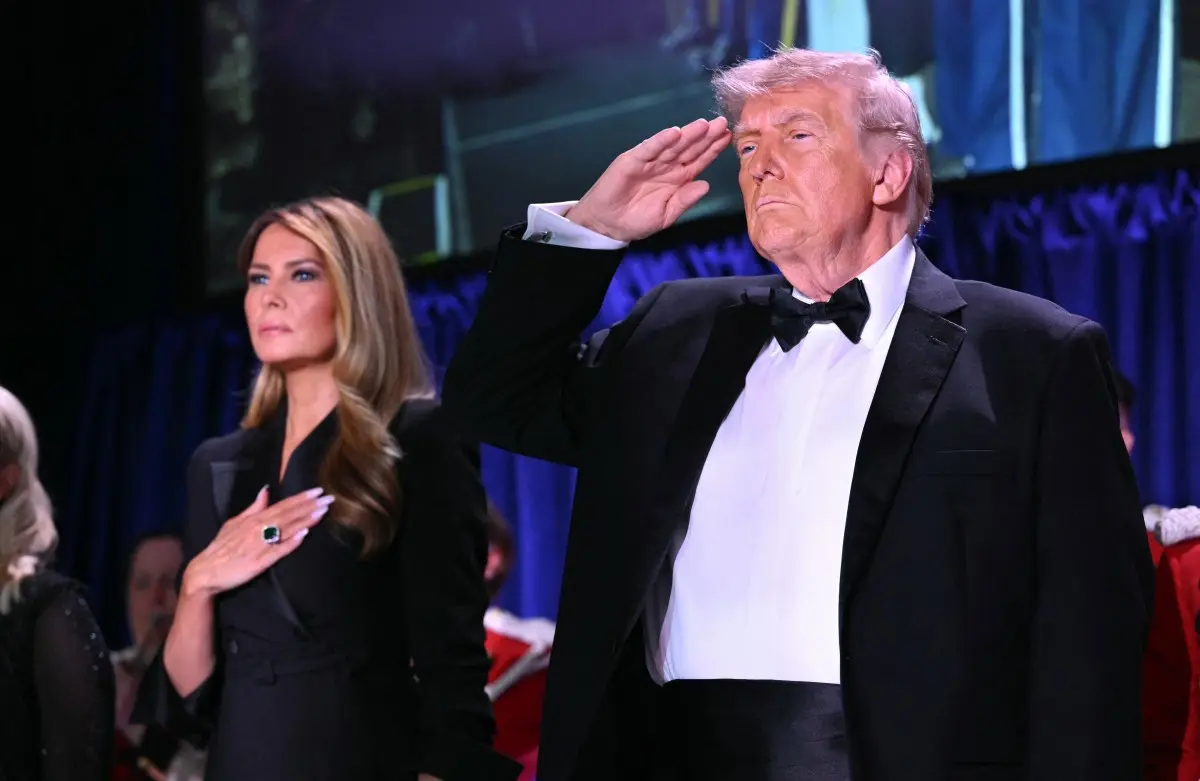
The Domestic Radicalization Angle
The second leading theory focuses closer to home: domestic political extremism. Given the highly polarized climate of American politics, investigators are examining whether Allen was driven by virulent anti-Trump rhetoric. A deep dive into his social media, browser history, and personal associations is underway to see if he was radicalized by extreme leftist hate groups.
A 'Lone Wolf' or Part of a Cell?
In his initial press conference, President Trump described the attacker as a ‘lone wolf.’ However, federal authorities are leaving nothing to chance. Even if Allen executed the attack alone, investigators must determine if he was groomed, funded, or logistically supported by a shadow network, whether foreign or domestic.
Tearing Apart the Digital Footprint
To find the answer, the FBI's cyber division is currently dismantling Allen's digital life. Agents are recovering encrypted messages, scouring alt-tech forums, analyzing cryptocurrency wallets, and tracking his GPS history. In modern terrorism investigations, a suspect's smartphone often provides the clearest roadmap to their psychological state and political allegiances.
The Threat of 'Stochastic Terrorism'
If the Iranian connection is ruled out, the focus will shift heavily to ‘stochastic terrorism’—the idea that heated political rhetoric and media demonization can predictably inspire unstable individuals to commit acts of violence. Analysts are debating whether the constant framing of Trump as an existential threat may have served as the catalyst for Allen's heavily armed assault.
A Nation on Edge
Until a definitive motive is established, the informational vacuum is being filled with intense partisan speculation. The answer to why Cole Tomas Allen launched his attack will have massive geopolitical or domestic consequences. Whether it points to foreign interference or a dangerous escalation of American political violence, the fallout will be historic.
)
)
)
)
)