'Iran vs Israel': How will Israel defend itself against Iran's low-cost Shahed-136 drone swarms?

Israel counters Iran’s low-cost Shahed-136 drone swarms using a sophisticated multi-layered defence network. The strategy combines the Iron Dome, fighter jets, electronic jamming, and the new Iron Beam laser system. While the drones are cheap, Israel’s focus is on closing the cost gap.
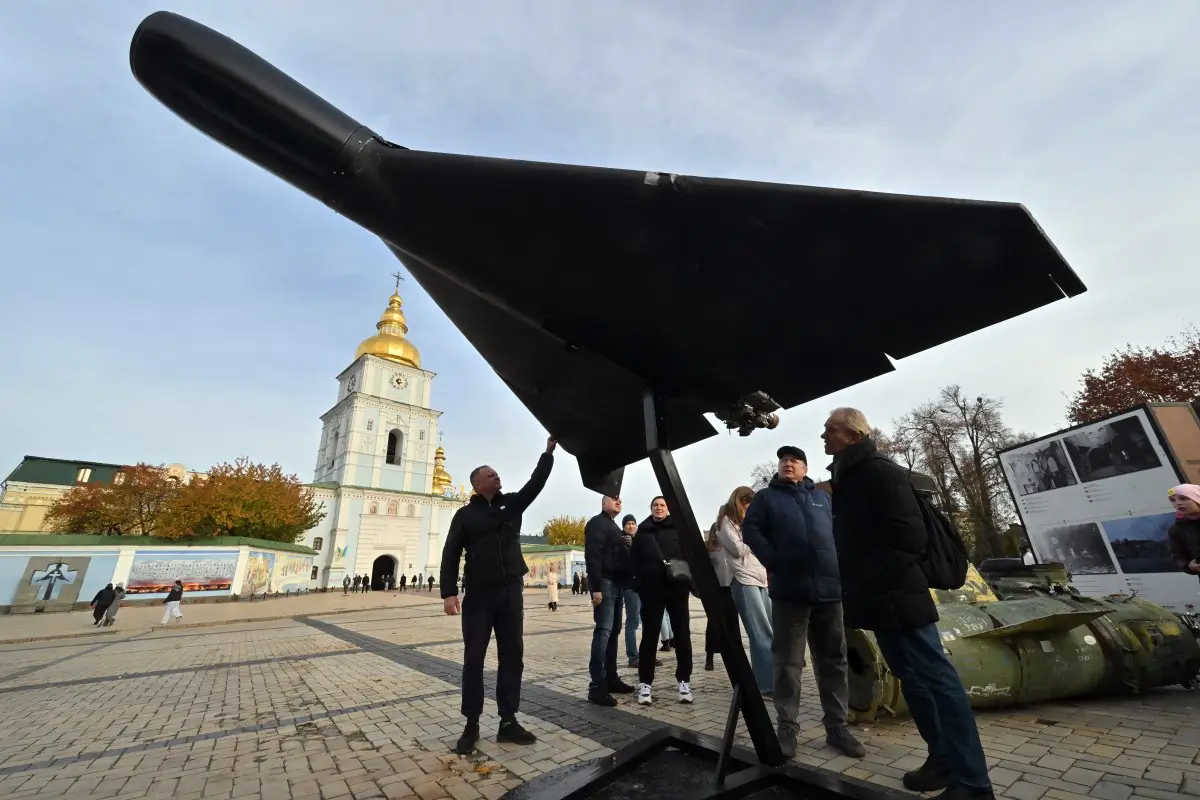
The Shahed-136 Threat
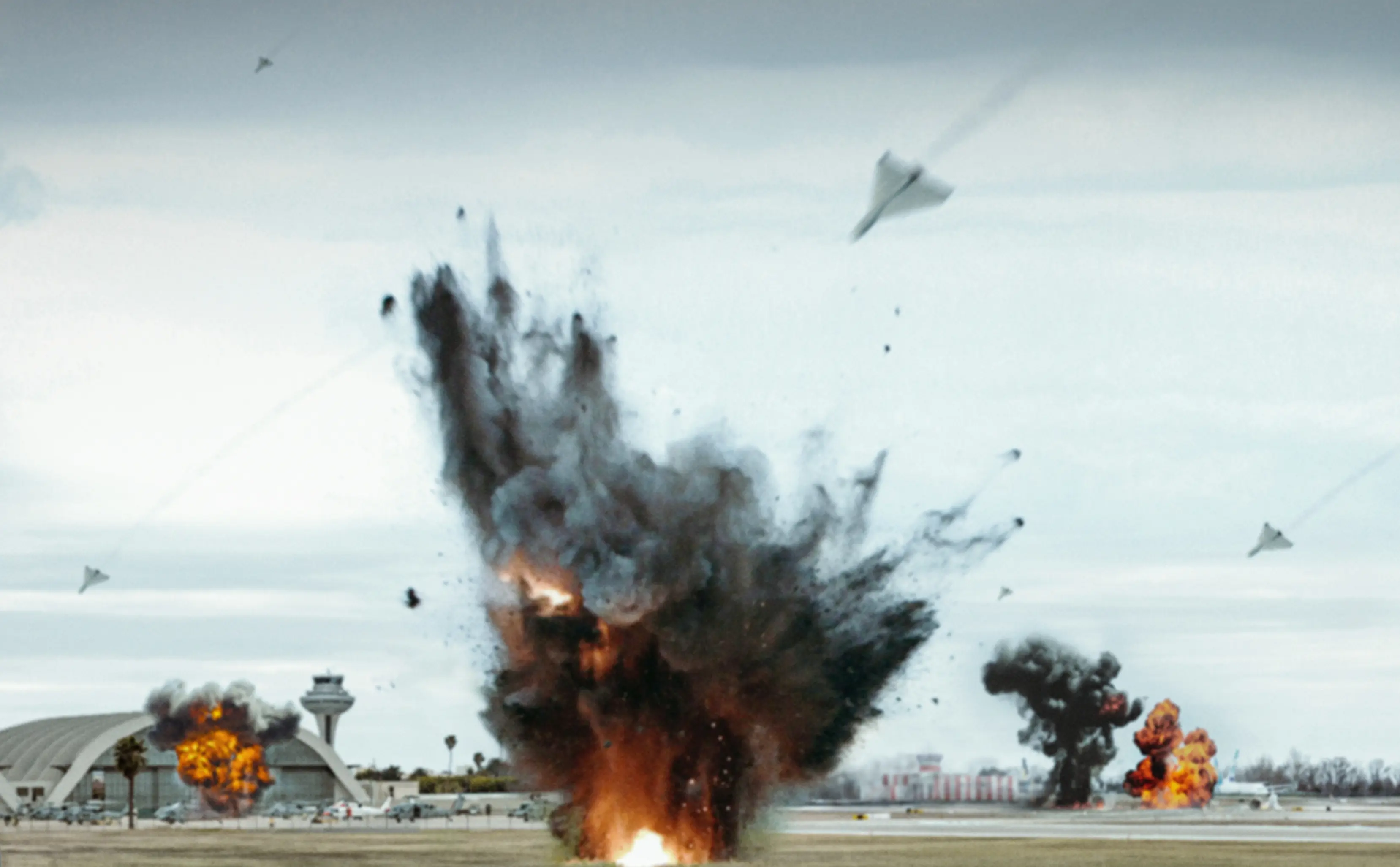
Iran’s Shahed-136 is a delta-wing loitering munition designed to crash into targets with a warhead weighing roughly 30 to 50 kilogrammes. These drones are relatively slow, flying at about 185 km/h, but their danger lies in numbers. They are cheap to produce, estimated at $20,000 to $50,000 each, allowing adversaries to launch them in massive swarms that can overwhelm traditional radar and defence batteries.
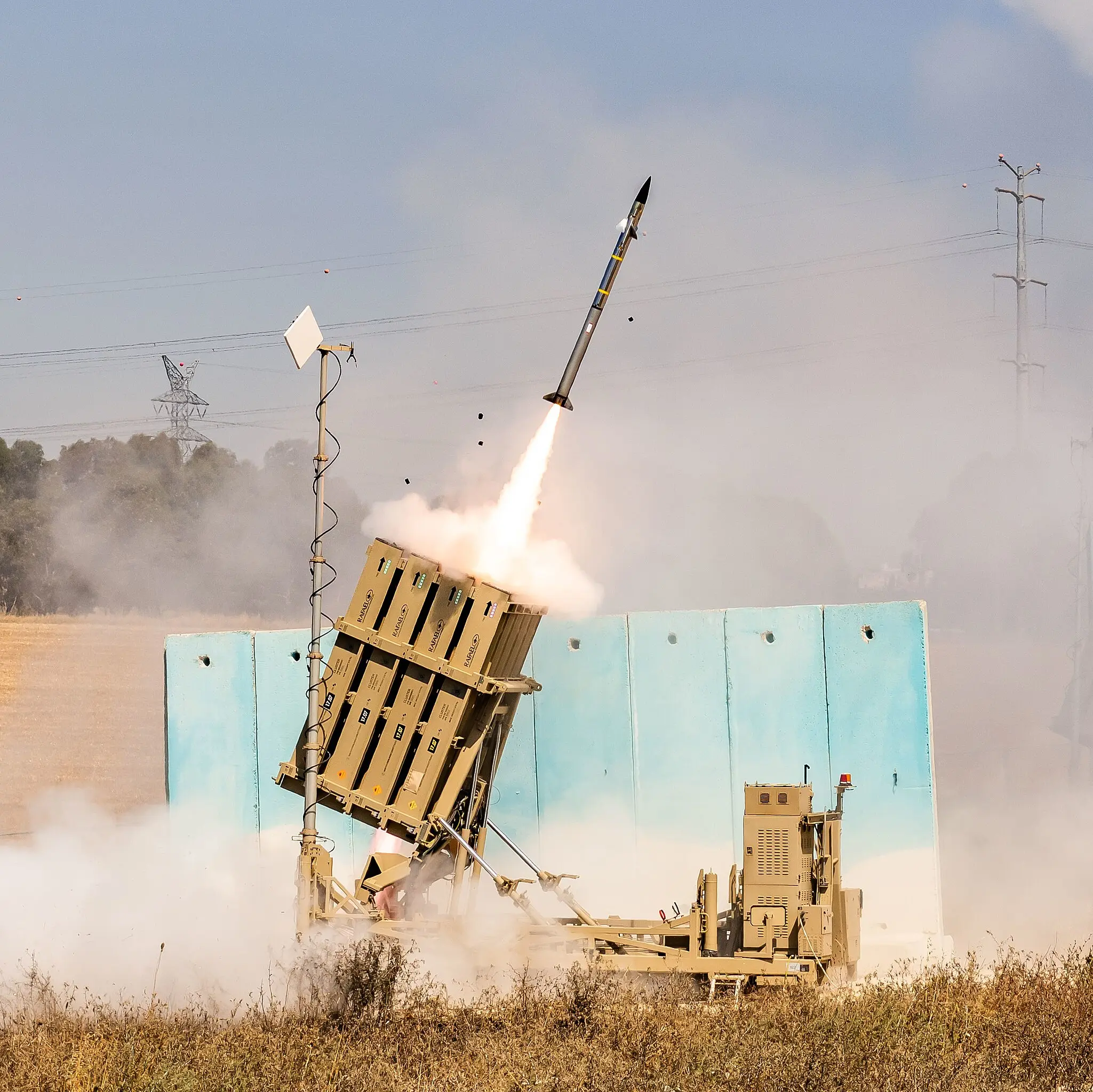
Iron Dome’s Role
Israel’s famous Iron Dome is the primary short-range defence against rockets and drones. It uses radar to track incoming threats and fires Tamir interceptor missiles to destroy them. While highly effective with a success rate exceeding 90 per cent, the system faces an economic hurdle. Each Tamir missile costs approximately $40,000 to $50,000, making it significantly more expensive than the cheap drones it destroys.
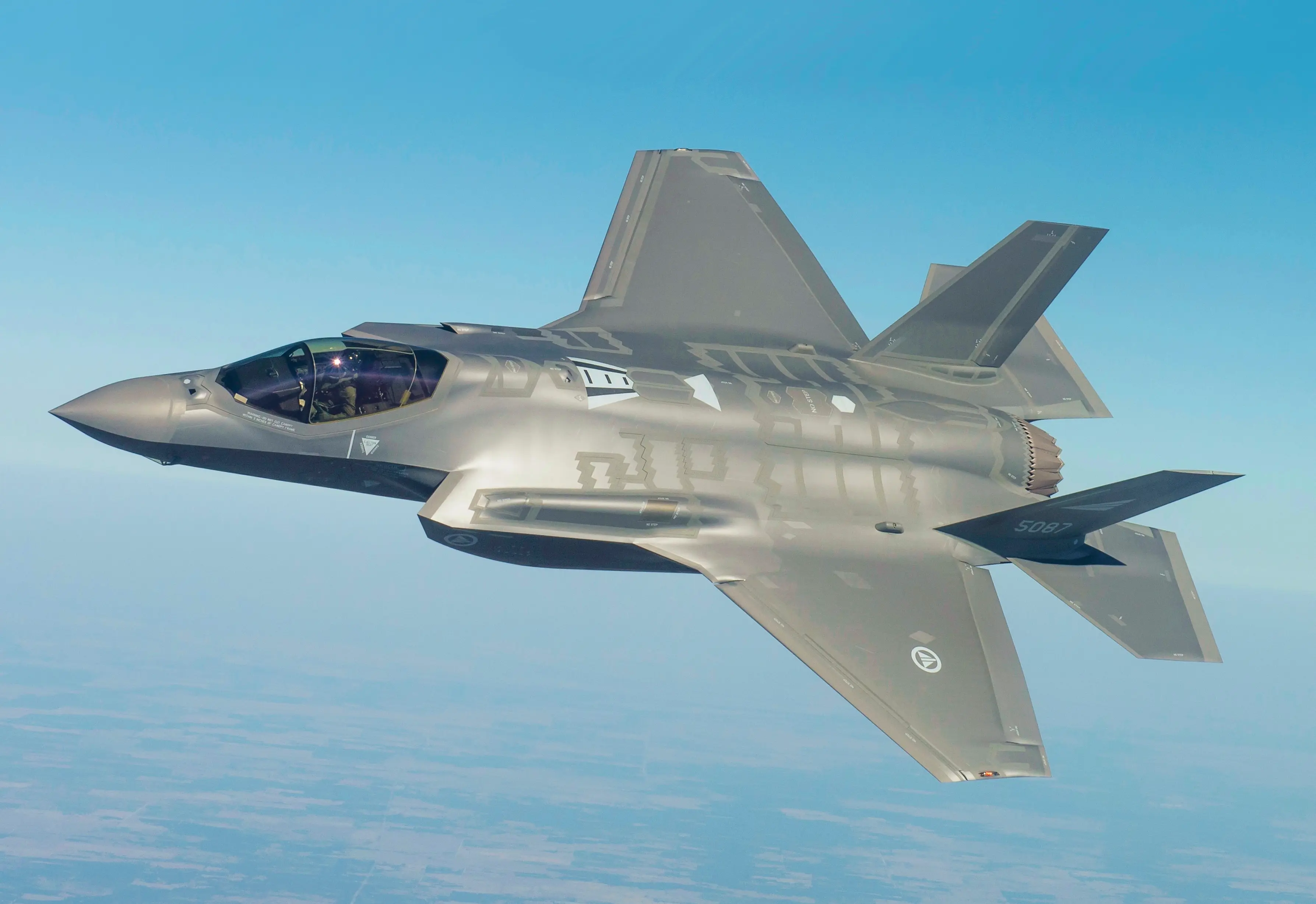
Fighter Jet Patrols
For threats detected early or outside Israeli airspace, the Air Force deploys F-15, F-16, and F-35 fighter jets. These aircraft can engage drones using air-to-air missiles or onboard cannons before they reach populated areas. While effective, keeping jets in the air is costly in terms of fuel and maintenance, and using advanced missiles against cheap drones further widens the cost asymmetry.
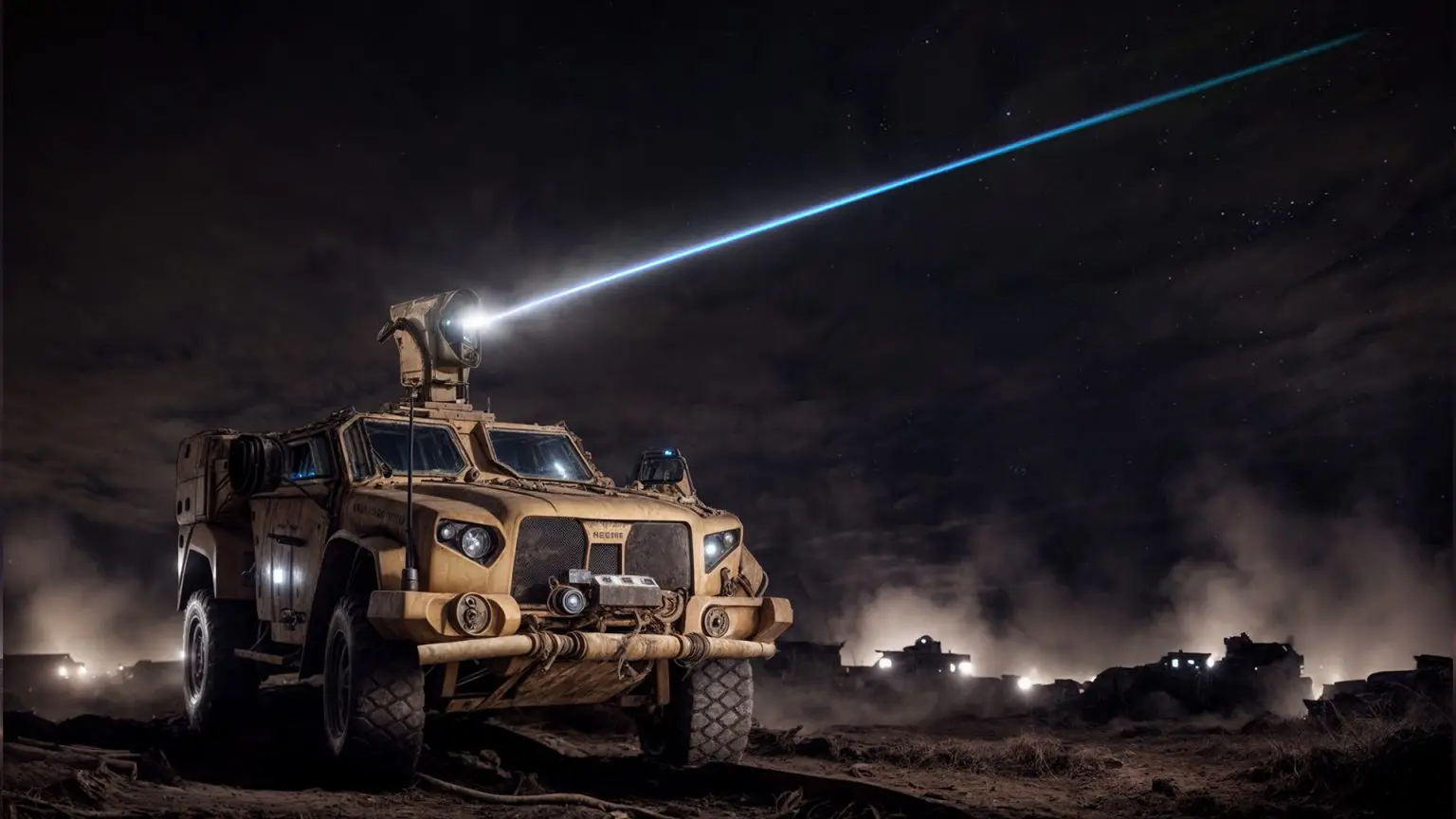
The Iron Beam
Israel is accelerating the deployment of 'Iron Beam', a high-energy laser weapon system. Designed to complement the Iron Dome, this system directs a powerful laser beam to heat and destroy incoming drones or rockets in seconds. The key advantage is cost; each interception is estimated to cost just a few dollars, providing a virtually unlimited magazine as long as there is power.
Electronic Warfare Tactics
Beyond kinetic interception, Israel employs advanced electronic warfare (EW) systems to disrupt drone operations. Since the Shahed-136 relies on commercial GPS for navigation, Israeli forces can jam or spoof satellite signals, causing the drones to veer off course or crash harmlessly. This 'soft kill' method is a cost-effective way to neutralise threats without firing a single missile.
David’s Sling Backup
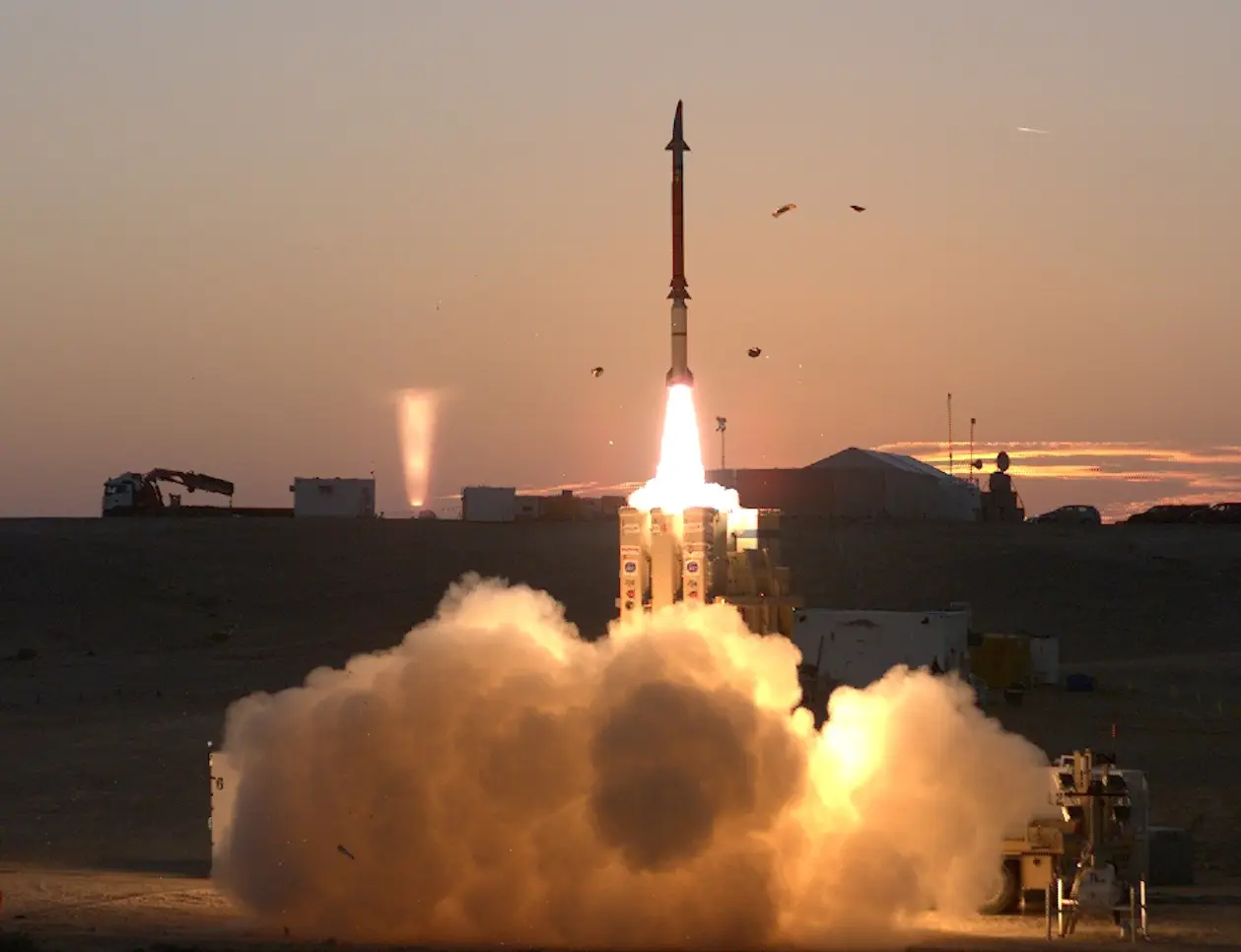
David’s Sling is a medium-to-long-range air defence system designed primarily for cruise missiles and heavy rockets. While its Stunner interceptors are extremely advanced and expensive - costing roughly $1 million each - the system can be used against large drones if they manage to bypass the outer layers of defence. However, due to the high cost, it is reserved for only the most critical threats.

The Economic War
A major part of the strategy is managing the financial cost of defence. If Iran launches a swarm of 100 drones costing $2 million in total, Israel could spend tens of millions of dollars intercepting them with traditional missiles. This economic imbalance forces Israel to adopt cheaper solutions like lasers and machine guns to ensure they do not deplete their stockpiles of expensive interceptors during a prolonged conflict.

Machine Gun Defence
To provide a final layer of protection against low-flying drones that might leak through the missile shield, Israel can use radar-guided cannon systems or heavy machine guns. These kinetic solutions are far cheaper than missiles and can create a wall of lead to shred fragile drone airframes. This tactic is reminiscent of World War II anti-aircraft fire but modernised with precision targeting.

International Coalition Support
Israel does not fight alone; allies like the United States, the UK, and neighbouring countries often assist in tracking and intercepting drones. During massive attacks, allied naval vessels and fighter jets stationed in the region can shoot down a significant number of drones over international waters. This shared defence burden helps preserve Israel’s own interceptor stocks for threats closer to home.

Future of Air Defence
As drone swarms become smarter and more autonomous, Israel continues to evolve its defence network. The integration of Artificial Intelligence allows systems to prioritise targets instantly and select the most efficient weapon - laser, missile, or jammer - for each specific threat. This continuous adaptation aims to maintain a defensive edge against the evolving tactics of Iranian proxies.
)

)
)
)