‘Iran vs Israel’: Can Israel’s Iron Dome stop Iran’s Kheibar and Sejil missiles?

Israel’s Iron Dome might not be capable of stopping Iran’s Kheibar and Sejil ballistic missiles, which fly at Mach 12–16. The task of defence falls to the Arrow 3 and Arrow 2 systems, designed for space and high-altitude interception
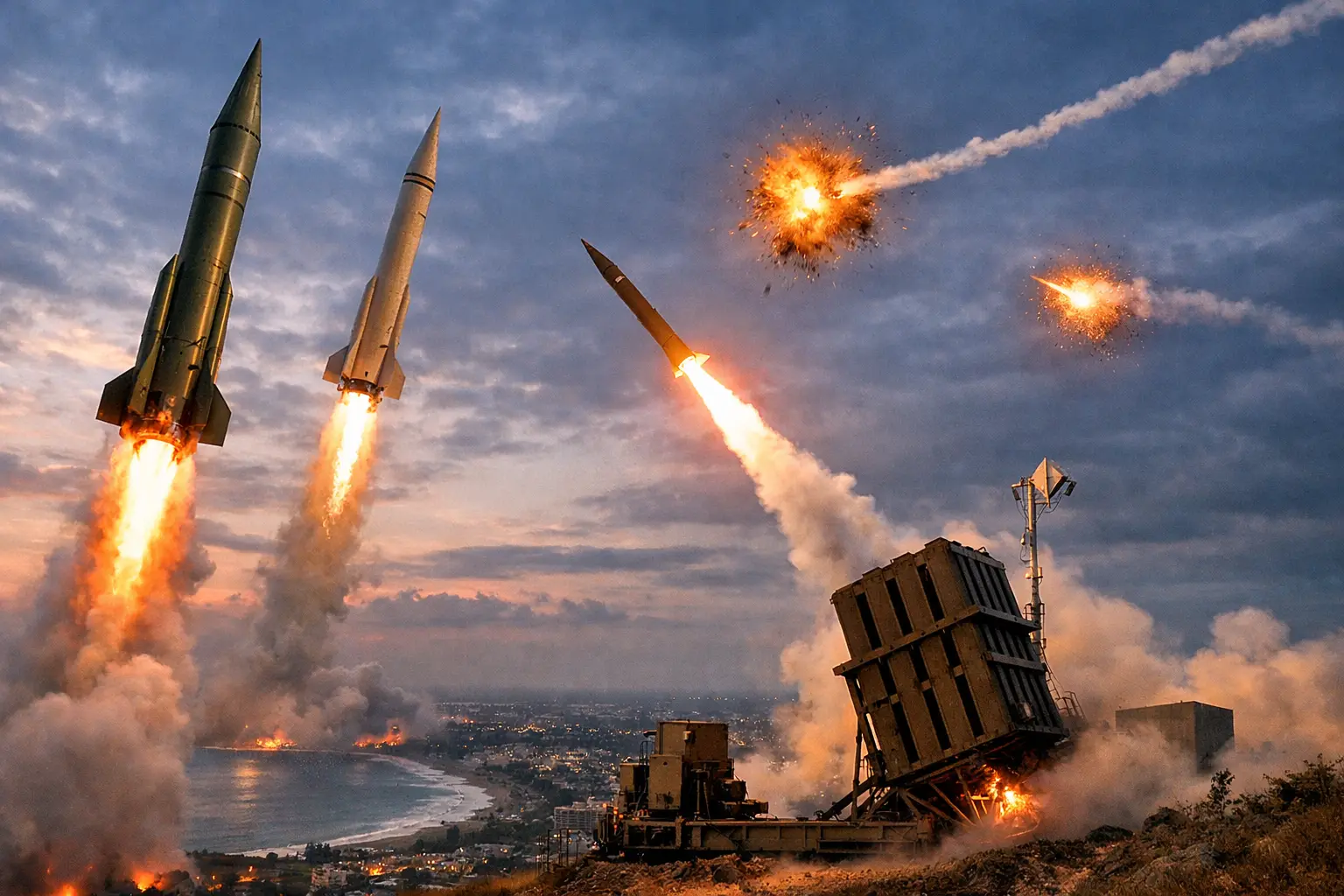
The Missile Match-up Iran’s Long-Range Arsenal
Iran possesses a vast stockpile of ballistic missiles capable of reaching Israel, including the advanced Sejil and Kheibar models. These weapons travel thousands of kilometres, challenging even the most sophisticated air defence networks in the world.
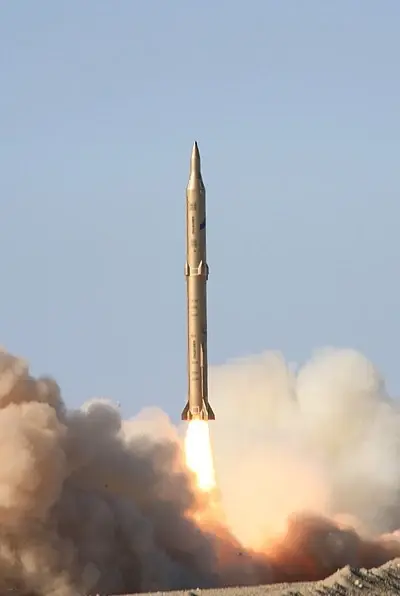
The Sejil Missile Speed and Solid Fuel
The Sejil is a two-stage, solid-fuel missile with a range of 2,000 to 2,500 kilometres, capable of reaching Tel Aviv in under ten minutes. It flies at hypersonic speeds of Mach 12 to 14 upon re-entry, leaving defence systems with very little time to react.
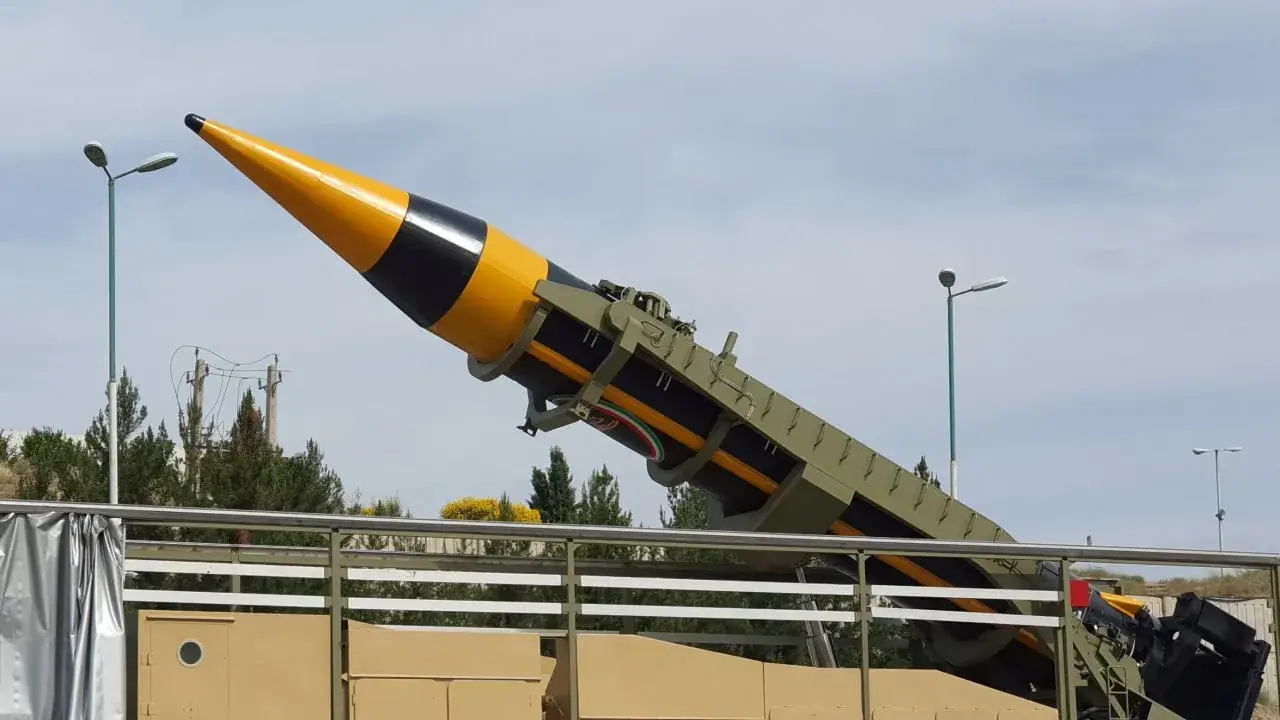
The Kheibar Missile Heavy Payload Threat
Also known as the Khorramshahr-4, the Kheibar is a liquid-fuel missile with a range of 2,000 kilometres and a massive 1,500 kg warhead. It boasts exceptional speed, reportedly reaching Mach 16 outside the atmosphere and Mach 8 within it, making interception difficult
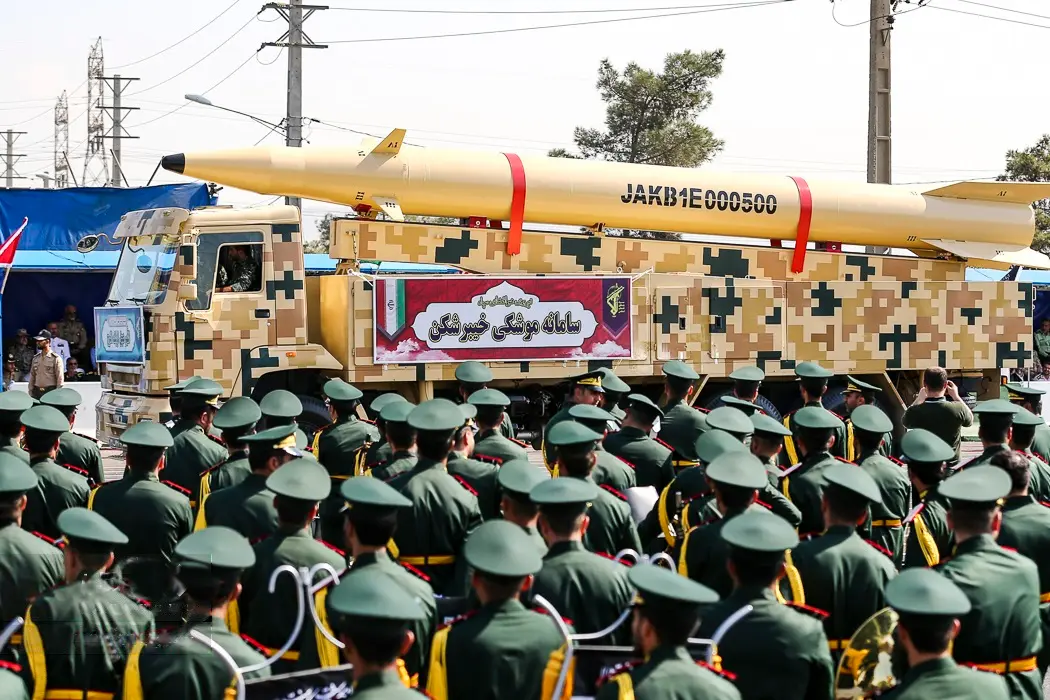
Kheibar Shekan Maneuverable Warhead
Distinct from the heavy Kheibar, the 'Kheibar Shekan' is a solid-fuel tactical missile with a range of 1,450 kilometres. Its defining feature is a maneuverable re-entry vehicle (MaRV) designed to 'zigzag' and dodge interceptors in the final stage of flight.
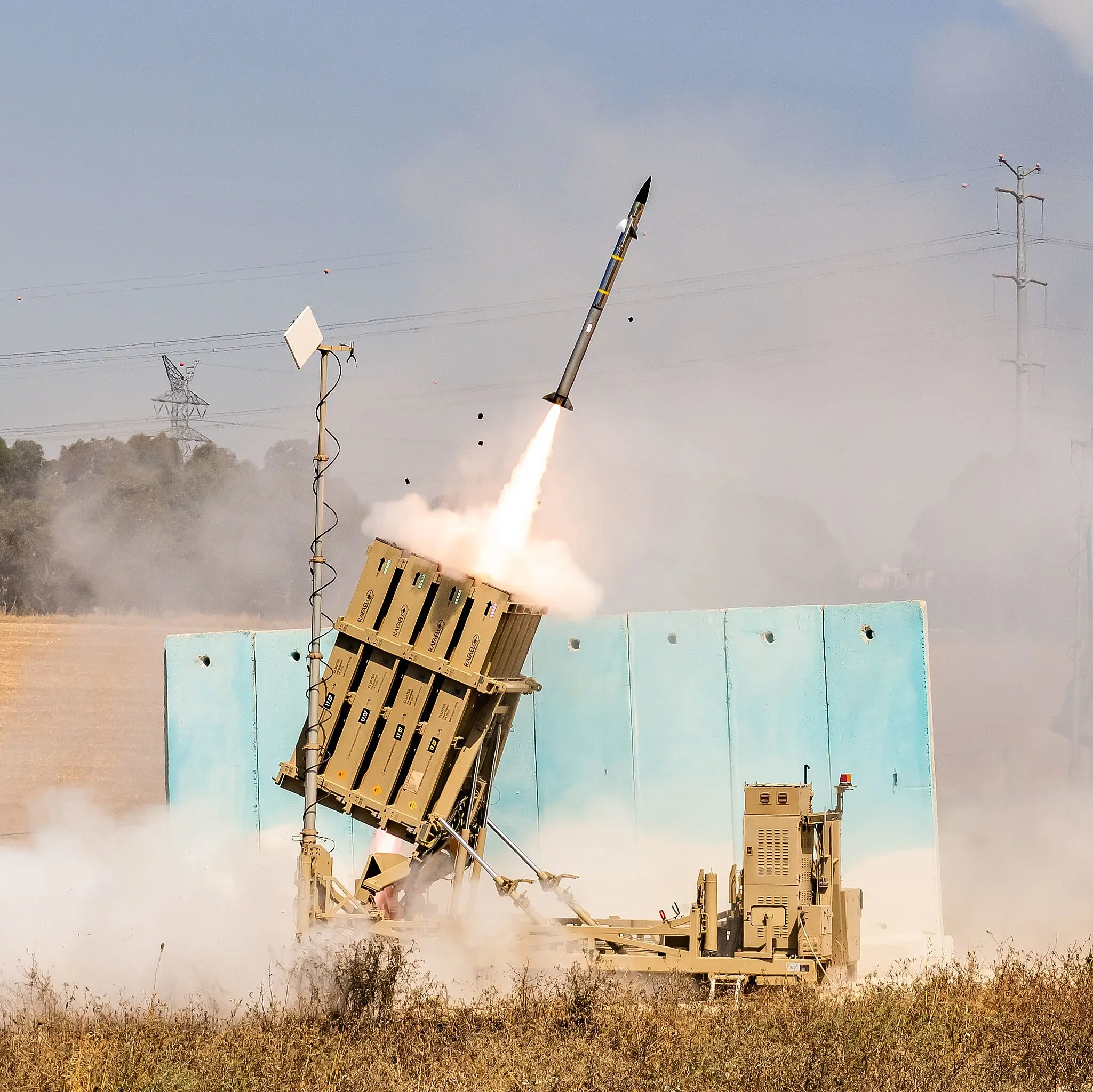
Iron Dome’s Limit Not Built for Ballistics
The Iron Dome is designed to intercept short-range rockets and artillery shells fired from 4 to 70 kilometres away, not long-range ballistic missiles. While it may act as a last resort, it might not be capable of effectively countering high-speed threats like the Sejil or Kheibar.
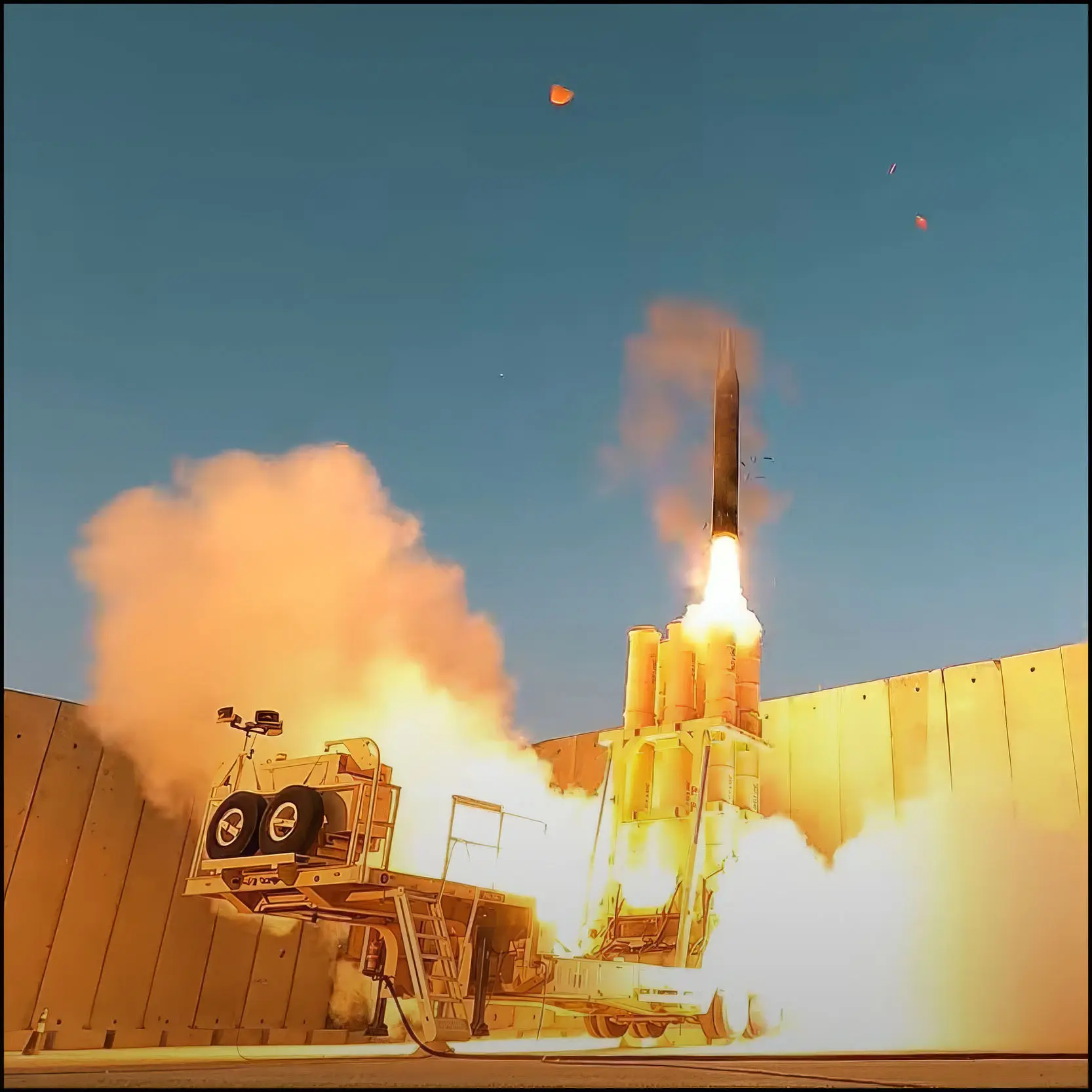
The Real Shield: Arrow 3 Space Interception
Israel’s primary defence against long-range threats is the Arrow 3 system, which engages missiles outside the Earth’s atmosphere. It uses 'hit-to-kill' technology to destroy ballistic warheads in space before they can threaten populated areas.
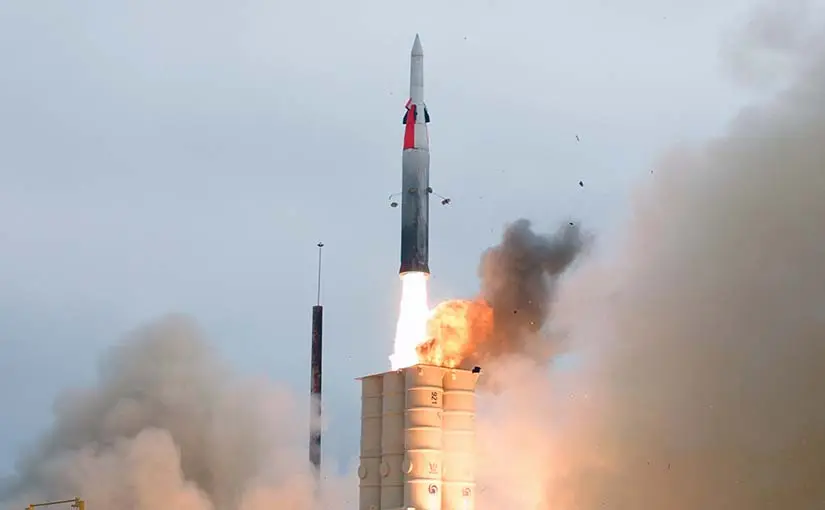
The Backup: Arrow 2 High-Altitude Defence
Working alongside Arrow 3, the Arrow 2 system intercepts missiles within the upper atmosphere. It is designed to neutralize ballistic threats that might slip through the outer exo-atmospheric layer, providing a critical second chance for interception.
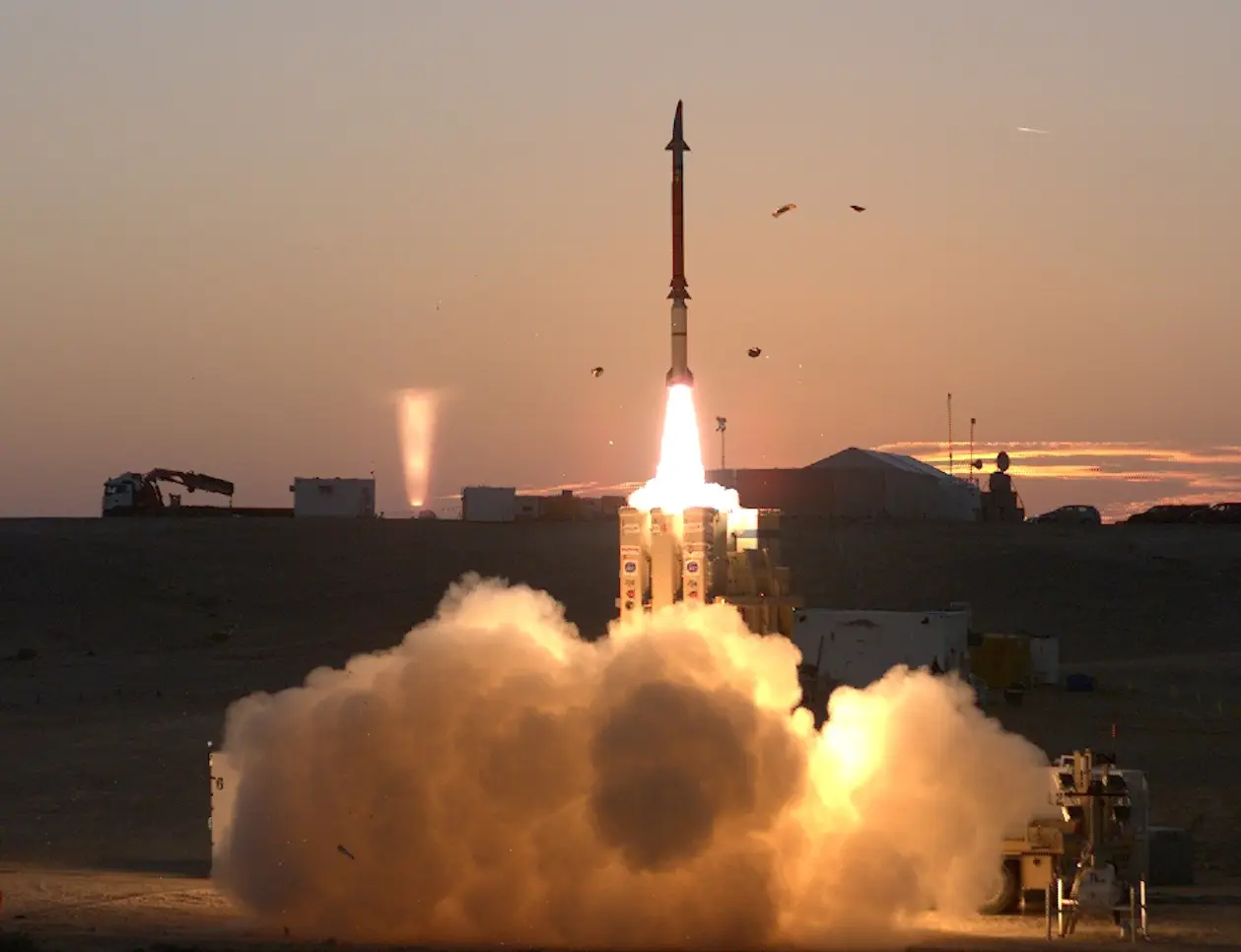
David’s Sling The Middle Layer
Positioned between the Iron Dome and Arrow systems, David’s Sling handles medium-to-long-range threats from 40 to 300 kilometres. It can intercept tactical ballistic missiles and cruise missiles, adding a vital layer of protection against maneuverable threats.
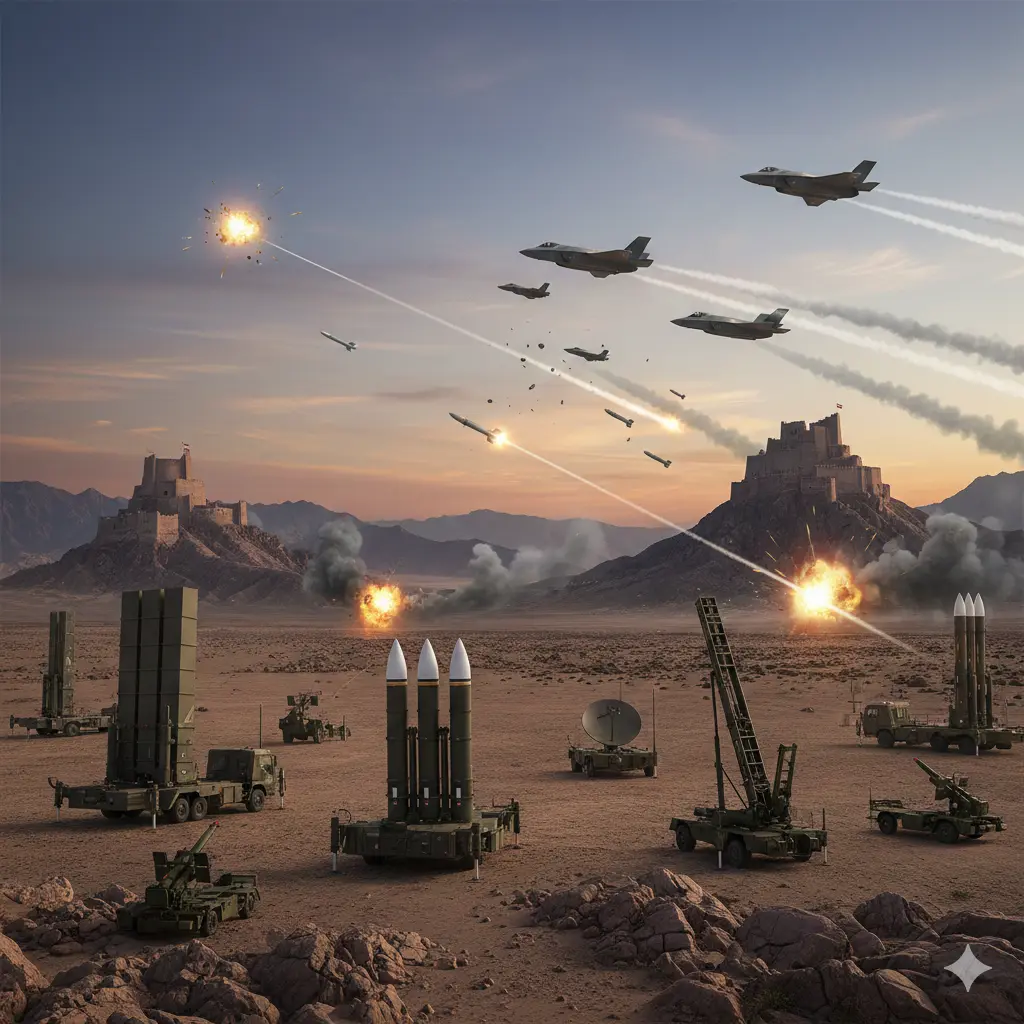
The Saturation Risk Overwhelming the Shield
The main danger is not just missile quality but quantity; a simultaneous launch of hundreds of missiles could overwhelm Israel's interceptor inventory. If the number of incoming threats exceeds the available Arrow and David's Sling interceptors, some warheads could penetrate the shield.

The Verdict A Multi-Layered Game
Stopping Iran’s Kheibar and Sejil missiles falls to the Arrow 2 and Arrow 3 systems. These high-altitude interceptors form the true strategic umbrella protecting Israel from long-range ballistic attacks.

)
)

)