'Iran vs Israel': Are Israel’s naval warships capable of defending themselves like USS Abraham Lincoln can in case of war?

Israel’s Sa’ar 6 corvettes use advanced C-Dome and Barak 8 systems to defend against missiles. While highly capable, they lack the depth of a US Carrier Strike Group. The US Navy uses a multi-ship Aegis shield, whereas Israel relies on high-tech self-defence.
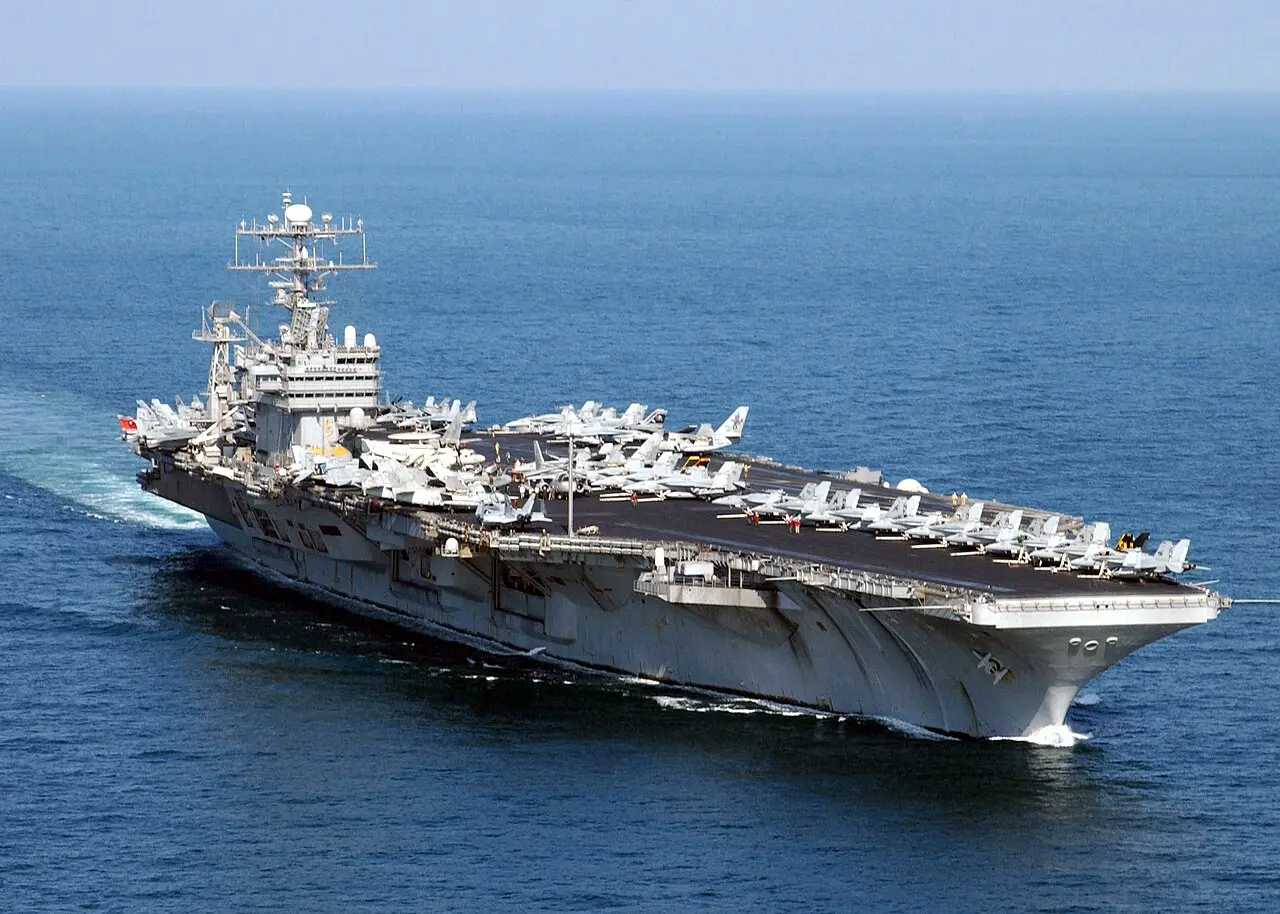
The Core Comparison
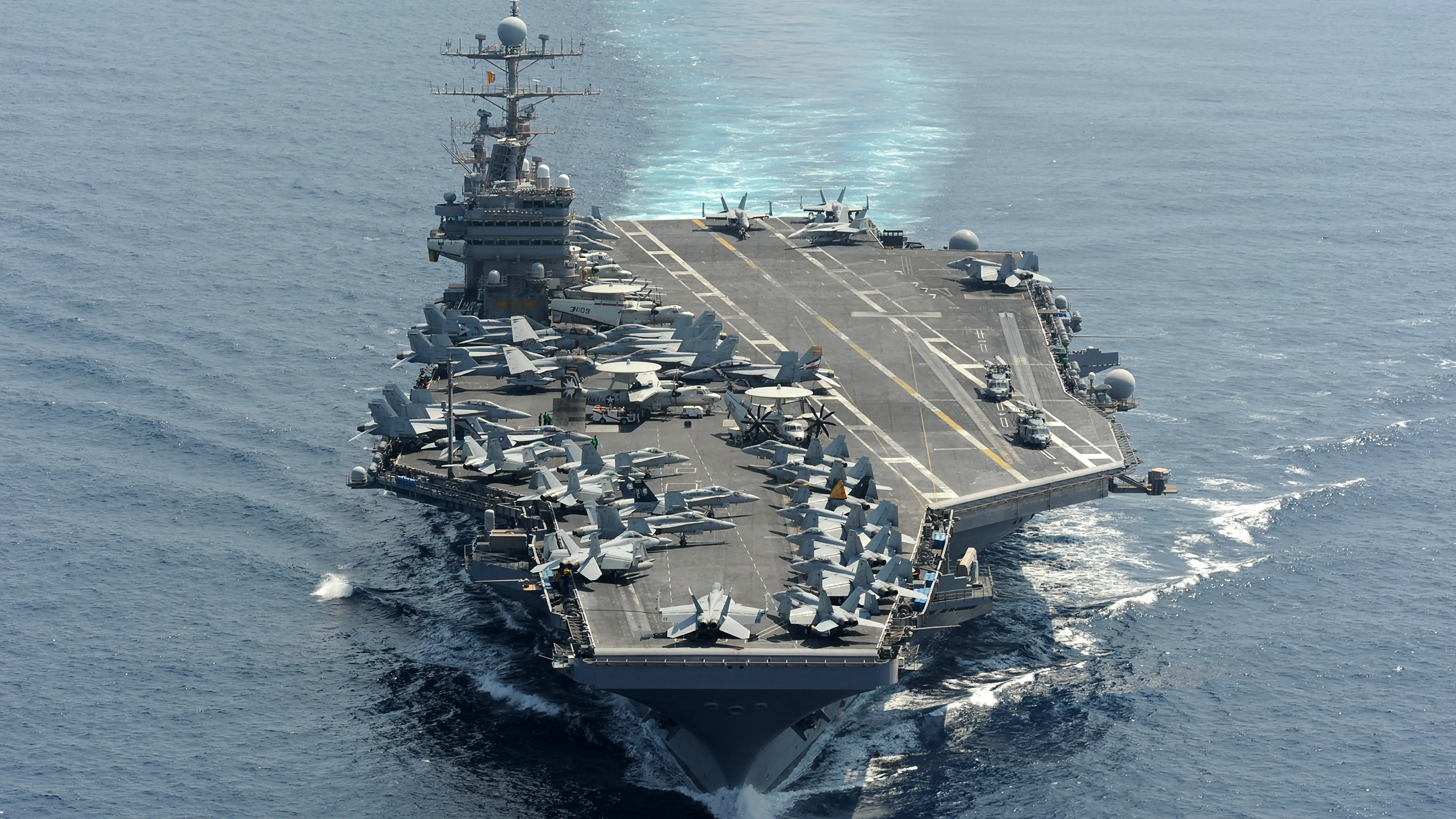
The USS Abraham Lincoln operates as a floating airbase protected by a fleet of destroyers, while Israel’s navy relies on smaller, high-tech vessels. The question is whether Israel’s compact ships can withstand the same saturation of missile fire that a US Carrier Strike Group can repel during a full-scale conflict.
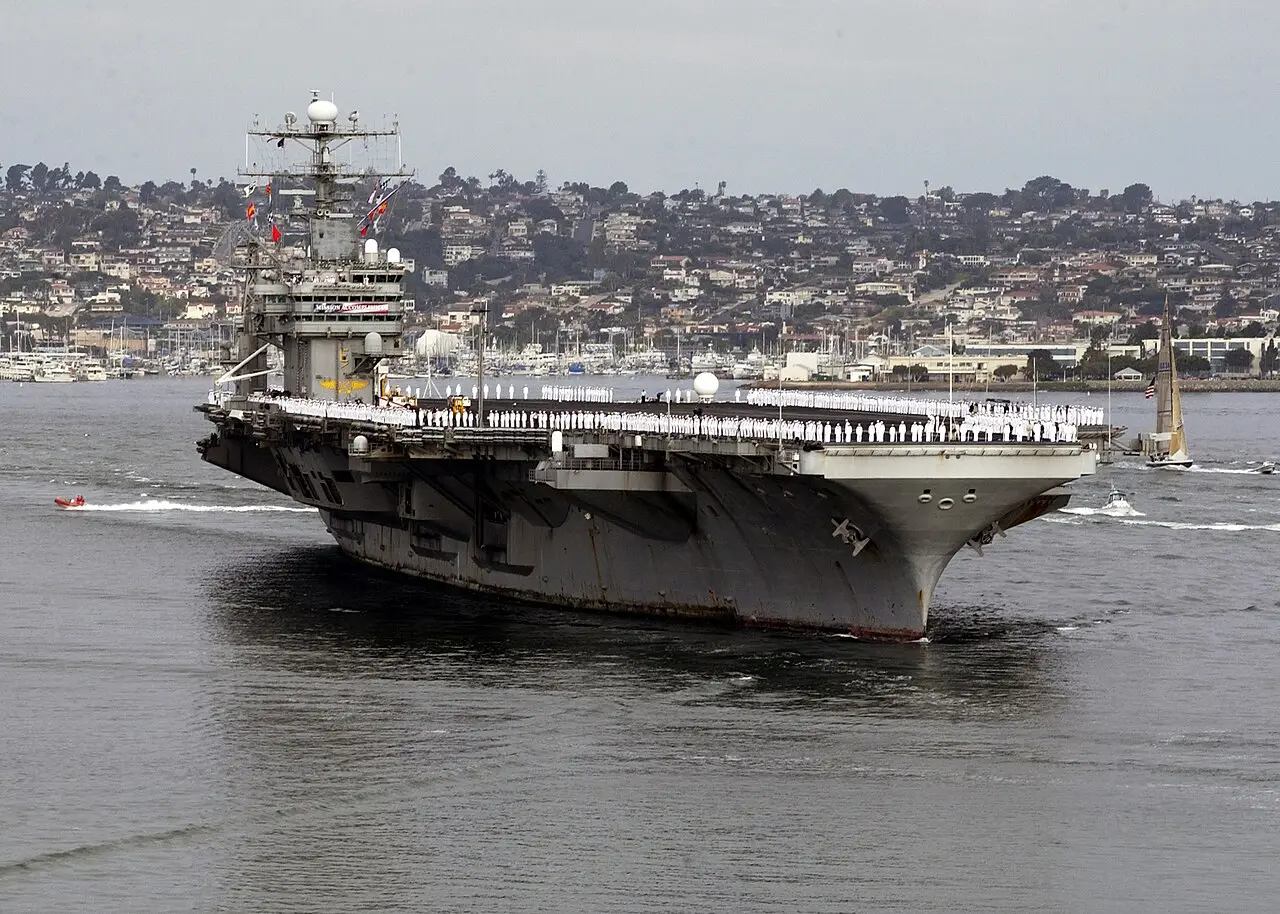
US Defence Layer
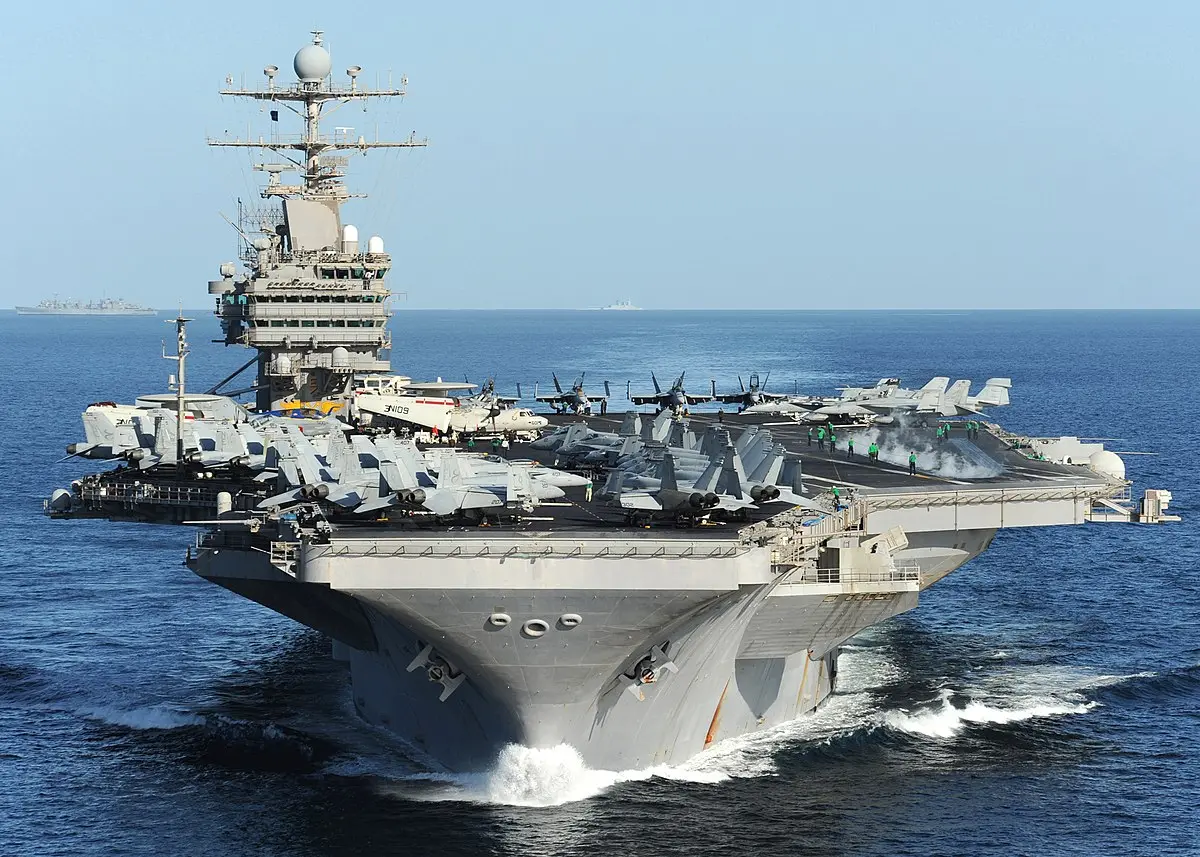
The USS Abraham Lincoln does not fight alone; it is surrounded by cruisers and destroyers equipped with the Aegis Combat System. These escort ships create a defensive perimeter of hundreds of kilometres, shooting down threats long before they reach the carrier. This multi-ship 'shield' is the gold standard of naval defence.
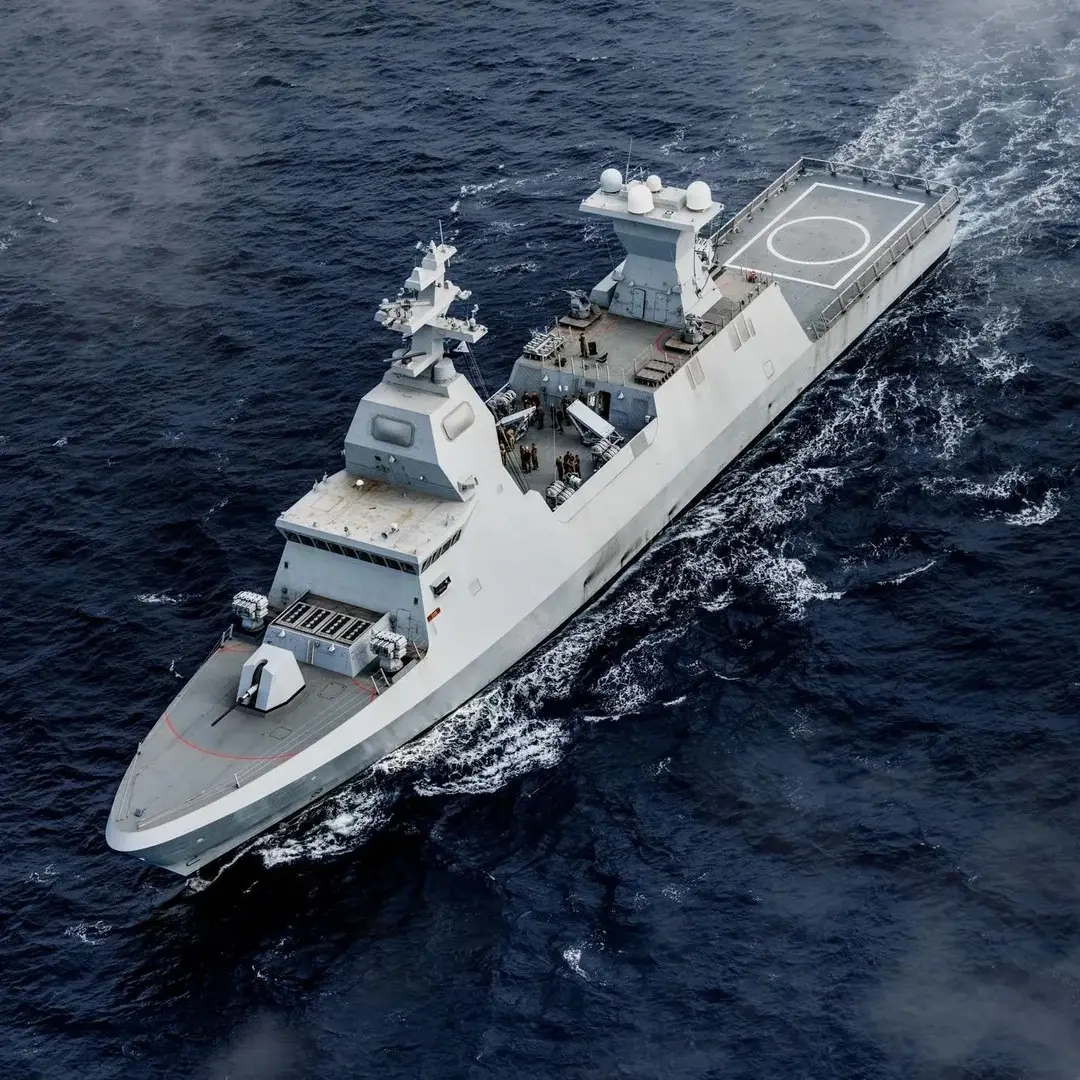
Israel’s Sa’ar 6
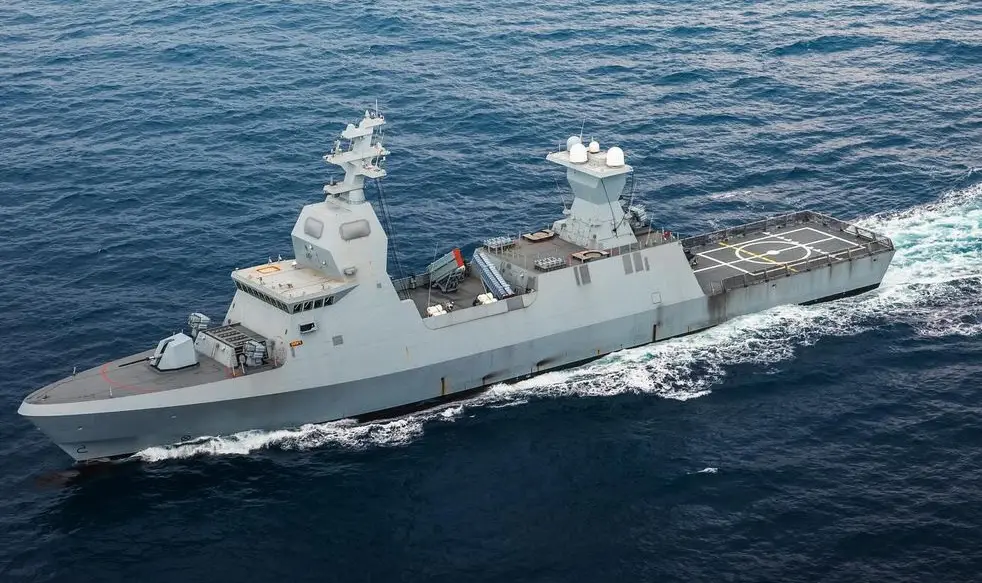
Israel’s primary naval asset is the Sa’ar 6 corvette, which displaces about 1,900 tonnes compared to a US carrier’s 100,000 tonnes. Despite their small size, these German-built ships are packed with sensors and weaponry, designed specifically to protect vital offshore gas rigs from Hezbollah and Iranian projectiles.
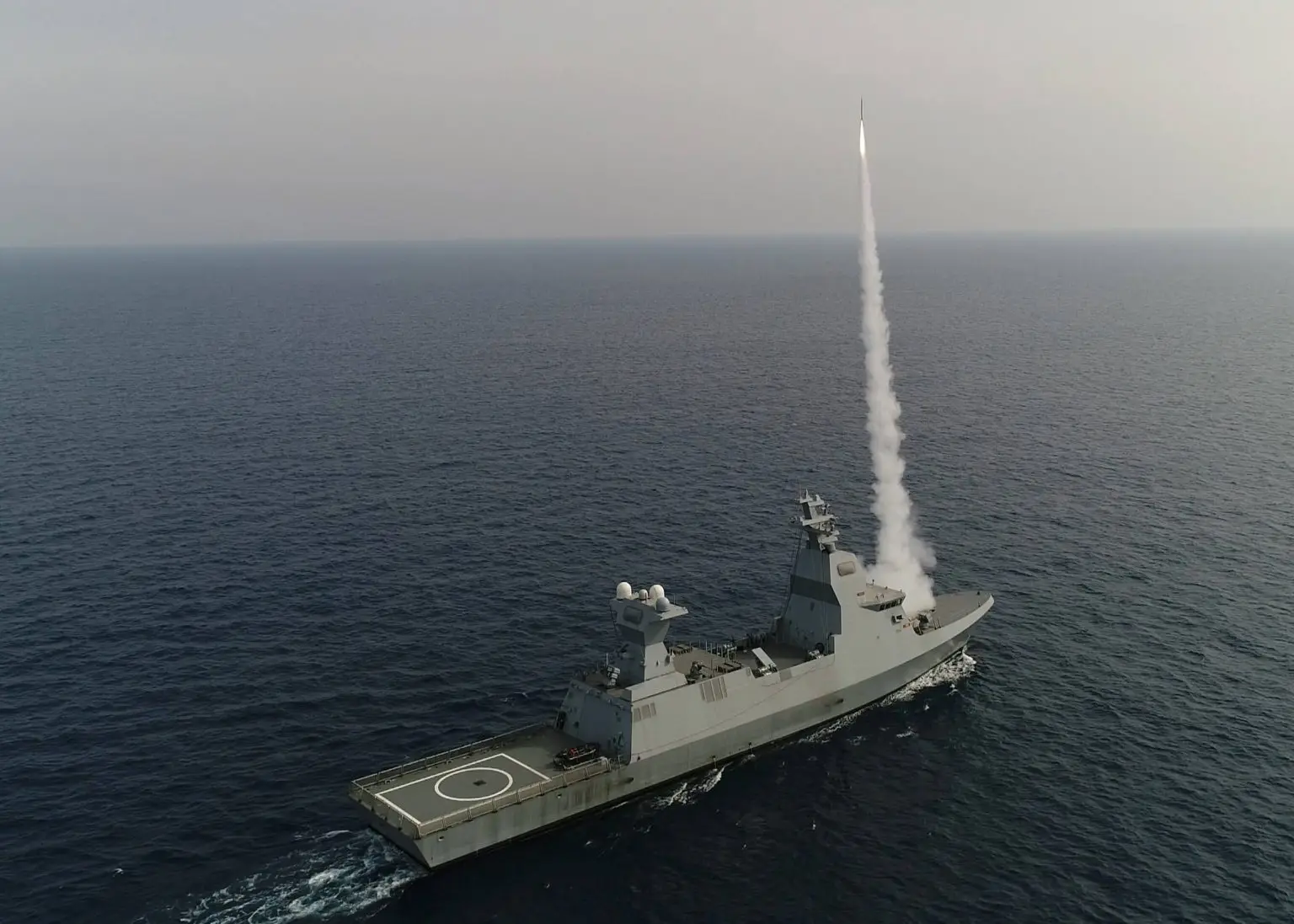
Iron Dome at Sea
The Sa’ar 6 is equipped with the C-Dome, the naval adaptation of the land-based Iron Dome. This system is the ship's primary defense against "saturation attacks"—where an enemy fires a large volume of low-cost projectiles at once.
Long Range Interception
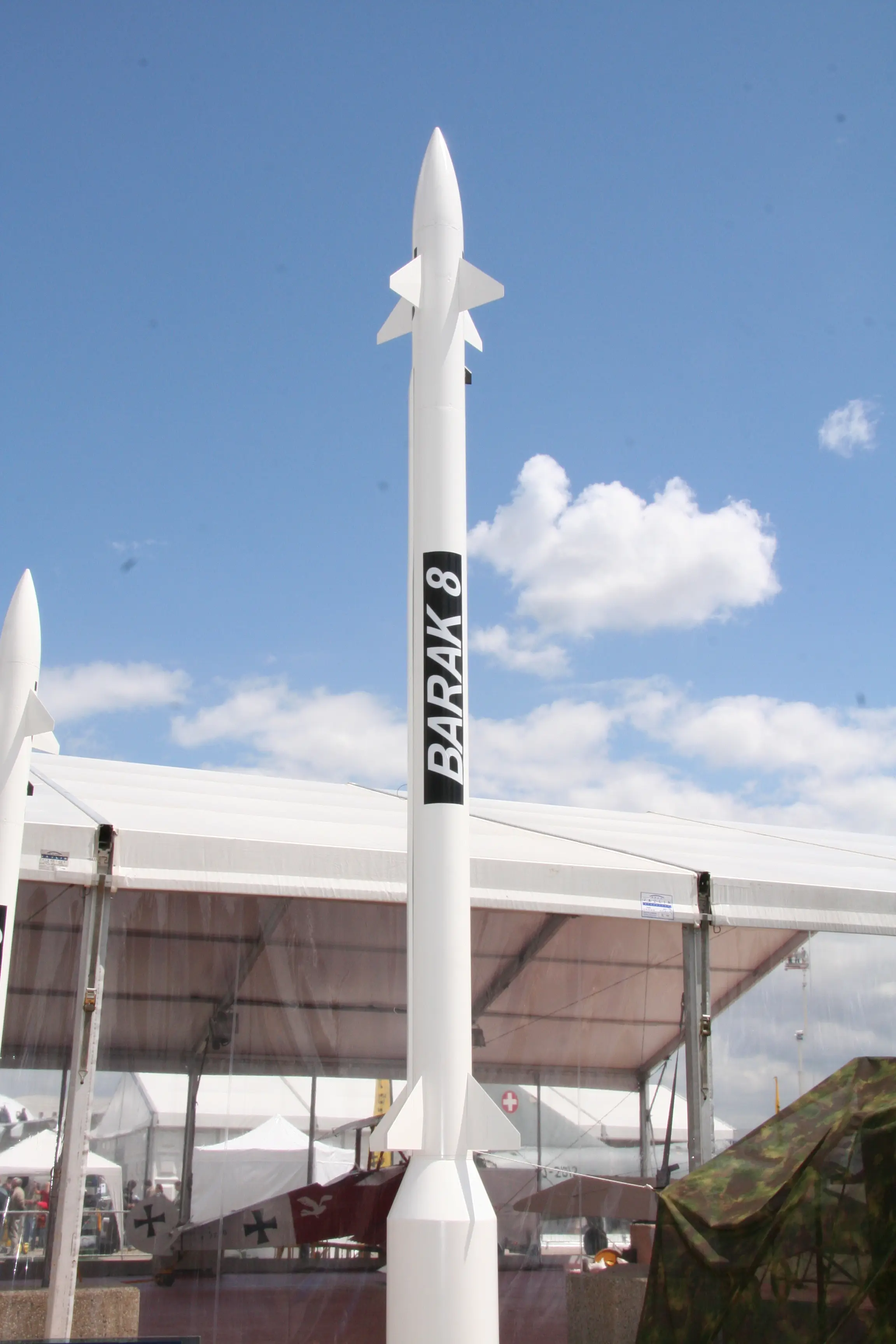
For threats further away, Israeli ships use the Barak 8 missile system, which can intercept cruise missiles and aircraft up to 70-100 kilometres away. This system is highly advanced and capable of handling multiple incoming targets simultaneously, giving the corvette a robust self-defence capability similar to larger destroyers.
The Radar Advantage
Israel uses the MF-STAR radar on its warships, which is often compared to the US Navy’s SPY-1 Aegis radar. This digital radar can track hundreds of targets at once, from sea-skimming missiles to high-flying aircraft, ensuring that the ship’s defensive weapons are directed with extreme precision.

Solo vs Group
Unlike the USS Abraham Lincoln, which travels with a strike group, Israeli ships often operate independently or in small pairs. This means a single Sa’ar 6 must rely entirely on its own onboard systems for survival, lacking the mutual support and deep magazines of a full American naval task force.
Capacity for Fire
A US Carrier Strike Group carries hundreds of defensive missiles across multiple ships, allowing it to sustain a long battle. An Israeli corvette carries a limited number of interceptors; once depleted, the ship becomes vulnerable. This capacity difference is the biggest gap between the two navies in a prolonged war.
Electronic Warfare
Both navies rely heavily on electronic warfare to jam enemy radar and confuse incoming missiles. Israel is a global leader in this technology, and its ships are fitted with advanced decoys and jammers that can divert anti-ship missiles without firing a single shot, a crucial tactic for survival.

The Verdict
Israel’s warships are exceptionally capable for their size, boasting some of the best point-defence systems in the world. However, they lack the sheer depth and endurance of a US Carrier Strike Group. While they can defend themselves fiercely, they are designed for regional protection rather than global power projection.
)
)
)
)
)