'Iran targets US base 4,000 km away': How US Navy’s SM-3 interceptor works and why it matters

Of the two missiles, one failed mid-flight. It remains unclear whether the interception succeeded, and officials did not specify when the missiles were fired.
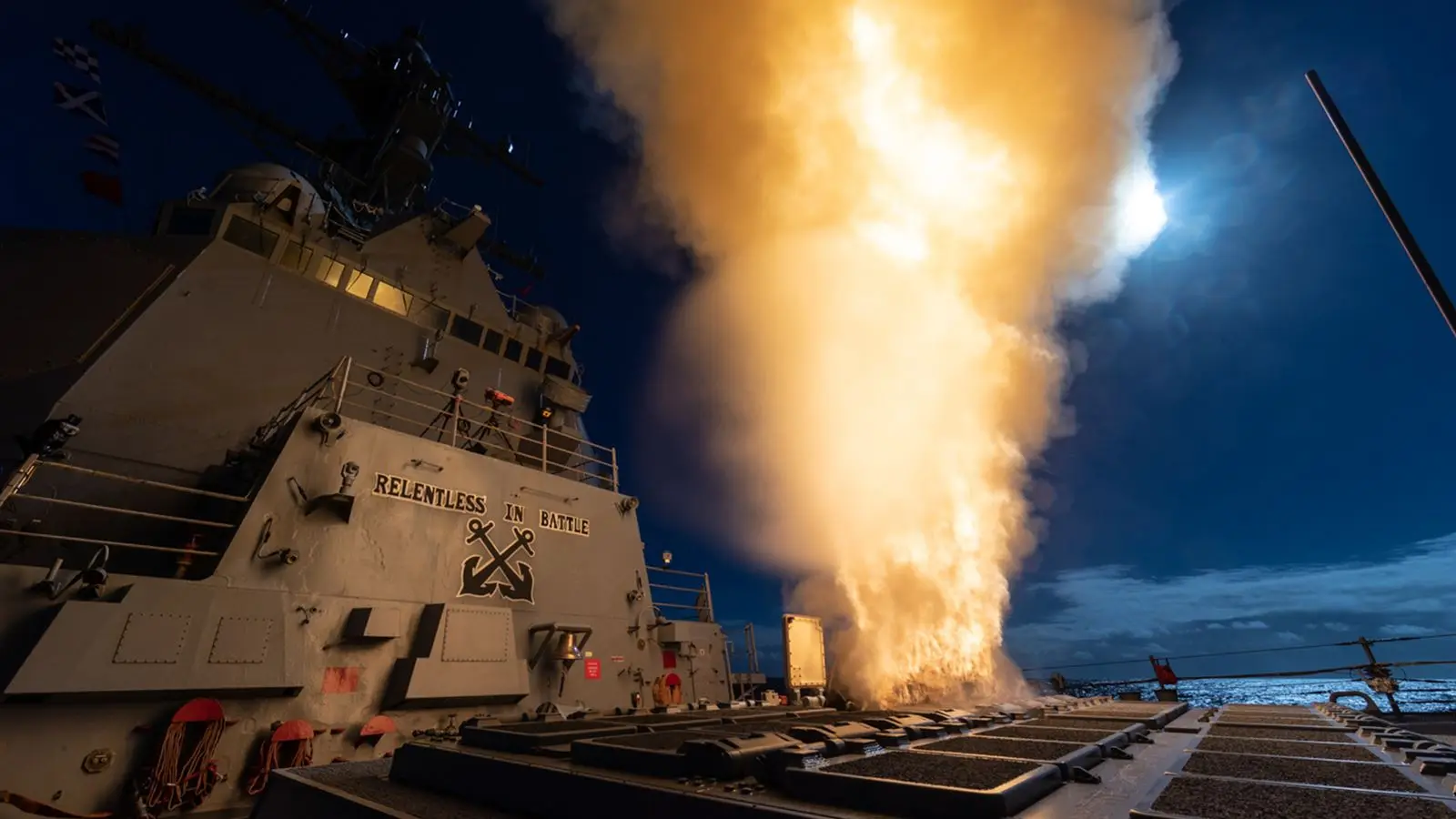
A long-range strike attempt
Iran fired two intermediate-range ballistic missiles towards the joint US-UK military base at Diego Garcia in the Chagos Archipelago, according to The Wall Street Journal, citing US officials. The attempted strike is significant as Garcia is located about 4,000 kilometres from Iran. The development comes as US President Donald Trump said Washington was 'very close' to winding down military operations against Tehran.
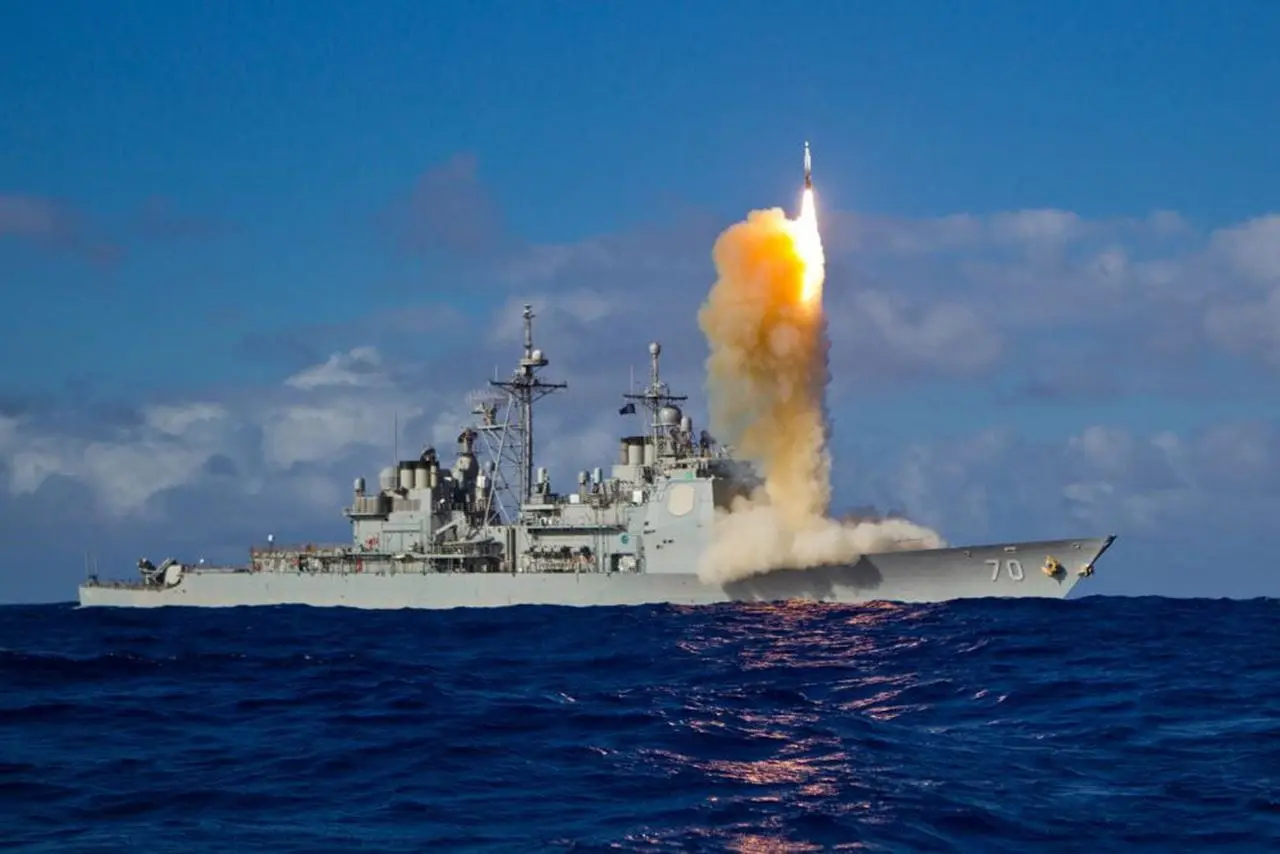
Interception attempt at sea
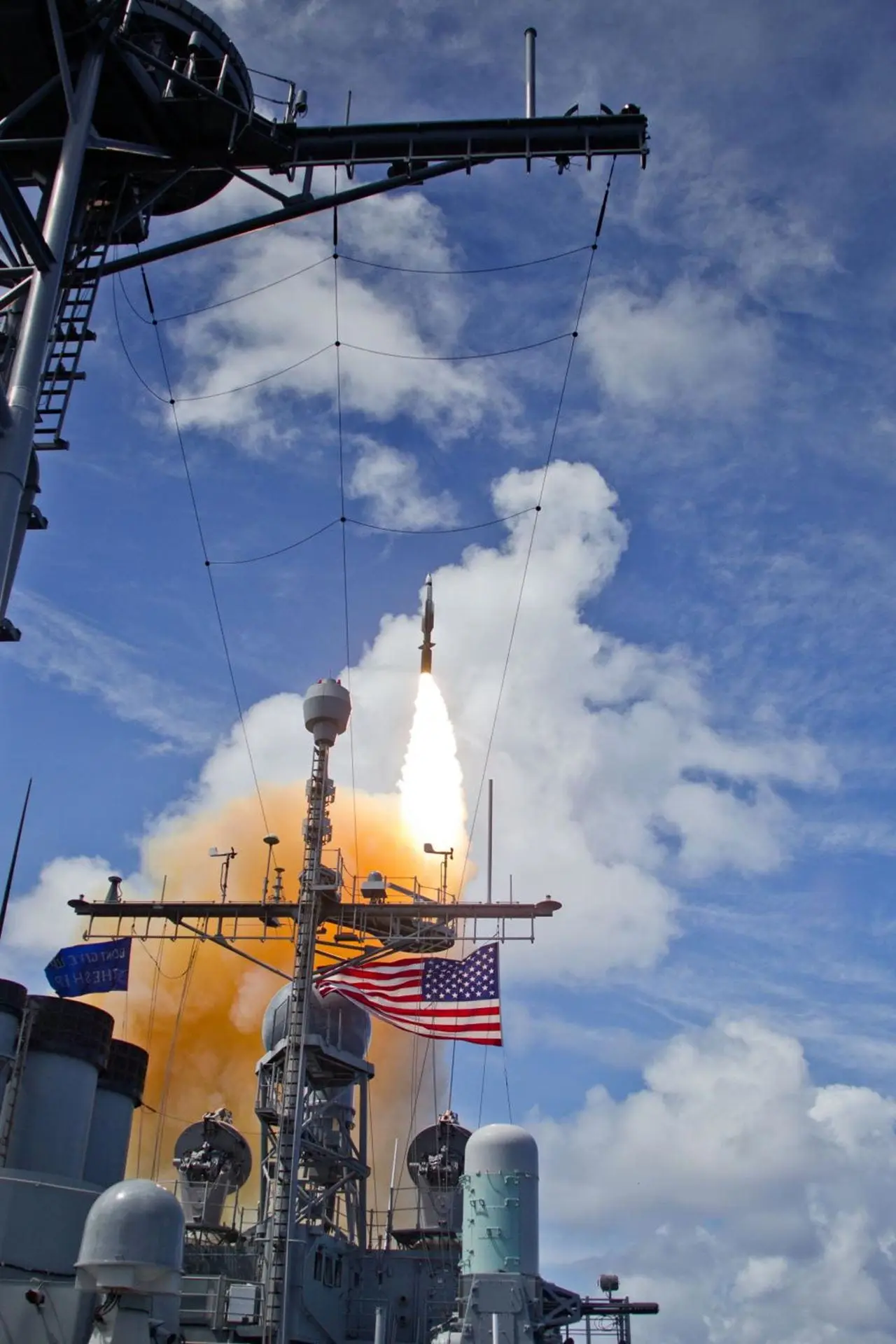
Of the two missiles, one failed mid-flight. A US warship launched an SM-3 interceptor at the second. It remains unclear whether the interception succeeded, and officials did not specify when the missiles were fired. The episode nonetheless highlights the role of naval missile defence in countering long-range threats.
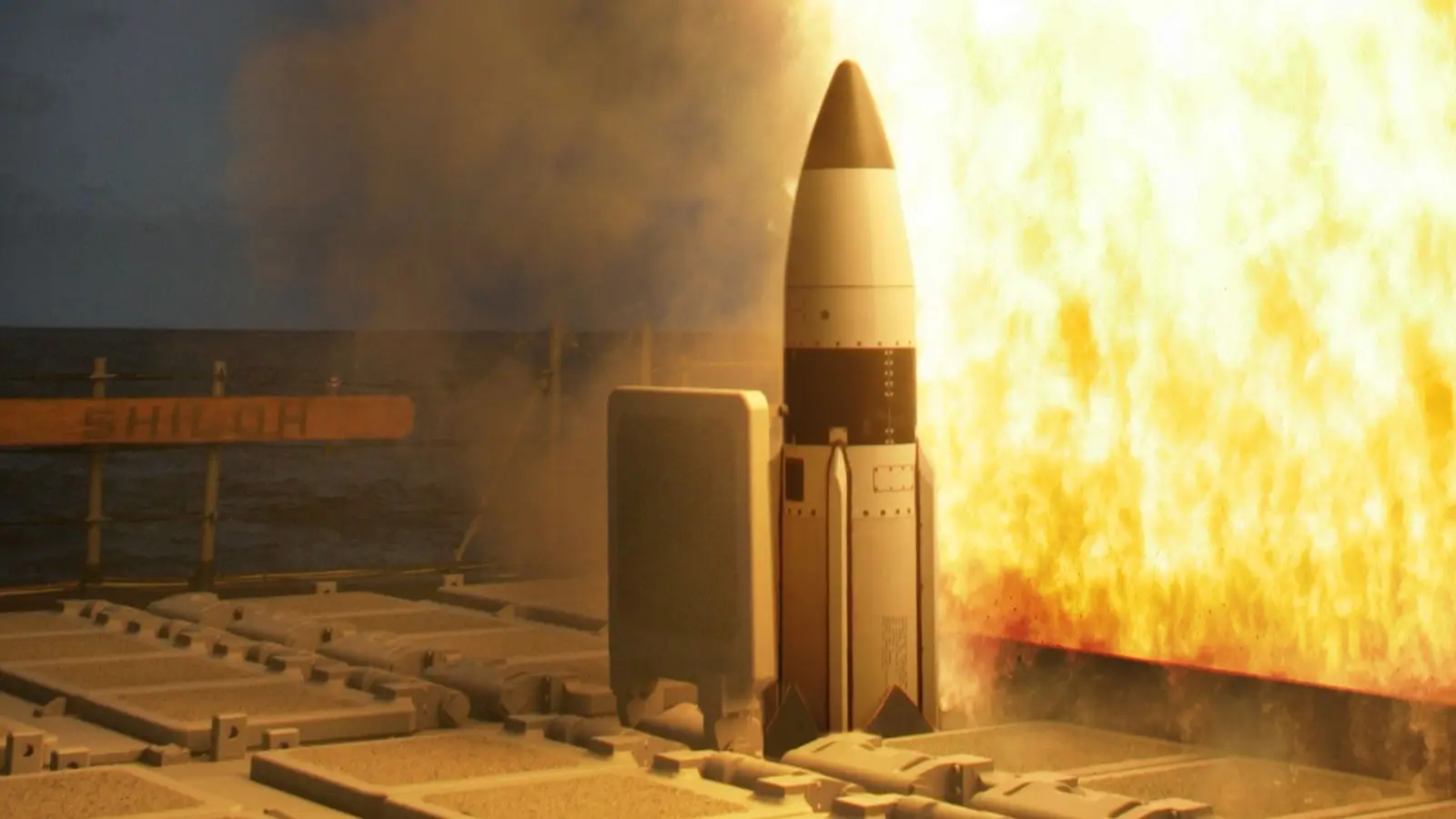
How the SM-3 interceptor works
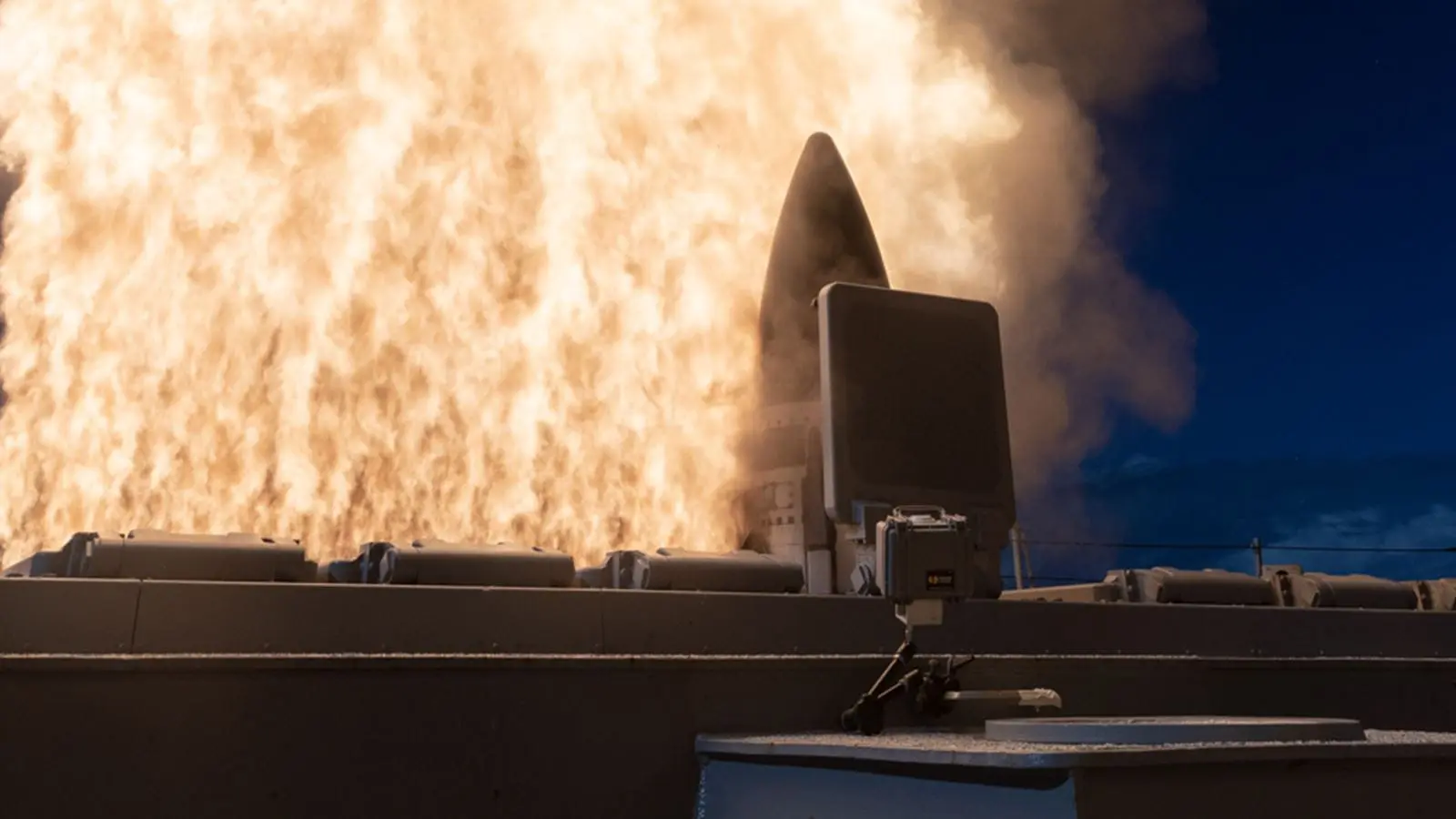
The SM-3, deployed by the US Navy, is designed to destroy short- to intermediate-range ballistic missiles during their mid-course phase in space. Unlike conventional systems, it carries no explosive warhead and instead relies on precision tracking and kinetic impact.
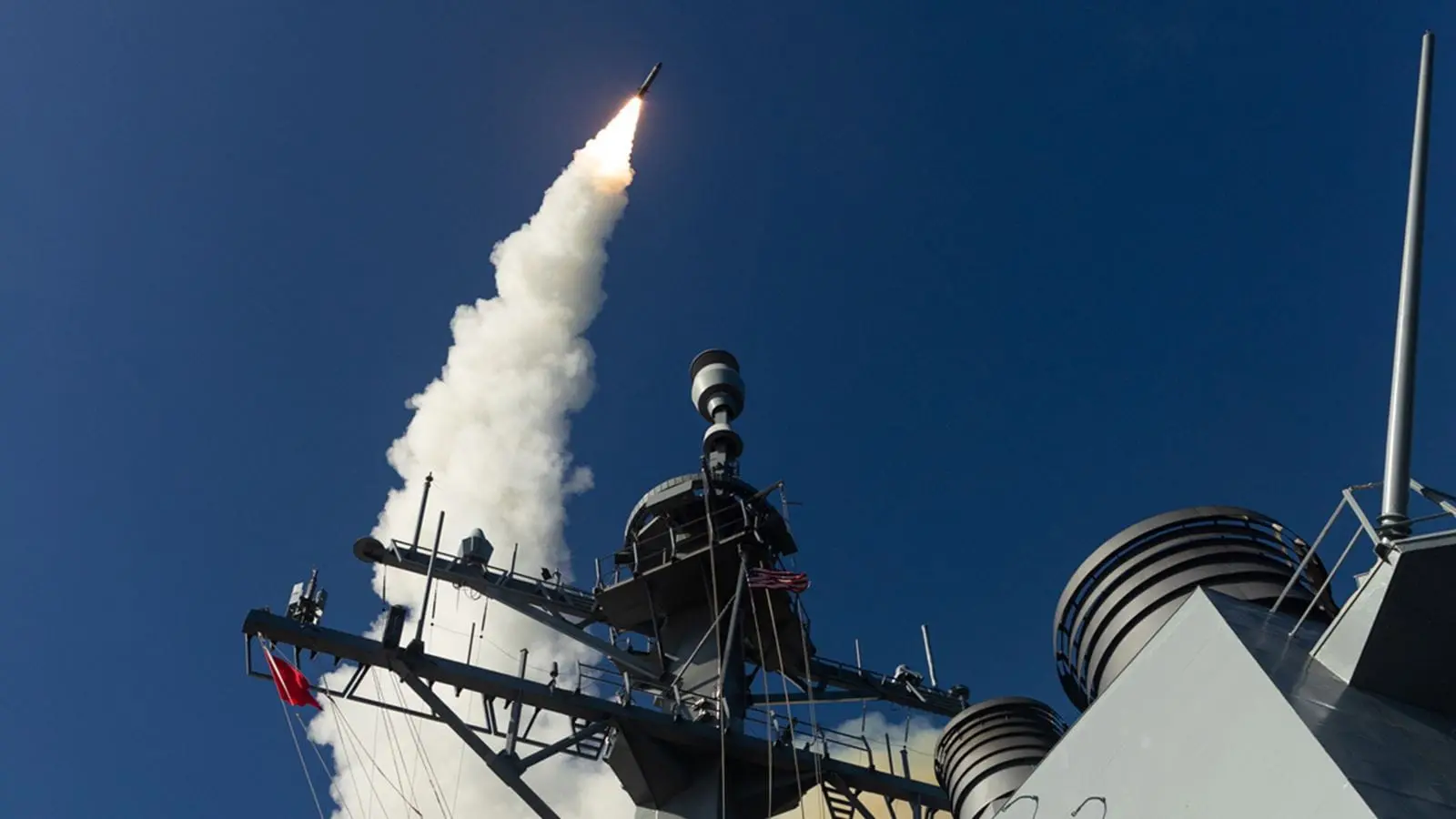
A ‘bullet hitting a bullet’
The interceptor’s ‘kill vehicle’ collides directly with its target at extreme speed. According to Raytheon, the impact is comparable to ‘a 10-ton truck travelling at 600 miles per hour’, a concept often described as hitting a bullet with another bullet.
Speed, altitude and reach
The SM-3 travels at hypersonic speeds and is capable of intercepting missiles outside the Earth’s atmosphere. Advanced variants, such as the Block IIA, are designed to engage targets at long ranges and high altitudes, extending the defensive envelope of naval forces.
Integration with naval defence systems
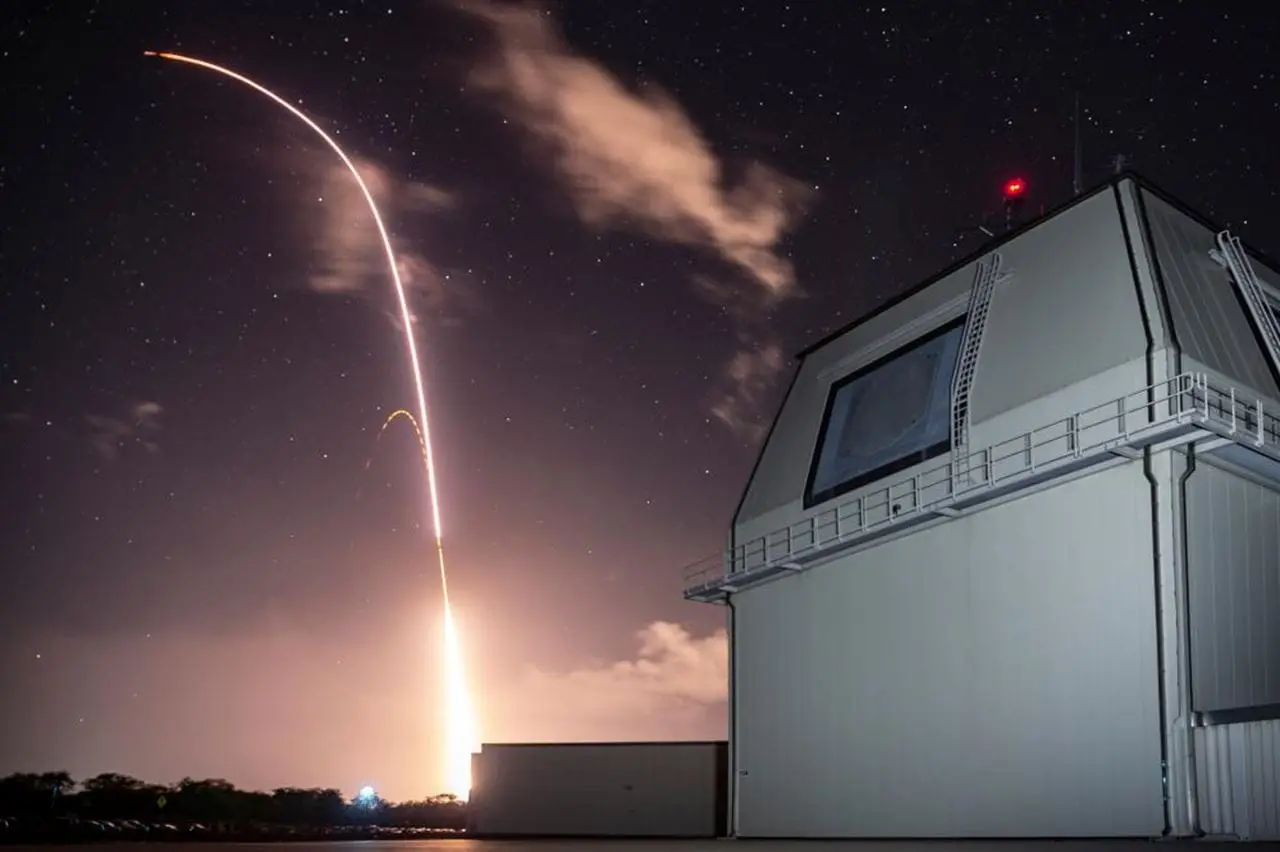
The interceptor is integrated into the US Navy’s Aegis combat system, allowing warships to detect, track and engage ballistic threats over vast distances. This networked capability enables coordinated defence across multiple platforms at sea.
Inside the SM-3: design and kill mechanism
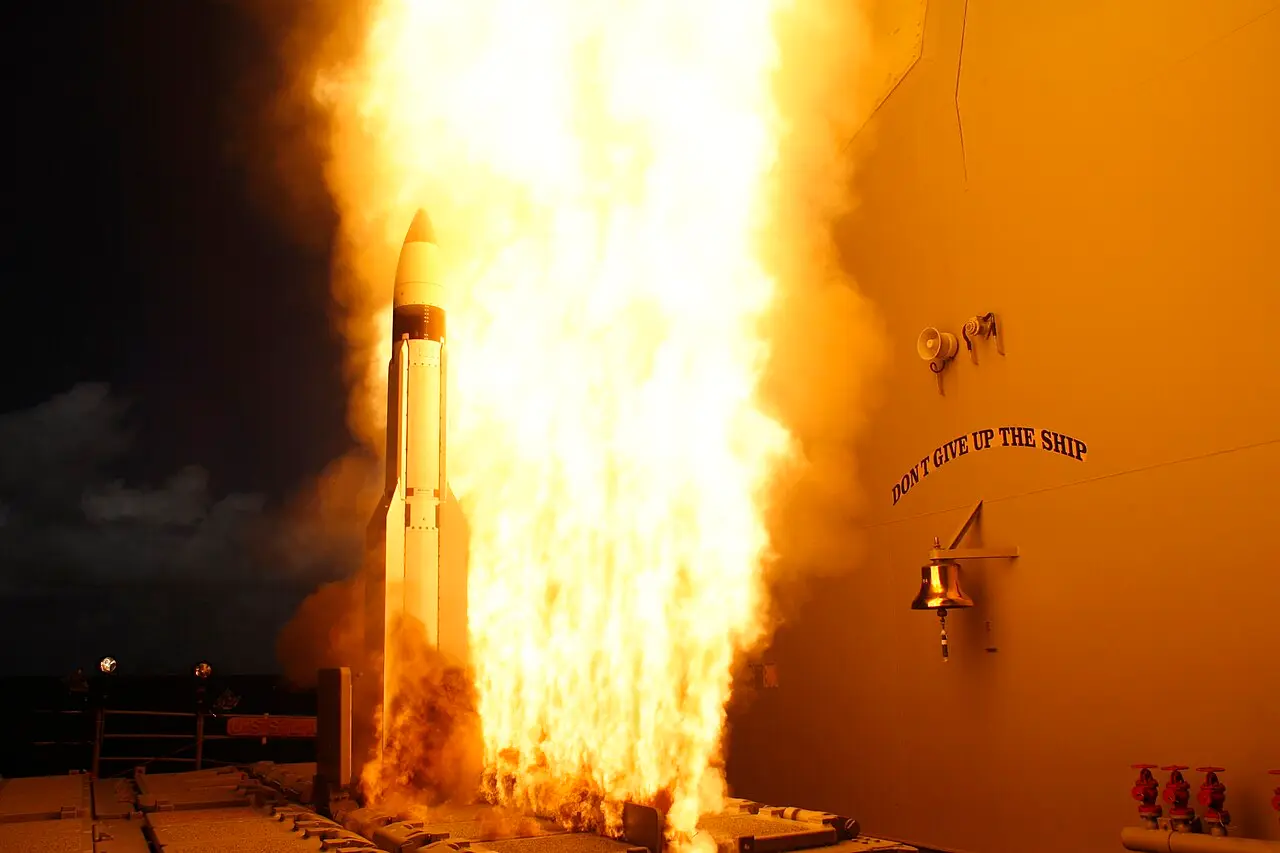
The SM-3 missile, designated RIM-161A, builds on the airframe and propulsion of the earlier SM-2 Block IVA, but incorporates critical upgrades tailored for ballistic missile defence. According to Missile Defence Advocacy Alliance, it features a third-stage rocket motor, known as the Advanced Solid Axial Stage (ASAS), developed by Alliant Techsystems, which enables the missile to reach the high altitudes required for exo-atmospheric interception.
Strategic importance of Diego Garcia
The attempted strike is significant given Diego Garcia lies roughly 4,000 kilometres from Iran. This suggests a potential extension beyond Tehran’s previously stated missile range. Iran’s Foreign Minister Abbas Araghchi said last month the country had limited its missile range to 2,000 kilometres. The base at Diego Garcia is a critical US-UK military facility, supporting long-range bombers, naval operations and logistics in the Indian Ocean. Its location makes it central to US power projection across the Middle East and Asia, and a high-value target in any escalation.
)
)
)
)
)