'Iran’s patriot who challenged Britain!': Who was Mohammad Mosaddegh and how did he nationalise the oil industry?

He held several government positions, gaining a reputation for advocating national sovereignty and opposing undemocratic power structures. Mosaddegh was elected to the Majles (parliament) in 1923.
Early Life and Rise to Prominence
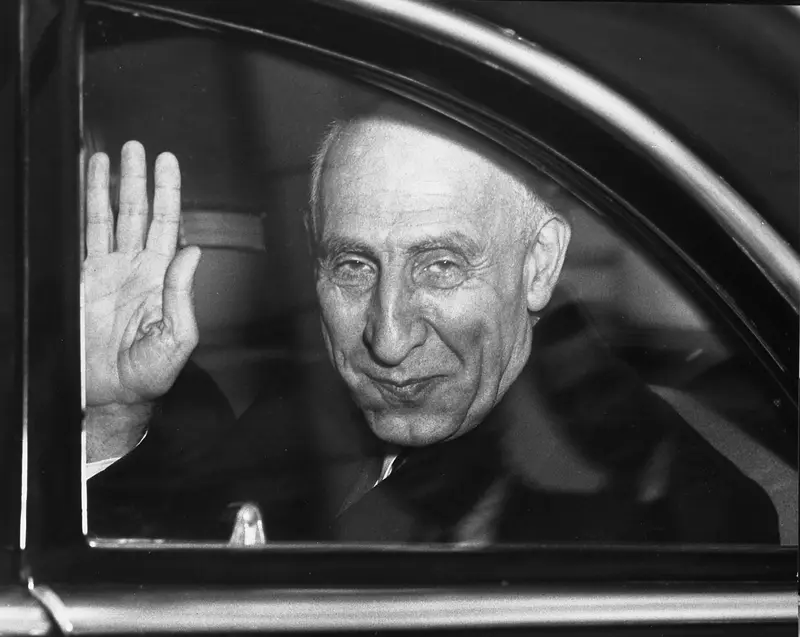
Mohammad Mosaddegh was an Iranian politician and nationalist born in Tehran in 1880. He was a reformer who believed in democracy. The son of an Iranian public official, Mosaddegh grew up as a member of Iran’s ruling elite. He received a Doctor of Law degree from the University of Lausanne in Switzerland, he returned to Iran in 1914 and was appointed governor-general of the important Fars province. He held several government positions, gaining a reputation for advocating national sovereignty and opposing undemocratic power structures. Mosaddegh was elected to the Majles (parliament) in 1923.
Nationalist Movement and Oil Control
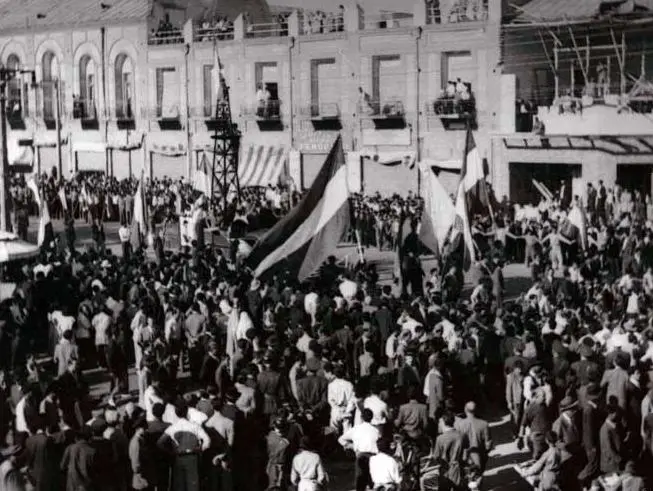
Mosaddegh reentered public service in 1944. By the late 1940s and early 1950s, dissatisfaction and dissent with foreign dominance of Iran’s oil, which was largely controlled by the British‑owned Anglo‑Iranian Oil Company (Anglo-Persian Oil Company) had grown among political leaders and the public. The company had made huge profits while paying Iran only 16 per cent of its profits and often far less to Iran. Mosaddegh emerged as a leading voice demanding full Iranian control over its oil resources rather than unequal concessions to foreign interests.
Declared Britain an enemy!
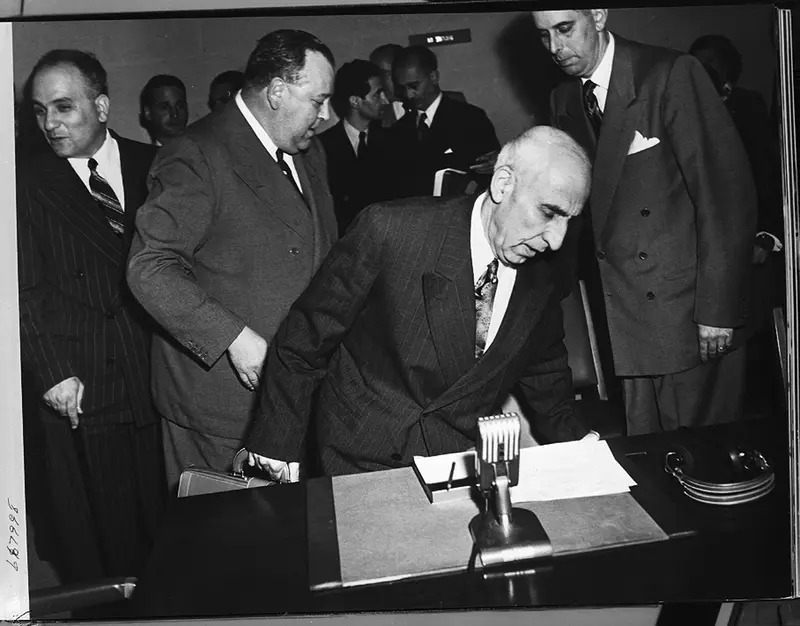
He built considerable political strength. According to the Association for Diplomatic Studies and Training, in October 1952, Mosaddegh said that the Britain was Iran's enemy and declared to cut all diplomatic relations with them. Britain was unable to resolve the issue unilaterally and looked towards the United States for help. According to analysts, from 1941 to 1953, Iran experienced a golden period of freedom. During this era, seven political parties emerged in the Iranian parliament Majles. During this time free speech, democracy and rule of law emerged in Iran. Mosaddegh was a key figure in democratising Iran.
Election as Prime Minister and Oil Nationalisation
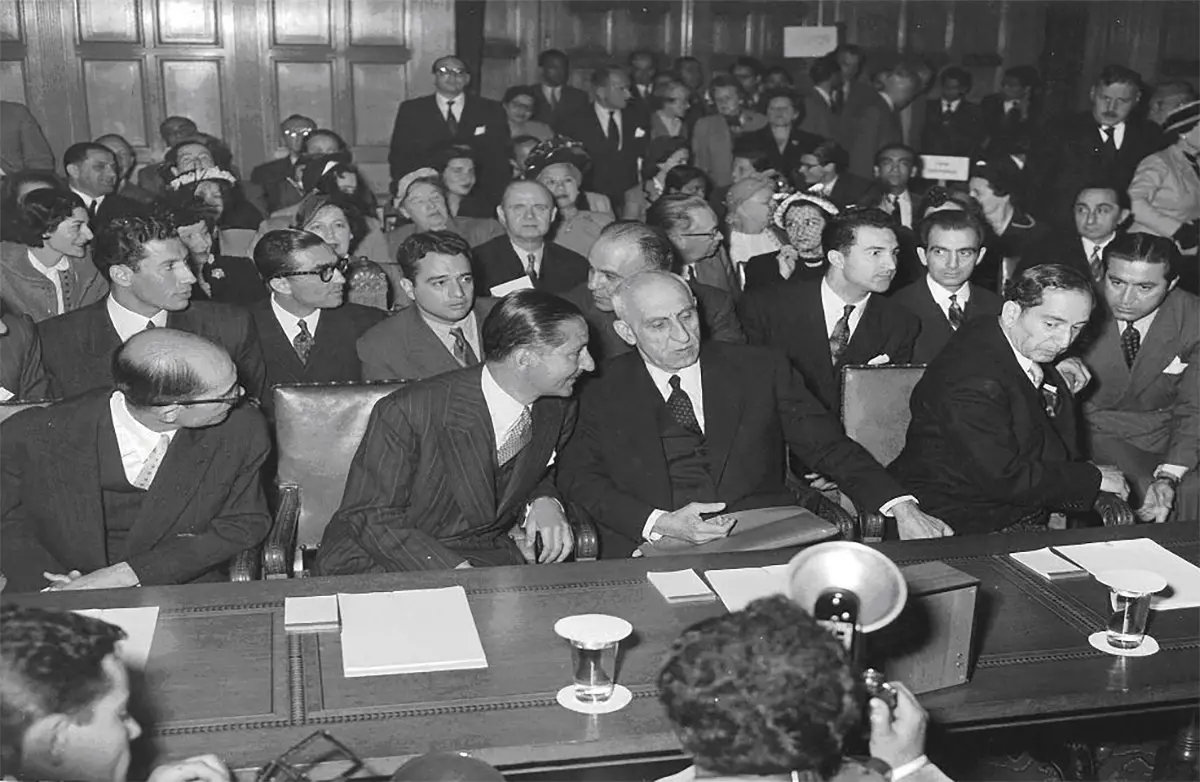
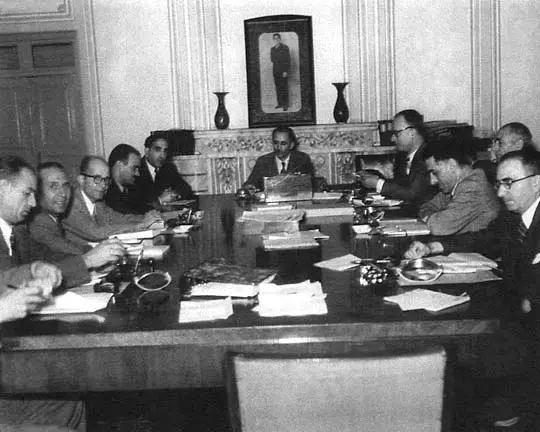
In April 1951, Iran’s Majlis (parliament) appointed Mosaddegh prime minister, and in March–May of that year he pushed through the Oil Nationalisation Law, transferring all oil operations from British control to Iranian state ownership under the National Iranian Oil Company. The law was approved by parliament and signed by the Shah, reflecting broad popular support.
Escalating Crisis With Britain
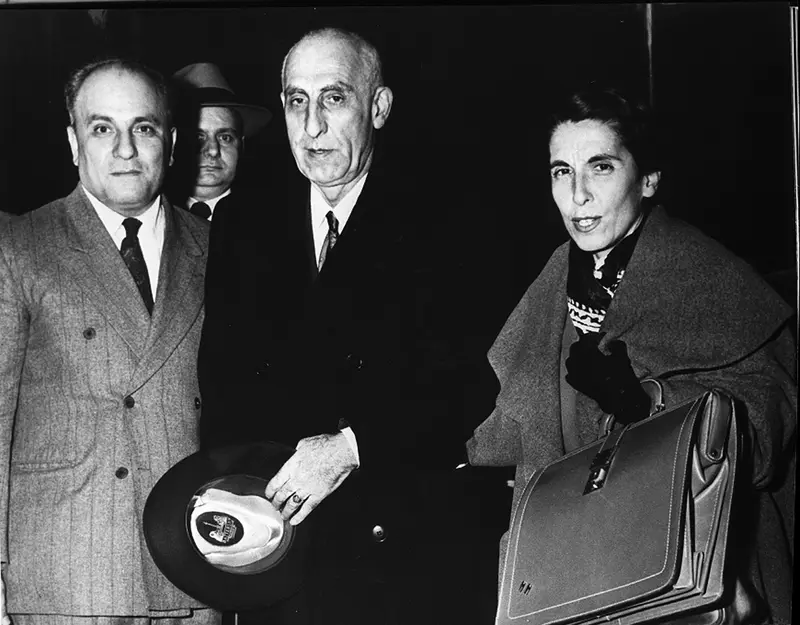
Britain reacted by imposing an oil embargo, blocking Iran’s access to international oil markets, and pushing legal challenges, aiming to economically strangle Iran and reverse the nationalisation. As a result, Iranian oil exports plummeted and production plummeted. Foreign companies boosted output elsewhere further deepening the economic crisis. A continuing struggle for control of the Iranian government developed between Mosaddegh and the shah.
Cold War Politics and Coup
The nationalisation crisis alarmed British policymakers and, amid Cold War tensions, influenced US opinion on Iran’s political direction. In August 1953, a covert coup orchestrated by British and US intelligence agencies/ CIA, which is often referred to as Operation Ajax, overthrew Mosaddegh’s government and restored the Shah’s power in Iran. Mosaddegh was arrested, tried, and sentenced to three years’ imprisonment for treason, and after he had served his sentence, he spent the rest of his life under house arrest.
Legacy and Historical Impact
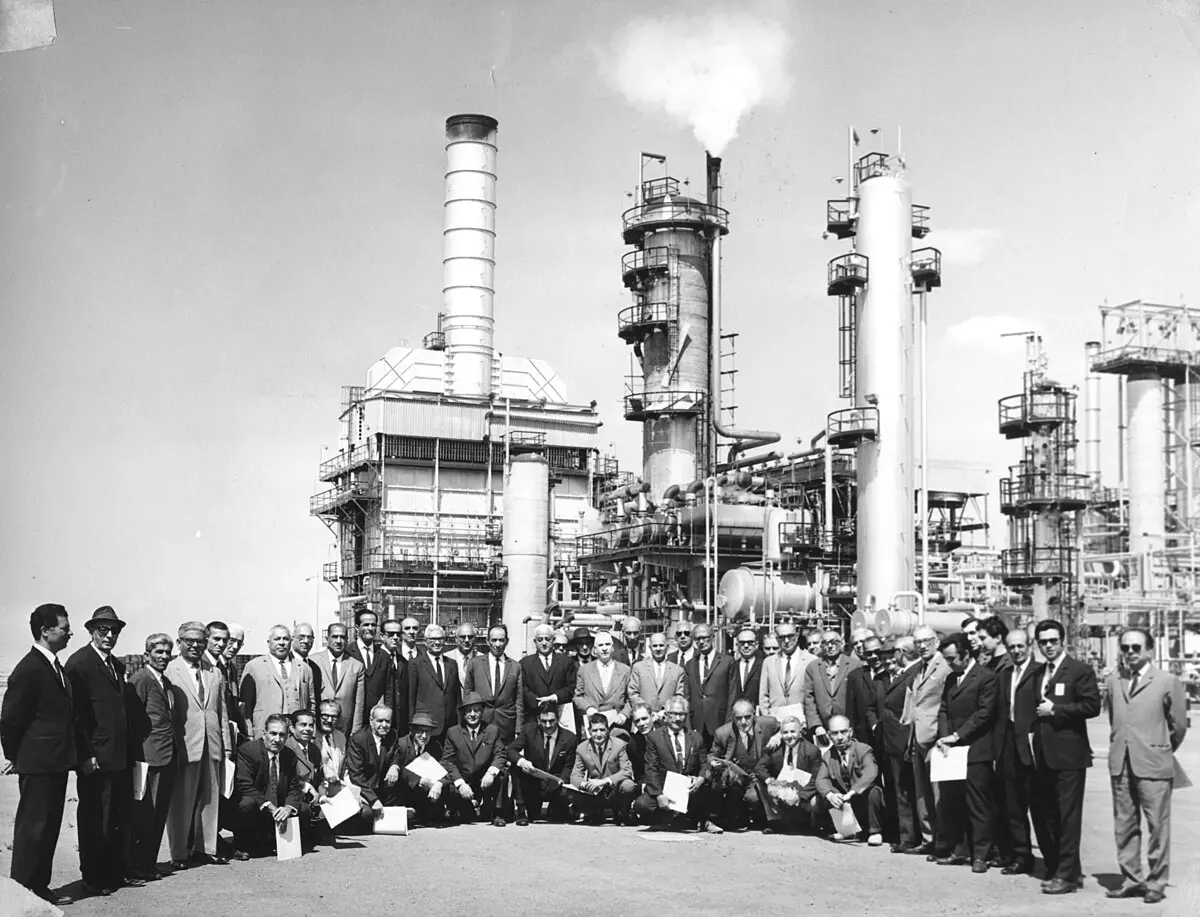
Mosaddegh’s daring stand on oil nationalisation made him a symbol of Iranian sovereignty and resistance to foreign domination. Though his government was toppled, the nationalisation effort fundamentally reshaped Iranian politics.
)
)
)
)
)