‘Iran’s massive fossil fuel reserves’: Why the country remains geopolitically critical

Iran holds the world's third-largest oil and second-largest gas reserves. Its control over the Strait of Hormuz and strategic alliance with China make it geopolitically critical.
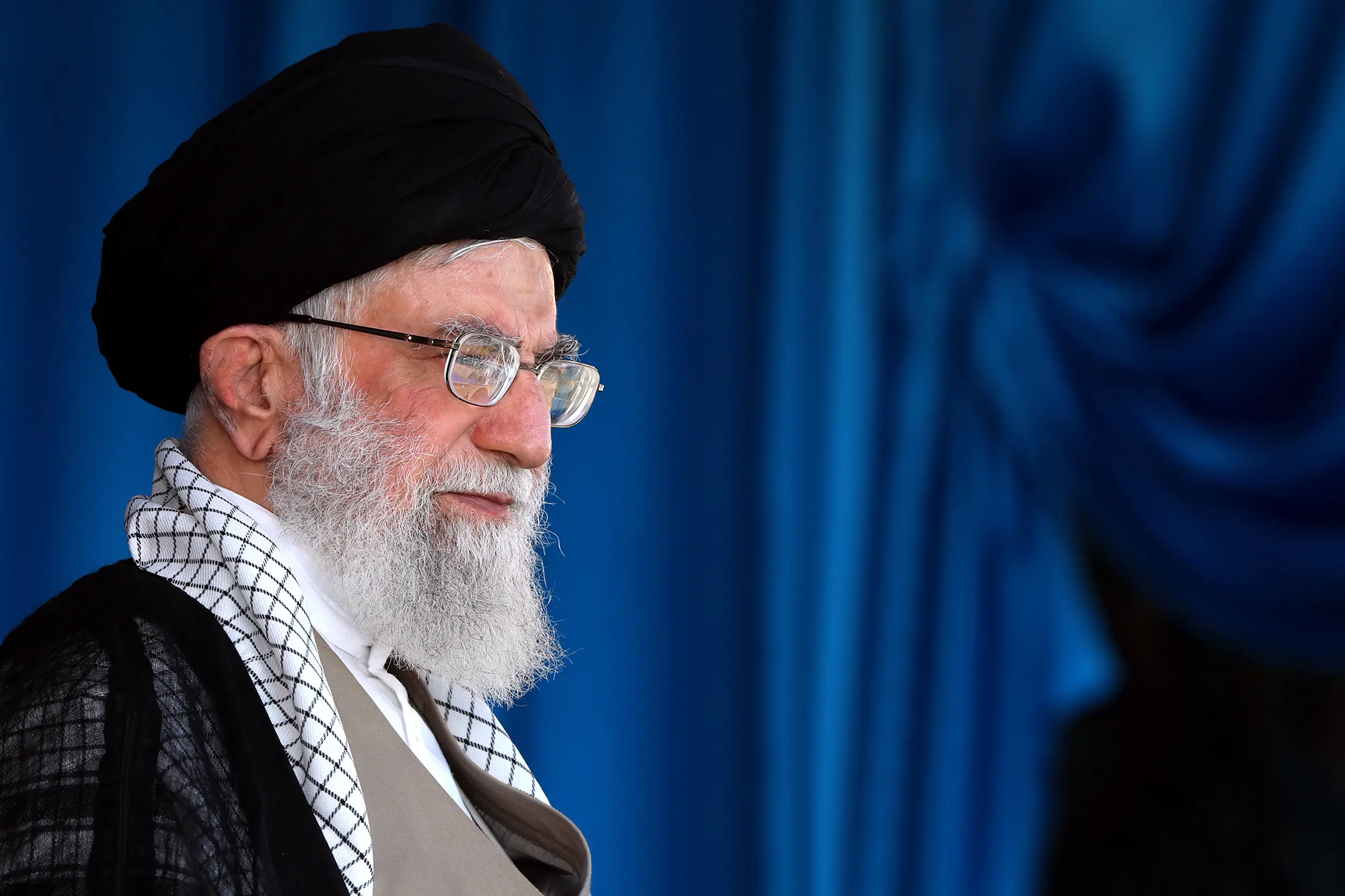
World’s third-largest oil reserves, 208 billion barrels
Iran possesses approximately 208 billion barrels of proven crude oil reserves, ranking third globally behind Venezuela and Saudi Arabia. This immense wealth ensures that the country remains essential to the long-term energy security of the world economy.
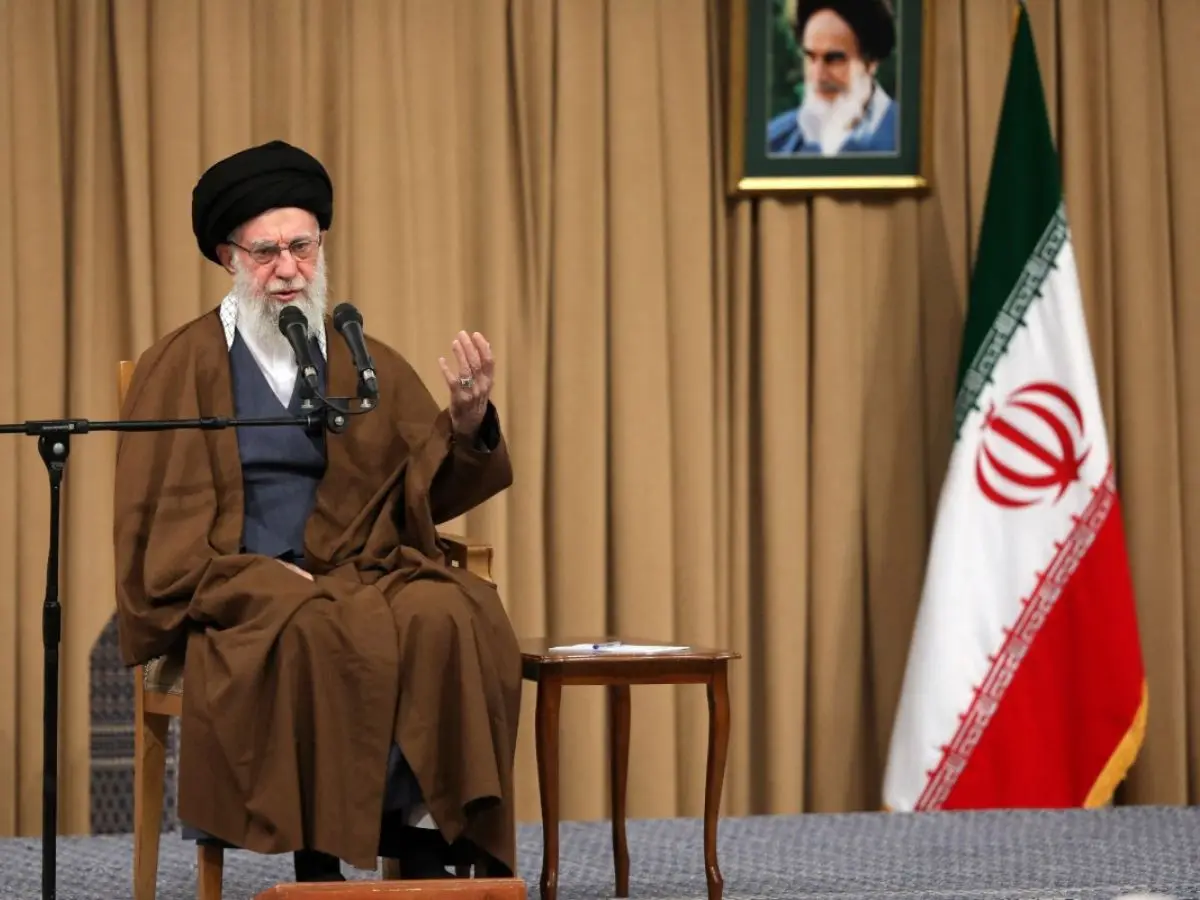
A natural gas giant Second-largest global reserves
Beyond oil, Iran holds the world’s second-largest natural gas reserves, estimated at over 1,200 trillion cubic feet. This accounts for roughly 16 per cent of the planet's total supply, placing it just behind Russia in terms of gas potential.
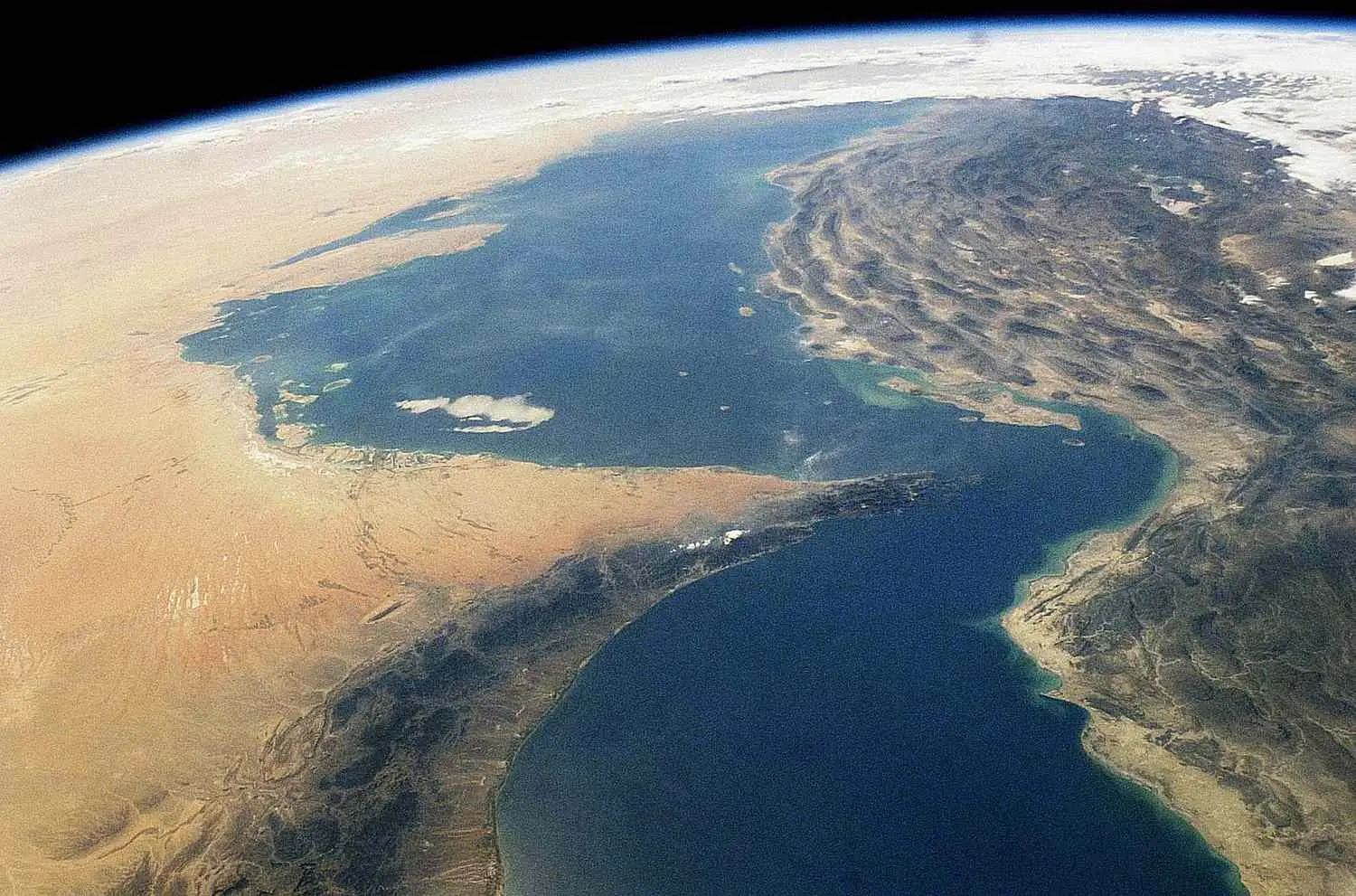
The Strait of Hormuz chokepoint Controlling 20 per cent of oil trade
Iran borders the Strait of Hormuz, the world’s most critical oil transit channel. About 20 per cent of global oil consumption passes through this narrow waterway daily, giving Tehran the ability to threaten global energy supplies during conflicts.
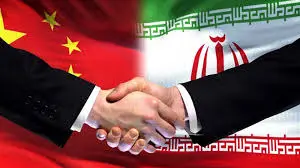
China’s critical energy partner Beijing, buys 90 per cent of exports
Despite Western sanctions, China remains Iran’s economic lifeline, purchasing roughly 90 per cent of its oil exports. This deep trade relationship provides Beijing with cheap energy while ensuring Tehran maintains powerful diplomatic protection on the world stage.
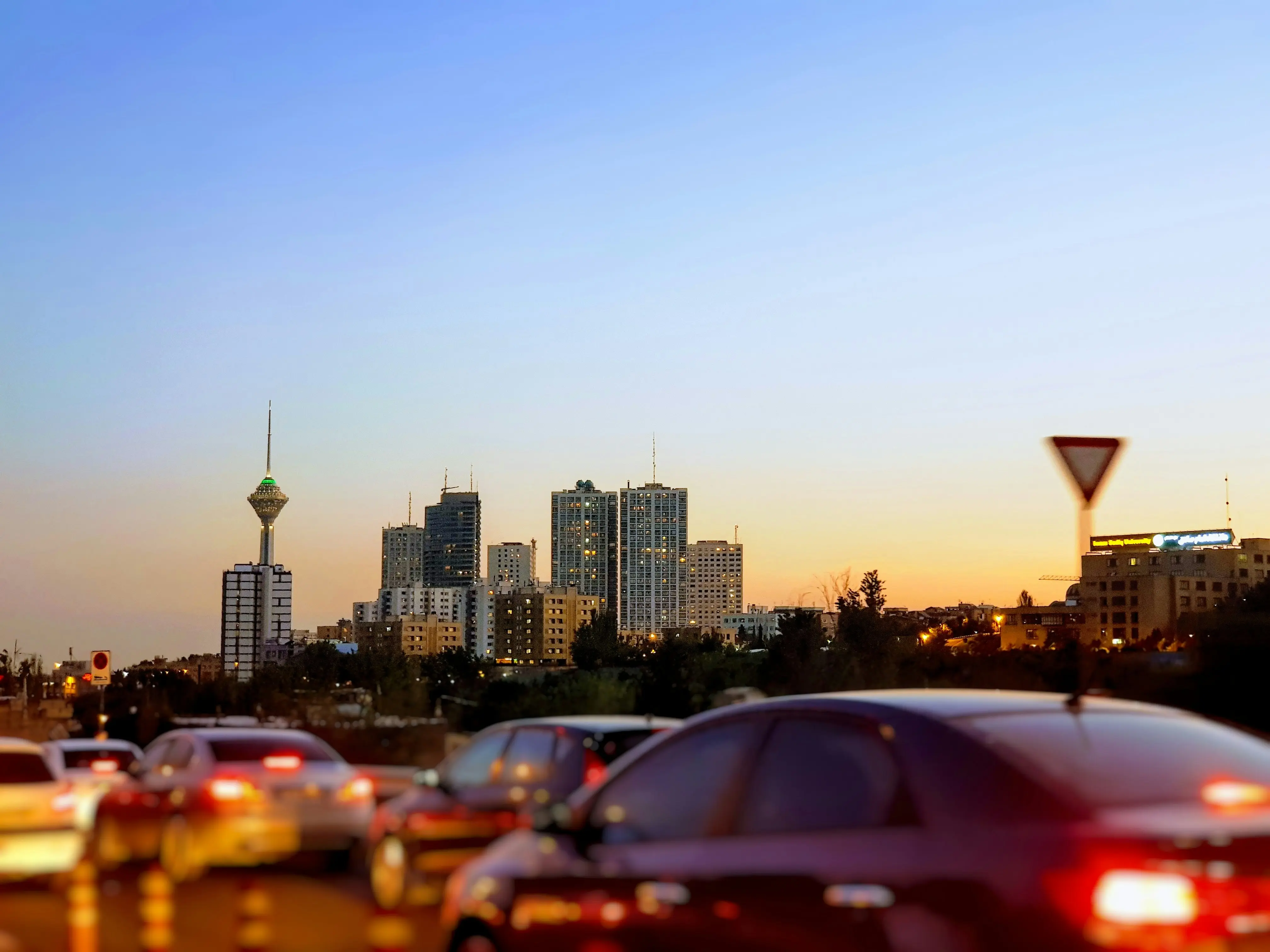
Surviving through ‘ghost’ fleets: Bypassing global sanctions
Iran has developed a sophisticated "gray market" network to sell its oil abroad. Using a fleet of tankers with disabled trackers, the country successfully exports millions of barrels monthly, proving its resilience against international pressure.
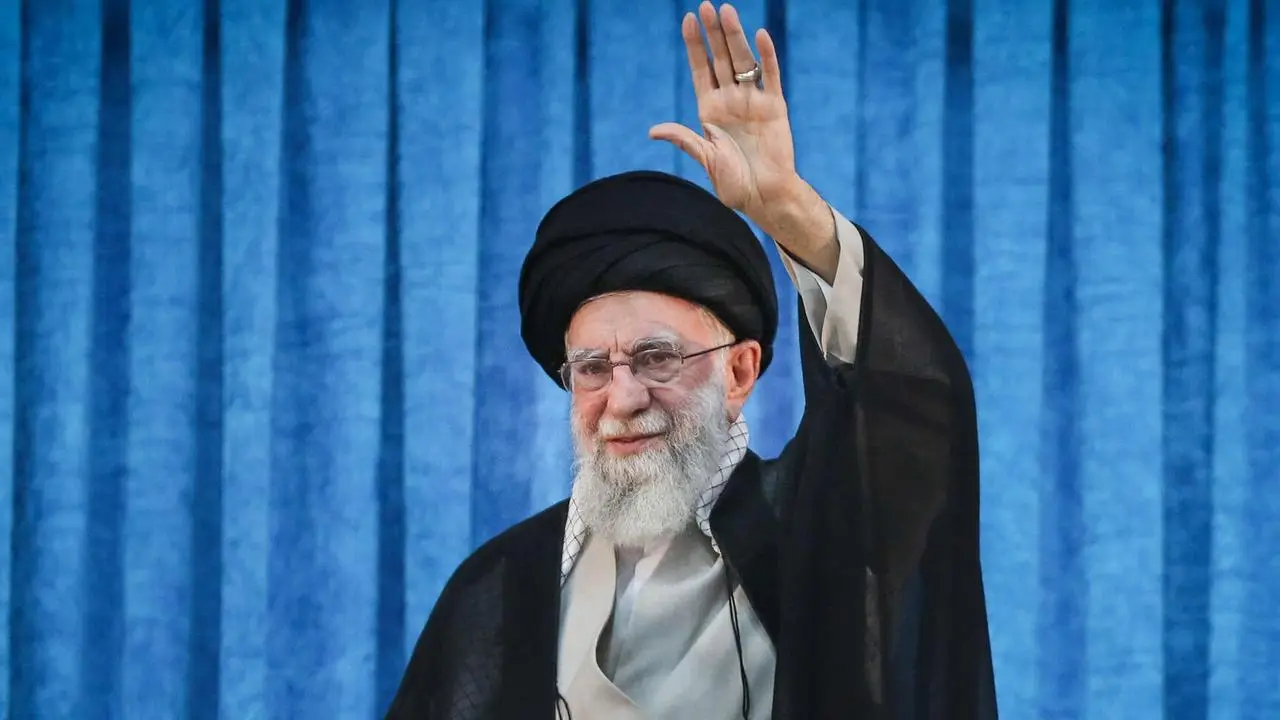
Member of OPEC
As a founding member of OPEC, Iran retains significant voice in global energy policy. Although currently exempt from some quota cuts due to sanctions, its potential return to full production capacity could drastically lower global oil prices overnight.
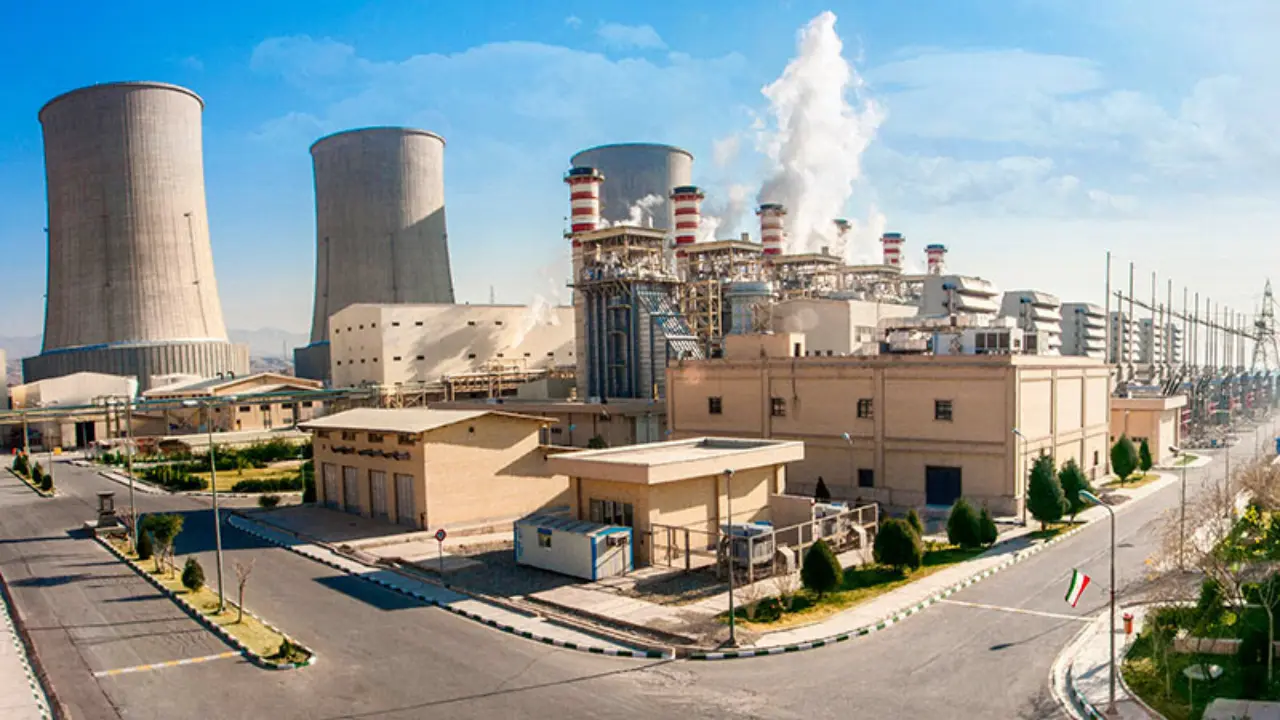
Iran’s energy infrastructure
Much of Iran’s energy infrastructure is aging and under-developed due to isolation. Experts estimate that with proper foreign investment and technology, Iran could significantly boost its output, potentially reshaping the entire global energy market.
)
)

)
)