‘Iran’s farthest strike yet’: Why US base at Diego Garcia is in focus — How Tehran attempted a 4,000 km attack

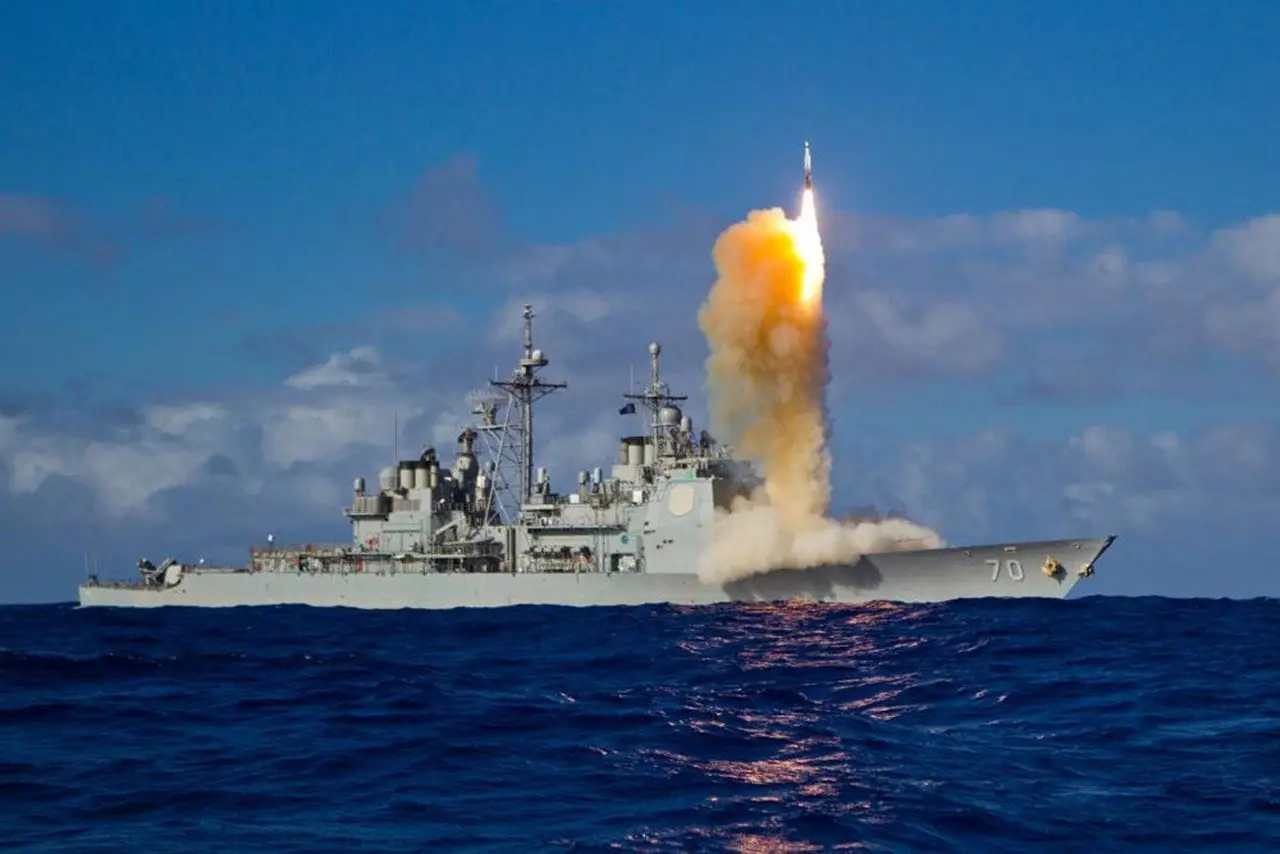
Reportedly, one missile failed during flight, while a US warship launched an SM-3 interceptor at the second. It remains unclear whether the interception was successful, and the timing of the launch was not specified.
A strike that extends beyond known limits
Iran’s attempted missile strike on the US-UK base at Diego Garcia marks one of its longest-range actions to date, drawing attention to the evolving reach of its missile programme. The target lies roughly 4,000 kilometres from Iran—about double the publicly stated limit of its ballistic missile range.
What happened over the Indian Ocean and Why Diego Garcia matters
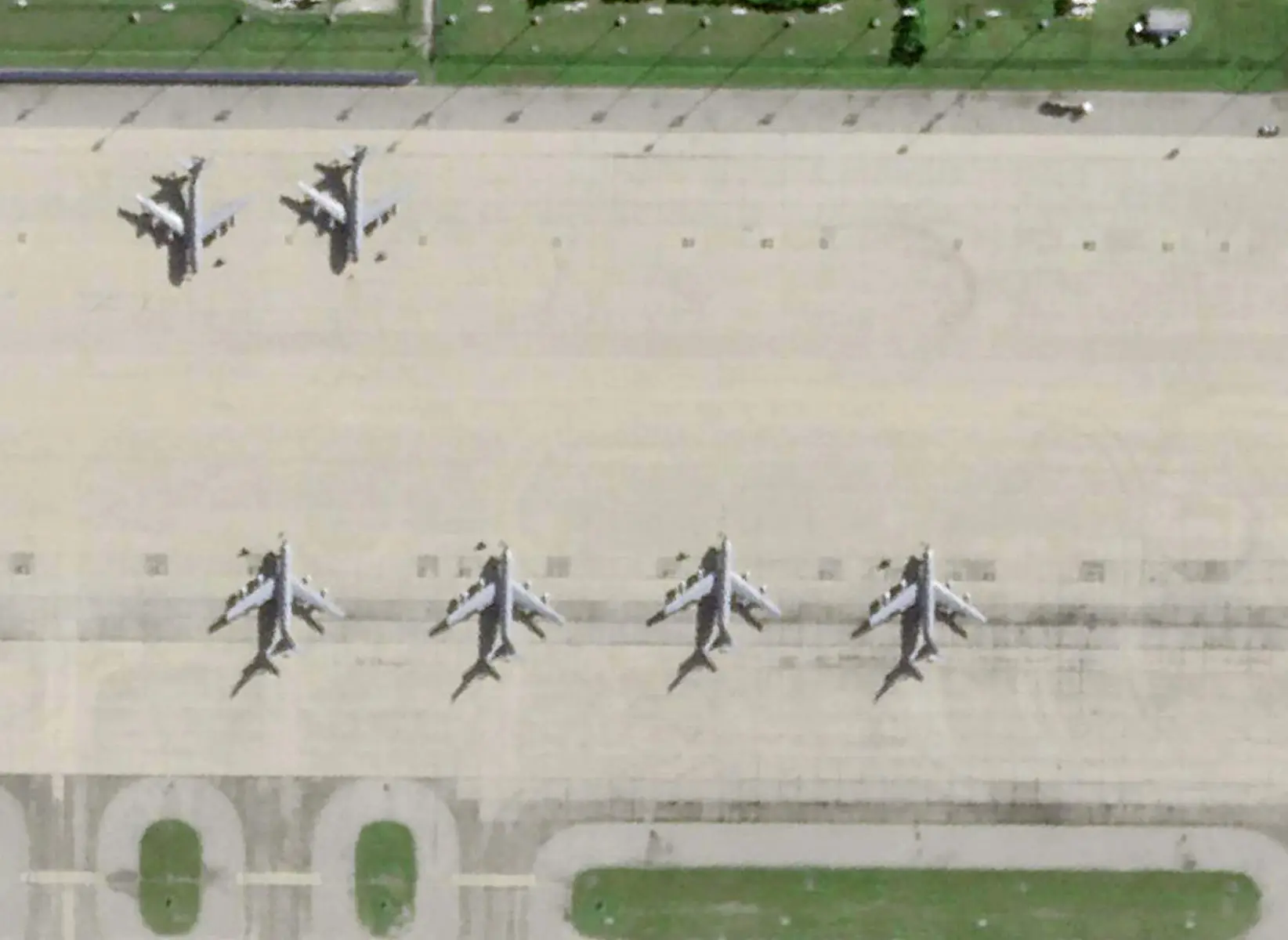
According to The Wall Street Journal, citing US officials, Iran fired two intermediate-range ballistic missiles towards Diego Garcia in the Chagos Archipelago. Reportedly, one missile failed during flight, while a US warship launched an SM-3 interceptor at the second. It remains unclear whether the interception was successful, and the timing of the launch was not specified. Diego Garcia is a key strategic facility jointly operated by the United States and the United Kingdom. It supports long-range bombers, surveillance aircraft and naval logistics across the Indian Ocean.
Missile defence in action
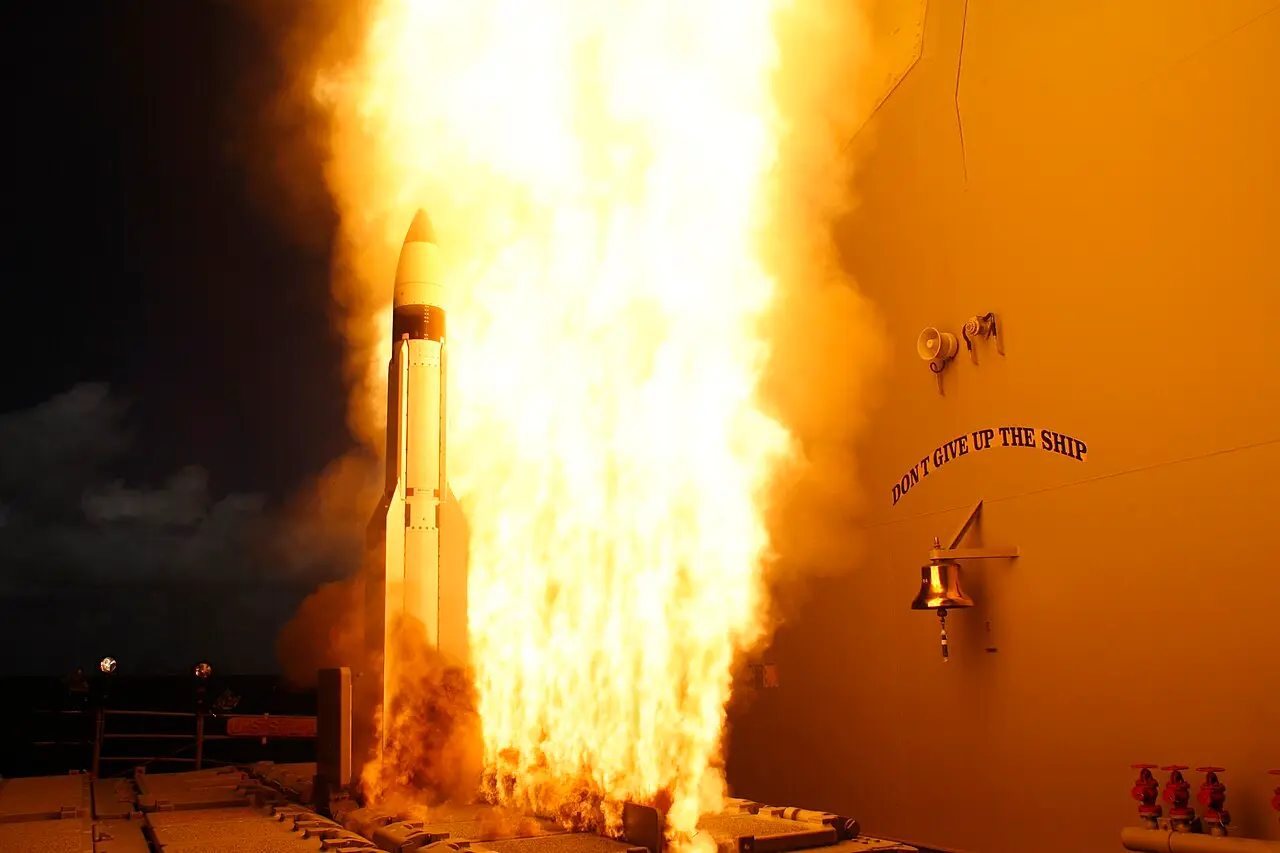
The SM-3 interceptor, used by the US Navy, is designed to destroy short- to intermediate-range ballistic missiles in space. It relies on 'hit-to-kill' technology, striking targets through kinetic force rather than an explosive warhead. According to Raytheon, its impact is comparable to 'a 10-ton truck travelling at 600 miles per hour', often described as hitting a bullet with another bullet.
What the range suggests
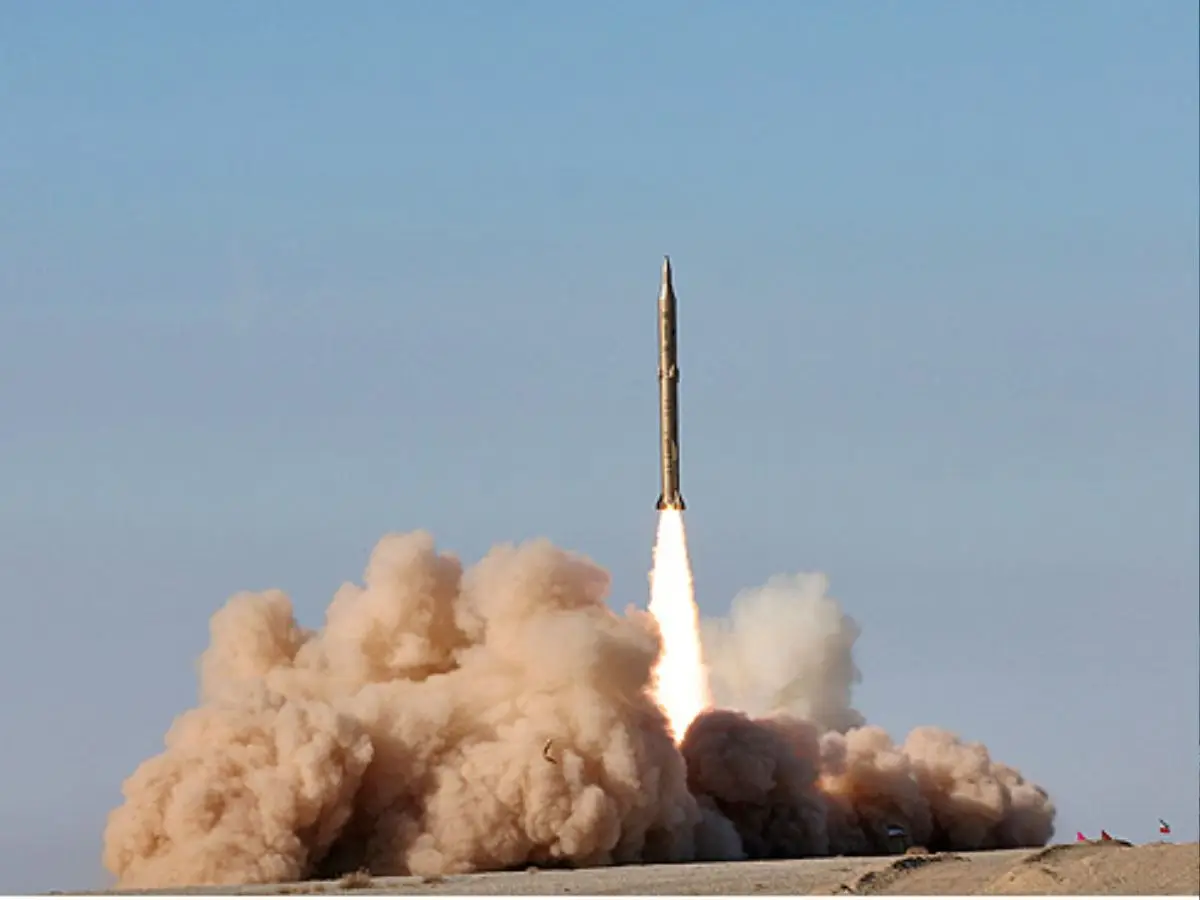
The distance involved has raised questions about Iran’s true capabilities. Iranian Foreign Minister Abbas Araghchi had previously stated that Tehran had limited its missile range to 2,000 kilometres. A strike attempt at twice that distance indicates either extended-range systems or alternative launch configurations. The semi-official Mehr news agency of Iran said targeting the base was a "significant step ... that shows that the range of Iran's missiles is beyond what the enemy previously imagined".
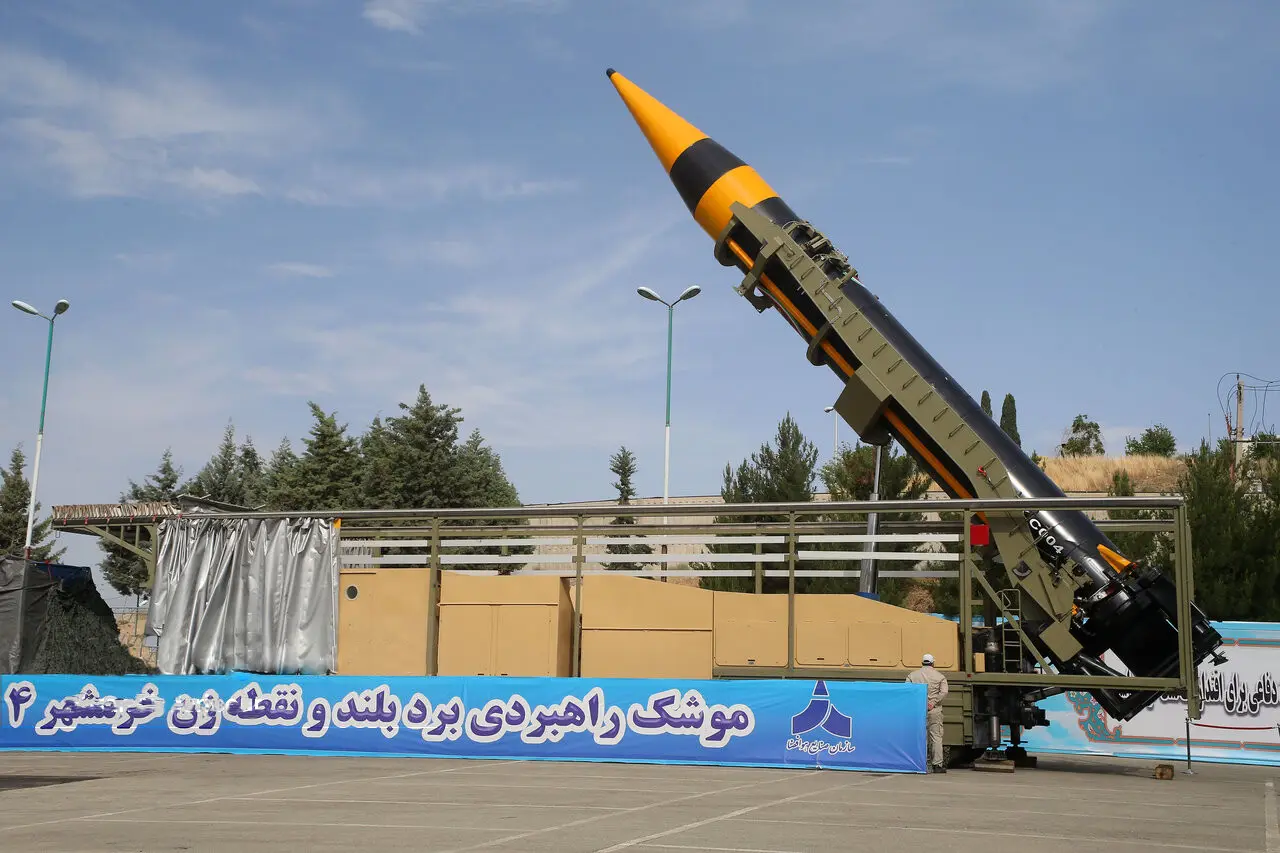
Iran’s missile arsenal in context
Iran’s missile inventory is largely composed of short- and medium-range systems, including the Khorramshahr series with ranges of 2,000–3,000 km and payloads of up to 1,500 kg. The Sejjil missile, a solid-fuel system, also reaches around 2,000 km, reportedly. Space launch vehicles such as Simorgh and Ghaem-100 demonstrate multi-stage propulsion capable of reaching far greater distances, though they are not standard ballistic missiles.

Escalation and strategic signalling
US President Donald Trump said Washington was 'very close' to meeting its objectives and not seeking a ceasefire: 'You don’t do a ceasefire when you’re literally obliterating the other side'. The Pentagon has deployed additional warships and Marines to the region. Meanwhile, Iran’s military spokesperson warned that 'parks, recreational areas and tourist destinations' worldwide could become targets, signalling potential escalation beyond the Middle East.
)
)
)
)
)