‘Iran’s Double Trouble’: Why the US sent the world’s largest carrier USS Gerald R. Ford to join USS Abraham Lincoln near Iran

The US has deployed the USS Gerald R. Ford to join the USS Abraham Lincoln near Iran, creating a massive two-carrier strike force. This follows failed nuclear talks and a drone shootdown, escalating tensions in the Middle East to a dangerous new level.
The Deployment Order
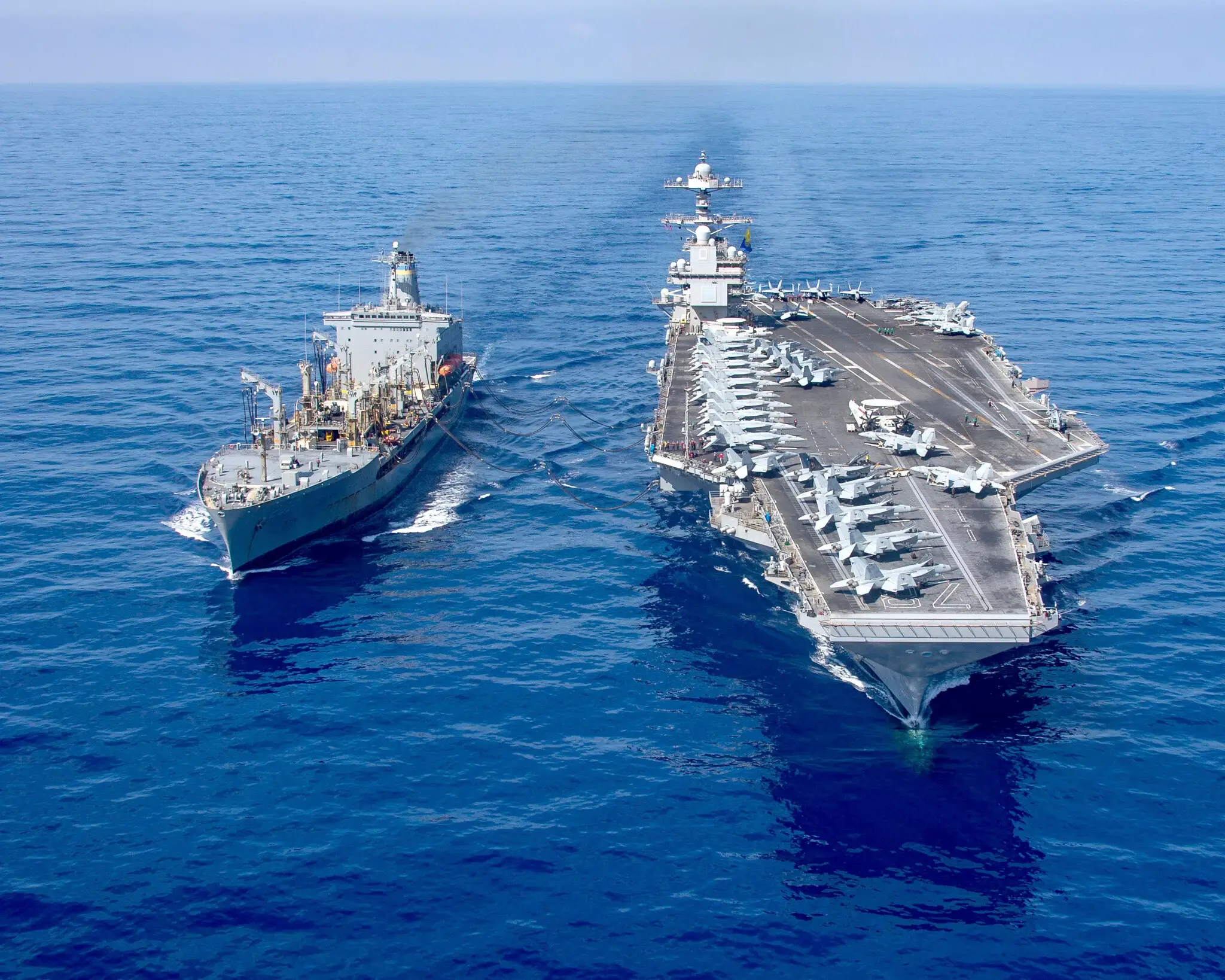
In a major strategic move, the US government has ordered the USS Gerald R. Ford to leave the Caribbean Sea and head immediately to the Middle East. This deployment adds a second carrier strike group to the region, joining the USS Abraham Lincoln which has been patrolling the waters near Iran for over two weeks.
Why Now?
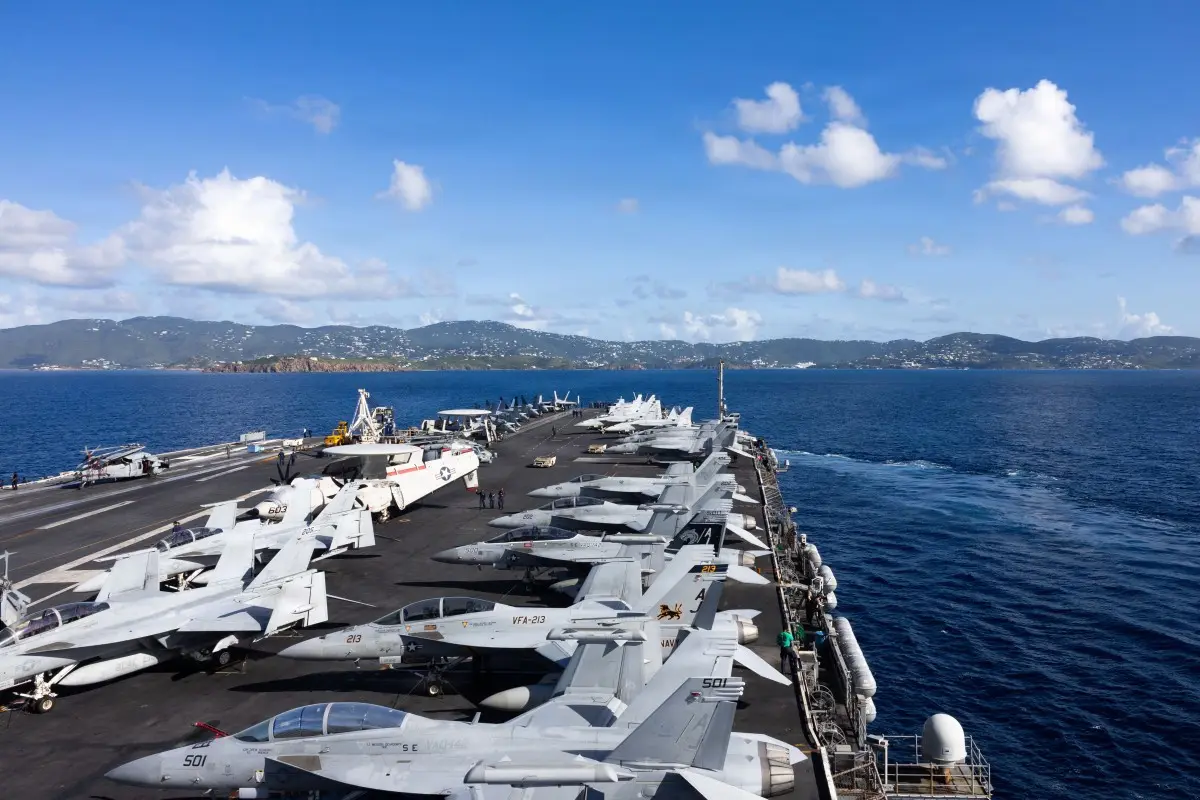
The decision comes just days after indirect diplomatic negotiations between Washington and Tehran in Oman ended without a breakthrough. American officials have warned that Iran’s failure to scale back its nuclear program could have ‘traumatic’ consequences, prompting this rapid military escalation to pressure the Iranian leadership.
USS Abraham Lincoln: The veteran giant already on station
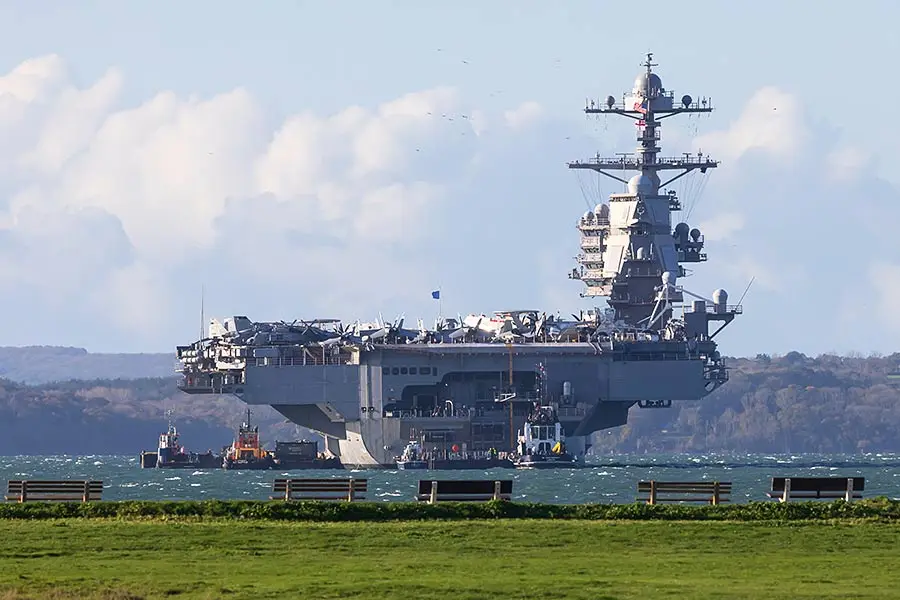
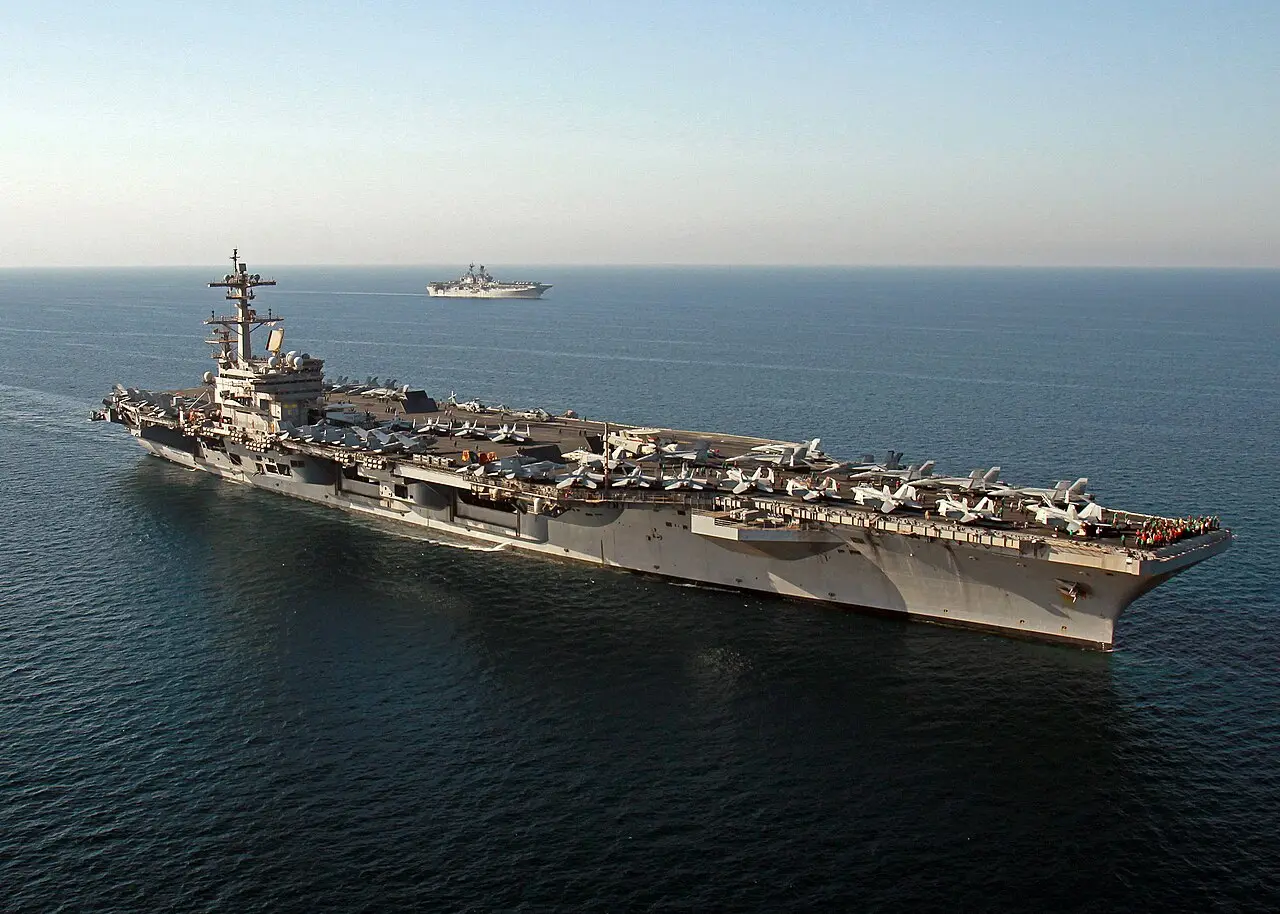
The USS Abraham Lincoln (CVN-72), a Nimitz-class nuclear-powered carrier, is already positioned off the coast of Iran. It carries a formidable air wing of roughly 90 aircraft, including F-35C Lightning II stealth fighters and F/A-18 Super Hornets, capable of striking deep into enemy territory.
USS Gerald R. Ford: World’s most advanced warship arrives
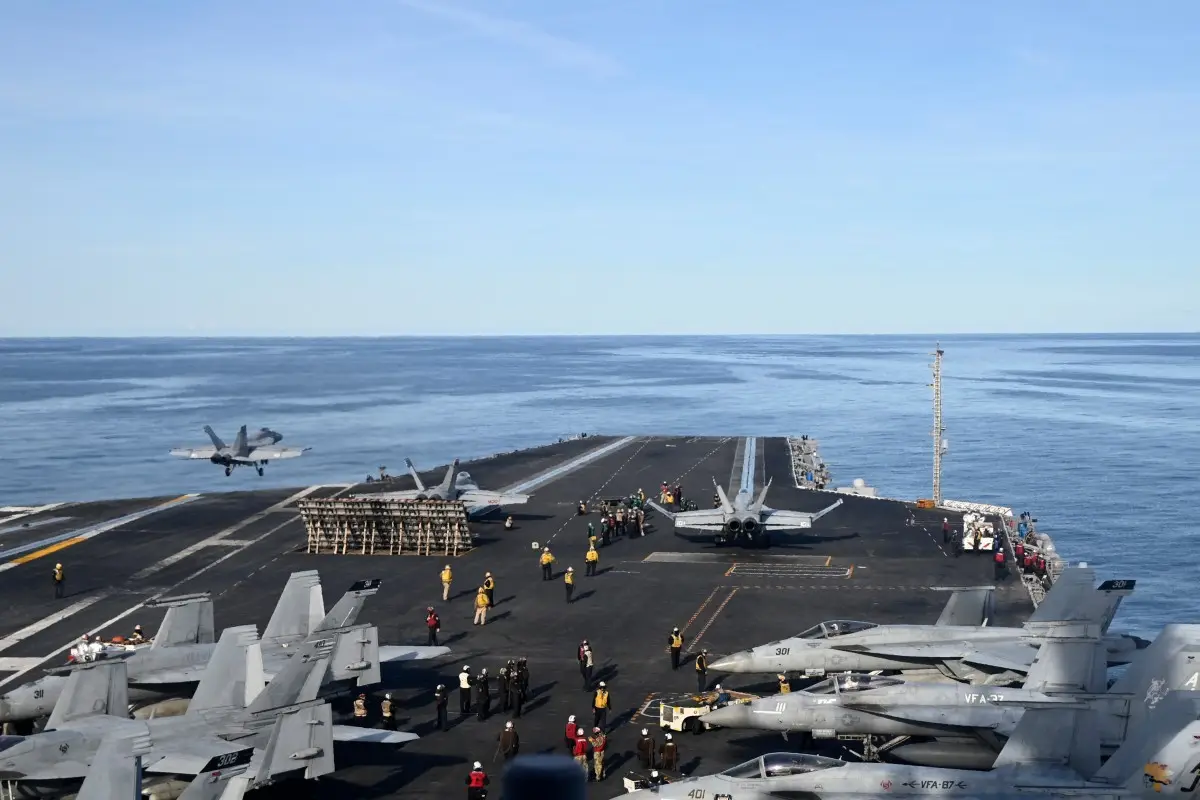
The USS Gerald R. Ford (CVN-78) is the newest and largest aircraft carrier in the US Navy. It features the Electromagnetic Aircraft Launch System (EMALS), which allows it to launch jets faster and with less stress on the aircraft than older steam catapults, increasing its combat sortie generation rate by 33 per cent.
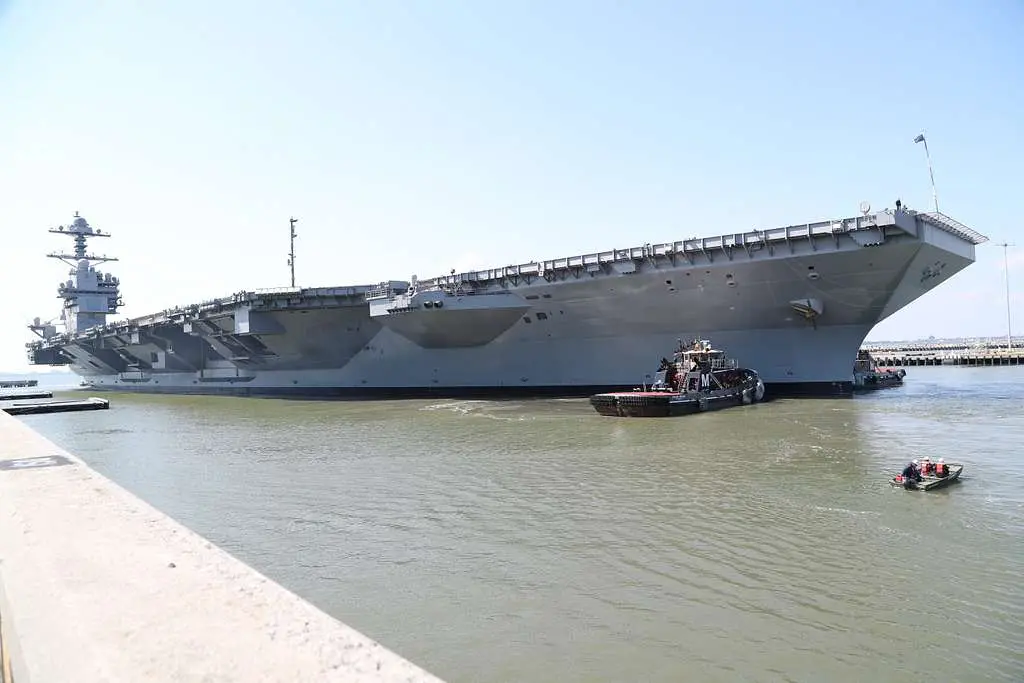
Massive Air Power
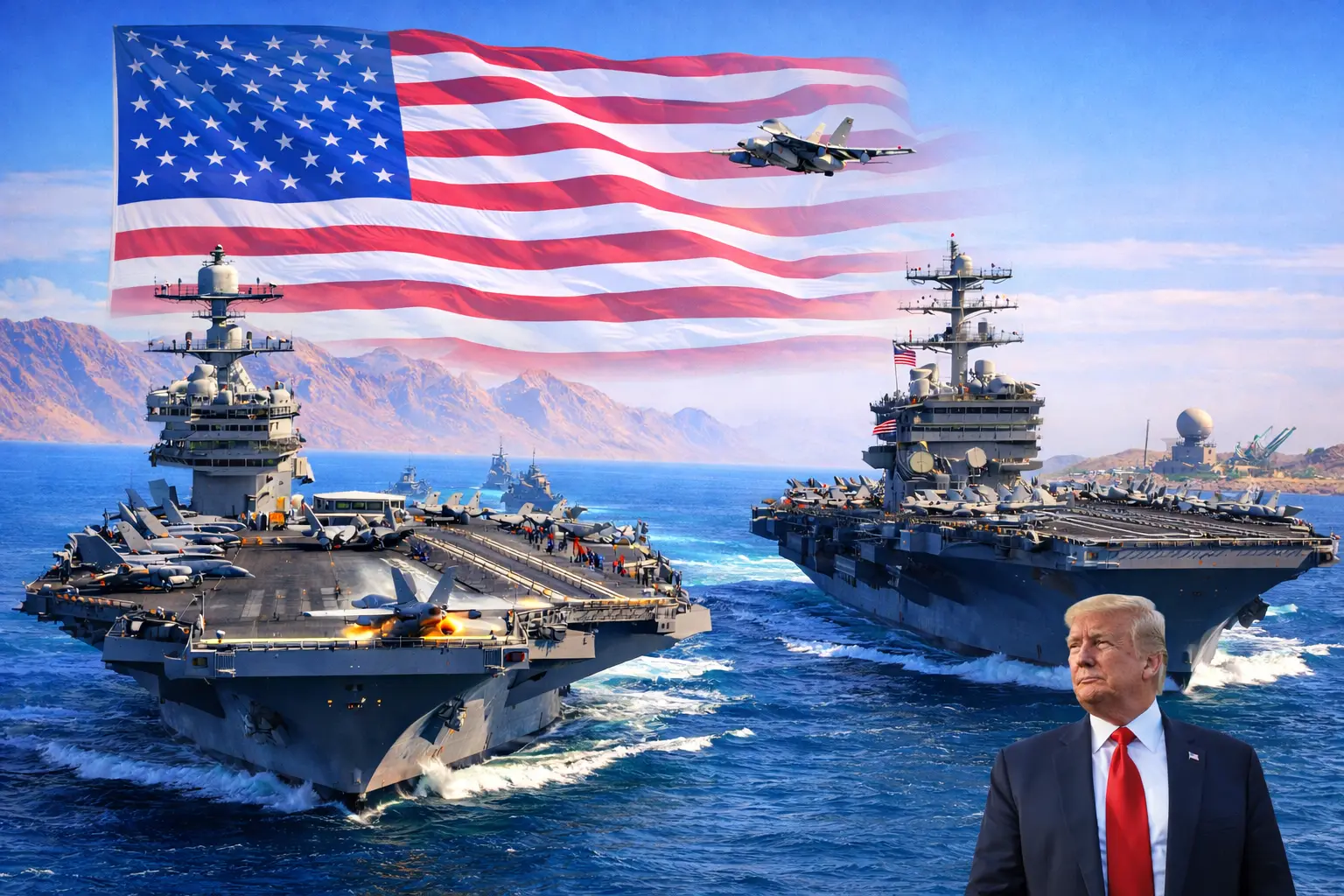
With both carriers in the region, the US now commands a floating air force of nearly 180 fixed-wing aircraft and helicopters. This combined firepower exceeds the total air force capacity of many nations and provides Washington with round-the-clock strike capabilities against strategic targets.
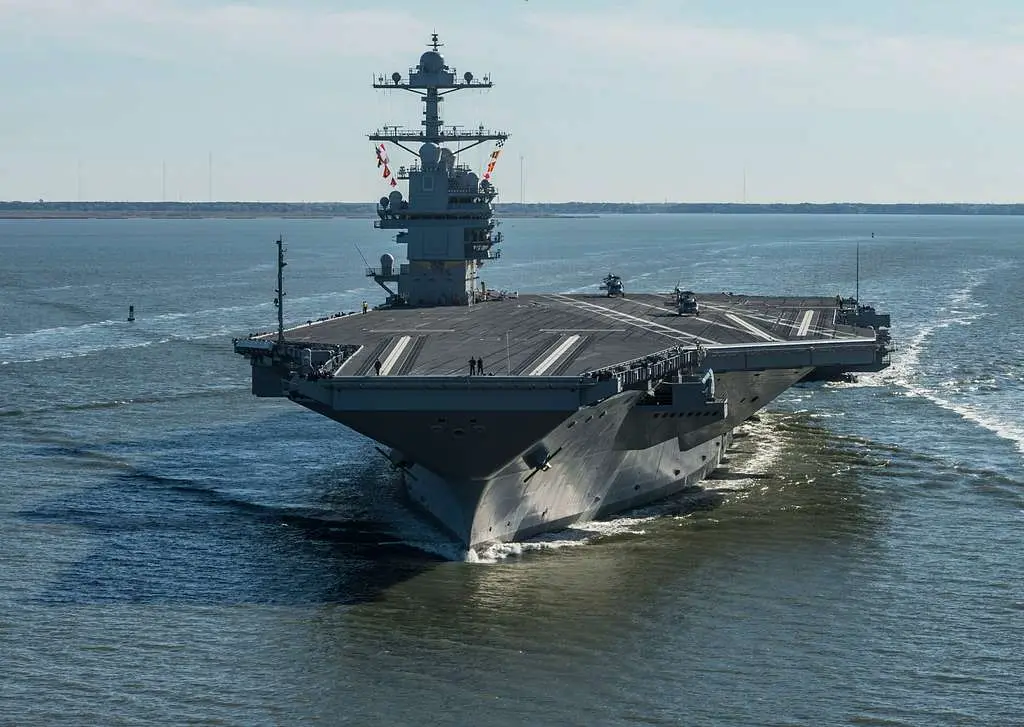
The Escort Fleet
The carriers do not travel alone; they are protected by a fleet of guided-missile destroyers and cruisers. These warships, including the Arleigh Burke-class destroyers, are equipped with Aegis combat systems to defend against missile attacks and hunt enemy submarines, forming an iron dome over the fleet.
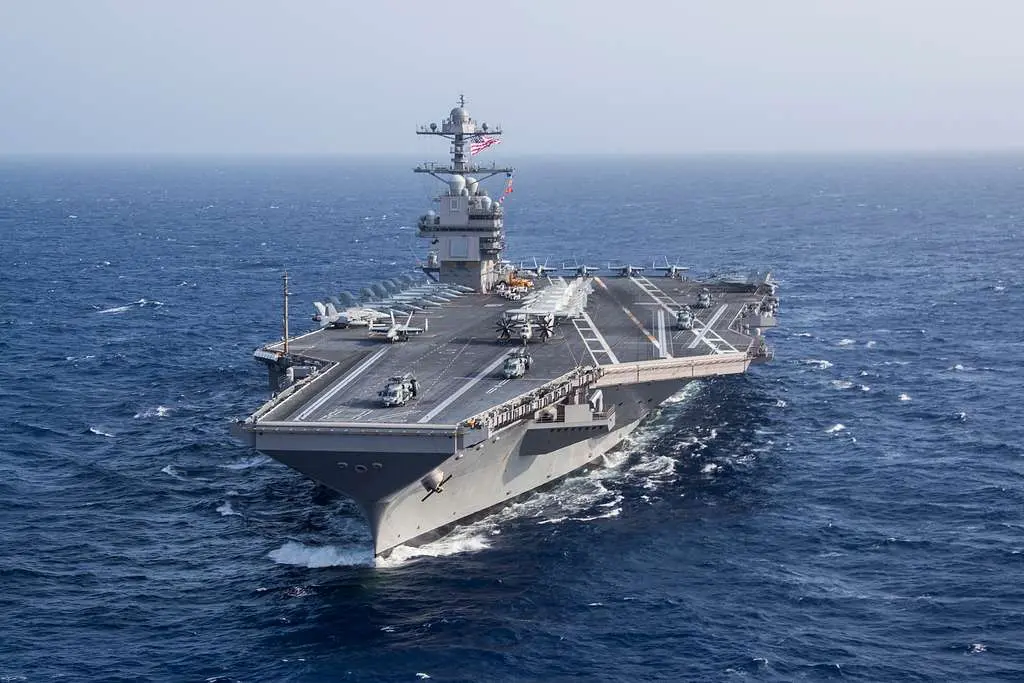
A Clear Warning
Sending two carrier groups is a rare tactic used only during major crises to signal supreme resolve. The US aims to deter Tehran from further aggression, specifically regarding its ballistic missile programme and support for regional proxy groups, by presenting a credible threat of overwhelming military force.
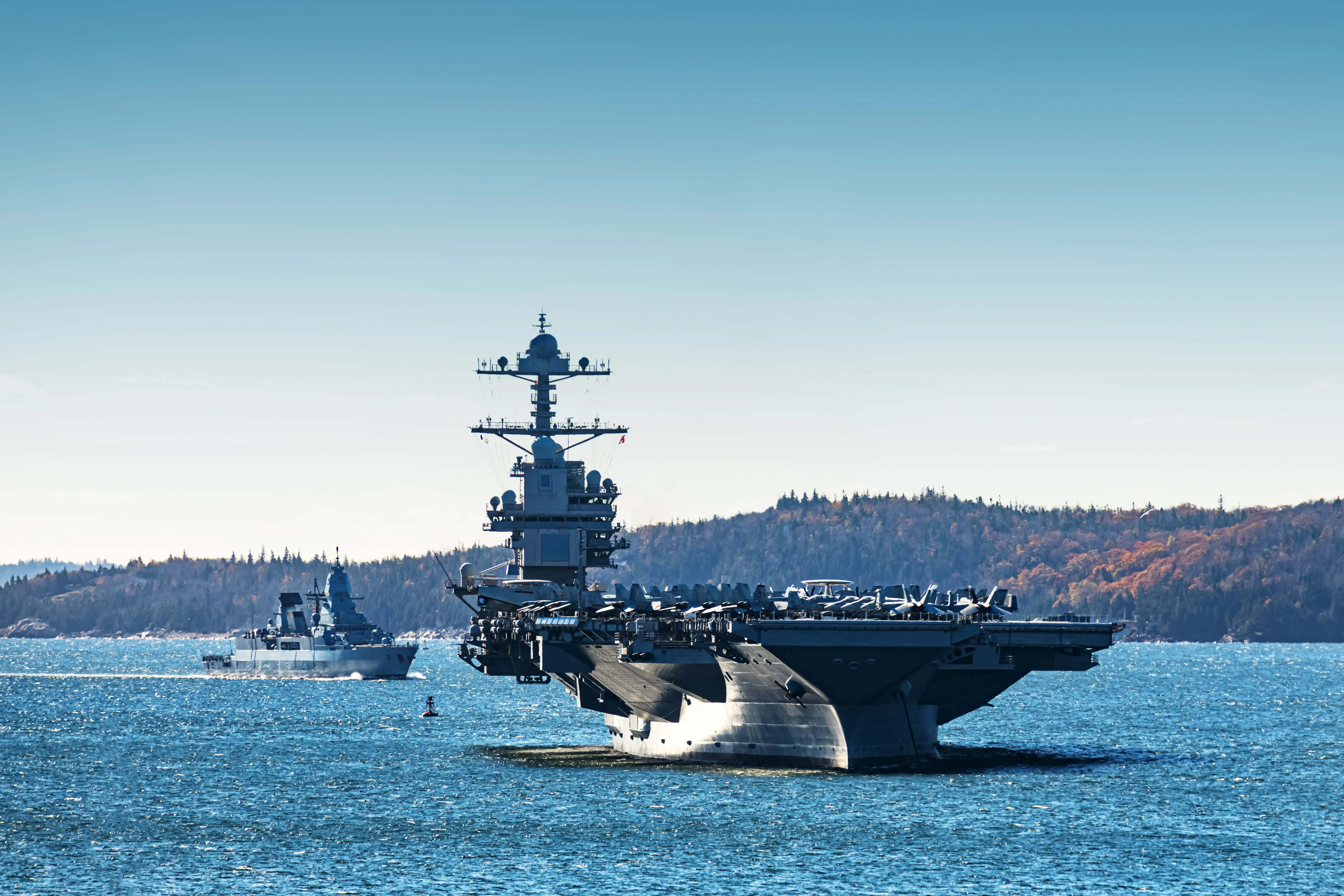
Drone shootdown heightens alert
The atmosphere was already tense after a US fighter jet from the Lincoln strike group shot down an Iranian drone earlier this week. The unmanned aerial vehicle had approached the American fleet in the North Arabian Sea, leading to a direct engagement that has put all US forces in the region on high alert.
Tehran threatens ‘chilling’ response
Iran has reacted furiously to the American buildup, with state media broadcasting warnings of a ‘chilling’ response to any aggression. Tehran claims its military is ready to sink aggressive vessels and has showcased its own arsenal of anti-ship missiles and drones in recent military parades.
What Happens Next?
The region now faces a precarious standoff with massive firepower concentrated in a small area. While diplomatic channels remain technically open, the physical presence of the USS Gerald R. Ford alongside the Lincoln suggests Washington is preparing for all scenarios, including potential combat operations if the stalemate continues.
)
)
)
)
)