'Iran or North Korea': Who is a bigger threat for Donald Trump's America in 2026?

Trump foreign policy 2026, Iran nuclear threat, North Korea hypersonic missiles, US national security, global conflict risk 2026
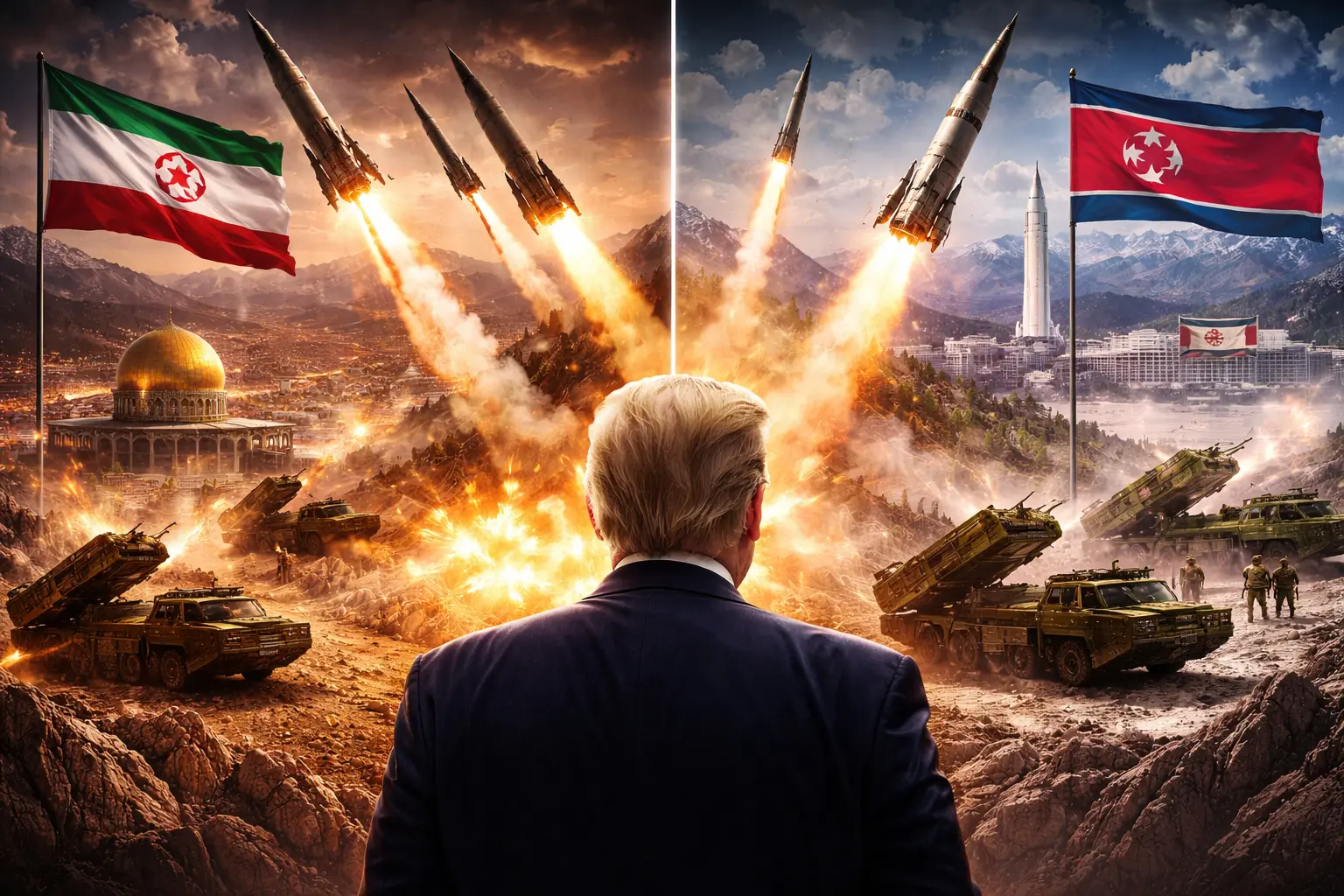
North Korea's Nuclear Arsenal
North Korea upgraded its nuclear arsenal in 2025, significantly enhancing its military legitimacy. Kim Jong Un has ordered a radical expansion of missile and shell production for 2026.
New Hypersonic Capabilities
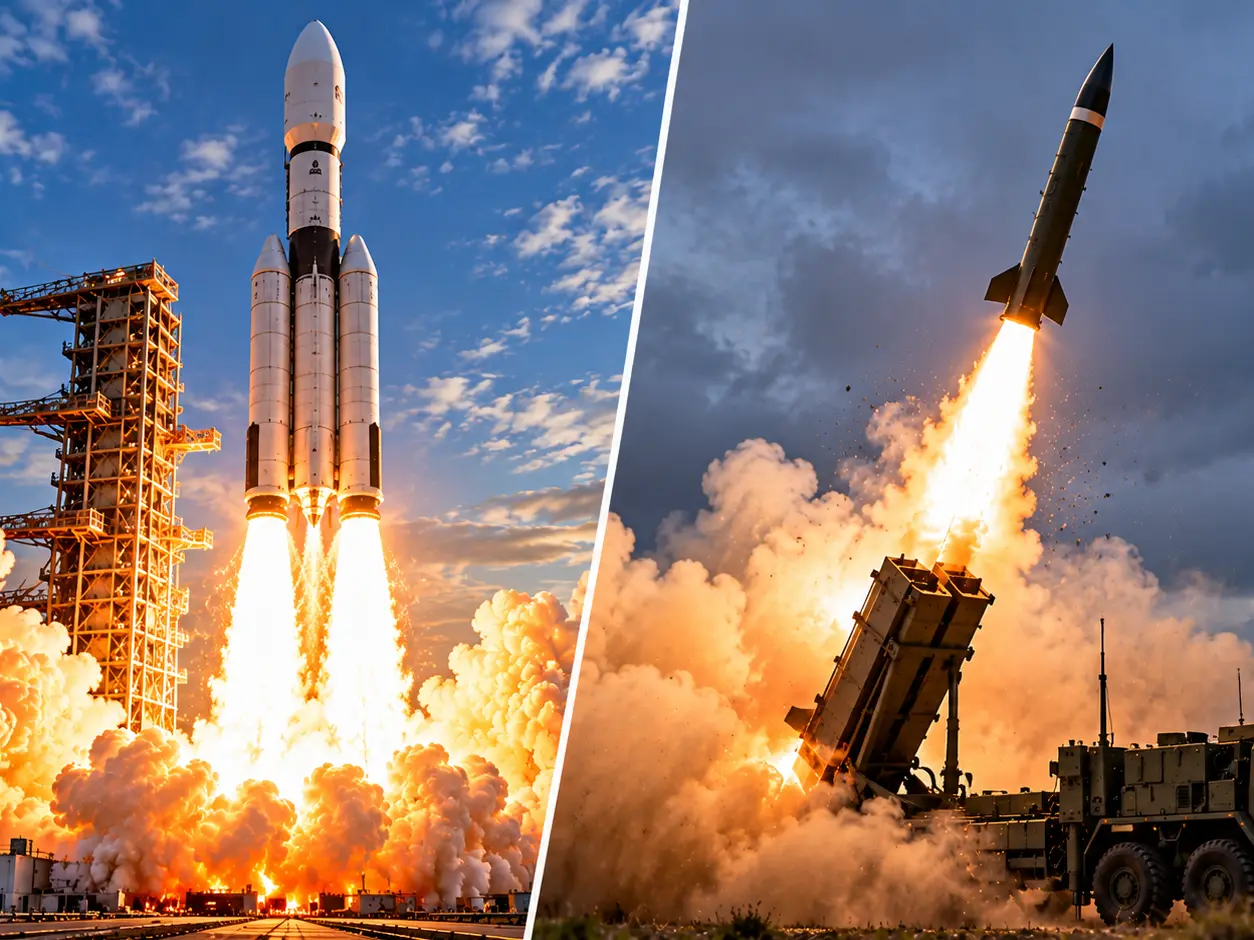
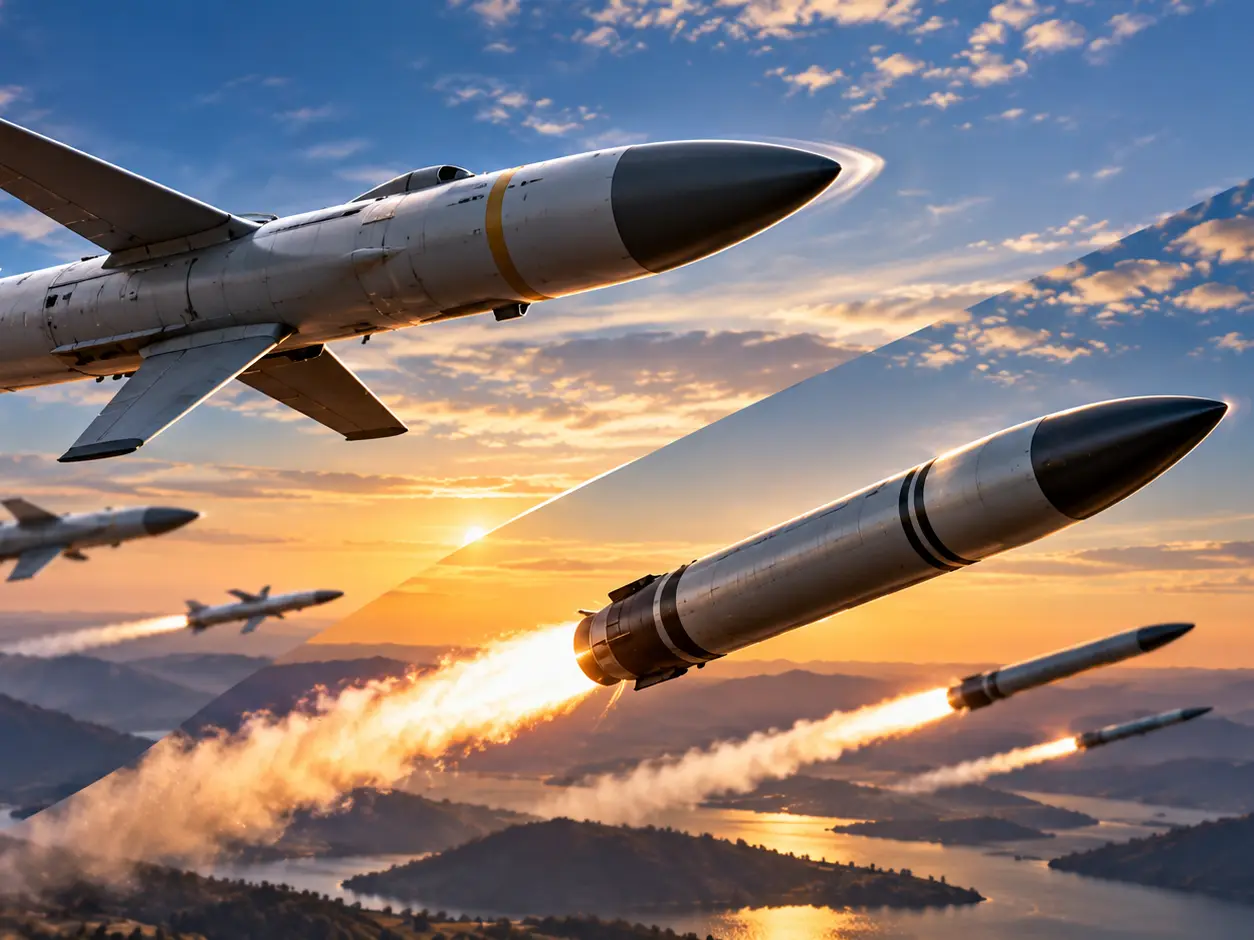
Pyongyang began 2026 by testing ballistic missiles involving a hypersonic weapons system. These missiles flew about 900 kilometres, designed to evade modern interception technologies.
Potential for Trump-Kim Talks
Trump has expressed strong interest in resuming dialogue with Kim Jong Un, even alluding to sanctions relief. However, Pyongyang remains cautious following the 2019 Hanoi negotiations and has not yet responded.

Iran's Nuclear Breakthrough
By mid-2025, Iran possessed over 400 kg of 60 per cent enriched uranium, enough for nearly 10 weapons. Tehran officially ended the 2015 JCPOA in October 2025, declaring all nuclear restrictions void.
Domestic Unrest in Iran
In early 2026, deadly protests hit dozen of locations across Iran, with at least 16 people killed. Trump has warned he is "locked and loaded" to intervene if the regime continues using lethal force.
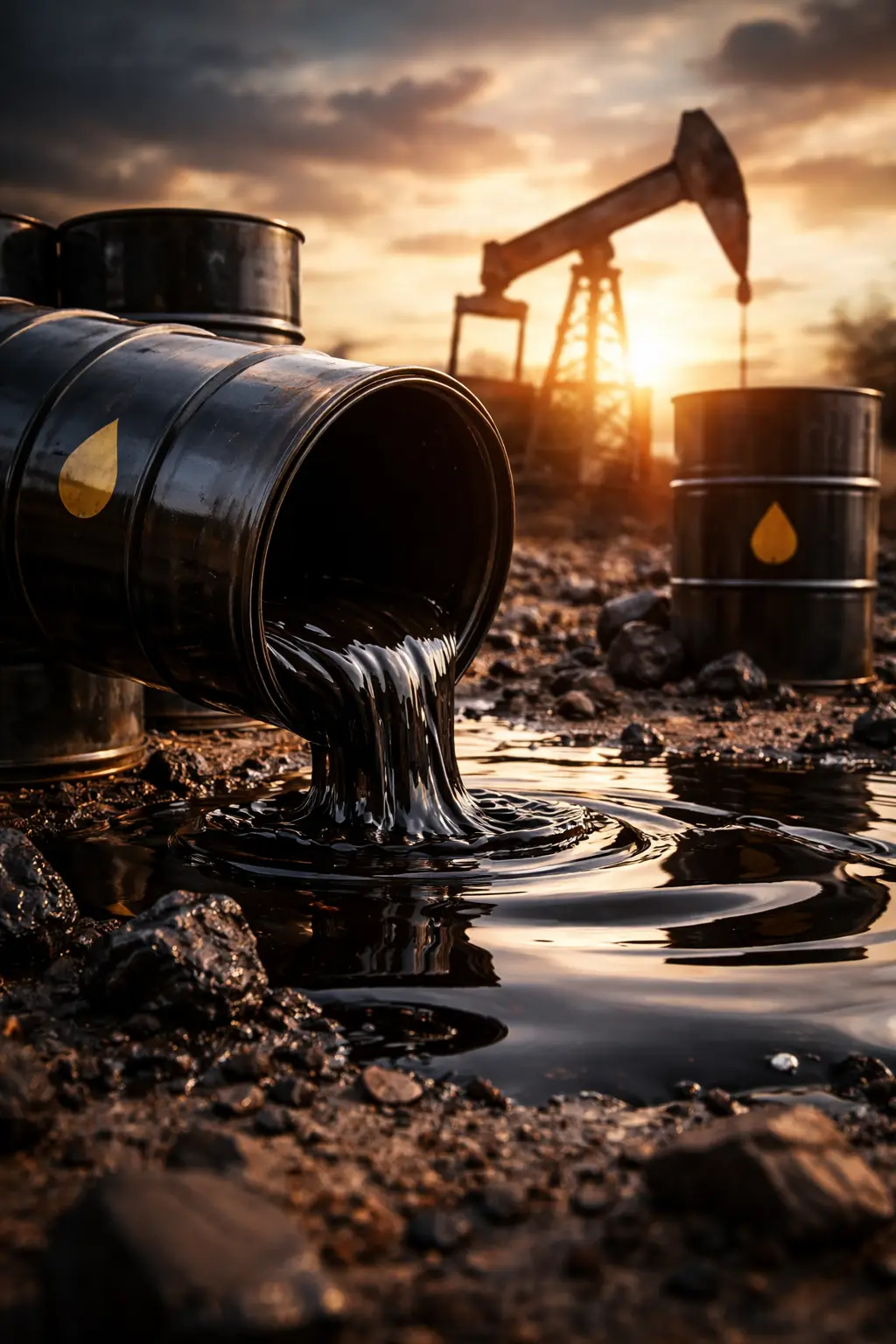
Maximum Pressure 2.0
The Trump administration has revived "Maximum Pressure," causing renewed polarisation in the Middle East. Some Gulf nations support this pressure, while others fear the unpredictability of a trapped Iranian regime.
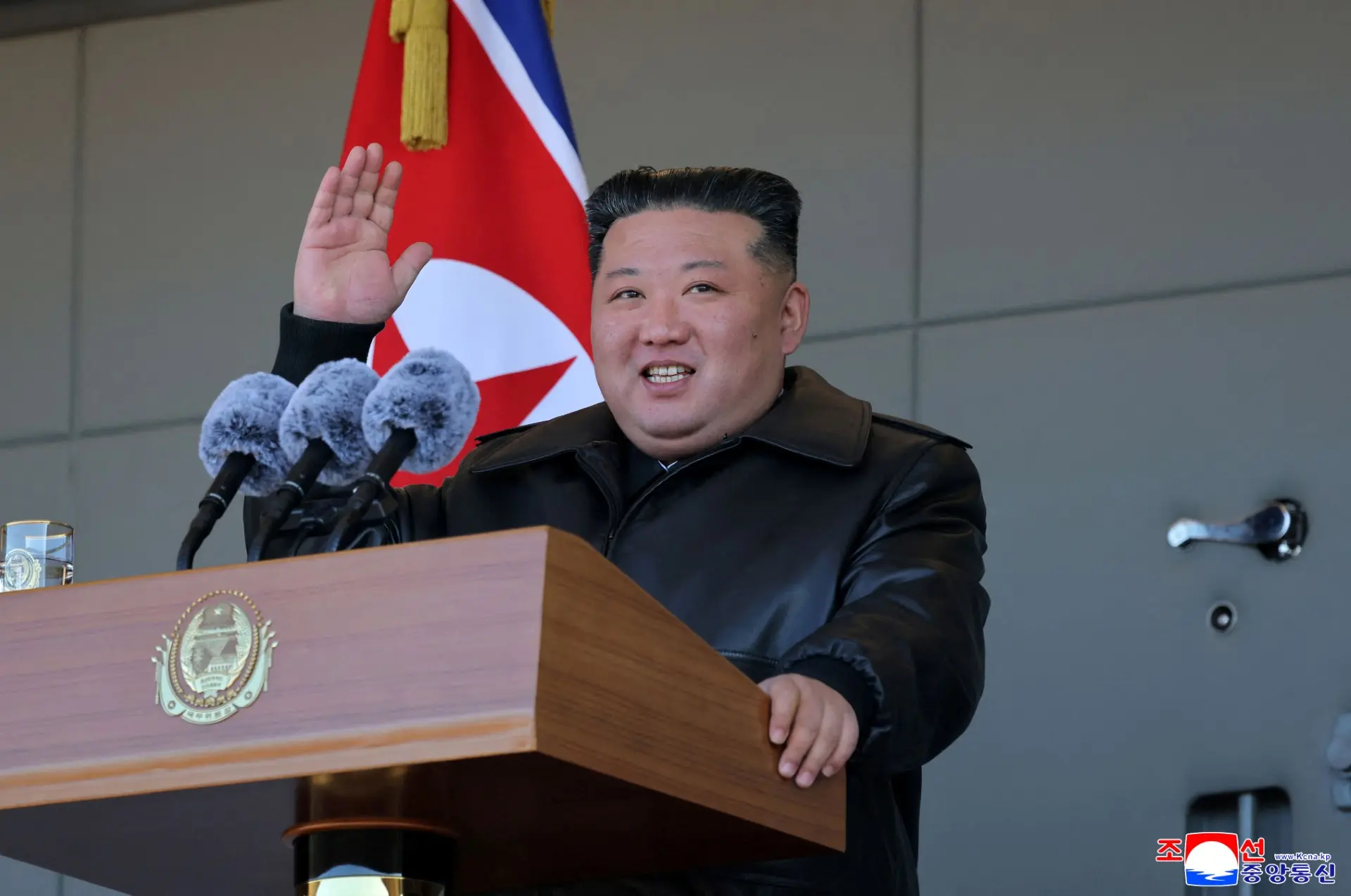
Iran's Missile Reconstitution
Despite previous strikes, the IRGC is mass-producing advanced missiles using new equipment from external partners. The strategy focuses on "deterrence through volume" to overpower Israeli and US missile defences.
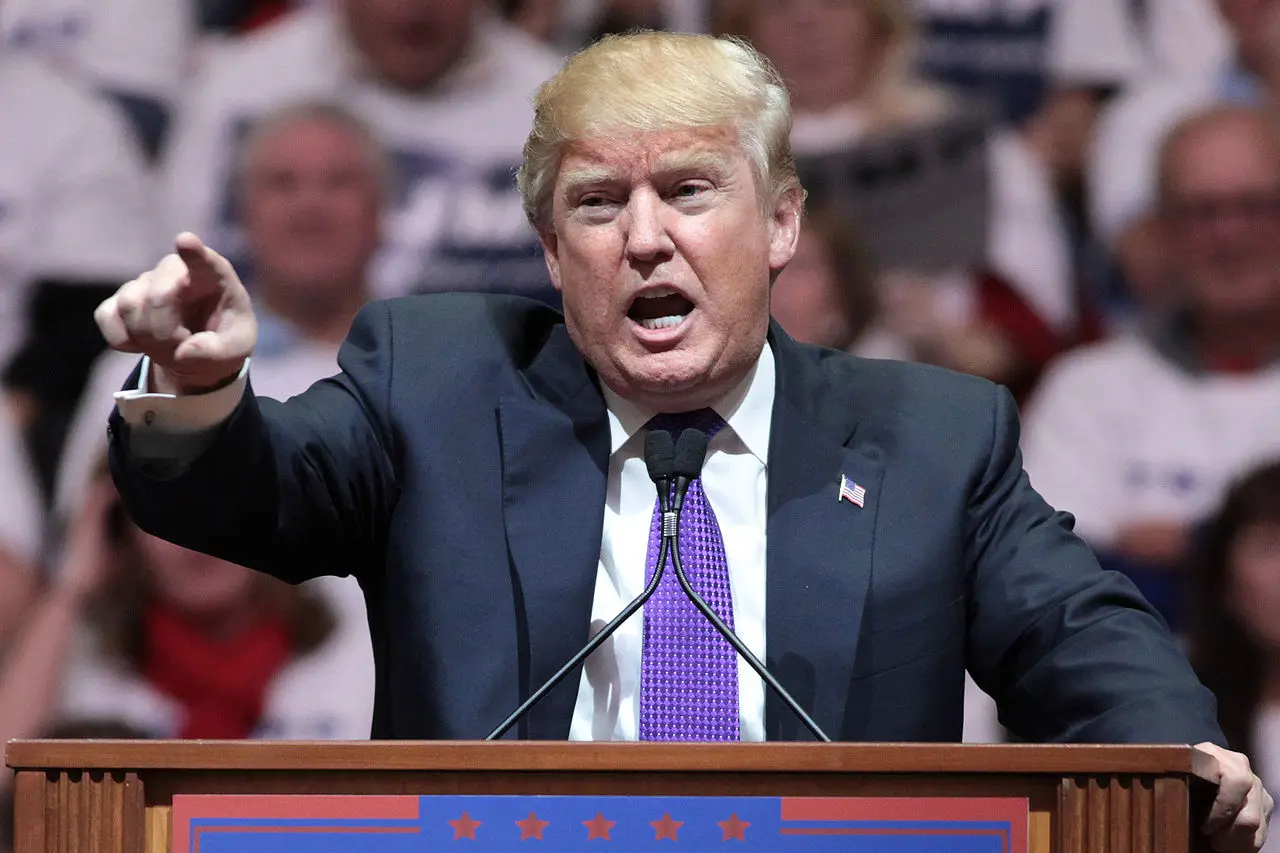
The "Axis of Upheaval"
North Korea and Iran are increasingly linked through military cooperation with Russia. This "axis" presents a unified anti-Western coalition that challenges US interests globally in 2026.

Cyber and Infrastructure Risks
US intelligence expects Iran to remain a pressing foreign threat to critical US infrastructure via cyberattacks. These disruptive attacks aim to have cascading impacts on various US industries and public safety.
)
)
)
)
)